

Salon hair usually looks effortless, but most of us know the truth. It is the right cleanse, the right moisture, and the right technique, repeated consistently.

If your hair swings between dry ends and a stressed scalp, or if shampoo leaves you feeling stripped, WEN by Chaz Dean: Achieve Salon-Quality Hair at Home can feel like the shortcut you have been looking for.
This guide breaks down what WEN is, how it works, who it fits best, and how to use it in a way that actually delivers smooth, touchable results at home, without buildup drama or trial-and-error overwhelm.
What salon quality really means at home
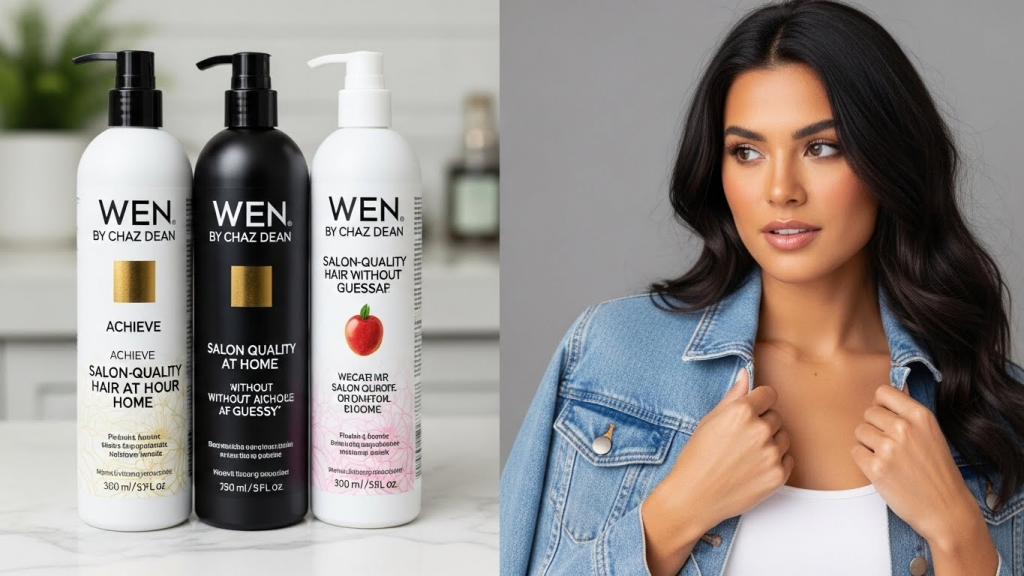
Salon-quality hair is not about one magic product. It is about three outcomes:
- Clean scalp (so roots look fresh and lift easier)
- Conditioned lengths (so hair feels soft, not coated)
- Minimal damage (so shine stays and breakage drops)
Dermatologists also emphasize tailoring washing frequency and technique to your hair type and scalp needs, not a one-size routine.
What WEN is, and why it feels different
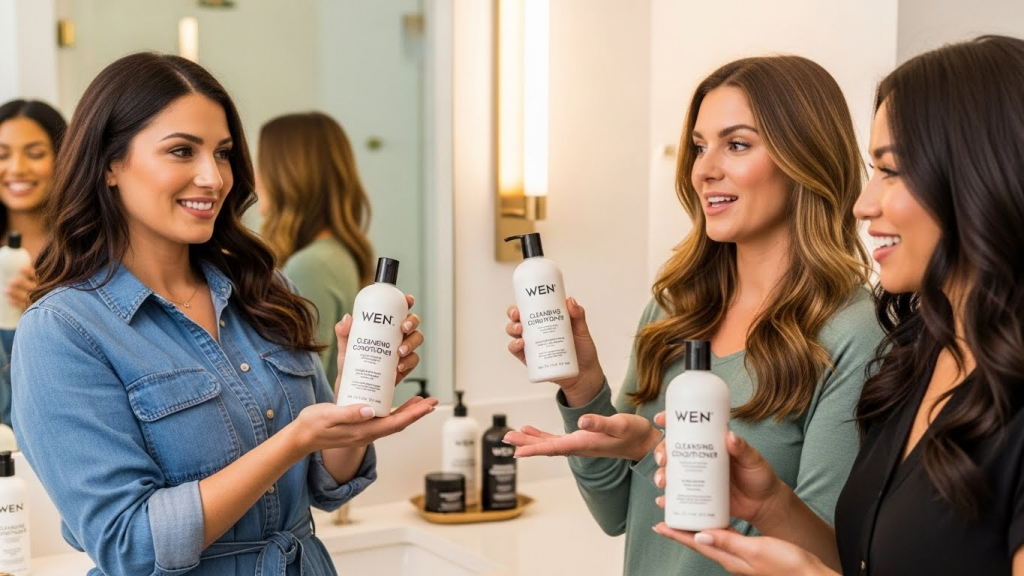
WEN is a cleansing conditioner, not a regular shampoo
A cleansing conditioner is designed to cleanse and condition in one step. WEN markets its cleansing conditioners as “detergent free,” with formulas meant to cleanse while moisturizing, rather than using stronger cleansing systems that can feel drying for some people.
If you have heard the term “co-washing,” this sits in that family of routines, cleanser plus conditioning slip, with extra focus on softness and manageability.
Why this can help hair look smoother
Hair is basically a protein fiber that grows in cycles, and the strand you style today is not “alive,” so it cannot heal, it can only be protected. (That is why technique matters.) Scalp hair growth is often described around about 1 cm per month in general references, but individual rates vary.
That salon “shine” look usually comes from a cuticle that lies flatter, plus less friction. Even shampoo pH can affect static charge, friction, and how the cuticle behaves. Research reviews discuss how hair fiber pH is acidic (often cited around 3.67), and they note that very high pH cleansing can increase negative charge and friction.
The practical takeaway: gentler cleansing plus good slip can reduce the rough, squeaky feeling that makes hair tangle and snap.
Who WEN tends to work best for, and who should be cautious

Often a good match if you have:
- Dry, textured, curly, coily, or thick hair that hates harsh cleansing
- Color-treated hair that feels rough after shampoo
- Frizz-prone lengths that need more softness and weight control
- Hair that tangles easily and benefits from “slip” during cleansing
QVC’s own descriptions also position certain options by hair type, for example Fig is described as ideal for medium-to-coarse, wavy-to-curly hair, and especially helpful for very dry or chemically treated hair, while Sweet Almond Mint is described as more “universal” and friendly for fine-to-medium hair.
Be more careful if you have:
- A very oily scalp that gets greasy fast
- Active scalp conditions (persistent dandruff, psoriasis, seborrheic dermatitis)
- A history of sensitivity to fragrance, essential oils, or botanical ingredients
If scalp symptoms are a big part of your problem, a dermatologist-guided plan matters more than any single product trend. AAD guidance also notes that flakes can relate to washing frequency and product choices, and that routines should match hair type and scalp needs.
A quick fit check table
| Your main goal | What to prioritize in your routine | What to watch for |
|---|---|---|
| Softer hair, less frizz | Thorough rinse, enough product to coat lengths, wide-tooth detangling | Using too little product can cause drag and tangles |
| Fresher roots with less dryness | Focus product and massage on scalp first, then pull through ends | Not rinsing long enough can leave hair feeling heavy |
| Better definition for waves or curls | Gentle scalp massage, minimal rough towel rubbing | Product buildup if you never clarify |
| Protecting color-treated hair | Lower friction cleansing, cooler rinse, limit heat styling | Overuse of hot tools without a heat protectant spray (internal link anchor) |
How to use WEN like a pro
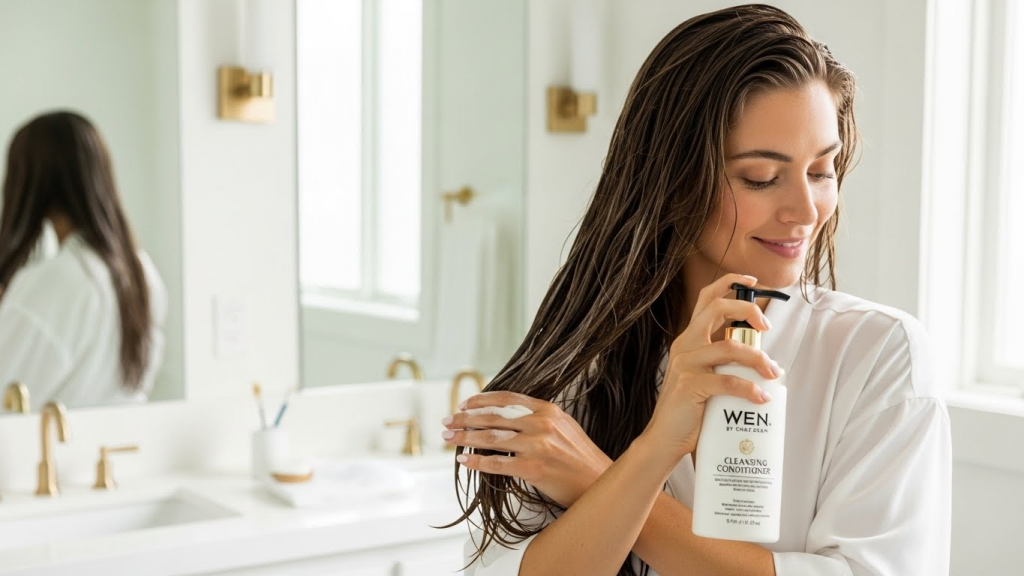
The biggest difference between “I tried it once” and “this makes my hair look expensive” is technique.
WEN’s brand instructions commonly emphasize thoroughly wetting hair, applying enough product, massaging through, then rinsing well.
Step 1: Soak your hair more than you think you need
Spend a full minute saturating your hair and scalp. This helps the product spread evenly and reduces the temptation to over-apply.
Step 2: Apply to scalp first, then lengths
Think “scalp cleanse, lengths condition.”
- Use fingertips (not nails) to massage the scalp.
- Then pull product through mid-lengths and ends.
AAD hair care guidance also notes you usually do not need to apply cleanser to the full length the way you apply it to the scalp.
Step 3: Add a splash of water while working it through
This is a game-changer for even distribution, especially on thicker hair. It improves slip and helps you avoid patchy product placement.
Step 4: Give it a short “sit time,” then detangle gently
If your hair tangles, detangle while the product is in, using a wide-tooth comb. Keep tension low.
Step 5: Rinse longer than usual
A common reason people feel “heavy” results is incomplete rinsing.
Rule of thumb: rinse until hair stops feeling “creamy,” then rinse another 15 to 30 seconds.
Step 6: Style for shine, not stress
If you blow-dry, use lower heat and direct airflow downward.
A simple weekly routine that feels salon-level
| Day | What to do | Why it works |
|---|---|---|
| Wash day | Cleanse with WEN, rinse well, then style | Clean scalp plus conditioned lengths |
| Midweek refresh (optional) | Water mist, light re-style, avoid heavy layering | Keeps curls and waves defined |
| Every 1 to 3 weeks | Use a clarifying shampoo (internal link anchor) once | Helps prevent buildup and dullness |
How often you wash still depends on your hair type. AAD notes that straight hair and oily scalps may need more frequent washing, while dry, curly, textured, or thick hair may wash less often, sometimes weekly or even longer depending on need.
How to avoid buildup
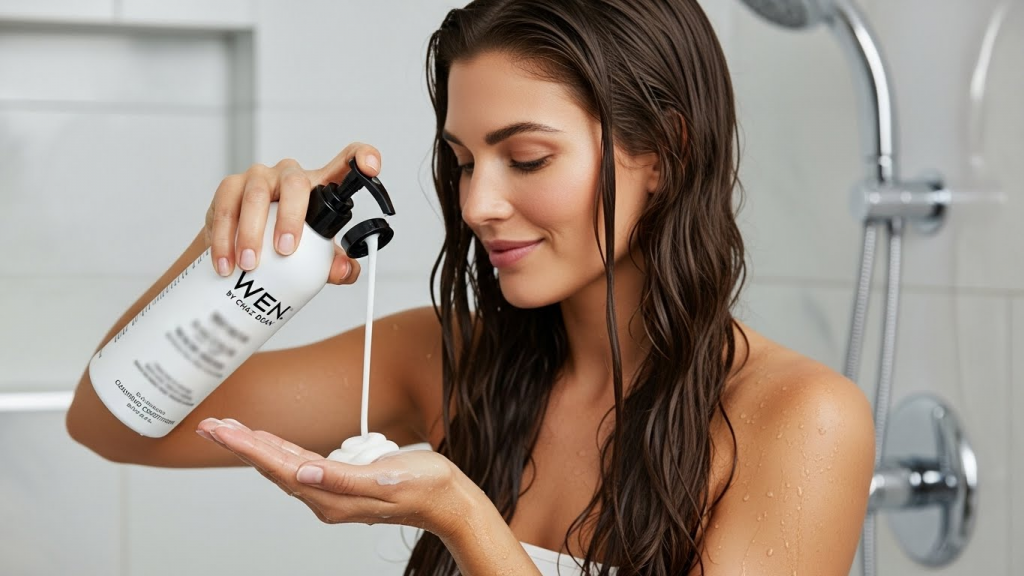
“Buildup” is usually a mix of oils, styling products, hard water minerals, and residue from conditioners or creams.
Signs you are getting buildup
- Hair looks flat right after drying
- Roots feel waxy or coated
- Curls lose bounce and definition
- Scalp feels itchy, but not necessarily flaky
Fix it in one wash cycle
- Clarify once (gentle clarifying shampoo)
- Follow with your conditioning step (lighter than usual)
- Reduce heavy leave-ins for a few days
Safety and trust: what the FDA has said about cleansing conditioners and WEN
If you want an honest, trustworthy guide, this section matters.
The FDA has published information about investigating reports of hair loss, hair breakage, balding, itching, and rash associated with certain hair cleansing products, including cleansing conditioners.
The FDA also notes it received a large number of adverse event reports in that period (the agency cites over 1,400 reports by 2016 in its informational page on hair cleansing products).
What to do with that information as a shopper
- Many people use cleansing conditioners without issues.
- Some people report irritation or shedding changes with specific products.
- If you notice unusual hair loss, scalp burning, rash, or intense itching, stop using the product and consult a dermatologist.
If you are in the U.S., the FDA also provides updated instructions tied to modern cosmetics regulation, including serious adverse event reporting requirements and timelines.
This is not about panic, it is about being smart and listening to your scalp.
How to choose the right WEN vibe for your hair

Here is a practical way to decide:
- Fine hair: prioritize lighter feel, rinse extra well, avoid stacking heavy oils
- Medium hair: balanced approach, scalp focus plus lengths slip
- Thick, curly, coily hair: prioritize slip and moisture, detangle with product in
QVC’s positioning of specific options by hair type is a helpful starting point, especially if you are choosing between something described as “universal” versus something described for dry, coarse, or chemically treated hair.
Shop picks: 3 WEN by Chaz Dean options on QVC
Below are three product options on QVC that match common shopper intents: starting simple, stocking up, or pairing with scalp-focused care.
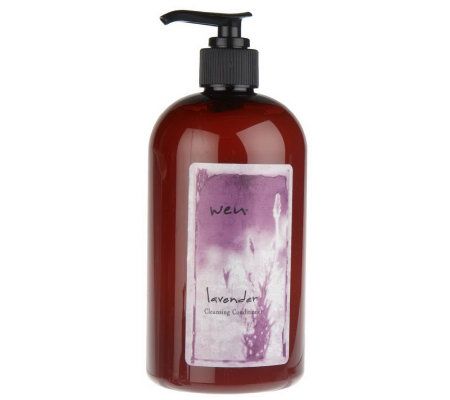
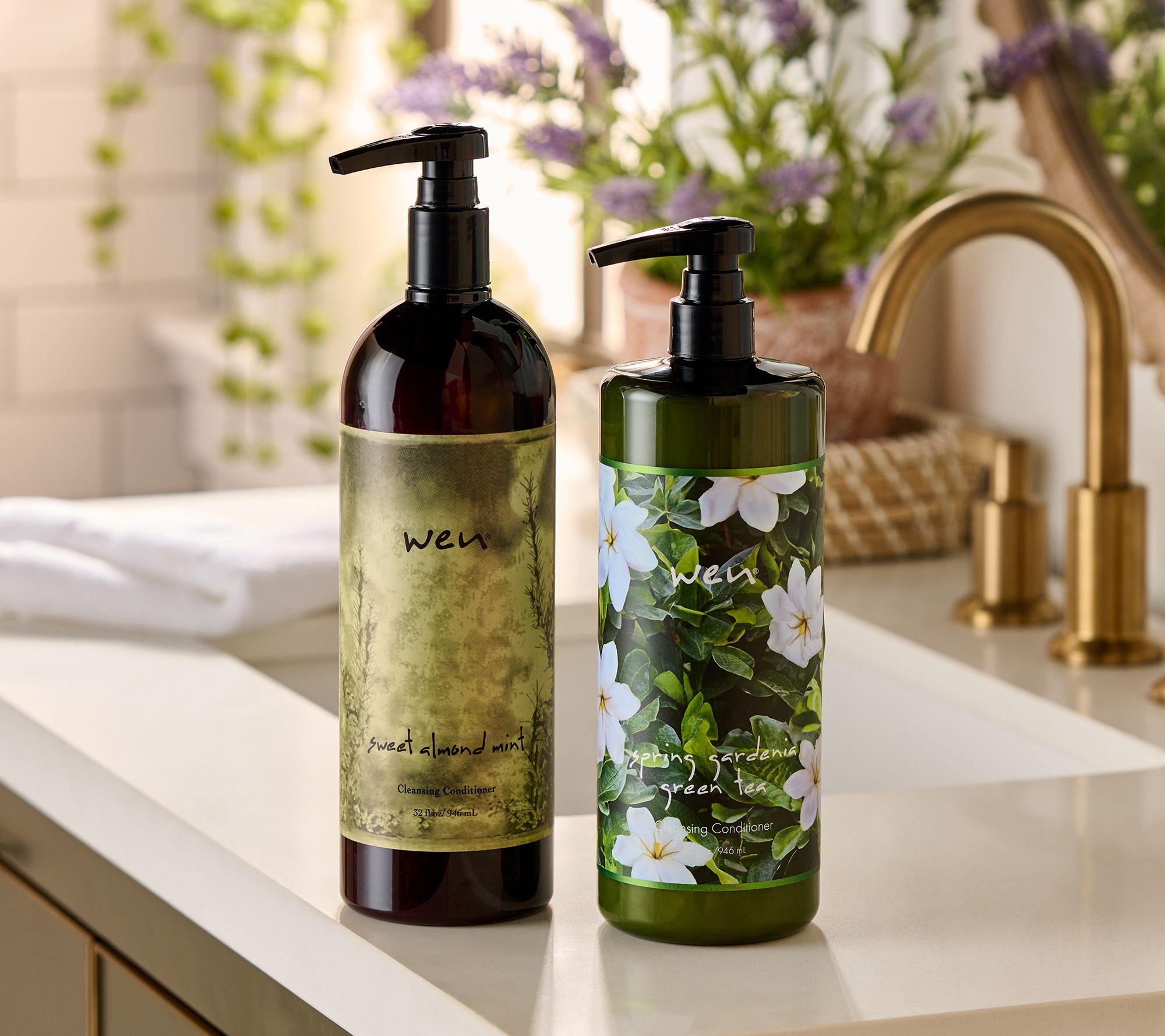
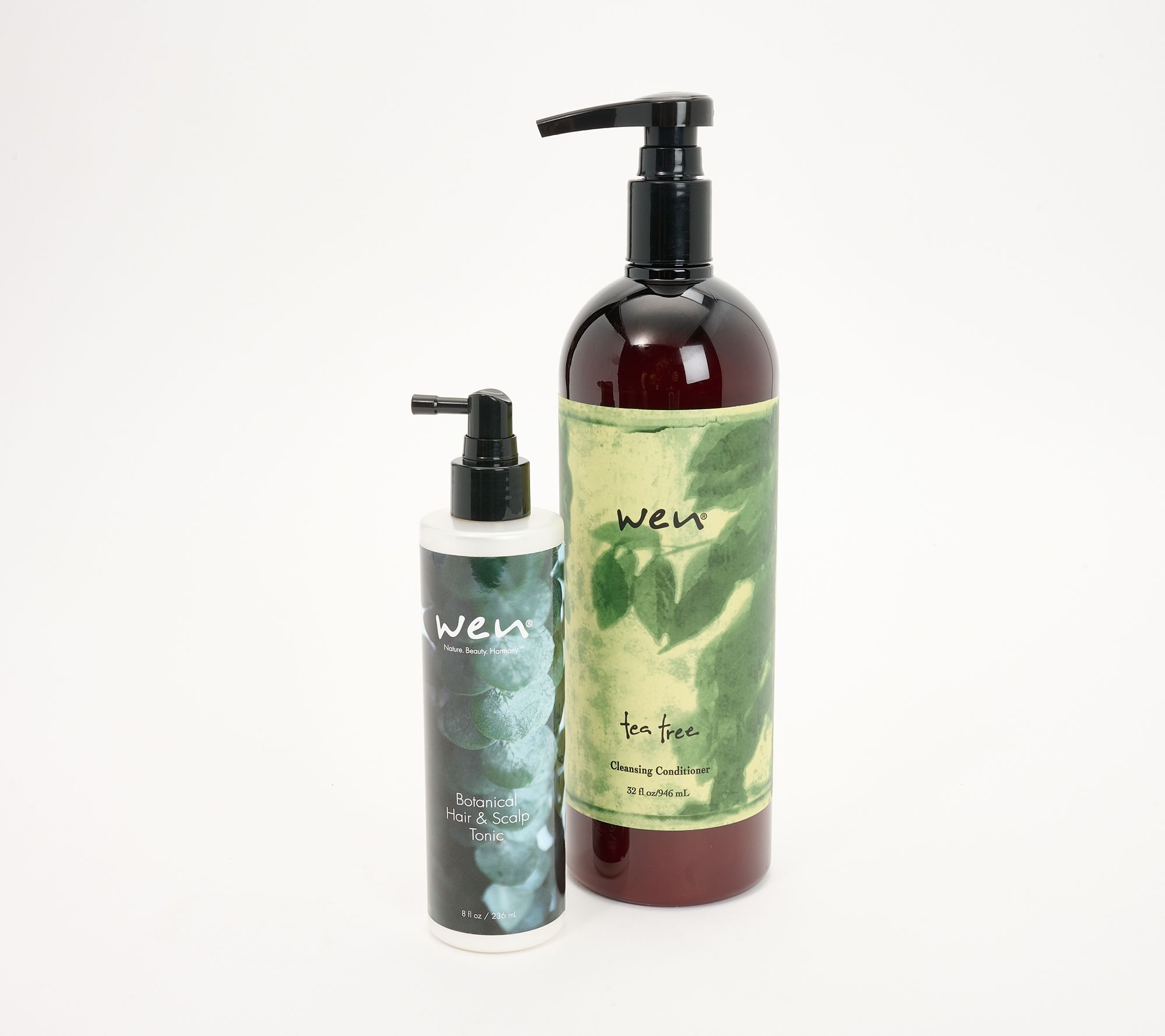
People Also Asked style FAQs: quick, real answers

Is WEN a shampoo?
It is marketed as a cleansing conditioner, meant to cleanse and condition in one step, rather than a traditional shampoo plus separate conditioner.
Can I use WEN every time I wash?
Many people do, but your best schedule depends on how oily your scalp gets and how dry your lengths are. AAD guidance supports customizing washing frequency by hair type.
Will it work on color-treated hair?
It can be a fit for color-treated hair because many people look for less “stripping” routines after chemical services. If your hair is very processed, prioritize gentle detangling and low-heat styling.
What if my hair feels heavy after using it?
Most of the time it is either:
- not enough rinsing, or
- too much product layered afterward, or
- you need an occasional clarify
Try the “rinse longer” rule and add a clarifying wash every 1 to 3 weeks.
What if my scalp gets itchy?
Stop and reassess. Itch can be dryness, buildup, or sensitivity. If symptoms persist or are intense, a dermatologist visit is the safest move. FDA has documented investigating reports tied to certain cleansing products.
Conclusion: a simple path to salon-quality hair at home
WEN by Chaz Dean: Achieve Salon-Quality Hair at Home works best when you treat it like a system, not a miracle.
Do three things consistently:
- Saturate hair fully, cleanse the scalp first, then pull through lengths.
- Rinse longer than you think you need.
- Add an occasional clarify so hair stays light, shiny, and bouncy.
If you want a low-stress next step, start with one WEN option, take photos on wash day 1 and wash day 4, and track how your scalp feels. If anything seems off, especially irritation or sudden shedding, stop and talk with a pro.
The responses below are not provided, commissioned, reviewed, approved, or otherwise endorsed by any financial entity or advertiser. It is not the advertiser’s responsibility to ensure all posts and/or questions are answered.