

Hot, sticky weather can turn smooth makeup into shine, streaks, and patchy coverage before lunch. The problem is often not your skin or blending skills. It is the number of layers sitting on your face.

Sweat-Proof Foundations: Your 4-in-1 Secret for Humid Days is a simpler approach. Instead of stacking moisturizer, primer, color corrector, foundation, and powder, you choose one multitasking base and use a few light steps to help it stay fresh.
This guide explains what “sweat-proof” means, how a 4-in-1 base may reduce makeup breakdown, which finish suits your skin, and how to apply foundation without creating a heavy mask.
What Humidity Does to Foundation

Humidity adds moisture to the air, while heat can increase oil and perspiration. That mix may soften makeup, weaken its grip, and make pigment collect around pores, smile lines, and the sides of the nose.
Thick layers make the problem worse. Each extra layer creates another surface that can slide, pill, or separate.
A lighter base has fewer points of failure. This makes a well-matched 4-in-1 formula useful for summer, travel, outdoor events, and warm commutes.
Reality check: No foundation is fully immune to heavy sweating, rubbing, or towel drying. “Sweat-proof” is a goal built through formula choice, thin application, and smart setting.
Why Sweat-Proof Foundations: Your 4-in-1 Secret for Humid Days Can Work
A 4-in-1 foundation combines several jobs in one product. Common functions include moisturizing, priming, correcting, concealing, setting, or adding sun protection.
The main advantage is layer control. When one product handles several steps, less material sits on the skin, which can feel lighter and be less likely to crease.
Shopping through QVC can also make it easier to compare shade ranges, textures, tools, and multifunction claims before choosing a base.
| Function | What it does | Humidity benefit |
|---|---|---|
| Moisturizes | Softens dry areas | Helps prevent patchy coverage |
| Primes | Smooths the surface | May improve foundation grip |
| Corrects or conceals | Evens visible discoloration | Reduces the need for extra layers |
| Finishes or protects | Adds powder control, skincare, or SPF | May replace another step |
Not everyone needs the same four benefits. Oily skin may value priming and powder control, while dry skin may need moisture and flexible coverage.
Three Multitasking Bases to Consider
These options take different approaches to simplified complexion makeup: cream-balm coverage, a hydrating tint with SPF, and a pressed powder that combines several base steps.
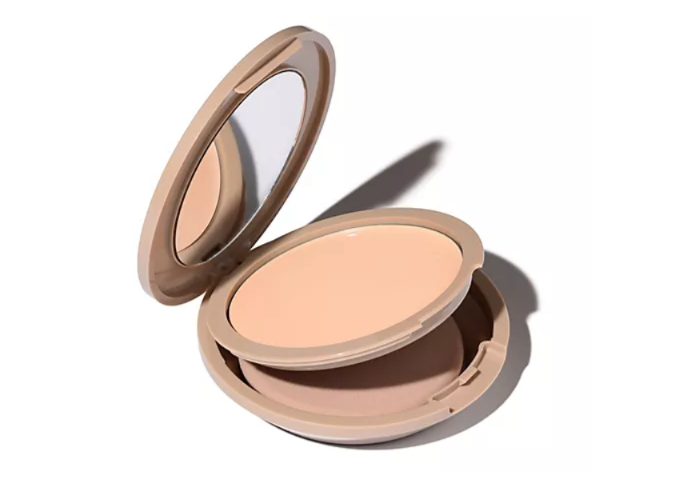
No Makeup Makeup 4-in-1 Foundation
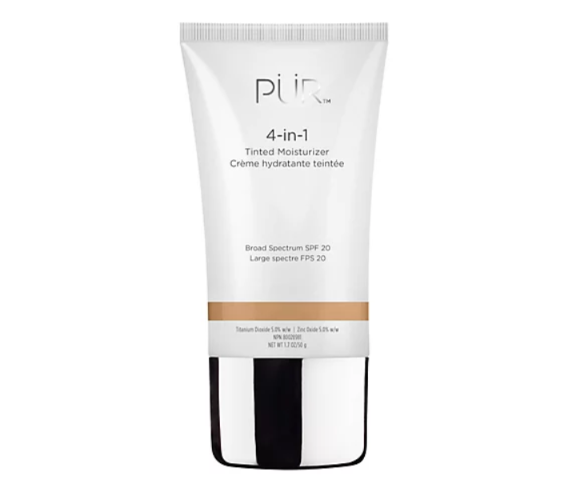
PUR 4-in-1 Tinted Moisturizer with Broad Spectrum SPF 20
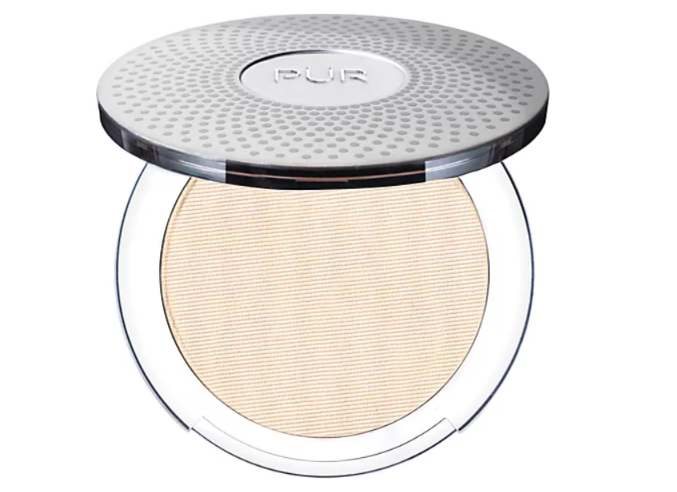
PUR 4-in-1 Pressed Mineral Powder Foundation SPF 15
Prices and names were verified in the live catalog at publication and may change.
The cream-balm choice suits people who want a skin-like finish and targeted correction. The tinted moisturizer fits normal, dry, or combination skin that prefers a dewy look.
The pressed mineral option is useful for quick application, shine control, and portable touch-ups. Use a loose brush for light coverage or a denser brush where you need more.
Choose the Right Finish for Your Skin
A common mistake is choosing the driest matte formula simply because the weather is humid. Strong matte coverage may control shine, but it can look cracked or flat on dehydrated skin.
Match the finish to your skin first, then control only the areas that become shiny.
| Skin type | Helpful texture | Setting approach |
|---|---|---|
| Oily | Thin liquid, soft matte, or mineral powder | Press powder into the T-zone |
| Combination | Flexible natural finish | Set forehead, nose, and chin |
| Normal | Lightweight satin finish | Use minimal powder |
| Dry | Hydrating tint or cream-balm | Avoid heavy powder on cheeks |
| Mature | Thin, buildable coverage | Set only where makeup moves |
If your face feels tight after cleansing, it may be dehydrated even when it gets shiny later. A light moisturizer can improve wear better than adding more foundation.
The Humidity-Proof Application Method
Sweat-Proof Foundations: Your 4-in-1 Secret for Humid Days depends as much on technique as product choice. The strongest method uses less makeup, more pressing, and enough pause time between steps.
Start With a Clean, Cool Face
Apply makeup after your skin has cooled from a shower, workout, or hot commute. Foundation placed over active perspiration has little chance to grip.
Blot gently and wait until the skin feels dry. Avoid rubbing, which may increase redness and heat.
Use Skincare Sparingly
Apply only the moisturizer your skin needs. Heavy creams, facial oils, and several serums can create a slippery layer.
Give skincare a few minutes to settle. If your face still feels slick, press a clean tissue over it before applying makeup.
Keep Sun Protection Separate When Needed
Foundation with SPF can be a useful extra layer, but it should not lead you to use too little product or skip dedicated protection outdoors.
The FDA recommends reapplying sunscreen at least every two hours and more often when swimming or sweating. Follow the directions on each label.
Apply From the Center Out
Place a small amount around the nose, inner cheeks, chin, and center of the forehead. Blend outward, where most faces need less coverage.
This keeps the hairline, jaw, and temples light. Those areas often collect sweat and show heavy makeup first.
Press Instead of Rubbing
Tap and press the base into the skin with fingers, a sponge, or a brush. Long rubbing motions can shift skincare underneath and create streaks.
Let the first thin layer settle before adding more. Build only on redness, spots, or uneven areas.
Set Small Zones
Press powder around the nostrils, upper lip, center forehead, and chin. Leaving the outer cheeks lightly set can prevent a dry, heavy finish.
Test Your Foundation Before a Humid Event
Do not try a new base for the first time on a wedding day, vacation, outdoor party, or long work shift. Run a short wear test at home.
Apply it with your planned skincare and sunscreen. Check the result after two hours and again after six.
| Checkpoint | What to inspect |
|---|---|
| Shine | Is the glow even or greasy in patches? |
| Separation | Has pigment split around the nose or mouth? |
| Transfer | Does makeup lift with a light tissue press? |
| Comfort | Does the base feel tight, sticky, or heavy? |
A base that becomes slightly shiny but stays even may perform better than one that starts very matte and later cracks.
How to Touch Up Without Caking

Powdering first can trap sweat and oil under a dry layer. This often creates dark patches and thick texture.
Blot with a clean tissue or oil-absorbing sheet. Press straight down, then lift without wiping.
Tap the remaining foundation back into place with a sponge or fingertip. Add a tiny amount only where coverage is gone, then powder the center of the face.
Mistakes That Make Foundation Melt Faster
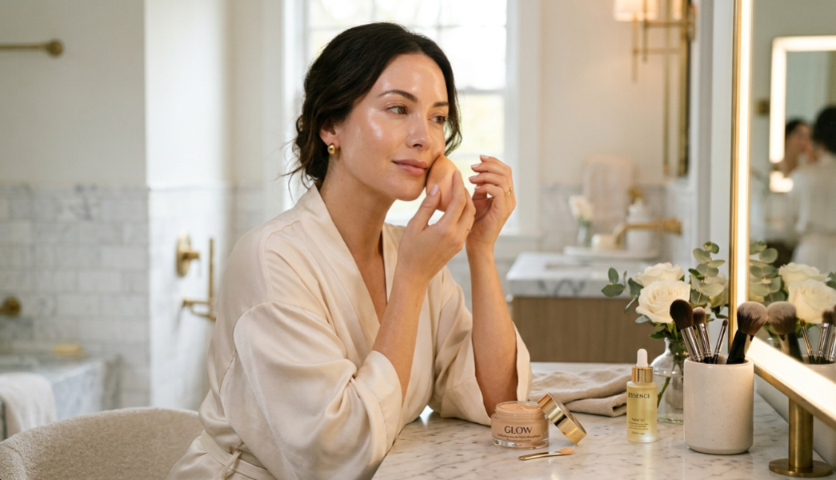
Applying Too Much
Thick foundation has more weight and is more likely to crease, transfer, and separate. Begin with less, then build only where needed.
Using Primer Everywhere
Primer can help, but it is not required across the full face. Apply it only where pores, oil, or slipping are real problems.
Mixing Slippery Layers
Foundation may pill over skincare that has not absorbed. Reduce the amount, wait longer, or simplify the products underneath.
Powdering Active Sweat
Powder and moisture can form a paste-like texture. Blot first, then apply a small amount of powder.
Wiping the Face
Press sweat away instead of dragging a tissue across the skin. Wiping removes coverage and leaves clear edges.
Frequently Asked Questions

Is Sweat-Proof Foundation Waterproof?
Not always. Waterproof describes resistance to water under stated conditions, while sweat-resistant makeup is meant to hold up better against perspiration, oil, heat, and movement.
A long-wear claim does not automatically mean waterproof or sweat-resistant.
Is Powder or Liquid Better for Humidity?
Powder can help oily skin and makes touch-ups easy. Thin liquid or cream formulas often suit dry and normal skin better.
The best choice is the texture that stays flexible without requiring thick layers.
Do You Need Primer Under a 4-in-1 Foundation?
Start without it when the base already offers priming benefits. Add a small amount only where makeup slips or oil breaks through.
How Do You Stop Foundation From Sweating Off?
Cool and dry the skin, keep skincare light, use thin layers, press rather than rub, and set high-sweat areas. Blot during the day before adding more product.
A Lighter Routine That Lasts
Sweat-Proof Foundations: Your 4-in-1 Secret for Humid Days is not about forcing makeup to remain perfect through every drop of perspiration. It is about removing unnecessary layers and helping your base wear more evenly.
Choose a finish that matches your skin, test it before an important day, and apply less than you think you need. Set the center of the face, keep touch-ups gentle, and treat SPF as a separate sun-safety step when outdoor exposure calls for it.
The best humid-weather foundation is not always the most matte or fullest coverage. It is the one that stays comfortable, fades evenly, and still looks like your skin.
The responses below are not provided, commissioned, reviewed, approved, or otherwise endorsed by any financial entity or advertiser. It is not the advertiser’s responsibility to ensure all posts and/or questions are answered.