

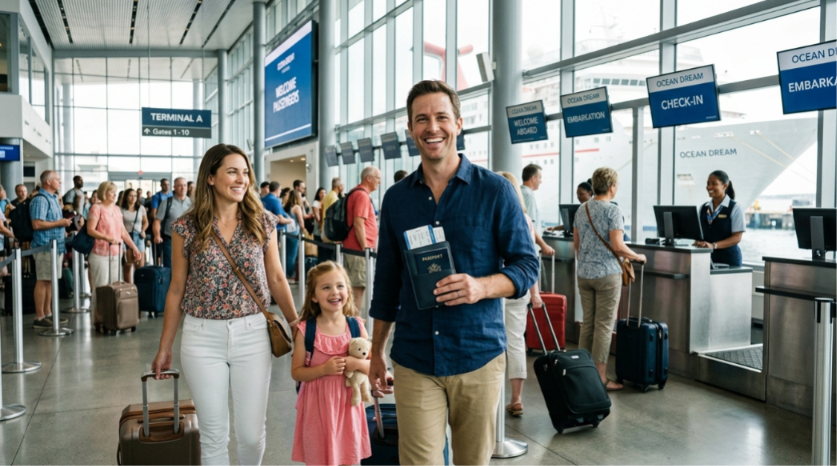
A summer cruise should feel easy, but it can be hard to relax when your passport, phone, cards, and cabin key are all in one small bag. Add crowded terminals, busy ports, beach stops, and light clothing with few secure pockets, and simple organization becomes part of personal security.

Travel Smart: Lightweight Anti-Theft Protection for Summer Cruises is not about carrying heavy locks or turning every port day into a security drill. It is about using a few light barriers, limiting what you carry, and making a lost item less damaging.
This guide explains how to protect travel documents, money, electronics, and day-trip essentials without filling your suitcase with bulky gear.
Why Cruise Security Needs a Different Plan
A cruise can move you through an airport, terminal, ship, tour bus, beach, and crowded market within a few days. Each place creates a different risk, so the best plan is layered:
| Travel zone | Main concern | Lightweight response |
|---|---|---|
| Airport and cruise terminal | Crowds, document handling, open luggage | Keep documents in one slim holder and wear valuables in front |
| Cabin | Too many valuables left in plain sight | Use the cabin safe and keep the room tidy |
| Port walk | Pickpocketing and zipper access | Use locking or controlled zippers and a close-fitting bag |
| Excursion vehicle | Items left on seats | Keep your small security bag on your body |
| Beach or pool | Water, sand, and distraction | Carry fewer valuables and assign one person to watch essentials |
Build a Three-Zone System Before You Sail
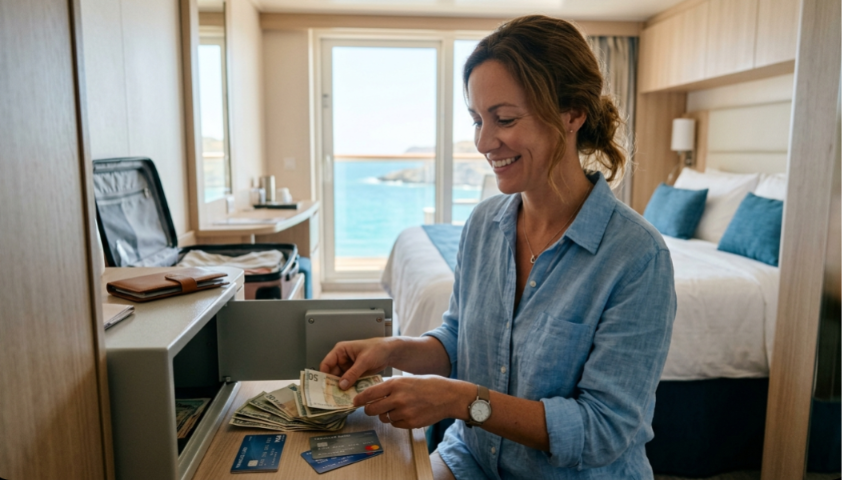
Zone One: Items That Stay Secured
Keep backup cards, extra cash, expensive jewelry, and documents that are not needed during the day in the cabin safe. Do not leave them on a desk, in an open suitcase, or inside an unlocked tote.
Cabin safes are useful, but they are not a reason to bring high-value items you do not need.
Zone Two: Essentials You Carry Ashore
Your shore-day kit may include one payment card, limited cash, a phone, cabin key, required identification, medication, and a copy of emergency details.
Carry these close to the body. A compact crossbody, sling, or hidden belt is easier to control than a large backpack with several open compartments.
Zone Three: Backups Stored Separately
Never keep every card, all cash, and every document together. If one pouch disappears, you should still have a way to pay, identify yourself, and contact the ship.
The U.S. Department of State recommends making multiple copies of travel documents, keeping them separate from the originals, and leaving another set with someone you trust.
Choose Protection That Matches Summer Clothing
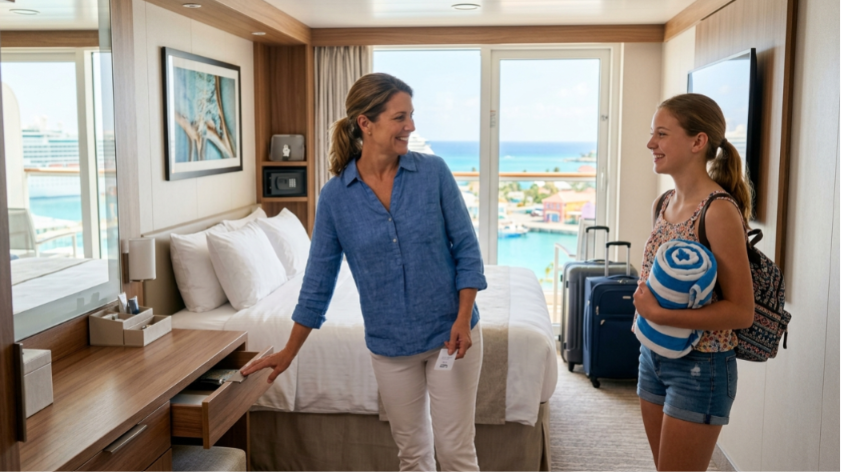
Hot weather changes what works. Look for a low profile, light fabric, adjustable straps, and compartments with a clear purpose. Useful gear should fit your routine instead of becoming another thing to manage.
Travel Smart: Lightweight Anti-Theft Protection for Summer Cruises works best when each item solves one problem:
- A close-fitting sling controls your phone, wallet, and small tablet.
- A slim travel belt keeps high-priority items beneath or close to clothing.
- A passport holder keeps documents and compatible contactless cards together during transit.
Three Lightweight Products for Cruise Travel
All three items below were available through QVC when checked on July 11, 2026. Prices, colors, and stock can change.
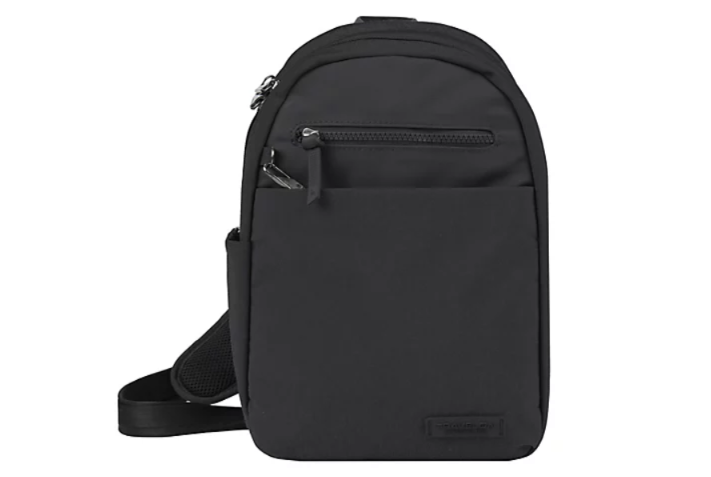
Travelon Anti-Theft Metro Sling
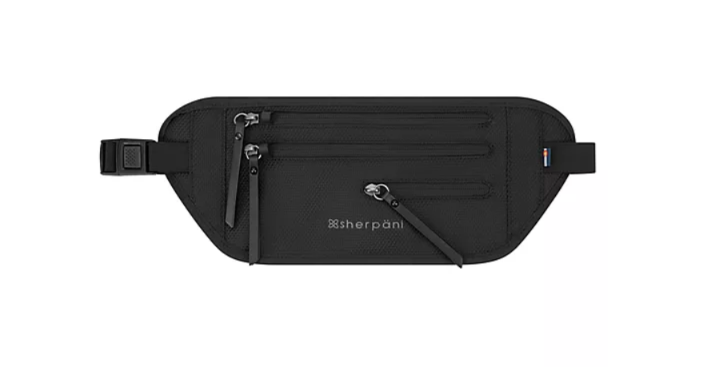
Sherpani Jett Anti-Theft RFID Travel Bel
Travelon RFID Blocking Pull Out Passport holder
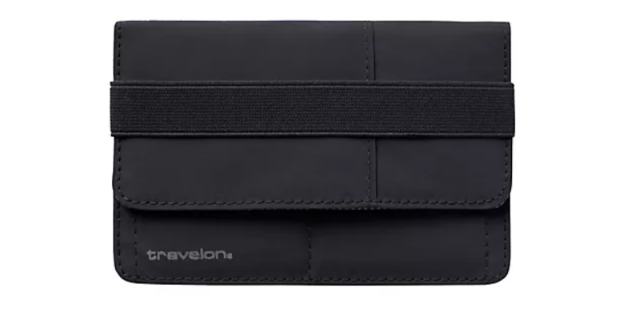
The sling weighs 1.08 pounds and includes a padded tablet sleeve, several pockets, and an RFID-blocking organizer. The travel belt weighs 5 ounces and has locking zipper features, card storage, a passport pocket, and an adjustable strap. The passport holder weighs about 0.07 pound and includes card slots, a pen slot, and a snap closure.
Together, the two smaller pieces weigh under 7 ounces. Most travelers will not need to wear all three at once. Choose the sling for general port days, the belt for crowded sightseeing, and the passport holder for embarkation, airport transfers, and border checks.
What Anti-Theft Features Actually Matter?
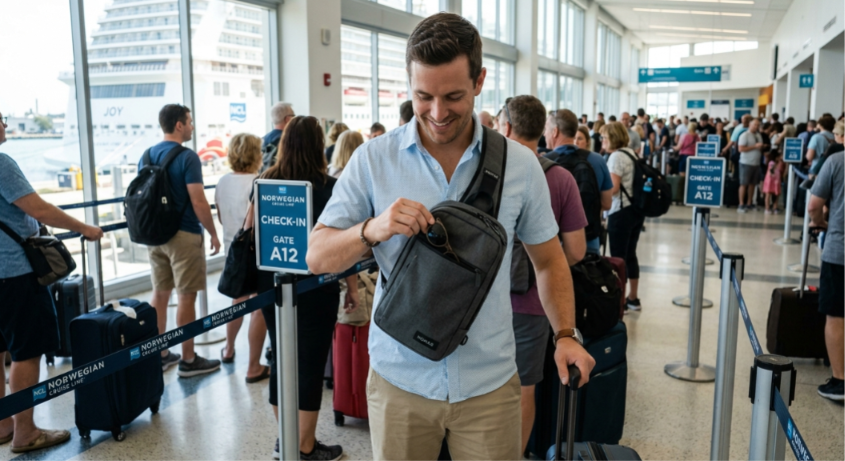
Controlled Zipper Access
A zipper that clips, locks into a small loop, or sits against your body takes longer to open than a loose top zipper. It will not stop a determined thief, but it can reduce quick access in a crowd.
Slash-Resistant Construction
Reinforced panels or straps can add protection against a quick cut, but no bag is invincible. Wear the strap across your body and keep the main compartment toward the front.
RFID-Blocking Pockets
RFID-blocking material is designed for compatible contactless cards. It does not protect cash, magnetic-stripe data, your phone, or a physical card taken from an open pocket.
Treat RFID storage as a small extra layer, not the main reason to buy a travel bag. Zipper control, front carry, and split storage usually matter more during a port day.
Smart Compartment Design
Choose a simple layout and assign one place to each essential. Keep the cabin key in an inner pocket, the phone in a separate section, and the payment card in a protected slot.
A Light Packing Formula for Port Days
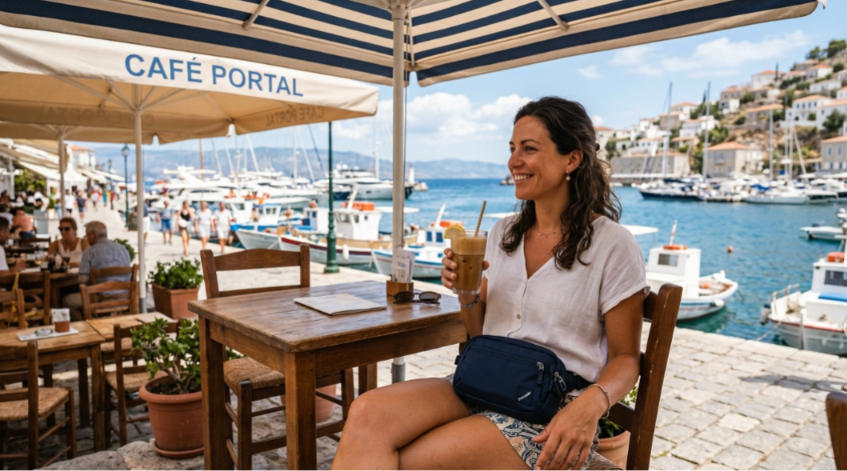
Use the “one, one, one” rule: one card, one small cash amount, and one secure bag. Add only the identification and medication required for that specific stop.
Before leaving the ship, ask three questions:
- Do I need my original passport ashore for this port or excursion?
- Can this item stay in the cabin safe?
- Would losing this bag leave me without a backup?
Document rules vary by itinerary, destination, and cruise line. Follow the instructions provided for your sailing rather than a general social media tip.
A simple port-day load can stay compact:
| Item | Better practice |
|---|---|
| Phone | Enable screen lock and device tracking before departure |
| Cabin key | Store away from anything showing your cabin number |
| Payment card | Carry one and leave a backup secured separately |
| Cash | Bring only the amount expected for the day |
| Identification | Follow the cruise line’s instructions for that port |
| Medication | Carry the needed dose in its labeled container when required |
| Emergency details | Save offline and keep a paper copy |
Protect Your Phone Without Carrying More Gear
Phones are cameras, maps, wallets, and contact books, so losing one can disrupt the whole day. Use a strong passcode, turn on device tracking, save ship contact details offline, and avoid leaving the phone on tables or seats.
At beaches, decide who is watching the bag before anyone enters the water. Test any waterproof pouch at home, then check its seal for sand or damage before each use.
Common Cruise Security Mistakes
Using an Open Tote in Crowds
A tote may be useful for sunscreen and a hat, but it should not be the main place for a phone, wallet, passport, or cabin key.
Putting a Wallet in a Back Pocket
Light summer shorts often have shallow pockets. A back-pocket wallet is also harder to monitor while boarding buses or moving through lines.
Wearing the Bag Behind You
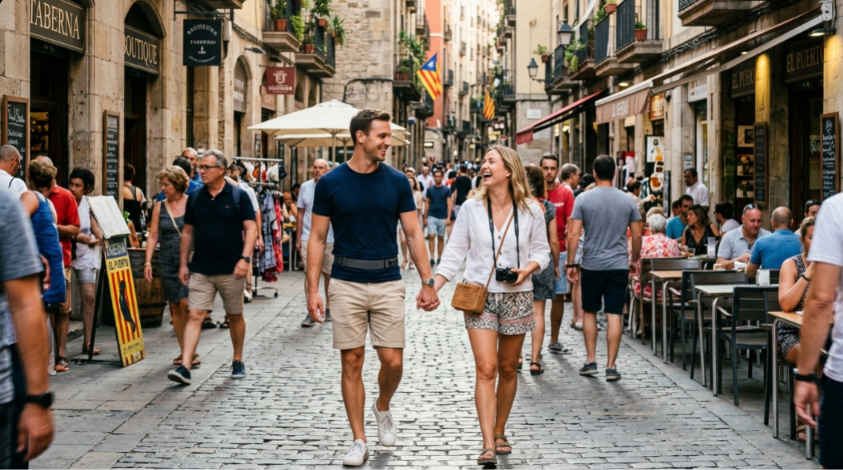
A crossbody bag is not automatically secure. Rotate it to the front in terminals, elevators, markets, public transportation, and queues.
Blocking Cabin Doors
Do not add a portable device to a cruise cabin door unless the cruise line clearly permits it and it cannot delay emergency exit. Ship safety systems and evacuation access must come first.
Frequently Asked Questions
Do I Really Need an Anti-Theft Bag on a Cruise?
Not everyone needs a special bag, but travelers who plan to visit crowded ports may benefit from controlled zippers, close-body carry, and organized compartments. A normal crossbody can also work if it closes fully and stays in front.
Should I Carry My Passport Off the Ship?
It depends on the destination and the instructions for your sailing. Some ports require the original, while others may accept different identification arrangements for cruise passengers. Check the daily notice and official cruise line guidance before leaving the ship.
Is RFID Protection Necessary for a Cruise?
It can be a useful extra for compatible contactless cards, but it does not replace physical security. A closed zipper, controlled bag position, and separate backup card usually provide more practical value.
What Is the Safest Bag Style for Excursions?
A compact crossbody or sling worn in front is often easier to control than a large backpack. For very crowded areas, a slim travel belt can hold a card, cash, and essential identification close to the body.
Make Security Part of the Routine
Travel Smart: Lightweight Anti-Theft Protection for Summer Cruises should feel simple by the second day of your trip. Use the cabin safe, carry fewer valuables, split backups, close every zipper, and move your bag to the front before entering a crowd.
The best setup is not the one with the most gadgets. It is the light system you will use every time you leave the cabin.
The responses below are not provided, commissioned, reviewed, approved, or otherwise endorsed by any financial entity or advertiser. It is not the advertiser’s responsibility to ensure all posts and/or questions are answered.