

A small patio can feel too limited for fruit growing. One chair, a table, a few pots, and suddenly every square foot matters.
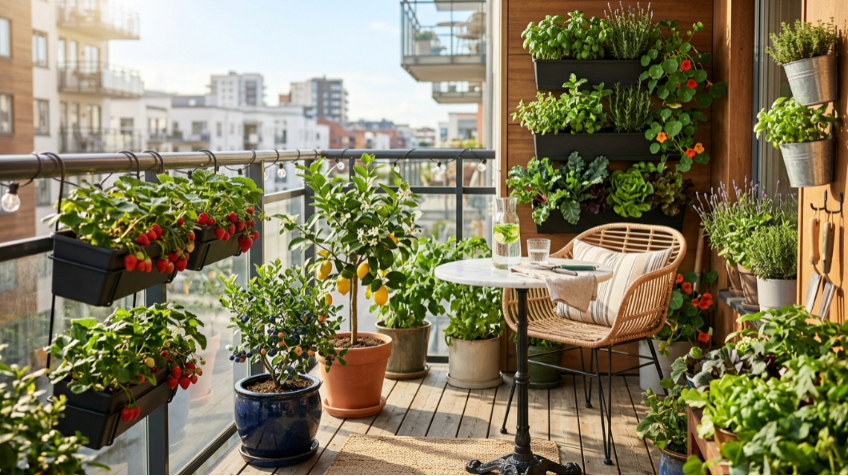
But fruit plants do not need a backyard to earn their keep. With the right containers, pruning habits, sunlight plan, and harvest timing, a patio can produce berries, lemons, figs, tomatoes, and herbs in a steady rhythm.
That is the promise behind smart gardening hacks for continuous fruit harvesting on small patios. The goal is not to grow everything. The goal is to grow the right things in the right order, so something is ripening, flowering, or recovering almost all season.
This guide breaks the process into simple steps. You will learn what to plant, how to space it, how to water it, when to pick, and how to keep your patio productive without turning it into a messy mini-farm.
Why Small Patios Can Produce More Than You Think
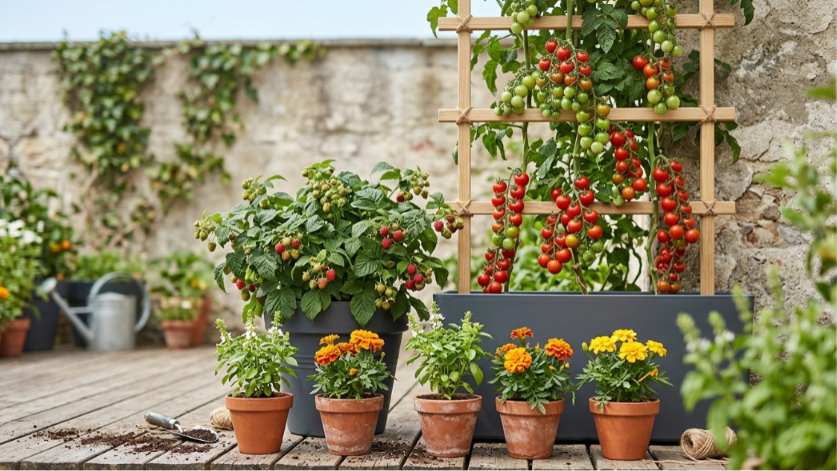
A patio garden has one big advantage: control.
You control the soil. You control the pot size. You can move plants toward the sun, protect them from storms, and spot problems before they spread.
That is why smart gardening hacks for continuous fruit harvesting on small patios often work better than random backyard planting. In a small space, every plant has a job.
A good patio fruit garden uses three layers:
| Patio Layer | Best Use | Example Crops |
|---|---|---|
| Floor space | Deep-rooted fruit plants | Blueberries, dwarf citrus, raspberries |
| Vertical space | Climbers and supports | Strawberries, tomatoes, compact vines |
| Edge space | Small pots and companion plants | Herbs, flowers, lettuce, pollinator plants |
The secret is rotation. You want early fruit, mid-season fruit, late fruit, and plants that keep producing after each harvest.
Start With the Sun Map
Before buying plants, watch your patio for one full day.
Write down where the sun hits at 8 a.m., noon, 3 p.m., and 6 p.m. You may find one hot corner, one bright railing, and one shaded wall.
Most fruiting plants need strong light. For example, the University of Minnesota Extension says strawberries need at least six hours of direct sunlight each day to produce fruit.
Use this simple rule:
| Sunlight Per Day | Best Patio Choice |
|---|---|
| 6+ hours | Strawberries, tomatoes, blueberries, dwarf citrus |
| 4 to 6 hours | Alpine strawberries, herbs, leafy greens |
| Less than 4 hours | Mint, parsley, decorative edibles, shade-friendly herbs |
Do not guess. A plant that gets too little sun may look alive but produce almost no fruit.
Choose Fruit Plants That Fit the Space
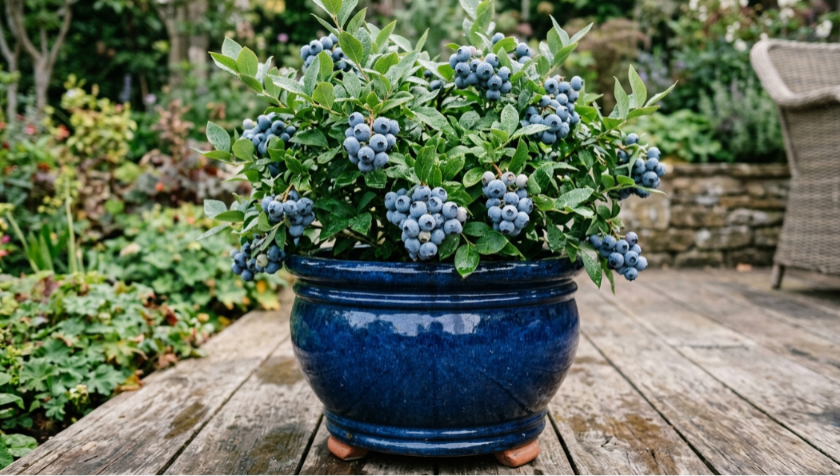
The best patio fruits are compact, repeat-bearing, or easy to prune.
Avoid full-size trees, sprawling melon vines, and plants that need a large root zone. They may grow leaves but leave you with poor harvests.
Better choices include:
| Fruit Type | Why It Works on Patios | Harvest Style |
|---|---|---|
| Strawberries | Compact and easy to tuck into towers or hanging pots | Repeated picking |
| Blueberries | Beautiful foliage and edible fruit | Seasonal harvest |
| Raspberries | Some types fruit more than once | Summer to fall harvest |
| Meyer lemons | Good patio tree for warm zones or indoor winter care | Winter fruit |
| Cherry tomatoes | Fruit often after flowering starts | Frequent picking |
| Figs | Can grow well in large pots | Main crop, sometimes bonus crop |
This is where smart gardening hacks for continuous fruit harvesting on small patios become practical. You are not planting by impulse. You are building a fruit calendar.
A Simple Patio Fruit Calendar
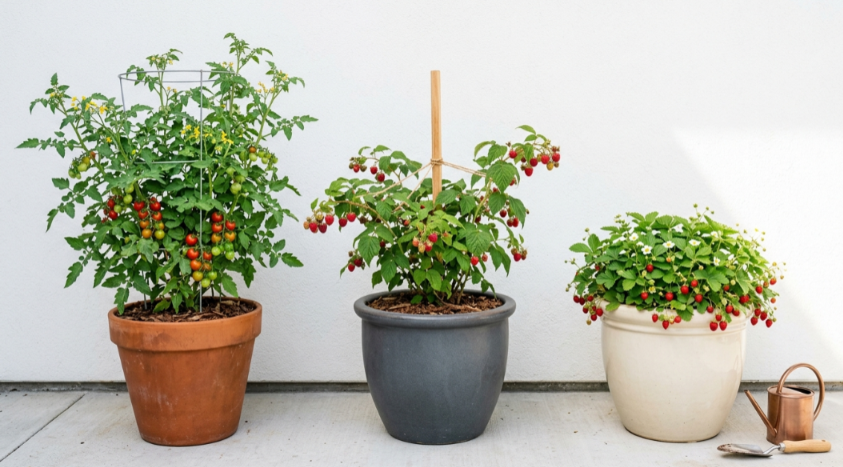
A small space feels more productive when harvests do not all happen at once.
Use this sample calendar as a starting point. Adjust it for your climate.
| Season | What to Focus On | Possible Harvest |
|---|---|---|
| Early spring | Plant berries, refresh soil, prune | Herbs, early strawberries in warm zones |
| Late spring | Feed fruiting plants, add mulch | Strawberries, early blueberries |
| Summer | Pick often, water deeply, train growth | Blueberries, raspberries, tomatoes |
| Late summer | Remove weak growth, keep feeding lightly | Raspberries, strawberries, figs |
| Fall | Protect roots, move tender pots | Late berries, herbs |
| Winter | Bring tender citrus indoors where needed | Meyer lemons |
The goal is not a huge basket every week. It is a steady flow: a handful of berries, a bowl of tomatoes, a lemon for cooking, or enough raspberries for breakfast.
Three Useful Finds for Patio Fruit Gardens
The best products for this topic are not just decorative. They help solve real small-space problems: limited soil, limited sun, and limited harvest windows.
The following three items were verified in the live catalog during research. Prices can change, so check QVC before buying.
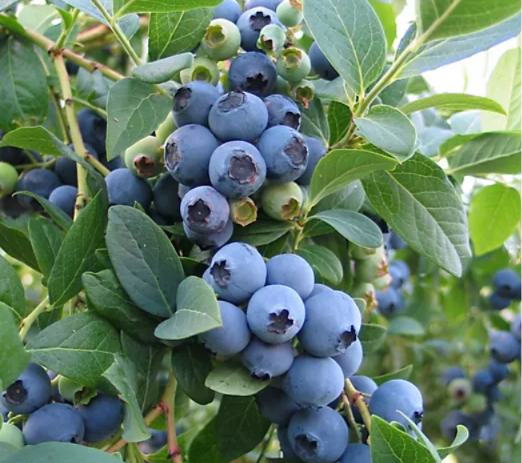
Cottage Farms Sunshine Blue Blueberry Bush
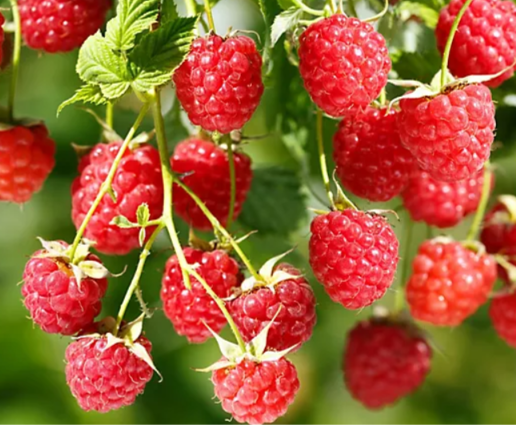
Cottage Farms 1-Piece Summerlong Red Raspberry Live Plant
Roberta's 1pc Quick Fruiting Meyer Lemon Live Patio Tree
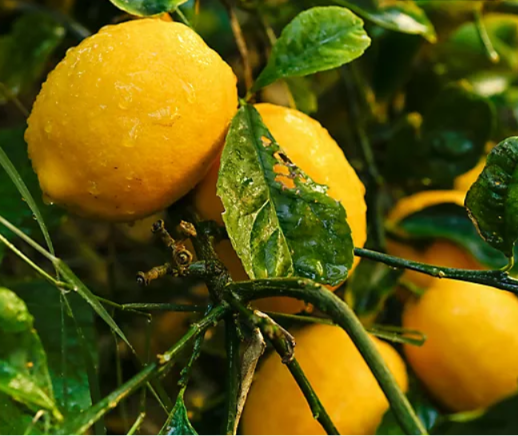
The blueberry bush works well for a larger container because its listing notes garden or large-container use, a 6-inch pot shipment, and zones 6 through 10. The raspberry plant is useful for a longer harvest plan because its listing describes continuous fruiting and container use. The Meyer lemon tree adds a different harvest season because its listing notes summer flowers and winter fruit.
Use the “Three-Pot Harvest System”
If your patio is very small, start with three main pots instead of ten random ones.
Pot One: The Quick Reward Pot
Use this for strawberries or cherry tomatoes.
This pot keeps you motivated because it gives small, frequent harvests. Pick fruit as soon as it ripens so the plant keeps sending energy into new flowers.
Pot Two: The Backbone Pot
Use this for a blueberry bush, raspberry plant, or compact fig.
This plant may need more patience, but it gives structure to the garden. It also makes the patio look intentional rather than crowded.
Pot Three: The Seasonal Surprise Pot
Use this for a Meyer lemon, alpine strawberry, or another compact fruit plant with a different harvest window.
This helps you stretch the season. It also prevents the common patio mistake of planting only summer crops.
Pick the Right Containers
Containers are not just decoration. They decide how much root space, moisture, and stability your fruit plants get.
Use these minimum sizes as a guide:
| Plant | Minimum Container Size | Better Choice |
|---|---|---|
| Strawberries | 8 to 10 inches deep | Tiered planter or hanging basket |
| Blueberries | 16 to 20 inches wide | Large pot with acidic soil mix |
| Raspberries | 18 to 24 inches wide | Deep container with support |
| Meyer lemon | 16 to 24 inches wide | Pot with drainage and room to move |
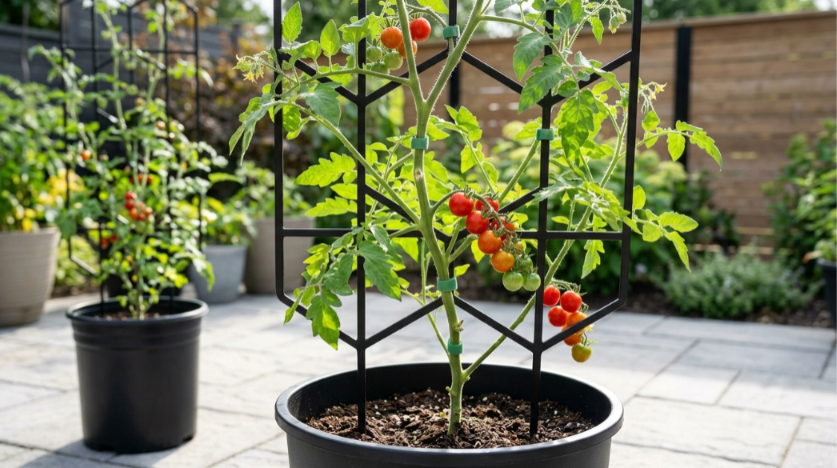
| Cherry tomatoes | 5 gallons | 10 gallons with cage or stake |
| Figs | 15 gallons | Rolling planter for easy moving |
Always choose containers with drainage holes. Fruit roots need moisture, but they also need air.
A pretty pot with no drainage can turn into a root-rot trap.
Build Soil for Fruit, Not Just Leaves
Many beginners use ordinary garden soil in patio pots. That is a mistake.
Garden soil can compact in containers. When soil compacts, water drains poorly and roots struggle to breathe.
Use a high-quality potting mix. Then adjust based on the fruit:
| Fruit Plant | Soil Need |
|---|---|
| Blueberries | Acidic mix, often labeled for acid-loving plants |
| Citrus | Fast-draining mix with steady feeding |
| Strawberries | Rich, loose mix with compost |
| Raspberries | Moist but well-drained mix |
| Tomatoes | Nutrient-rich mix with strong support |
Do not overfeed with nitrogen. Too much nitrogen can create lots of leaves and fewer flowers.
For fruiting plants, the goal is balanced growth: roots, leaves, flowers, and fruit.
Water Like a Grower, Not a Guesser
Small pots dry out fast. Large pots dry out more slowly, but they can stay wet at the bottom.
Check moisture with your finger. If the top inch feels dry, water deeply until water runs from the drainage holes.
In hot weather, patio pots may need daily water. In cool weather, they may need much less.
A simple watering rhythm:
| Weather | Watering Check |
|---|---|
| Cool and cloudy | Every 2 to 3 days |
| Warm and sunny | Daily |
| Hot and windy | Morning and evening check |
| Rainy | Check before watering, do not assume |
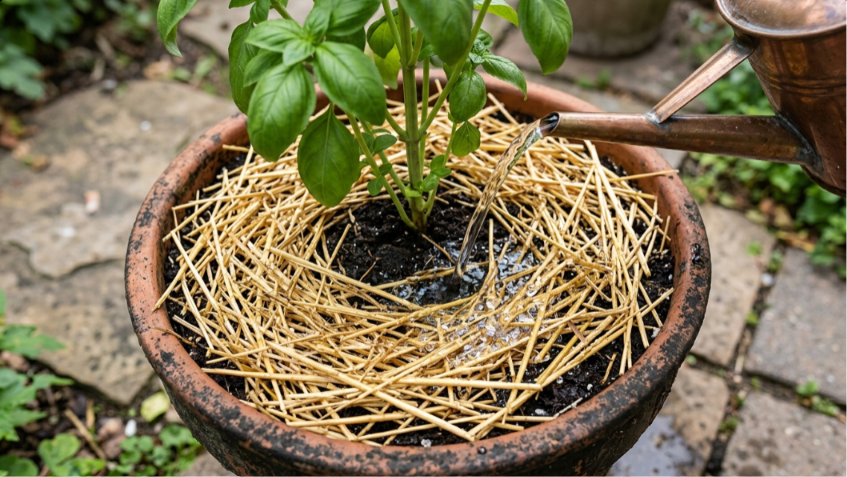
Mulch helps. A thin layer of straw, pine bark, or shredded leaves can slow evaporation and keep roots cooler.
Train Plants Up, Not Out
Vertical growing is one of the best smart gardening hacks for continuous fruit harvesting on small patios.
A plant that sprawls across the floor wastes space. A plant trained upward gets more light, better airflow, and easier picking.
Try these supports:
| Support Type | Best For |
|---|---|
| Small cage | Cherry tomatoes |
| Bamboo stakes | Young raspberries |
| Wall trellis | Compact vines |
| Railing planter | Strawberries and herbs |
| Tiered stand | Small pots with herbs and flowers |
Keep airflow in mind. If leaves are packed too tightly, moisture stays on the plant longer. That can invite mildew and disease.
Harvest Often to Keep Plants Working
A fruiting plant is not a decoration. It responds to picking.
When ripe fruit sits too long, the plant may slow down. Picking also reduces pests and keeps the patio cleaner.
Use this harvest guide:
| Crop | When to Pick |
|---|---|
| Strawberries | Fully red and fragrant |
| Blueberries | Deep blue and easy to roll off the stem |
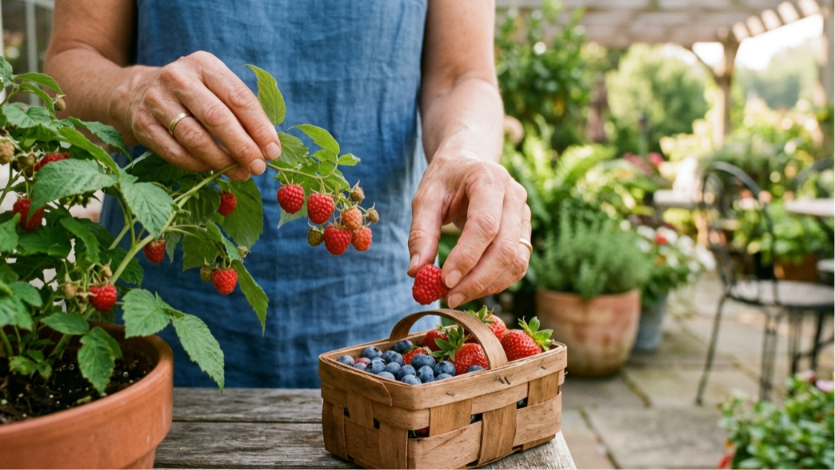
| Raspberries | Soft and easy to pull free |
| Meyer lemons | Fully colored and slightly heavy |
| Cherry tomatoes | Fully colored but still firm |
| Figs | Drooping, soft, and rich in color |
Do not yank fruit. Use scissors for citrus and tomatoes if the stem resists.
Stagger Your Plants for a Longer Season
If you plant three of the same crop on the same day, they may ripen together.
That sounds exciting until you get one busy week and then nothing.
Instead, stagger your harvest with three methods:
| Method | How It Works |
|---|---|
| Mix early, mid, and late varieties | Spreads the harvest window |
| Combine different fruit types | Berries in summer, citrus in winter |
| Add repeat-bearing plants | Encourages smaller, steady harvests |
This is the core of smart gardening hacks for continuous fruit harvesting on small patios: plan for rhythm, not overload.
Add Pollinator Helpers
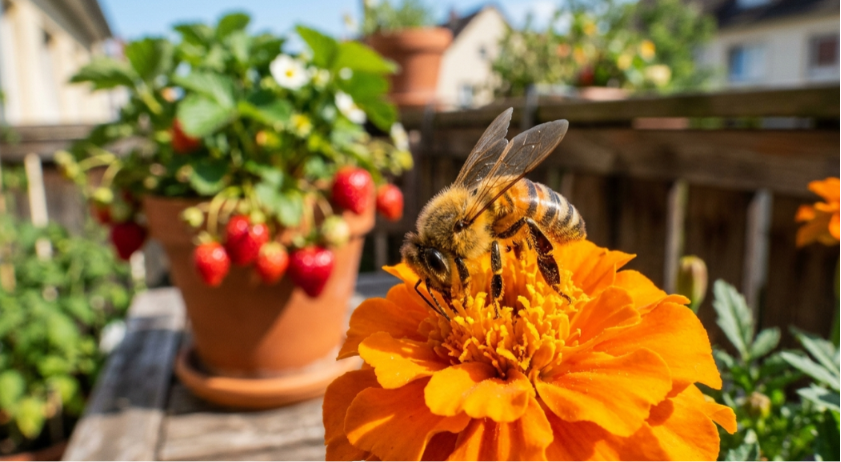
Fruit usually starts with flowers. Flowers often need pollination.
Even self-fertile plants can produce better when bees and other pollinators visit. On a patio, you can help by adding small flowering herbs and annuals.
Good choices include:
| Plant | Why It Helps |
|---|---|
| Basil | Flowers attract bees if allowed to bloom |
| Thyme | Compact and pollinator-friendly |
| Marigolds | Bright, easy, and useful near vegetables |
| Nasturtiums | Edible flowers and trailing growth |
| Lavender | Fragrant and attractive to pollinators |
Place flowers near fruiting plants, but do not crowd the pots. Roots still need space.
Prune for Light and Access
Pruning sounds advanced, but patio pruning is simple.
Remove dead, weak, crossing, or crowded growth. Keep the center of the plant open so light can reach the leaves.
For berries, remove old canes based on the type. For citrus, remove dead twigs and any growth that points inward. For tomatoes, trim lower leaves that touch soil.
Your aim is simple: more light, less mess, easier harvest.
Protect the Patio Surface
Fruit gardening can stain, drip, and attract insects if you ignore cleanup.
Use saucers only when needed, and empty them after watering. Standing water can harm roots and attract mosquitoes.
Place heavier pots on rolling plant caddies. This helps you move plants for sunlight, storms, cleaning, or winter protection.
Use a washable outdoor mat beneath berry pots if your patio surface stains easily.
Common Mistakes That Reduce Harvests
Most patio fruit problems come from a few simple mistakes.
| Mistake | What Happens | Fix |
|---|---|---|
| Too little sun | Leaves grow, fruit stays low | Move pots to the brightest area |
| Tiny containers | Roots dry out and plants stall | Use larger pots |
| Overwatering | Yellow leaves, root stress | Check soil before watering |
| No feeding plan | Weak flowers and poor fruit | Feed lightly but regularly |
| No pruning | Tangled growth and fewer harvests | Remove weak or crowded stems |
| Picking too late | Pests and slower production | Harvest as fruit ripens |
The biggest mistake is buying plants before knowing your space. Measure first, then choose.
A 30-Day Starter Plan
You do not need to build the whole patio garden in one weekend.
Use this simple plan.
| Week | Task |
|---|---|
| Week 1 | Map sunlight, measure space, choose three main pot locations |
| Week 2 | Buy containers, potting mix, supports, and mulch |
| Week 3 | Plant one quick crop, one backbone fruit, and one seasonal fruit |
| Week 4 | Start a watering log, add flowers, and check for pests |
After 30 days, you will know which corner dries fastest, which plant needs support, and which spot gets the best light.
That is better than guessing.
Frequently Asked Questions
What fruit is easiest to grow on a small patio?
Strawberries are often the easiest starter fruit because they fit in hanging baskets, railing planters, and towers.
Cherry tomatoes are also beginner-friendly, though they are botanically fruit and usually treated like vegetables in the kitchen.
Can I grow fruit on a balcony?
Yes, but check weight limits, wind exposure, and drainage rules first.
Use lightweight containers where possible, secure tall plants, and avoid letting water drip onto neighbors below.
How do I keep fruit coming all season?
Mix different harvest windows.
Use strawberries or tomatoes for frequent summer picking, blueberries or raspberries for seasonal bowls, and citrus or figs for a later harvest.
Do patio fruit plants come back every year?
Some do. Blueberries, raspberries, figs, and many strawberries are perennial in the right zones.
Tender citrus may need to come indoors during cold weather.
How many fruit plants should I start with?
Start with three.
One quick producer, one larger fruit plant, and one seasonal plant are enough to learn your patio’s light, wind, and watering pattern.
Can I grow fruit without bees?
Some plants are self-fertile, but pollinators often improve yields.
You can also hand-pollinate some flowers with a small brush, especially tomatoes and strawberries in enclosed spaces.
Final Takeaway
Small patios can be surprisingly productive when every plant has a purpose.
Start with sunlight, choose compact fruit plants, use deep containers, water consistently, and harvest often. Then stagger your crops so one plant is ripening while another is flowering or resting.
That is the real value of smart gardening hacks for continuous fruit harvesting on small patios. You are not trying to copy a backyard orchard. You are creating a compact, beautiful, edible system that fits your space and gives you fresh fruit in steady, satisfying moments.
The responses below are not provided, commissioned, reviewed, approved, or otherwise endorsed by any financial entity or advertiser. It is not the advertiser’s responsibility to ensure all posts and/or questions are answered.