

A detailed Roberta’s Purple Tomato review covering nutrition, GMO safety, flavor, growing value, and a 5-product QVC comparison for gardeners interested in antioxidant gardening and high-density nutrition plants.
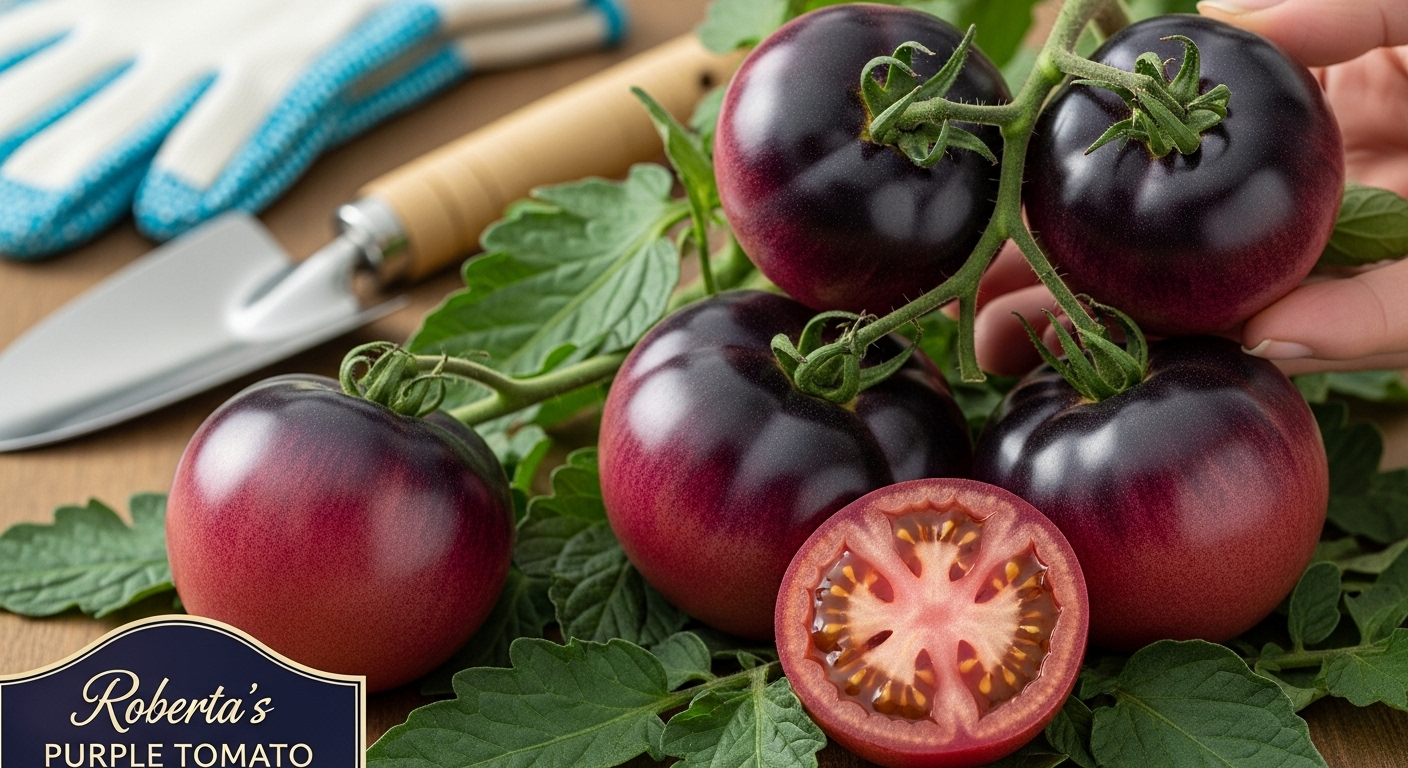
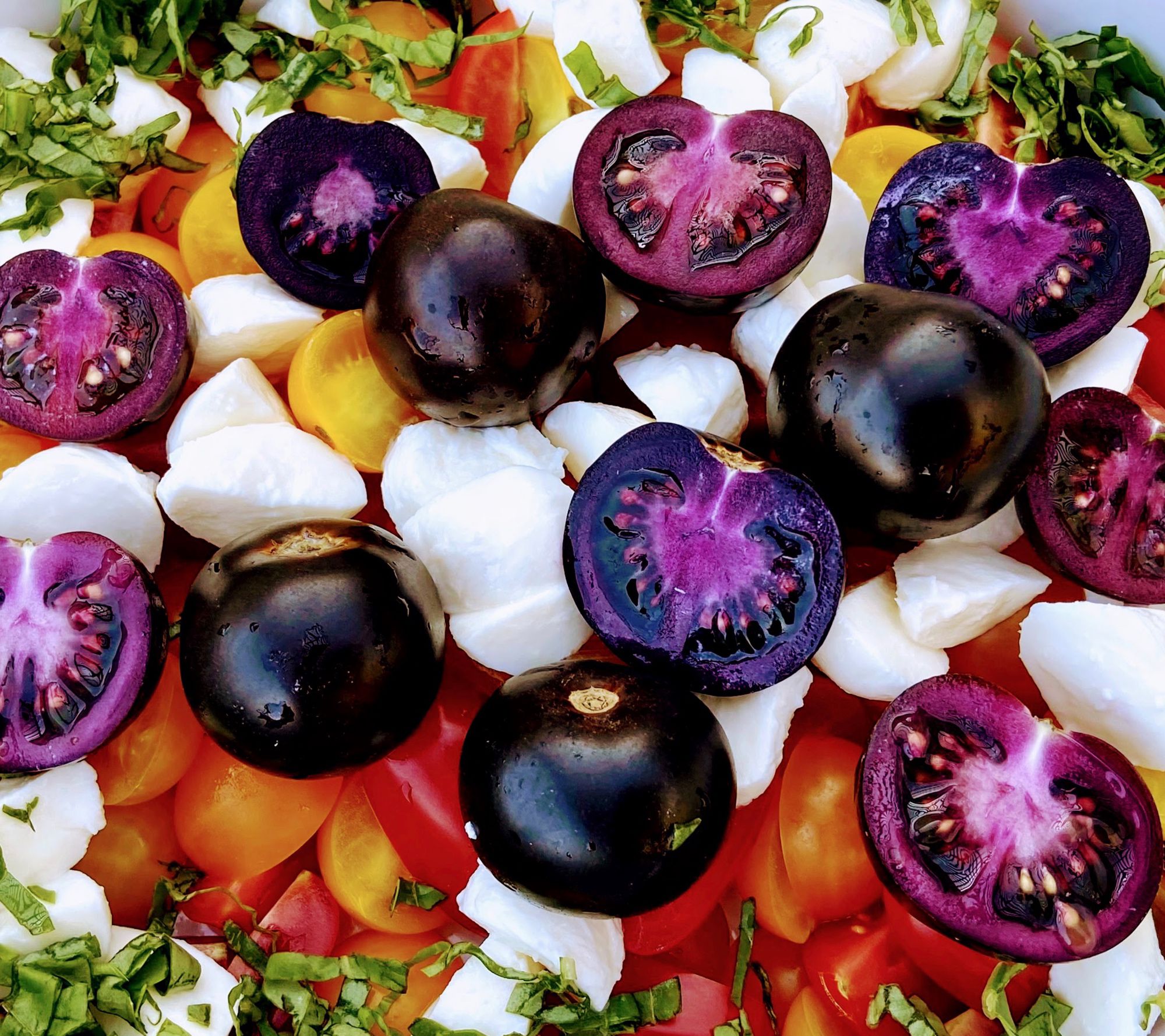
If you love tomatoes but feel like every “superfood” claim sounds the same, this one is worth a closer look. Roberta’s Purple Tomato is not just a novelty plant with darker skin. It is a bioengineered tomato sold on QVC as a live plant, and its purple color runs through the fruit because it was designed to produce elevated anthocyanins, the same pigment family that gives blueberries and blackberries their deep color. As of early 2026, Norfolk Healthy Produce says its Purple Tomato seedlings are officially on QVC through a partnership with Roberta’s.
That makes this Roberta’s Purple Tomato review especially interesting for three reasons. First, it sits at the intersection of gardening and nutrition. Second, it is one of the few consumer-facing examples of a bioengineered food plant being marketed directly to home gardeners in the United States. Third, it taps into a real trend: people want more nutrient-dense produce at home, and they want it in forms they will actually eat. The CDC has reported that only 9% of U.S. adults met vegetable intake recommendations in the data it highlighted, which helps explain why “antioxidant gardening” and “high-density nutrition plants” have become so appealing as content themes and shopping angles.
In simple terms, my verdict is this: the plant is compelling, credible, and genuinely different, but it is best for curious gardeners, container growers, and shoppers who value innovation more than bulk harvest per order. If your goal is maximum tomato volume for the money, QVC has stronger value packs. If your goal is to grow something conversation-starting, science-backed, and visually dramatic, the Purple Tomato stands out.
What Roberta’s Purple Tomato actually is
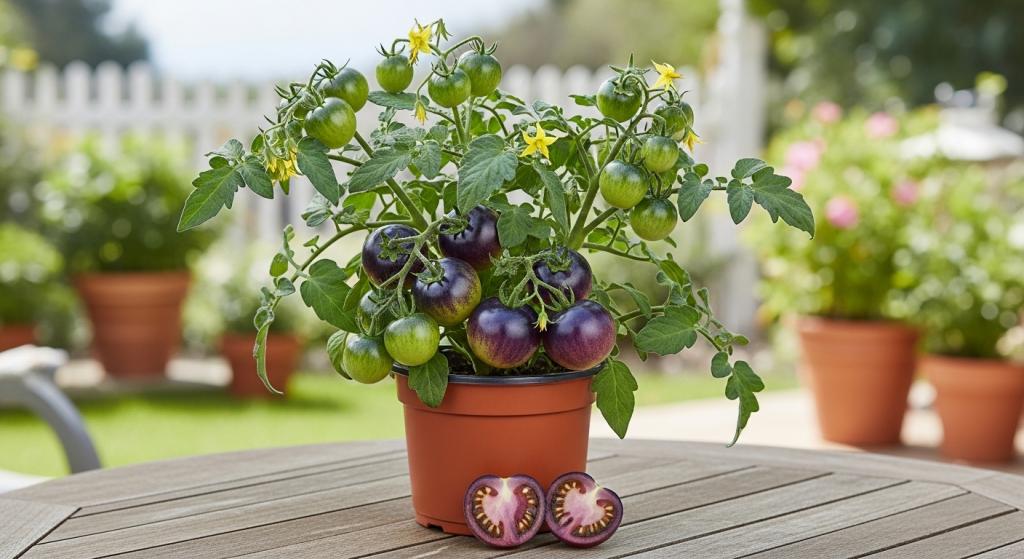
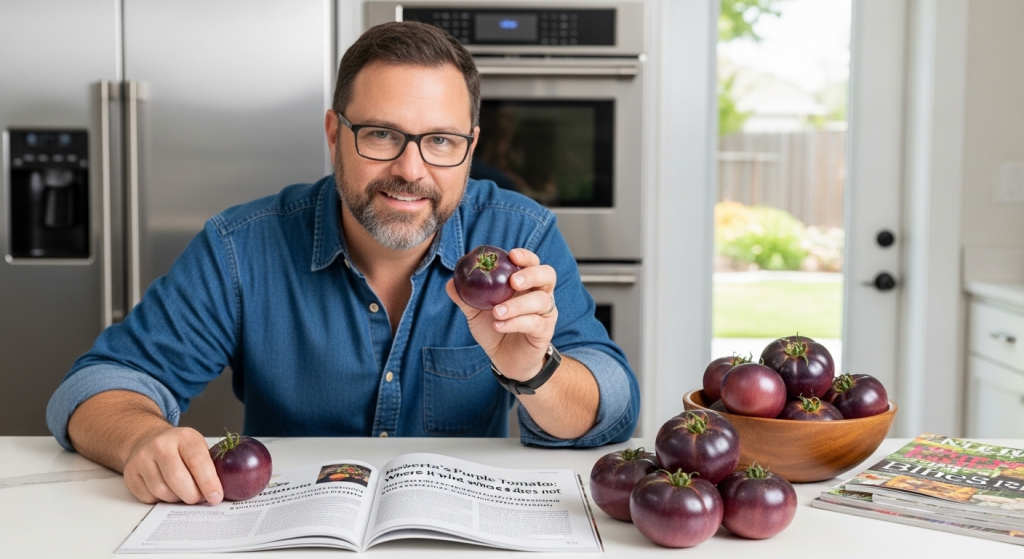
The QVC product page describes Roberta’s 1-Piece Purple Tomato Live Plant as one actively growing live plant for gardens or containers, with fruit that turns from deep green to purple “inside and out.” Norfolk Healthy Produce positions the Purple Tomato as a high-antioxidant tomato with a “deep tomato taste,” and its February 2026 announcement confirms that the seedlings are being sold on QVC through Roberta’s.
This matters because many shoppers assume any purple tomato is simply an heirloom or a dark-skinned variety like Cherokee Purple. That is not the case here. Official U.S. and Canadian regulatory materials identify this tomato as Del/Ros1-N, a tomato developed using Agrobacterium-mediated transformation with the Delila and Rosea1 genes from snapdragon to increase anthocyanin production in ripe fruit. Canada’s 2025 decision document says the fruit has elevated anthocyanin levels and purple coloration throughout the ripe fruit.
So, in a true Roberta’s Purple Tomato review, the first thing to say clearly is this: yes, it is a GMO tomato, and the purple interior is part of the point, not a side effect. That will attract some gardeners and turn off others. But it is better to be precise than vague here.
Does the science support the hype?
The strongest part of the case is regulatory and compositional, not miracle-cure marketing. The USDA’s 2022 Regulatory Status Review concluded that the modified tomato is unlikely to pose an increased plant pest risk relative to its comparator and therefore is not subject to regulation under 7 CFR part 340. In 2023, the FDA’s biotechnology consultation note said it had no further questions at that time regarding the safety, nutrition, and regulatory compliance of human food from Del/Ros1-N tomato. Canada also authorized unconfined release in 2025 after determining it did not present altered environmental risk compared with other tomatoes grown there.
That is a meaningful foundation. It tells you this is not just a flashy product page with a color gimmick. There has been formal regulatory review in multiple jurisdictions.
Where the marketing needs more restraint is on the consumer health side. A major review of anthocyanins found clinical studies showing associations with lower inflammation markers, improved vascular function, and potential effects on glucose homeostasis and cognition. A separate peer-reviewed tomato study reported that anthocyanin enrichment significantly extended shelf life and reduced susceptibility to gray mold in purple tomatoes. Those are promising signals. But that is not the same as saying this specific QVC plant has proven, unique human clinical benefits on its own. That final point is an inference from the available documents, which focus on safety, composition, and broader anthocyanin science rather than a dedicated human outcomes trial for this product.
Quick science snapshot
| Metric | What the evidence says | Why it matters |
|---|---|---|
| U.S. regulatory status | USDA found no plausible increased plant pest risk | Supports cultivation confidence |
| Food safety review | FDA had no further questions on safety and nutrition | Supports food-use credibility |
| Canada status | Authorized for unconfined release in 2025 | Adds another formal review |
| Anthocyanin function | Clinical literature links anthocyanins with beneficial health signals | Supports the nutrition angle |
| Shelf life research | Anthocyanin-rich tomatoes showed significantly extended shelf life in a peer-reviewed study | Suggests practical benefit beyond color |
Flavor, cooking use, and garden appeal
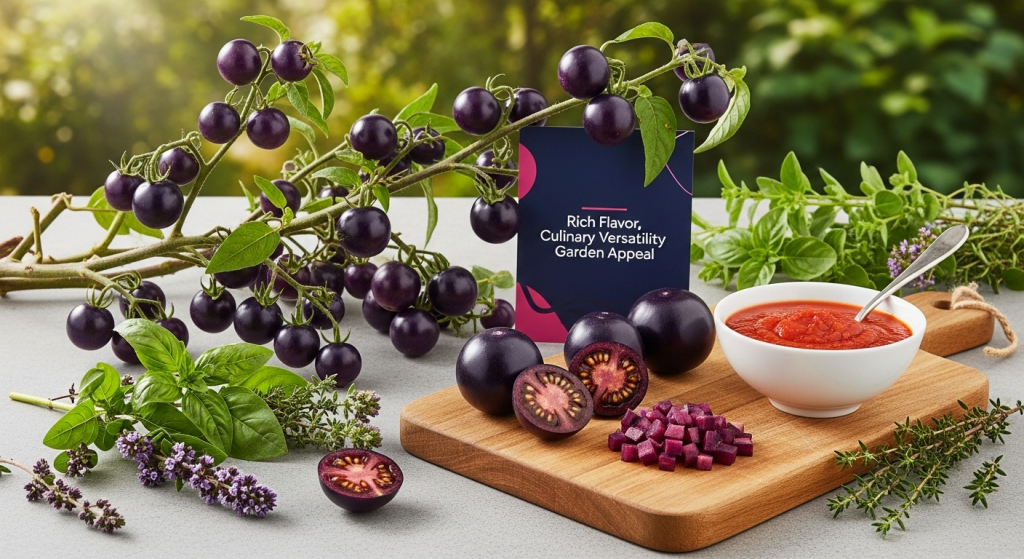
QVC positions the plant as both ornamental and edible, which is smart. The product page emphasizes dramatic purple fruit and added antioxidants, while Norfolk describes the fruit as having a “deep tomato taste.” That combination matters because many nutrition-forward products fail when they are interesting on paper but disappointing on the plate.
For cooking, this tomato appears strongest in fresh applications. Salads, tomato boards, open-face sandwiches, and caprese-style plating are where the color does the most work. A sauce made from purple tomatoes can still be useful, but much of the wow factor comes from the visual contrast of the fruit itself. If your audience cares about antioxidant gardening, the Purple Tomato has a built-in storytelling edge because it looks different before anyone reads the science.
From a growing perspective, Roberta’s listing says it works in both garden beds and containers. That makes it accessible for patio gardeners and small-space growers, not just backyard growers with large vegetable plots. This is one reason it fits the broader theme of high-density nutrition plants. You are not buying a sprawling collection. You are buying one unusual plant with a distinct use case and a strong content hook.
Where it wins, and where it does not
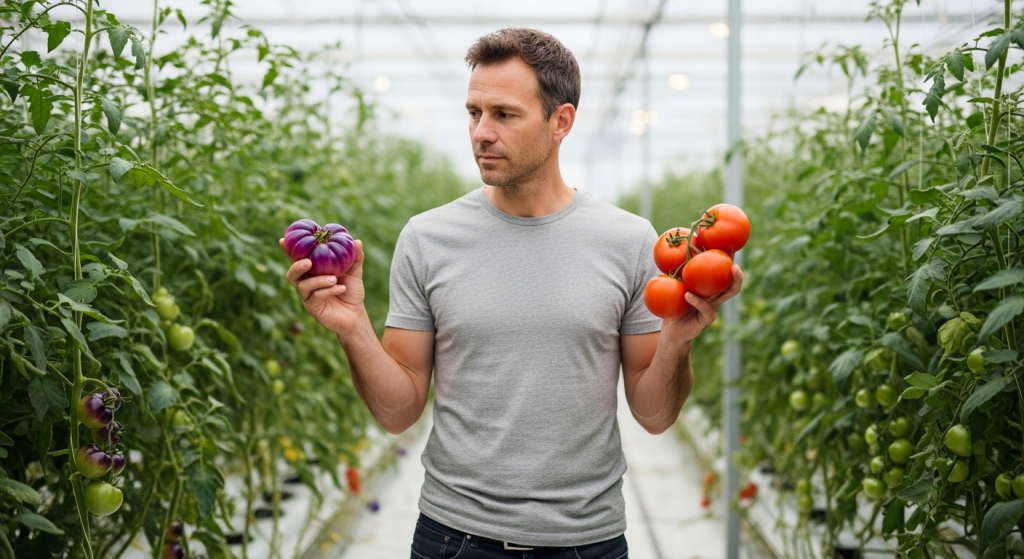
A balanced Roberta’s Purple Tomato review should say this plainly: the plant’s biggest strength is differentiation. It gives you a real nutrition story, a real biotech story, and a real aesthetic story in one product. Many “superfood” garden items only manage one of those.
Its biggest weakness is value density per shipment. The QVC listing is for one live plant. If you are a practical grower comparing output per order, QVC’s three-plant tomato packs are the better buy for sheer volume and variety. That does not make the Purple Tomato overpriced by definition, but it does make it a more specialized purchase.
Another limitation is audience fit. Some readers will love the science and have no issue with a GMO tomato. Others will skip it on principle. This is exactly why your article should not pretend the debate does not exist. The better editorial move is transparency: explain what it is, explain the reviews and approvals, and let the shopper decide.
QVC comparison, 5 similar products worth checking
If someone lands on this article from a shopping mindset, they need context. Here is the cleanest comparison of five similar QVC garden products, with Roberta’s Purple Tomato placed where it belongs, as the most distinctive plant, not automatically the best value.

| QVC product | What you get | Best for | Main difference from Purple Tomato |
|---|---|---|---|
| Roberta’s 1-Piece Purple Tomato Live Plant | One live plant | Gardeners who want novelty, color, and a nutrition story | The only anthocyanin-focused purple-flesh option in this set |
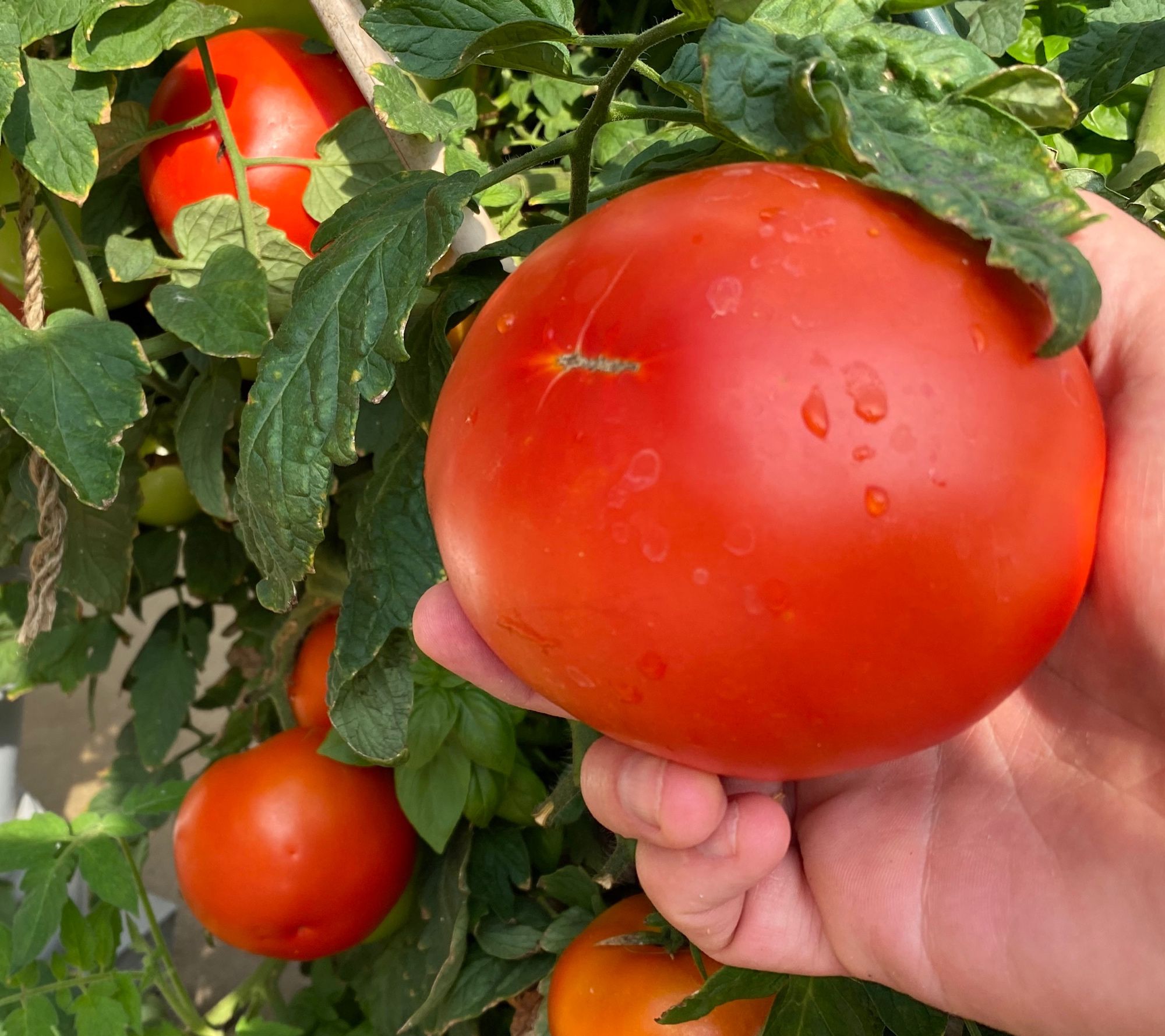
| Roberta’s 3-Piece Beefsteak Tomatoes Live Plants | Three Galahad beefsteak plants | Bigger slicing harvests | Better volume, less uniqueness |
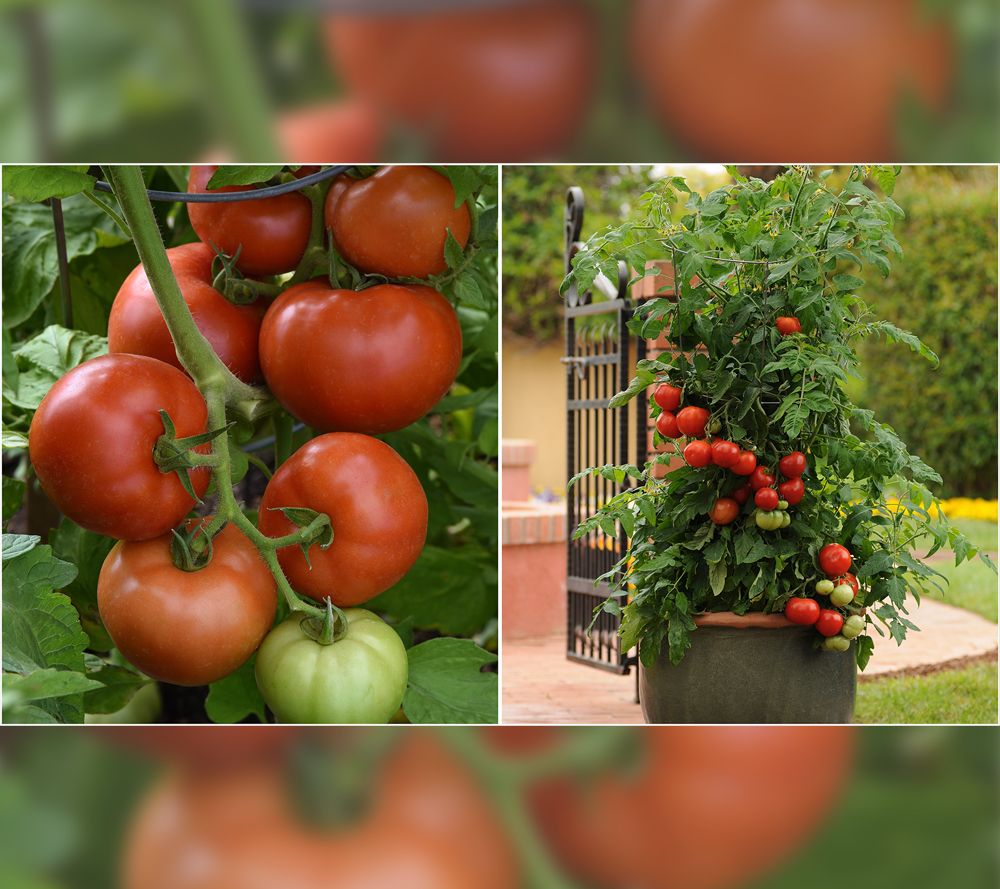
| Roberta’s 3-Piece Tomato Variety-Pack Live Plants | Galahad beefsteak, Celebrity slicer, Party Ball red cherry | Mixed-use home growers | Best balanced starter pack |
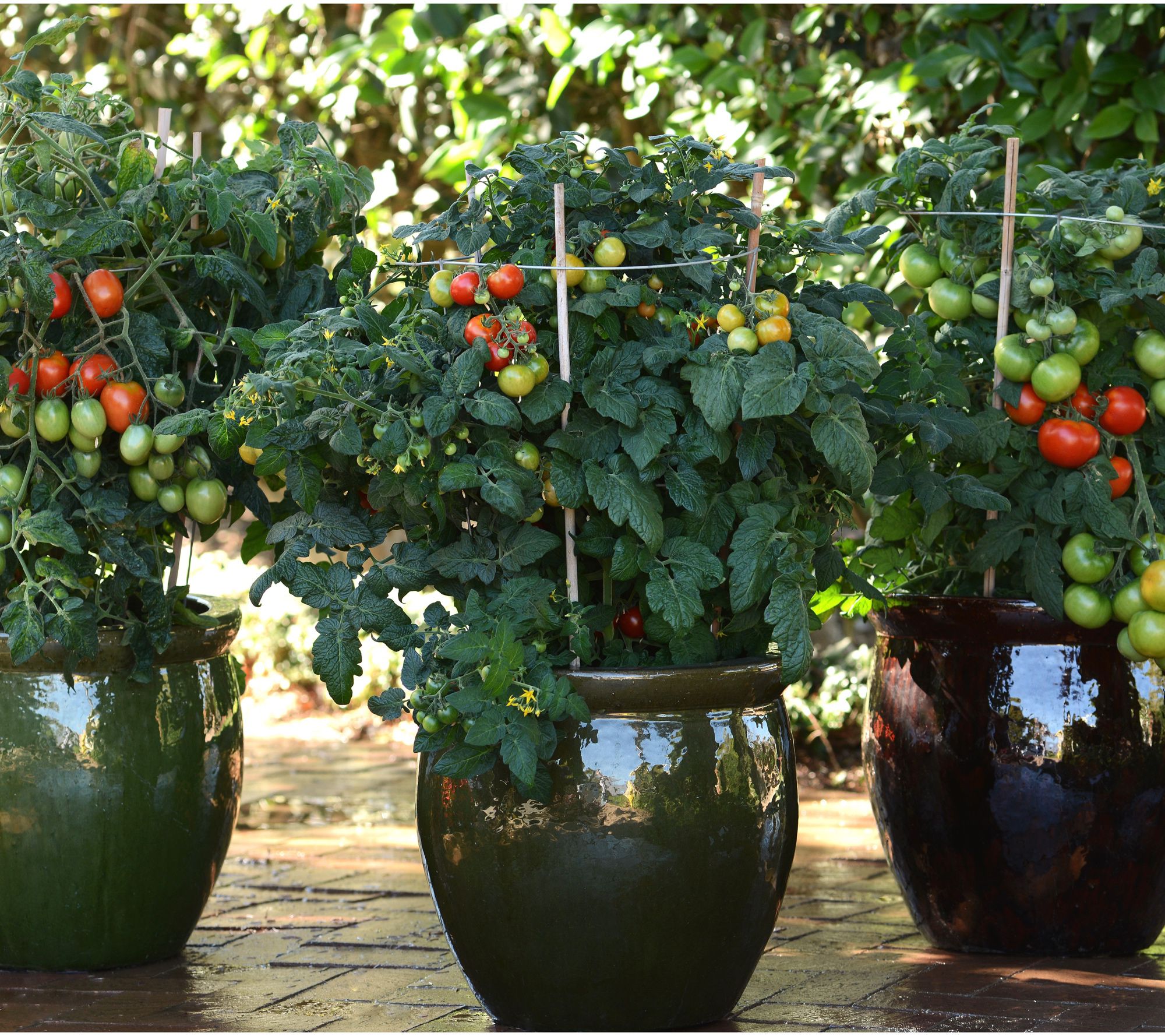
| Roberta’s 3-Piece Tomato Lover’s Variety Pack Live Plants | Bush Champion II, Celebrity Slicer, Little Bing Cherry | Fast-growing patio growers | Stronger productivity angle |
| Roberta’s 4pc Caprese Salad Tomato & Basil Garden Live Plants | Two Mountain Man tomatoes, two Rutger’s Passion basil | Cooks who want an easy culinary combo | More recipe-ready, less science-driven |
This comparison is drawn from the live QVC product pages currently surfaced for these items. Availability can change by season.
For most shoppers, the smartest way to frame the choice is simple. Choose the Purple Tomato if you want a story-rich flagship plant. Choose the Variety-Pack or Tomato Lover’s pack if you want more everyday utility. Choose the Caprese set if your priority is summer cooking convenience.
Final verdict
So, is Roberta’s Purple Tomato worth it?
Yes, for the right buyer. This Roberta’s Purple Tomato review comes down on the positive side because the product is not empty hype. It has a real scientific backstory, real regulatory review, and a clear point of difference in the QVC garden lineup. It is a strong editorial pick for readers interested in antioxidant gardening, GMO food innovation, and high-density nutrition plants.
Still, it is not the universal best tomato purchase on QVC. It is the most interesting one. If you want maximum harvest, go with a multi-plant tomato pack. If you want the plant people ask about, photograph, and remember, the Purple Tomato is the standout.
The best next step for the reader is practical: decide whether you are shopping for yield, kitchen versatility, or novelty with nutrition appeal. If your answer is the third one, Roberta’s Purple Tomato is the QVC plant I would put at the top of the shortlist.
The responses below are not provided, commissioned, reviewed, approved, or otherwise endorsed by any financial entity or advertiser. It is not the advertiser’s responsibility to ensure all posts and/or questions are answered.