

Finding the perfect mattress can feel like searching for a needle in a haystack. With countless brands, materials, and firmness levels available, choosing the right mattress can be overwhelming. But your sleeping style—whether you’re a back, side, or stomach sleeper—plays a pivotal role in ensuring a restful night. The right mattress not only supports your body but also improves your sleep quality, energy, and overall well-being.
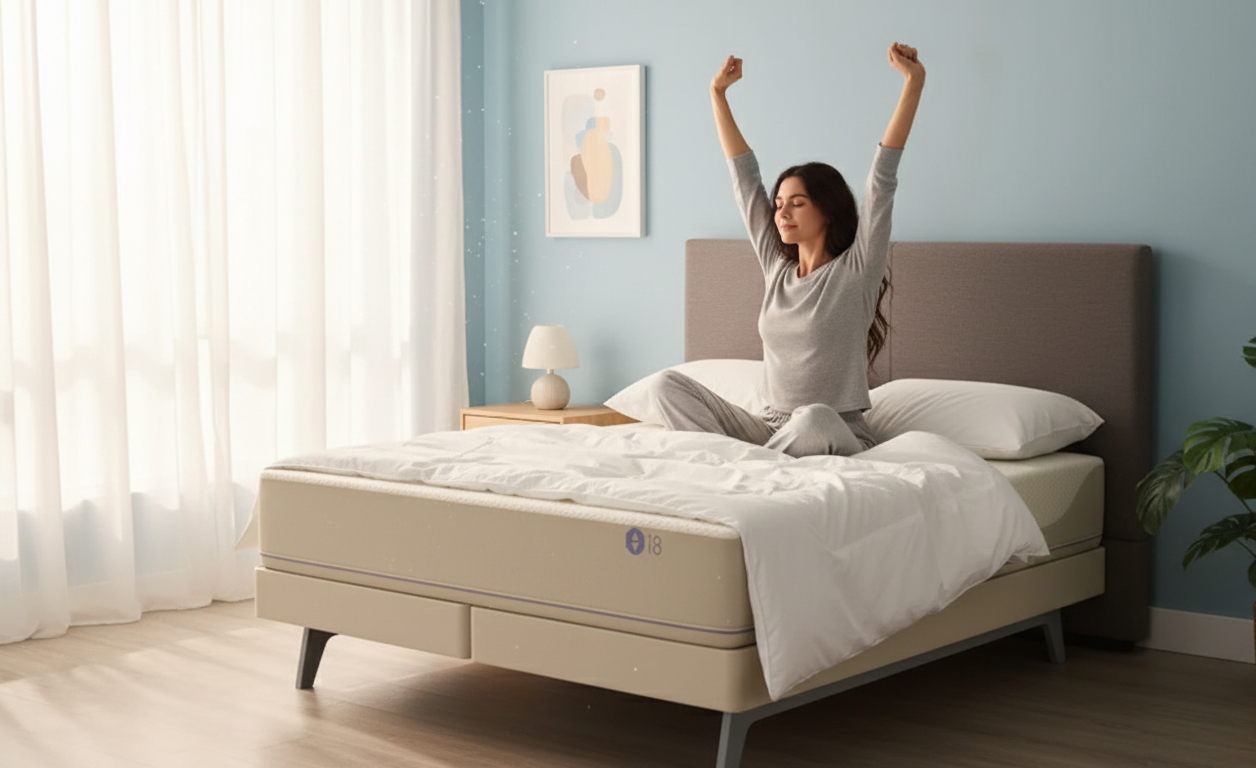
In this guide, we’ll walk you through everything you need to know to select the perfect mattress for your sleeping style, including expert tips, brand recommendations, and actionable advice to transform your sleep.



Popular Mattress Brands and Their Strengths
Choosing a reliable brand ensures quality, warranty, and support. Here are four notable options:
SleepNumber
Best For: Adjustable firmness and customizable comfort.
Sleep Number mattresses allow you to change firmness levels on each side, making it perfect for couples with different sleeping preferences. Their innovative technology tracks sleep patterns and offers personalized recommendations.
Mattress Firm
Best For: Wide selection and in-store testing.
With numerous options across memory foam, hybrid, and innerspring mattresses, Mattress Firm provides a hands-on experience. Their knowledgeable staff can help you find a mattress tailored to your sleeping style.
Helix
Best For: Personalized hybrid mattresses.
Helix offers a quiz to match your sleeping style with the perfect mattress. Options include tailored support for side, back, stomach, and combination sleepers, making it easy to find a mattress designed specifically for you.
Leesa

Best For: Eco-friendly foam mattresses.
Leesa’s mattresses combine memory foam and breathable materials for optimal comfort. Known for motion isolation and pressure relief, they are ideal for side and combination sleepers who need soft yet supportive beds.
The Connection Between Mattress and Sleeping Style
Your sleeping style determines which type of support and comfort your body needs:
- Side Sleepers: Require a softer mattress that cushions shoulders and hips. Pressure relief is key to preventing joint pain.
- Back Sleepers: Benefit from a medium-firm mattress that supports the spine while maintaining natural curvature.
- Stomach Sleepers: Need a firmer mattress to prevent lower back strain and maintain spinal alignment.
- Combination Sleepers: Should look for a mattress that balances comfort and support across multiple positions.
Choosing the wrong mattress can lead to poor sleep, aches, and long-term back problems. Identifying your primary sleeping style is the first step toward making an informed choice.
Key Mattress Features to Consider
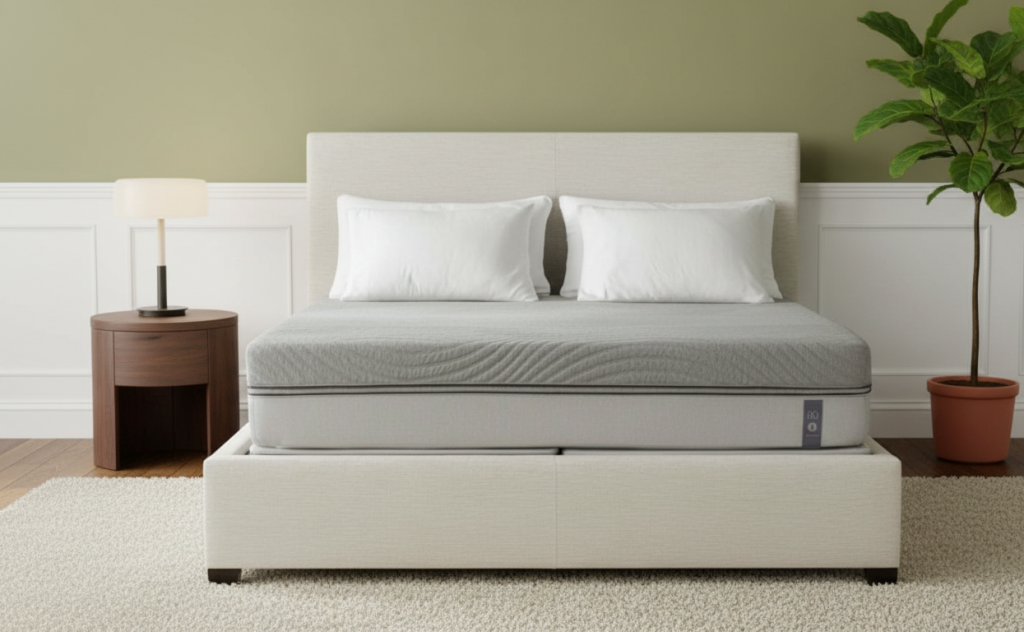
When shopping for a mattress, focus on these essential features to ensure comfort and longevity:
1. Firmness Level
- Soft: Ideal for side sleepers, provides pressure relief at shoulders and hips.
- Medium: Best for back sleepers, balances support and comfort.
- Firm: Suitable for stomach sleepers, prevents sagging and maintains spinal alignment.
2. Mattress Material
| Material | Pros | Cons | Best For |
|---|---|---|---|
| Memory Foam | Contours to body, reduces motion transfer | Can retain heat | Side & combination sleepers |
| Innerspring | Bouncy, cooler, durable | Less contouring support | Back & stomach sleepers |
| Hybrid | Combines foam & coils for support & comfort | Often pricier | Most sleeping styles |
| Latex | Eco-friendly, responsive, hypoallergenic | Firmer feel, heavier | Back & side sleepers |
3. Temperature Regulation
If you sleep hot, look for breathable materials such as gel-infused foam, latex, or innerspring hybrids. Proper airflow can improve sleep quality and prevent night sweats.
4. Motion Isolation
Couples often prefer mattresses that reduce motion transfer. Memory foam and hybrid models excel at minimizing disturbances.
5. Edge Support
Strong edge support allows you to use the entire mattress surface comfortably, which is particularly important for heavier sleepers or couples.
How to Match Your Mattress to Your Sleeping Style

Side Sleepers
- Look for plush or medium-soft mattresses.
- Memory foam or hybrid mattresses offer excellent pressure relief.
- Ensure the mattress cushions shoulders and hips while keeping the spine aligned.
Back Sleepers
- Choose medium-firm mattresses that support the lumbar region.
- Latex or hybrid options help maintain spinal curvature.
- Avoid overly soft mattresses, which can cause lower back strain.
Stomach Sleepers
- Opt for firm mattresses to prevent sagging.
- Hybrid or innerspring mattresses provide the necessary support.
- Avoid deep memory foam beds that can cause the midsection to sink.
Combination Sleepers
- Seek a balanced medium mattress with adaptive support.
- Hybrid or responsive foam mattresses adjust well to different positions.
- Prioritize durability and edge support for versatile sleeping positions.
Expert Tips for Choosing the Right Mattress
- Test Before You Buy: If possible, try the mattress in-store or use brands that offer extended sleep trials.
- Consider Your Partner: If you share your bed, focus on motion isolation and split-firmness options.
- Factor in Body Weight: Heavier individuals may need firmer mattresses for support, while lighter sleepers may prefer softer options.
- Check Return and Trial Policies: Look for at least a 90-day trial period to ensure the mattress works for your sleeping style.
- Maintain Your Mattress: Rotate every 3–6 months and use a mattress protector to extend lifespan.
Common Mistakes to Avoid
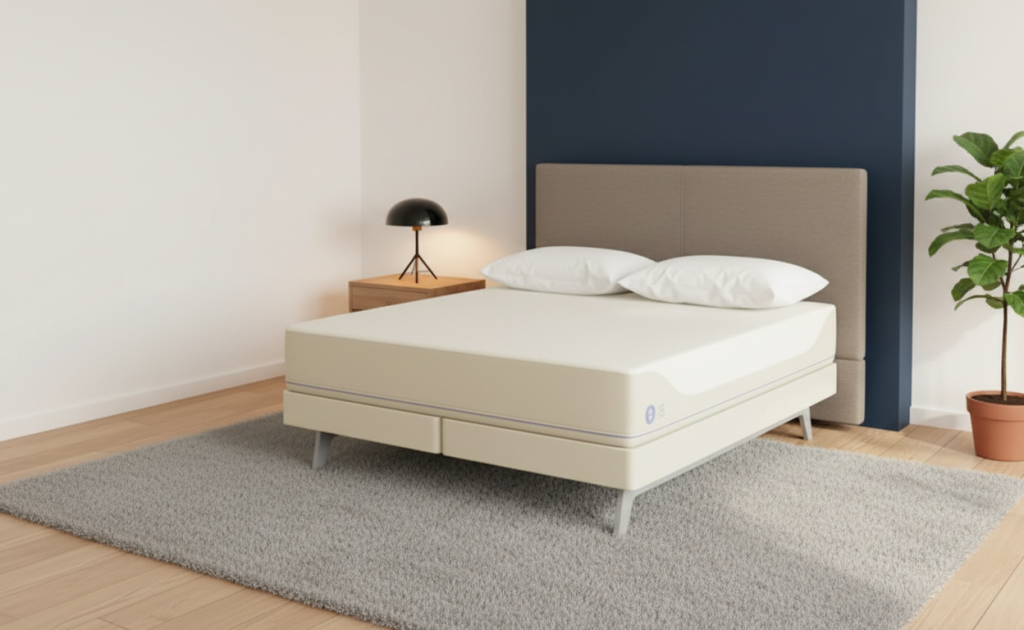
- Choosing a mattress based solely on price or brand reputation.
- Ignoring your sleeping style and body type.
- Overlooking warranty and return policies.
- Buying a mattress that is too firm or too soft without testing it first.
Frequently Asked Questions
Q: How do I know my sleeping style?
A: Observe which position you naturally fall into when you’re relaxed: back, side, or stomach. Most people have a dominant style, but combination sleepers may alternate positions throughout the night.
Q: How long should a mattress last?
A: On average, a high-quality mattress lasts 7–10 years. Hybrid and innerspring models may last slightly longer with proper care.
Q: Can I sleep better with the wrong mattress?
A: Poor support or incorrect firmness can lead to back pain, tossing and turning, and disrupted sleep, even if the mattress seems comfortable initially.
Q: Do I need a mattress topper?
A: Toppers can enhance comfort, but they shouldn’t replace a mattress that doesn’t support your sleeping style. Choose a topper for added softness or pressure relief.
Conclusion: Transform Your Sleep with the Right Mattress

Choosing the perfect mattress for your sleeping style is an investment in your health, productivity, and well-being. By considering your sleeping position, body type, and personal comfort preferences, you can find a mattress that provides proper support and pressure relief.
Start by identifying your sleeping style, explore trusted brands like SleepNumber, Mattress Firm, Helix, and Leesa, and test your options with care. Remember, quality sleep is not a luxury—it’s essential. With the right mattress, better sleep is just a night away.
The responses below are not provided, commissioned, reviewed, approved, or otherwise endorsed by any financial entity or advertiser. It is not the advertiser’s responsibility to ensure all posts and/or questions are answered.



Comments 2 comments
Love that SleepNumber lets you adjust each side differently. Finally, no more fighting over mattress firmness with my husband😂
Never realized how much my sleeping style affects mattress choice. Definitely something to think about