

If your hair feels rougher, duller, or more brittle after months of hot tools, color touch-ups, dry indoor air, and friction from hats and scarves, that is not just in your head. Hair weathering builds over time, and research shows that heat, chemical processing, UV exposure, and everyday styling all contribute to weaker, more porous strands that are more likely to break.
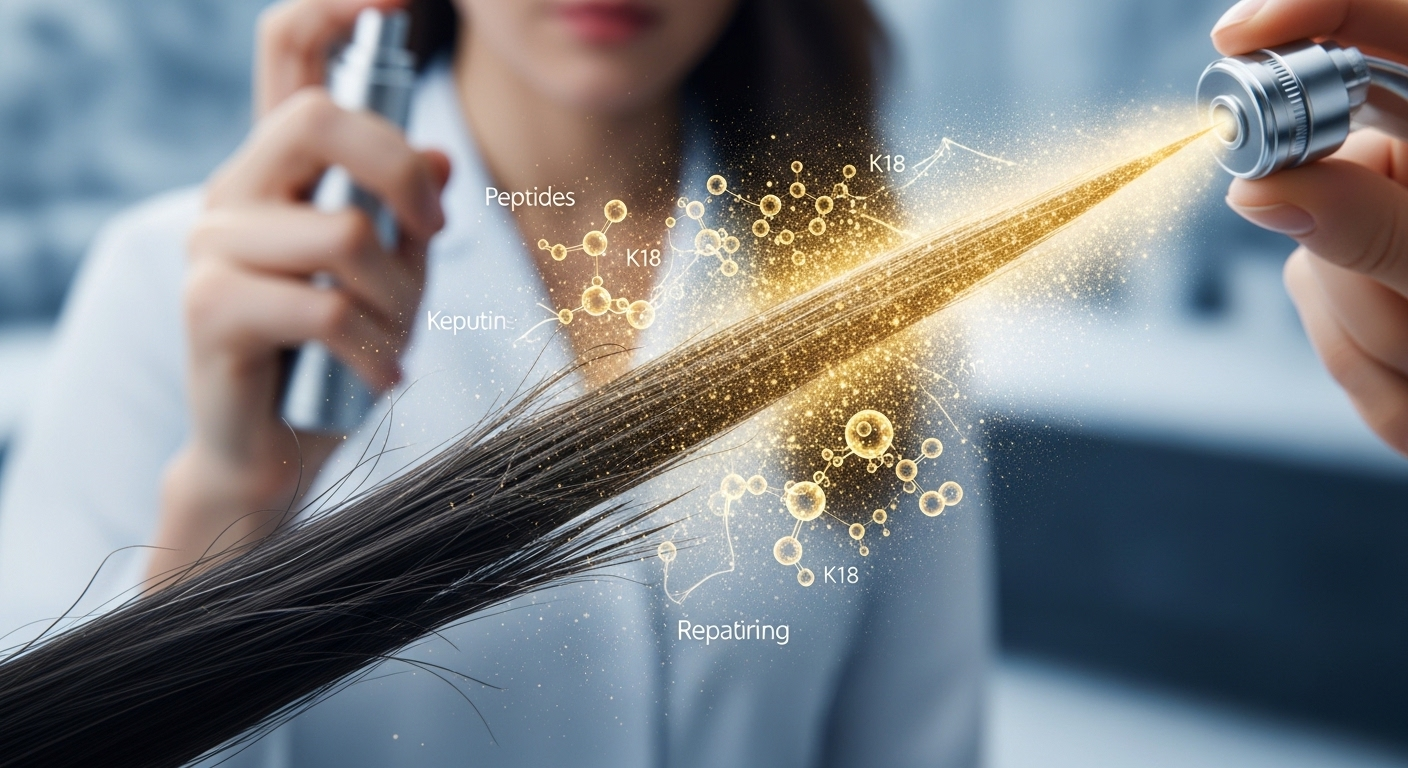
That is exactly why hair peptide technology has become such a strong talking point in modern hair care. The promise is simple: instead of only coating damaged hair so it feels smoother for a day, newer formulas aim to support the hair fiber more deeply. Among the brands leading that conversation, K18 science-based beauty stands out because the company says its biotech-developed K18PEPTIDE works at a molecular level and was built to match hair’s keratin structure.
Still, smart shoppers should separate good science from oversized expectations. Peer-reviewed reviews note that the visible hair fiber is made of dead cells, which means damaged lengths cannot be biologically “healed” in the same way living skin can. What products can do is improve feel, reduce breakage, support elasticity, lower friction, and make weathered hair look and behave more like healthier hair. That nuance matters when people talk about reversing hair damage.
What hair peptide technology actually means
In plain English, hair peptide technology tries to use short chains of amino acids, or peptide-based systems, to interact with the hair fiber in a more targeted way than a standard conditioning mask. K18 says its patented peptide was developed through biotechnology, “matches and clicks into” hair’s keratin structure, and reconnects damage sites tied to polypeptide chains and disulfide bonds. The brand also says the formula works in four minutes and is designed for all hair types.
That brand story fits a real hair-science problem. Research on hair weathering shows that repeated stress can lift the cuticle, expose the cortex, reduce shine and elasticity, and increase breakage. Other reviews note that common damage triggers include bleaching, dyeing, perms, hot tools, brushing, and harsh environmental exposure.
So, when readers search for hair peptide technology, what they usually want to know is this: can it do more than make my hair feel silky for one wash? The honest answer is that some advanced treatments may offer more durable structural support than a basic rinse-out conditioner, but they still work on an already-dead fiber. That means results are best understood as stronger-feeling, smoother, more resilient hair, not a full rewind to untouched virgin hair.
Can K18 science-based beauty really help with reversing hair damage?
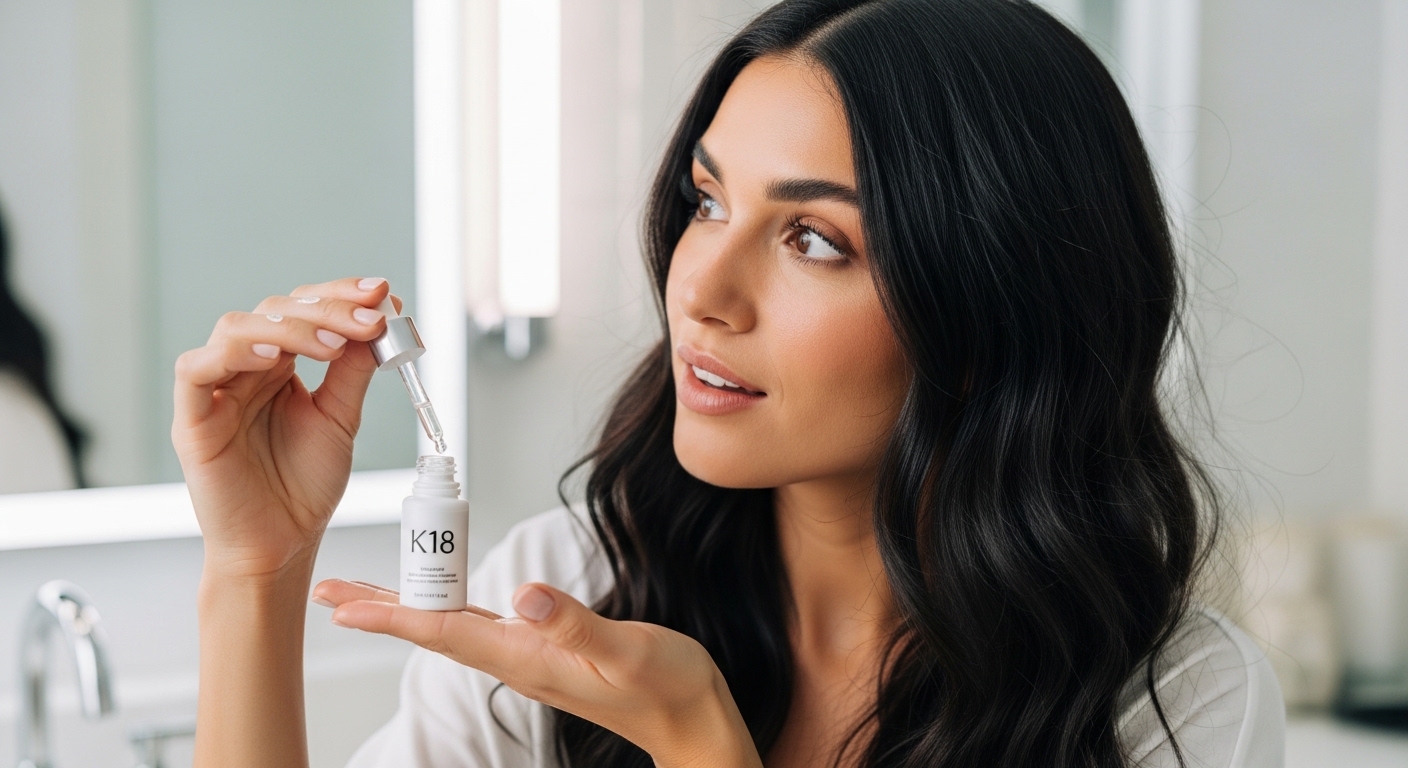
The short answer is yes, with a reality check.
K18 science-based beauty is compelling because the company has built a clear mechanism around its hero claim. On its official science page, K18 says its peptide repairs hair at a molecular level across polypeptide chains and disulfide bonds, and that the molecule is biomimetic and optimized for human biology. On the product page for its hero mask, K18 says the leave-in formula can help repair bleach, color, chemical-service, and heat damage, with immediate and lasting results.
That is stronger and more specific language than the average “repair” shampoo. It is also why K18 science-based beauty has become shorthand for a more biotech-driven category in hair care. The brand is not just selling softness. It is selling a model of repair that tries to address the internal architecture of the strand, at least according to its own science pages and product claims.
But there is another side to the story. In peer-reviewed hair science, damage is cumulative and physical. Once ends are badly split or overly eroded, no topical product can permanently restore them to brand-new biological condition. That means the phrase reversing hair damage should be treated as a performance claim about breakage, elasticity, manageability, and feel, not a promise that every damaged inch becomes untouched hair again.
That does not make the category useless. Far from it. It makes it easier to shop smart. If your main issue is recent heat stress, chemical processing, rough texture, loss of bounce, and ongoing breakage, a treatment like K18 may fit well into your routine. If your issue is severe split ends, over-processed lengths, or shedding from the scalp, you may still need a trim, gentler habits, or a dermatologist, depending on the problem.
Where K18 seems strongest
K18 is most convincing for shoppers who want a lightweight leave-in, want a faster treatment step, and want a formula centered on hair peptide technology rather than a rich, buttery mask texture. Its official directions are also distinct: shampoo, skip conditioner first, towel dry, apply 1 to 3 pumps, wait four minutes, then style. That gives it a very different user experience from heavier weekly masks.
Where a different formula may be better
Not everyone wants a peptide-first leave-in. Some shoppers need richer slip, more moisture, or a once-weekly mask that feels more traditional. Others may want a product designed for fine hair, thick hair, or a very specific concern like softness, detangling, or color-safe moisture support. That is where a broader QVC comparison helps.
QVC comparison: 5 similar damage-repair products to consider
| Product | Format | Best for | What stands out |
|---|---|---|---|
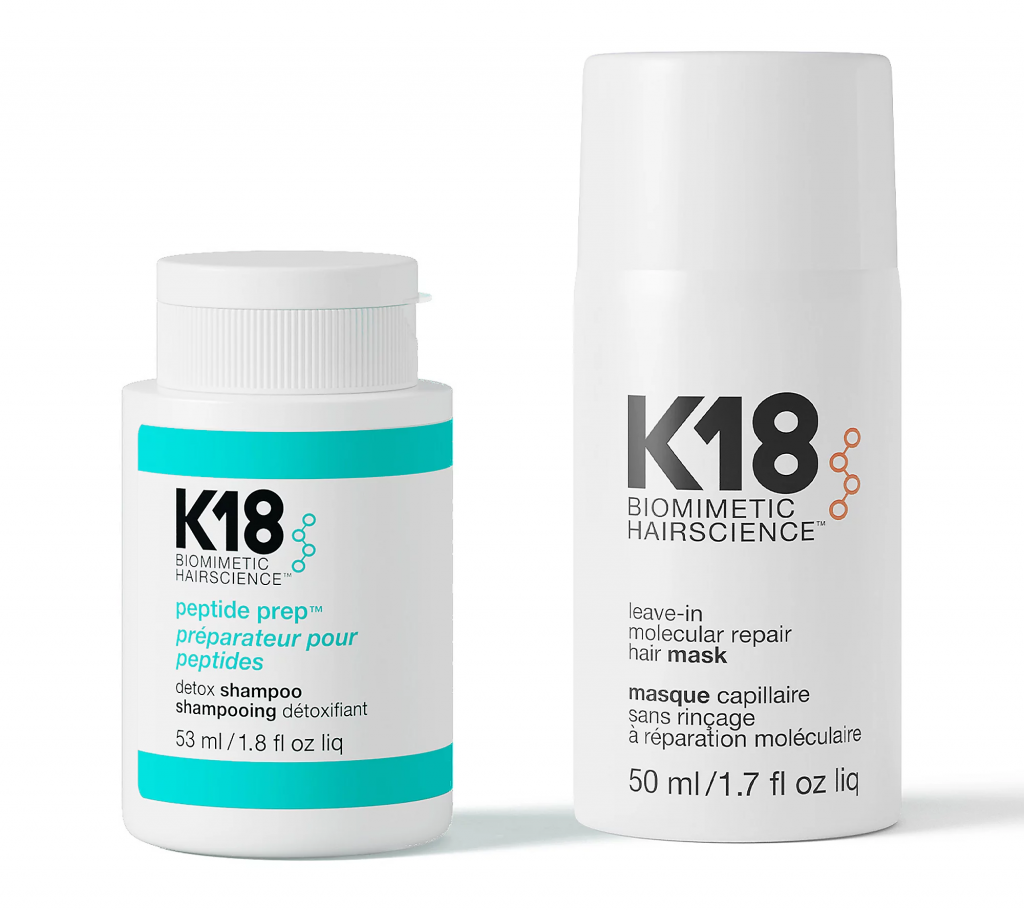
| K18 Leave-In Molecular Repair Hair Mask | Leave-in treatment | Chemically treated, heat-stressed, brittle hair | Peptide-led, no-rinse format, 4-minute wait |
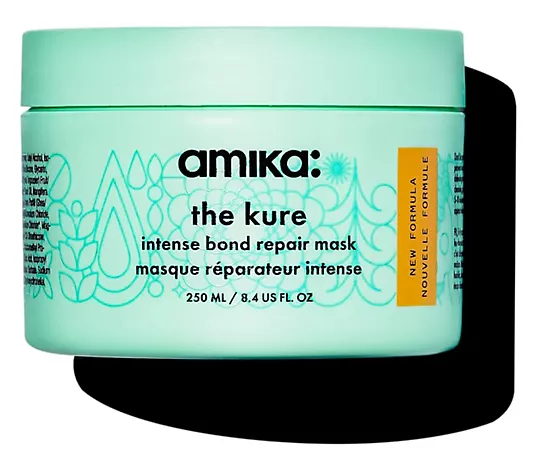
| amika The Kure Bond Repair Mask | Rinse-out mask | Dry, damaged hair that needs moisture and repair | Rich mask texture, helps reduce breakage |
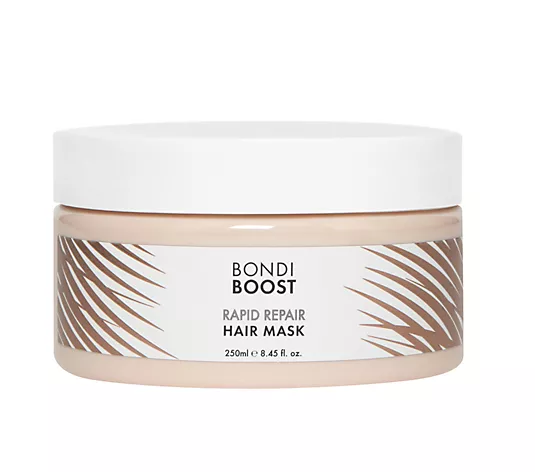
| BondiBoost Rapid Repair Hair Mask 8.45 fl oz | Weekly repair mask | Processed hair that feels rough and thirsty | Vitamin-led nourishment, creamy spa-like treatment |
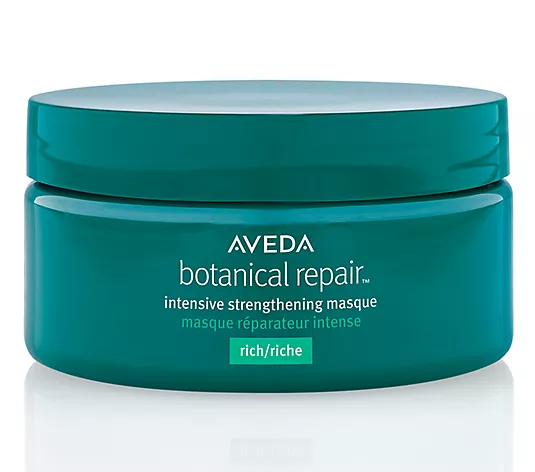
| Aveda Botanical Repair Intense Strengthen Mask Rich 6.7 fl oz | Rich conditioning mask | Medium to thick hair needing softness and easier combing | Strong detangling plus rich conditioning feel |
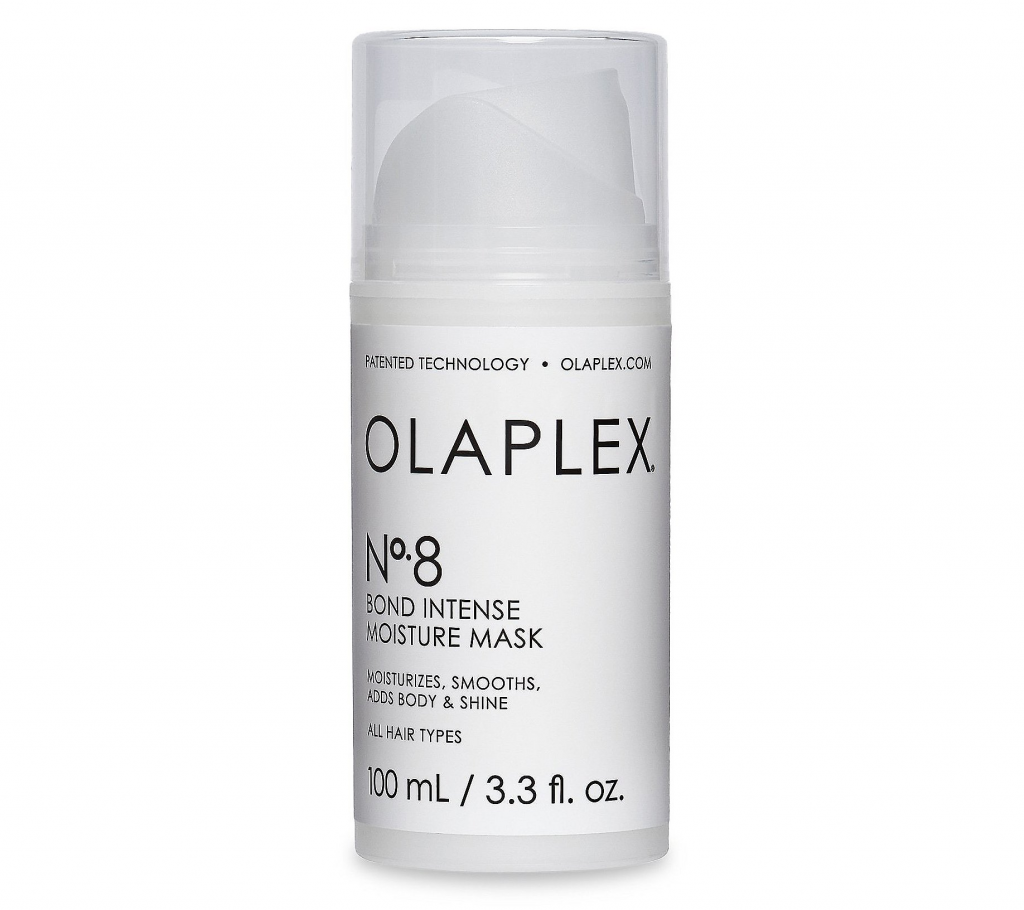
| Olaplex No. 8 Bond Intense Moisture Mask 3.3 oz | Moisture mask | Dry, dull hair that wants softness, shine, and body | Multi-benefit mask for all hair types |
K18 Leave-In Molecular Repair Hair Mask
Amika The Kure Bond Repair Mask
BondiBoost Rapid Repair Hair Mask 8.45 fl oz
Aveda Botanical Repair Intense Strengthen Mask Rich 6.7 fl oz
Olaplex No. 8 Bond Intense Moisture Mask 3.3 oz
How to build a smarter post-winter repair routine
If your goal is reversing hair damage in the most realistic sense, better feel, less breakage, improved softness, more bounce, and fewer rough ends, your routine matters as much as your hero product.
Start with a clean canvas. K18 itself says heavy product users should clarify before using the mask, and the brand sells a PEPTIDE PREP clarifying shampoo for buildup, oil, and copper removal. That makes practical sense because heavy residue can interfere with how evenly any treatment performs on the fiber.
Then choose your repair lane.
If you want a biotech-forward routine built around hair peptide technology, K18 is the clearest fit. If you want a richer wash-day ritual, amika, Aveda, BondiBoost, or Olaplex may feel more intuitive. Put simply, K18 is for the reader who wants a targeted treatment step; the others are better for readers who think in terms of a classic mask.
Just as important, protect the hair you are trying to improve. The American Academy of Dermatology recommends allowing hair to partially air dry before styling and reducing how often you blow dry. Dermatologists also advise limiting hot-tool contact time and using gentler hair-care habits to reduce ongoing damage.
That step is often skipped in articles about K18 science-based beauty, but it is essential. No treatment can outperform constant new damage from high heat, over-washing, aggressive brushing, or frequent chemical services.
What readers should watch for before buying
A lot of beauty marketing blurs the line between damage repair and damage camouflage. That is where this category gets confusing.
A product may be excellent if it does one or more of these things well: lowers friction, boosts softness, improves slip, reduces breakage, increases bounce, or helps weak hair feel stronger. It does not need to “bring dead ends back to life” to be worth buying. That is the most grounded way to read reversing hair damage as a shopping claim.
Shoppers should also match formula type to hair type. Richer masks tend to make more sense for coarse, thirsty, or thicker hair, while lightweight leave-ins often suit finer textures or anyone who hates the feel of heavy residue. QVC’s live product copy reflects those differences clearly, especially with Aveda’s rich mask for medium to thick textures and K18’s lightweight leave-in positioning.
Quick FAQs

Does K18 actually use peptide technology?
Yes. K18’s official science and product pages say its K18PEPTIDE is a biotech-developed, biomimetic peptide designed to interact with hair’s keratin structure and reconnect damage sites tied to polypeptide chains and disulfide bonds.
Is K18 better than a traditional hair mask?
It depends on your goal. K18 offers a leave-in, four-minute treatment approach, while products like amika, Aveda, BondiBoost, and Olaplex on QVC lean more into rinse-out moisture-mask rituals. If you want a lighter, targeted step, K18 may be more appealing. If you want richer softness and detangling, a classic mask may be the better pick.
Can any product permanently fix split ends?
Peer-reviewed hair science does not support the idea of permanent biological repair of already-dead damaged lengths. Products can improve appearance, feel, and breakage behavior, but badly split ends often still need trimming.
What causes this kind of hair damage in the first place?
Heat, bleaching, color treatments, chemical services, UV exposure, and repeated mechanical stress all show up in the literature as common contributors to hair weathering and structural decline.
Final takeaway
The smartest way to read the current buzz around hair peptide technology is this: it is a promising category for people who want stronger-feeling, smoother, more resilient hair, especially after color, heat, and seasonal stress. K18 science-based beauty deserves attention because its peptide story is specific, consistent, and clearly communicated. But the strongest article, and the most trustworthy recommendation, is the one that tells readers the full truth: topical products can meaningfully improve damaged hair behavior, but they work best when paired with gentler habits and realistic expectations.
For most readers, the best next step is simple. If you want lightweight biotech repair, start with K18. If you want a richer weekly mask, compare the QVC alternatives above. Then support whichever choice you make with less heat, less friction, and a routine that stops new damage before it starts.
The responses below are not provided, commissioned, reviewed, approved, or otherwise endorsed by any financial entity or advertiser. It is not the advertiser’s responsibility to ensure all posts and/or questions are answered.