

Learn how to choose the best online tutor and compare Preply, italki, and Verbling so your study time really pays off.

Why Progress Really Does Start with the Right Tutor
If you have tried apps, books, or free videos and still feel stuck, you are not alone. Many learners hit a wall when they try to study alone. That is why progress starts with the right tutor, not just with more hours of random practice.
Research shows that tutoring can create real, measurable gains. A meta analysis of 96 tutoring programs found that most of them improved learning, often by the equivalent of about half a year of extra schooling.
Other studies report that tutoring programs can raise achievement by roughly one third of a standard deviation, which often equals three to fifteen extra months of learning.
In simple terms, the right tutor helps you:
- Focus on exactly what you need
- Correct mistakes before they become habits
- Stay motivated when life gets busy
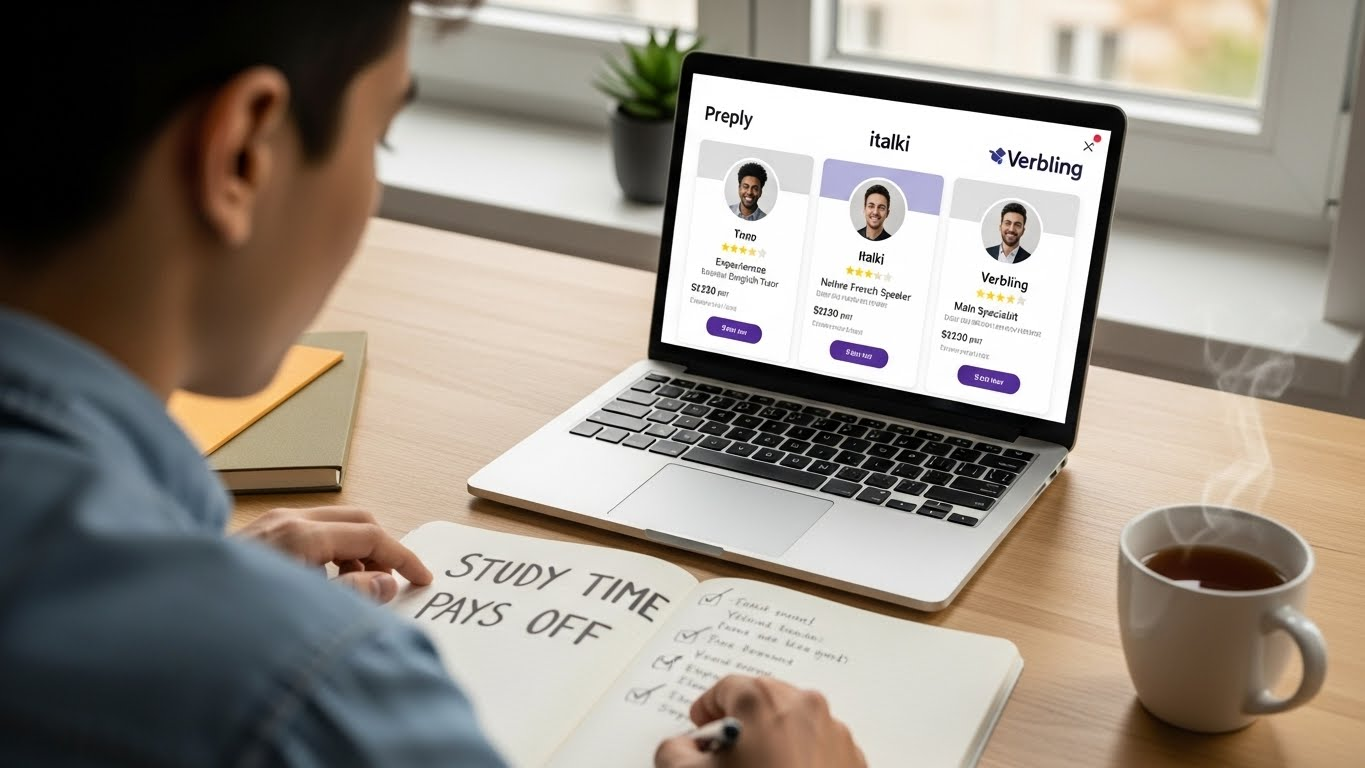
That is why platforms like Preply, italki, and Verbling exist. They connect millions of learners with one to one tutors so you can turn your goals into real progress.
Key tutoring and language learning stats
| Question | What research shows | Source |
|---|---|---|
| Do tutoring programs work overall | Average effect size about 0.37 standard deviations, a large impact for education | NBER working paper on tutoring programs |
| How much learning can tutoring add | About three to fifteen extra months of learning for many students | Stanford FAQ on high impact tutoring |
| How big is online language learning | Market around 21 billion dollars in 2025, with strong double digit annual growth | Mordor Intelligence market report |
The market numbers show that more people than ever are choosing online lessons. The research shows why. When used well, tutoring is one of the most effective learning tools available.
What “the Right Tutor” Really Means
The phrase progress starts with the right tutor is not only a marketing slogan, it is a shortcut for a very practical idea. The “right” tutor is not simply the most popular or the cheapest. It is the person who fits you in four areas.
-
Your goal
- Passing an exam
- Moving abroad
- Speaking confidently at work
- Helping a child catch up in school
-
Your learning style
- Do you like structure and homework
- Or do you prefer relaxed conversation
- Do visual notes help you remember new words
-
Your schedule and time zone
- Can the tutor meet you when you are free at least once or twice a week
-
Your budget and pace
- Are you aiming for a slow, steady pace
- Or an intensive short term sprint
When you shop for tutors on Preply, italki, or Verbling, filter and profiles are really tools for solving this puzzle. If you arrange them well, your sessions feel smoother, and your chances of actually staying consistent rise a lot.
How Online Tutoring Marketplaces Work
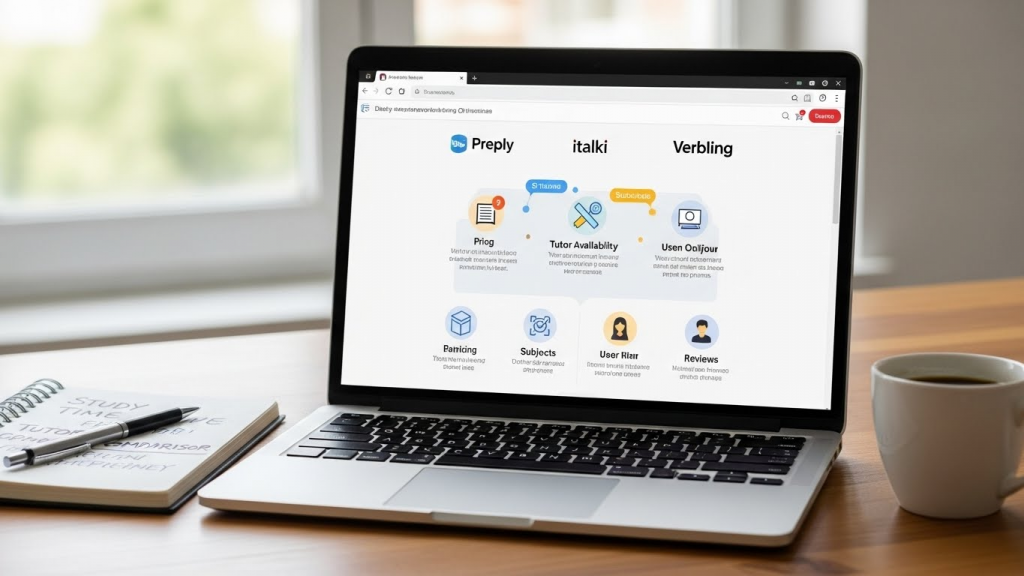
Modern marketplaces make it easy to find a one to one tutor anywhere in the world. Although each brand is different, they usually follow the same basic steps:
- You create a learner profile and set your language, level, and goals.
- You browse tutors with filters like price, native language, specialties, and availability.
- You watch intro videos and read reviews.
- You book a trial lesson.
- You decide if this tutor feels right and then schedule regular classes.
Preply, for example, highlights its scale. It reports more than two million learners, over one hundred thousand tutors, and three hundred thousand 5 star reviews across more than one hundred twenty subjects and one hundred eighty nationalities.
Other platforms are smaller, but the basic idea is the same. The platform provides secure payments and a virtual classroom. The tutor provides structure, feedback, and accountability so your time online actually moves you forward.
Preply vs italki vs Verbling: Quick Comparison
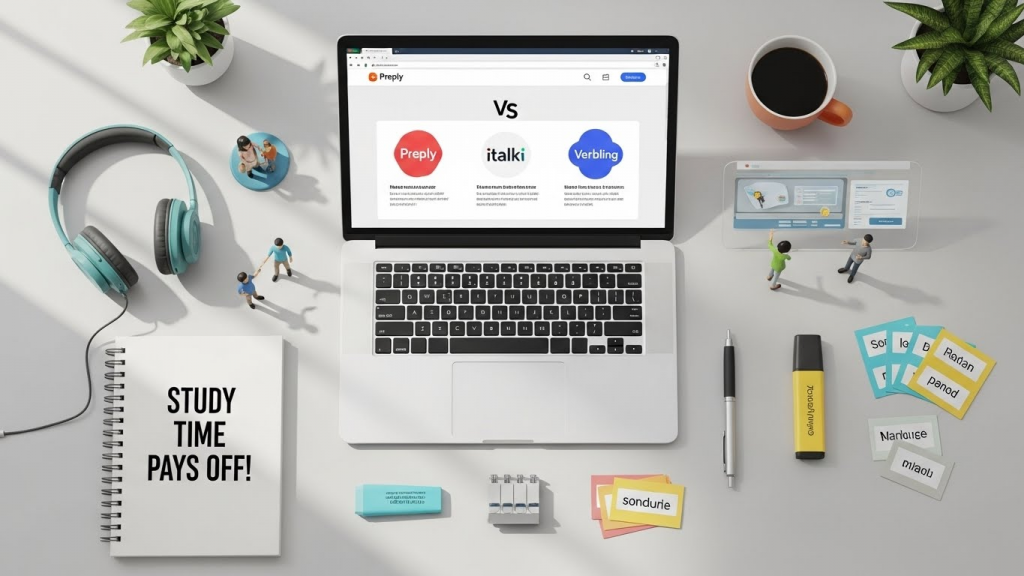
Here is a high level view of how three big platforms for language tutoring compare.
| Feature / Brand | Preply | italki | Verbling |
|---|---|---|---|
| Main focus | One to one tutoring in 120 plus subjects, strong on languages | One to one language lessons, community and pro teachers | One to one language lessons with vetted professional tutors |
| Estimated scale | Over two million learners and more than one hundred thousand tutors | Over ten million students worldwide | More than two thousand verified tutors |
| Typical price range | Tutors set their own rates, many between 10 and 30 dollars per hour | Wide range, from low cost community tutors to higher rate professionals | Lessons starting around 9 dollars per hour |
| Trial lessons | Discounted first lessons, flexible switching if tutor is not a fit | Trial lessons with many tutors, pay per lesson | Free trial offers and promo codes at times, pay per lesson |
| Classroom tools | Built in video, chat, homework tools | Video chat, messaging, mobile apps | Browser based classroom, scheduling, messaging |
| Best for | Learners who want structured progress and many choices, including non language subjects | Learners who want a large community and flexible pricing | Learners who value verified profiles and a polished interface |
Next, let us look at each platform in a bit more detail.
Preply: Large Choice and Strong Focus on Measurable Progress

Preply is an online tutoring marketplace that connects students with tutors through a matching algorithm that considers goals, budget, and availability.
Key points for learners:
- Very large catalog of tutors across many languages and subjects
- Detailed filters, including specialties like exam prep or business language
- Discounted trial lessons so you can test more than one teacher
- Tools for scheduling, messaging, and tracking lessons in one place
Preply often uses phrases like “progress that is personal and proven” and highlights that ninety seven percent of learners say that practicing with a real person helps them feel more confident.
If you run a content hub, the phrase Preply review for language learners can be a strong internal link anchor to a deeper platform specific article.
italki: Community Feel and Flexible Pricing
According to its own information and independent sources, italki started in 2007 and has grown into a global community with more than ten million students who take one to one lessons with teachers worldwide.
On italki, you can choose between:
- Professional teachers with formal training and structured courses
- Community tutors who focus more on conversation and informal practice
This mix makes it a good fit if you:
- Want many price points, including lower cost sessions
- Enjoy a social, community style environment
- Like the idea of both serious study and lighter conversation practice
Verbling: Verified Tutors and Simple Interface
Verbling positions itself as a modern way to learn languages, with a smaller but carefully vetted pool of tutors. Its site notes more than two thousand expert tutors, all with prior teaching experience.
For learners, that means:
- All tutors go through a screening process
- Lesson prices start around nine dollars, which can feel accessible
- A clean browser based classroom with scheduling and messaging tools
Step by Step: How to Choose the Right Tutor on Any Platform
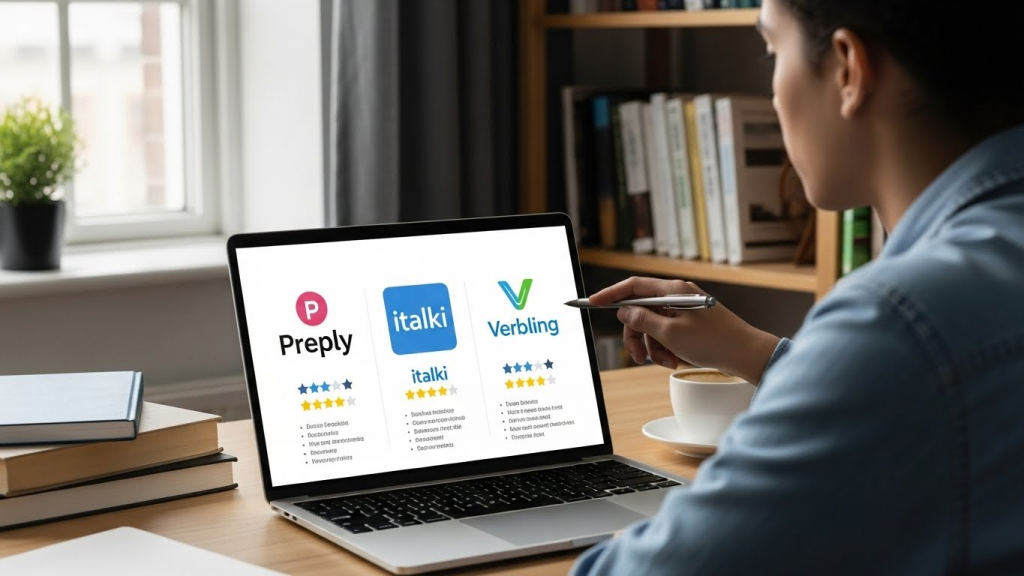
At this point, remember the keyword: progress starts with the right tutor. The platforms are just tools. The real magic is in how you choose and work with a person.
Use this simple process:
Step 1: Write a one sentence goal
Examples:
- “I want to reach B2 in Spanish in twelve months.”
- “I want to pass IELTS with a band 7 in six months.”
- “My child needs to catch up in algebra before next semester.”
This sentence should guide all your choices.
Step 2: Decide your weekly commitment
Be honest about your schedule and budget. For most people, one to two hours per week with a tutor plus independent study is realistic.
Step 3: Filter by language, price, and time zone
On Preply, italki, or Verbling, use filters before you look at individual profiles. This prevents choice overload and saves time.
Step 4: Study tutor profiles, not just ratings
Look for:
- Clear lesson descriptions and learning plans
- Specialties that match your goal, such as exam prep or business language
- A teaching style that sounds comfortable for you
Step 5: Book two or three trial lessons
Try more than one tutor if you can. During the trial, ask yourself:
- Do I feel relaxed and listened to
- Does the tutor explain mistakes in a way I understand
- Do we agree on a plan for the next few months
The right tutor will make you feel challenged but supported, not stressed or confused.
People Also Ask: Common Questions About Finding the Right Tutor

How many hours per week should I study with a tutor
Studies on high dose tutoring in schools often look at three or more sessions per week, which can add several extra months of learning each year.
For adult language learners with jobs, a realistic target is:
- One or two tutoring sessions each week
- Plus three to five short self study blocks of twenty to thirty minutes
The exact number matters less than being consistent over time.
How long before I notice progress
Meta analyses of tutoring often measure gains after a full term or school year, but for language learners you can feel changes faster.
If you meet your tutor weekly and do homework, you can usually:
- Notice more confidence after four to six weeks
- Hold longer conversations after three to six months
- Reach a new level, such as A2 to B1, in six to twelve months, depending on effort
Is an online tutor better than language apps
Language apps like Duolingo are popular and can help you build basic vocabulary. Industry reports show huge growth in app based learning and language training markets.
However, tutoring has a much stronger average impact on test scores and real world skills, because it allows:
- Immediate feedback on mistakes
- Custom lessons based on your gaps
- Real conversation practice with another human
The best strategy is often a mix. Use apps for daily drills, and a tutor for speaking, writing, and deeper understanding. An internal link anchor here could be best language learning apps, pointing to a companion article that compares app options.
Avoid These Common Mistakes When Choosing a Tutor
Even with good platforms, it is easy to choose poorly. Watch out for these traps:
- Picking only by lowest price, then feeling unmotivated
- Ignoring time zone issues and struggling to schedule lessons
- Not reading the tutor profile carefully
- Expecting quick results without doing homework
- Switching tutors too often instead of giving one relationship time to grow
Remember that progress starts with the right tutor, but also with the right habits. If you fix the second part, the first part has room to work.
Making Sure Your Progress Keeps Going
Once you find someone who feels like a good match, protect that relationship and build a system around it.
Practical habits:
-
Set clear milestones together
- For example, agree to reach a specific test score or CEFR level by a date.
-
Track your improvement
- Take the same short test every month, or record yourself speaking and compare clips.
-
Use your life as homework
- Bring real emails, school texts, or work presentations into your lessons.
-
Review after each lesson
- Spend ten minutes reviewing notes and adding new words to your flashcards.
Final Thoughts – Progress Starts with the Right Tutor

The research is clear, and the stories of real learners confirm it. Tutoring is one of the fastest ways to turn your effort into real skills. Platforms like Preply, italki, and Verbling make it easier than ever to find someone who fits your goals, budget, and lifestyle.
Progress starts with the right tutor, but the “right” one is personal. Take time to clarify your goal, test a few teachers, and choose the person who makes you feel focused, supported, and challenged in a healthy way.
Once you have that match, stay consistent. Book your weekly lessons, do your homework, and track your wins. If you put in the time, your tutor provides the structure and feedback that turns that time into results.
The responses below are not provided, commissioned, reviewed, approved, or otherwise endorsed by any financial entity or advertiser. It is not the advertiser’s responsibility to ensure all posts and/or questions are answered.