

If you have ever burned your fingers on a short match, fought a stubborn candle wick, or watched a cheap lighter fail in a breeze, you already know the problem.
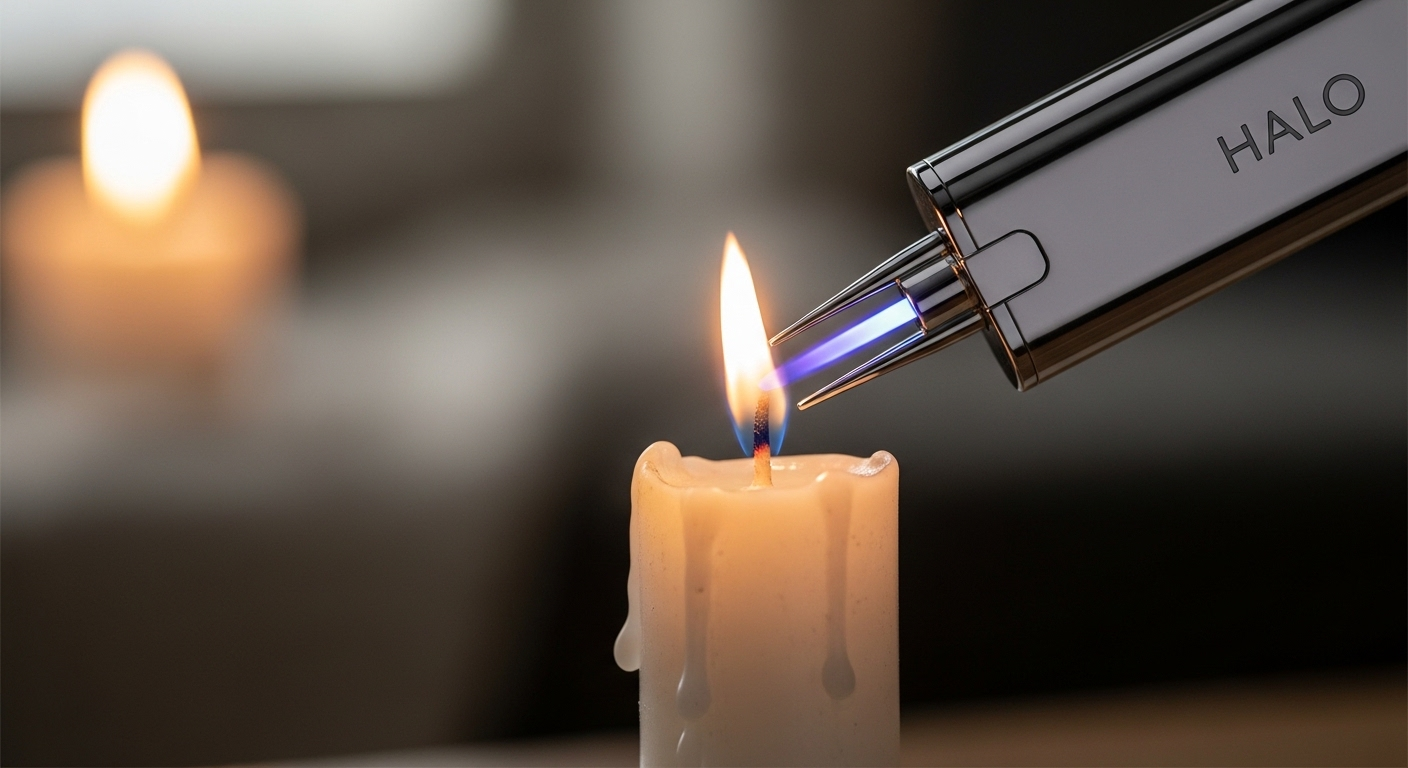
Lighting should feel simple and controlled, not like a tiny stress test.
This guide explains why HALO Lighters: The Modern Way to Light Fires and Candles are showing up in more homes, what “plasma arc” really means, how to pick the right style, and how to use it safely for years.
Along the way, you will also see real fire safety stats and a clear comparison of two QVC options, so you can buy the one that matches your routine.
A quick reality check: candle fires are not rare
Candles are cozy, but they are still open flame. The National Fire Protection Association (NFPA) reports that home candle fires average about 21 per day.
That is roughly 7,665 candle fires a year (21 × 365), which is a lot of “ordinary nights” turning into emergencies.
NFPA also notes that candles are a meaningful slice of overall home fire harm, including injuries and property damage.
And during the winter holiday season, the risk climbs in very specific ways: NFPA reports that 33% of home decoration fires are started by candles year-round, and that jumps to 49% in December.
If you burn candles weekly, your “lighting tool” is a safety tool, not just a convenience item.
Why HALO Lighters feel like the modern upgrade
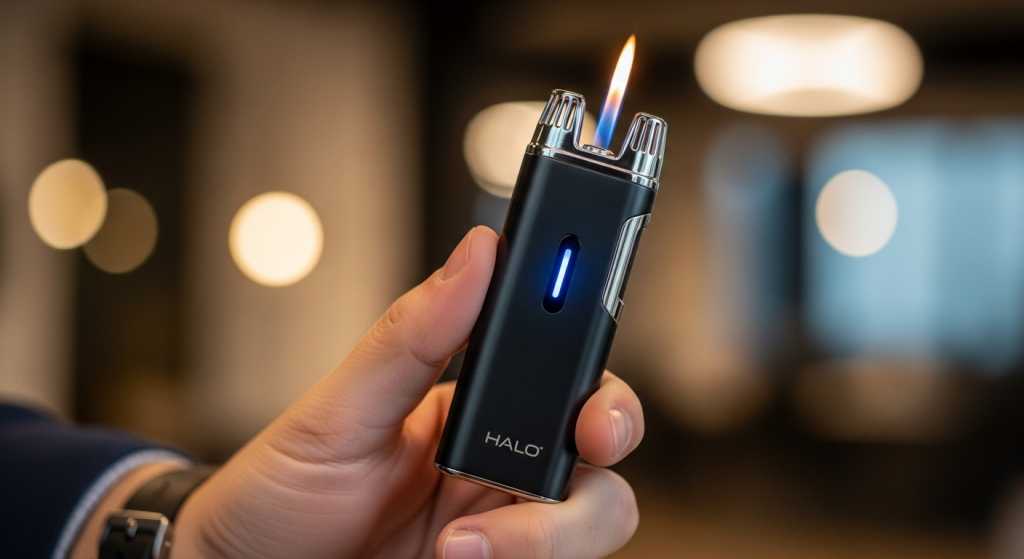
When people say HALO Lighters: The Modern Way to Light Fires and Candles, they usually mean three practical upgrades.
Flameless lighting feels more controlled
Many rechargeable wand lighters use an electric arc (often described as “plasma arc”) instead of a steady flame.
Plasma is simply an ionized gas that conducts electricity, and it forms when enough energy frees electrons from atoms.
In plain terms, the tip makes a hot arc that lights the wick, but you are not holding a flame next to your hand.
Long reach solves the “deep jar candle” problem
Jar candles, lanterns, and tight fireplace setups are where matches and short lighters struggle.
A wand shape lets you keep your hand farther away and still reach the wick cleanly.
No butane, no “empty lighter surprise”
Rechargeable lighters remove the cycle of buying disposable fuel lighters.
That is not just convenience, it can reduce the “I’ll just use a paper towel and the stove” kind of risky improvisation.
The safety angle that matters most: unattended flame
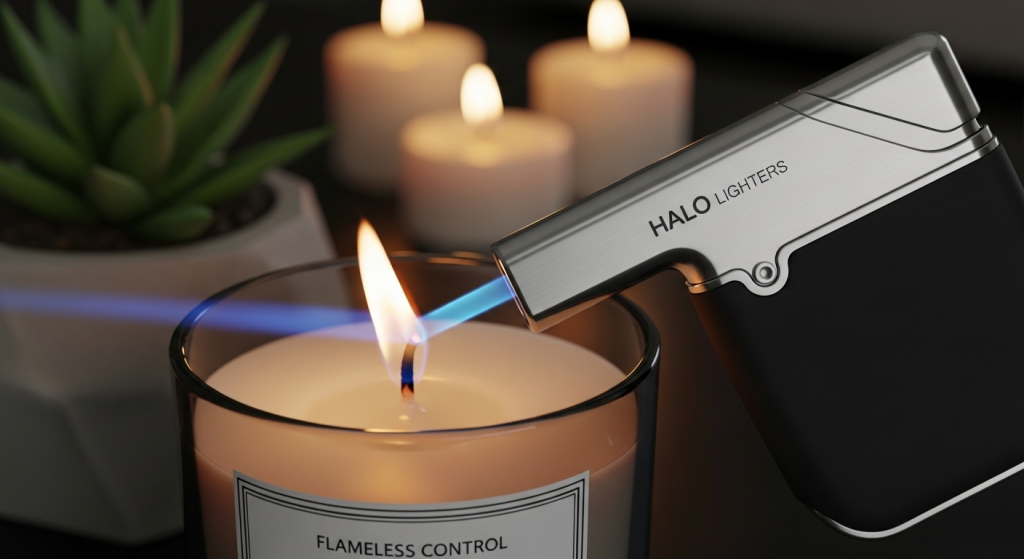
The biggest candle-fire pattern is still the simplest one: candles left burning when people get distracted.
The U.S. Consumer Product Safety Commission (CPSC) has long warned that many candle fires happen when candles are left unattended or placed near things that burn easily, and it has reported sharp increases in candle-related fatalities in past decades.
A modern lighter does not “solve” unattended candles.
But it can reduce two common mishaps:
- Burns from awkward lighting angles
- Tipping a candle or knocking decor while trying to reach the wick
The U.S. Fire Administration (USFA) also emphasizes basic prevention steps like sturdy holders and never leaving candles unattended.
Fire and candle safety stats at a glance
| What the data says | Why it matters in real life |
|---|---|
| About 21 home candle fires per day (average) | Candle risk is not “rare,” it is routine. |
| 33% of home decoration fires started by candles year-round | Candles and decor can be a dangerous mix. |
| That rises to 49% in December | Holiday setups add fuel, clutter, and distraction. |
| Candle safety guidance strongly stresses “never unattended” | The core risk is behavior, not the candle brand. |
How to choose a HALO-style lighter for your home
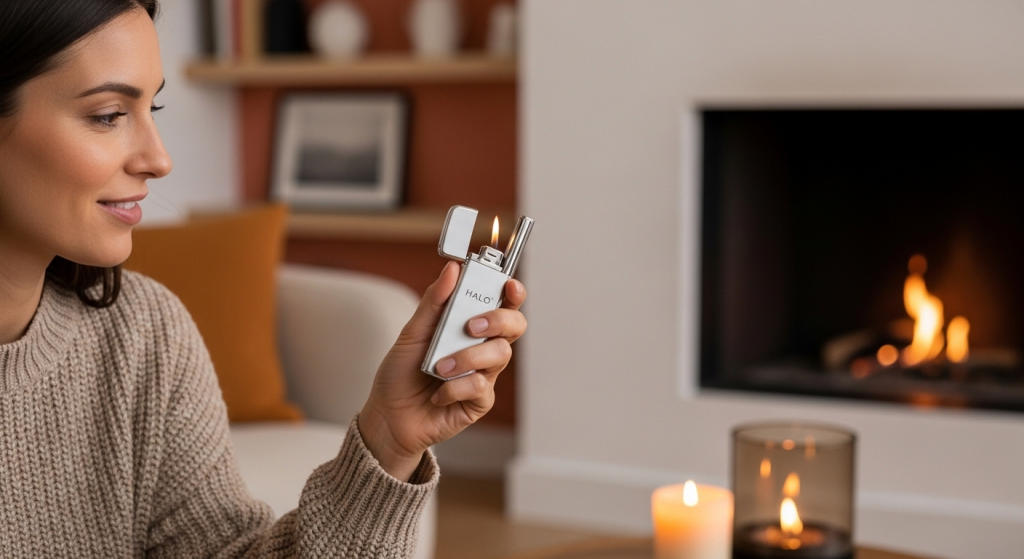
If you want HALO Lighters: The Modern Way to Light Fires and Candles to actually feel easier, match the lighter to your most common use.
Step 1: Pick your “main use”
- Candle jars and lanterns: prioritize reach, slim tip, and an LED light
- Fireplace starters and fire pits: prioritize sturdy build and easy grip
- Grill or stove lighting: prioritize control and a safety lock
Step 2: Check these features before you buy
Safety lock: Helps prevent accidental activation in drawers.
LED light: Surprisingly useful in dim rooms or when lighting inside deep jars.
Charge time and ignitions per charge: This is your “how often will I think about charging” metric.
Included extras: Gift boxes, cables, and multi-packs can matter if you keep one in the kitchen and one by the fireplace.
Step 3: Know what an electric arc is good at (and not good at)
Arc lighters are great at lighting wicks and starters.
They are not great at lighting large piles of damp wood directly.
For outdoor fires, you still want proper tinder and kindling, plus good airflow.
A better lighter is not a substitute for safe fire setup, distance, and supervision.
Compare 2 QVC options: which one fits best?
On QVC, you will see both HALO and similar rechargeable arc-style lighters sold as multi-packs, which makes sense for “one in every room” households.
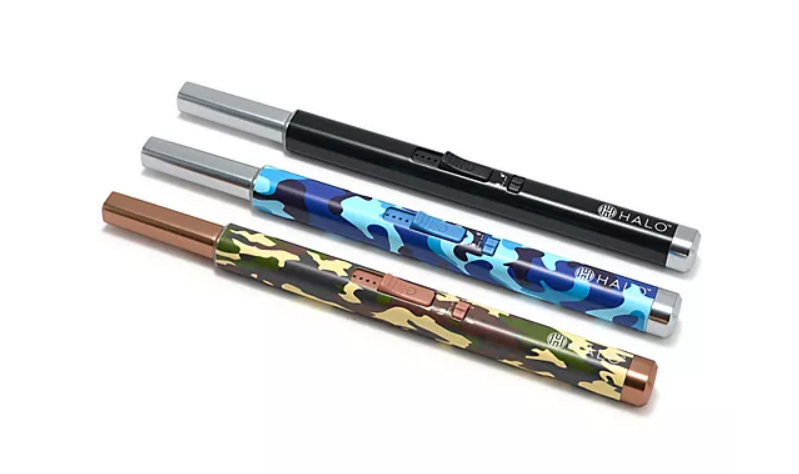
HALO Set of 3 Rechargeable Lighter Wands with Gift Boxes
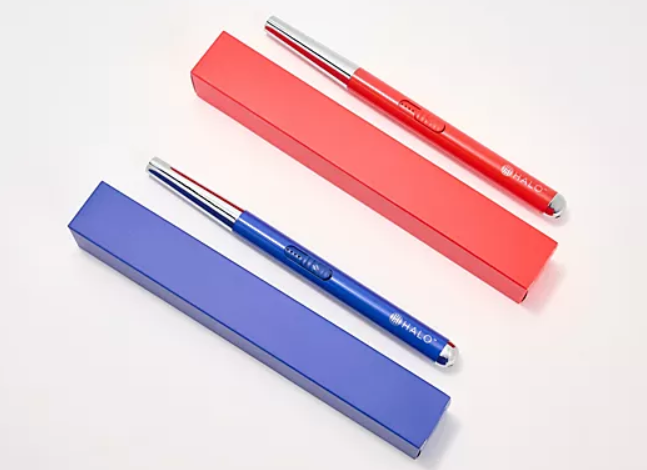
HALO Set of 2 Rechargeable Lighter Wands with Gift Boxes
Quick comparison table
| Product on QVC | Best for | Standout specs (from listings) |
|---|---|---|
| HALO Set of 3 Rechargeable Lighter Wands with Gift Boxes | Candle lovers who want one everywhere | Dual-arc plasma, LED ring, long reach, up to 140 ignitions per charge, about 90 minutes to recharge |
| HALO Set of 2 Rechargeable Lighter Wands with Gift Boxes | Smaller households, or a “kitchen + fireplace” pair | Dual-arc plasma, LED ring, safety lock, up to 120 ignitions per charge, about 68 minutes to recharge |
My simple pick logic
- Choose the HALO set of 3 if you want the “always within reach” benefit (bedroom candle, kitchen stove, patio fire pit).
- Choose the HALO set of 2 if you want a lighter for two zones and you like the safety lock emphasis.
How to use it safely, and make it last
A rechargeable arc lighter is simple, but a few habits make it safer and more reliable.
Safe use checklist (30 seconds)
- Clear the area around the candle (paper, curtains, decor).
- Place the candle on a stable surface.
- Keep hair and sleeves away from the lighting zone.
- Use the lock if your model has one.
- After lighting, confirm the wick is stable and centered.
NFPA and USFA both stress the basics: keep candles away from things that can burn and never leave them unattended.
Cleaning tip that people skip
If you ever touch the wick or melted wax with the tip area, residue can build up.
Let the lighter cool, then gently wipe the tip area according to the manufacturer guidance.
This is especially important for arc-style lighters because debris can interfere with the arc path.
People Also Asked: quick answers
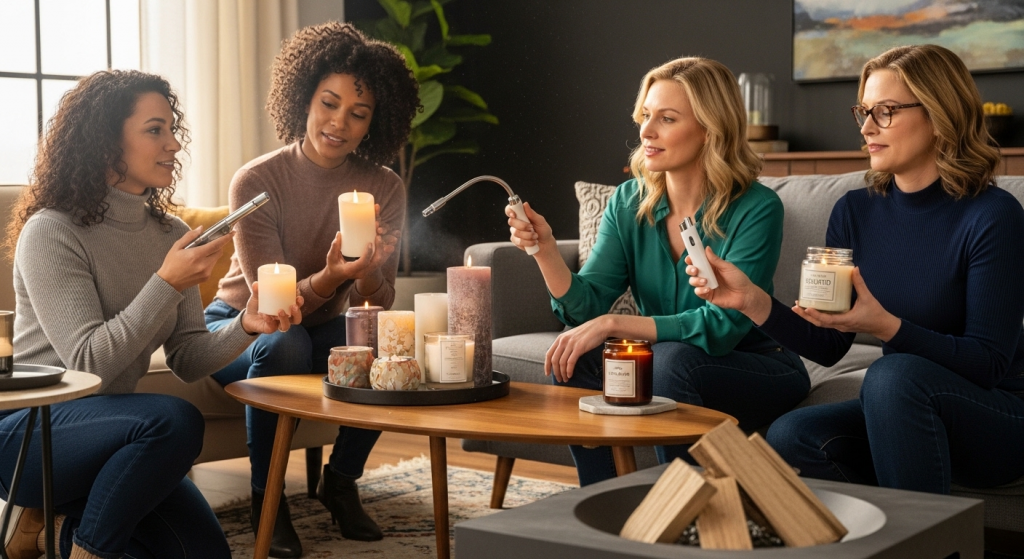
Are rechargeable arc lighters safer than matches?
They can be safer for your hands because you usually get more reach and control.
They do not remove the biggest candle risk, which is an unattended flame.
Do they work outside in wind?
Arc lighters tend to handle breezes better than traditional flames because there is no flame to blow out, but outdoor fire-starting still needs proper tinder and airflow.
Can I bring an electric arc lighter on a plane?
Rules can be strict.
The Transportation Security Administration (TSA) lists arc and electronic lighters as allowed in carry-on with special instructions, but not allowed in checked bags.
The Federal Aviation Administration (FAA) also provides packing guidance for lighters, especially when a carry-on might be gate-checked.
How long do they last?
Battery life depends on charge cycles and storage.
What matters most is charging with the right cable, avoiding extreme heat in storage, and keeping the tip clean.
A practical “where to keep it” setup
If you buy a multi-pack, place them where you actually light things:
- Kitchen drawer (stove, candles, birthday candles)
- Fireplace mantle (fire starters)
- Patio bin (grill and outdoor candles)
The best lighter is the one you can reach in five seconds, without digging through junk.
Conclusion
HALO Lighters: The Modern Way to Light Fires and Candles is not just a trendy phrase.
It points to a real upgrade in reach, reliability, and day-to-day ease.
Candle fires still happen daily in the U.S., and the best protection is safe candle behavior, especially never leaving a candle unattended.
If you want a smarter lighting tool, pick based on where you light things most.
Then build one simple habit: keep the lighter clean, keep the area clear, and treat every candle like it deserves your full attention.
The responses below are not provided, commissioned, reviewed, approved, or otherwise endorsed by any financial entity or advertiser. It is not the advertiser’s responsibility to ensure all posts and/or questions are answered.