

Designing “for good” sounds simple. Buy the “sustainable” version, feel better, move on. But if you have ever clicked into a brand’s impact page and left with more questions than answers, you are not alone. Fashion claims can be confusing, and sometimes they are vague on purpose.

This guide breaks down what “design for good” means in real life, the signals that matter most, and how to choose pieces you will actually wear for years. You will also get a clear comparison of three brands that aim to do better, like Baukjen, People Tree and Thought.

If you are trying to find the best design for good for your wardrobe, start here.
What Design for Good Means
In fashion, “design for good” is not one fabric or one label. It is a full set of choices that reduce harm and improve outcomes across a garment’s life.
A strong “design for good” approach usually includes:
- Durability and wearability (so the item gets used, a lot).
- Responsible materials (lower impact, safer chemistry, fewer virgin fossil-based fibers when possible).
- Better labor practices and traceability (who made it, where, and under what standards).
- Circular options (repair, resale, take-back, or designs that make recycling easier).
This matters because the industry’s footprint is big. The fashion sector is often cited as responsible for 2% to 8% of global greenhouse gas emissions.
It also creates huge waste. In the United States, the EPA reports that landfills received 11.3 million tons of textiles in 2018, which was 7.7% of all municipal solid waste landfilled.
The takeaway is simple: buying “better” is helpful, but buying “better and wearing it longer” is where the real leverage lives. The Ellen MacArthur Foundation notes that between 2000 and 2015, clothing production doubled while clothing utilization fell by 36%.
That is the heart of the best design for good in clothing: pieces made and chosen to be worn again and again.
The 5 Signals That Separate Real Impact From Marketing

You do not need a PhD to shop responsibly. You need a short checklist.
Clear standards, not just slogans
Look for claims tied to a recognized framework or verification process. One example is B Corp Certification, which evaluates a company’s practices across areas like governance, workers, community, environment, and customers.
If a brand says “we care,” but does not show standards, metrics, or verification, treat it as a “maybe.”
Transparency you can actually use
Useful transparency includes:
- Country of manufacture (at minimum)
- Material composition details (including blends)
- Evidence of auditing or supplier standards
- Repair guidance and garment care tips
Materials that match the product’s job
Good design is context-based.
- For winter knits, durability and pilling resistance matter.
- For activewear, fiber blends affect performance and shedding.
- For basics, recovery and seam quality decide whether it lasts.
A “perfect” material does not exist. Honest brands explain tradeoffs.
Circular support, especially repair
Circular economy ideas show up more in fashion now, but the best versions prioritize keeping products in use. The Ellen MacArthur Foundation describes a circular economy as a systemic approach designed to benefit society and the environment, moving away from a take-make-waste model. The U.S. EPA explains circularity as redesigning products to use fewer resources and recapturing “waste” as a resource.
Brands that offer repairs, alterations, or take-back options are building in real-world circularity.
Longevity, not more drops
If you see constant releases and heavy discounting, it can push impulse buying. A brand can still do some things right, but it is harder to claim the best design for good while nudging overconsumption.
A Quick Table: What Common Certifications and Labels Usually Signal
| Label or Framework | What it typically checks | Why it helps |
|---|---|---|
| B Corp Certification | Whole-company social and environmental performance, accountability, transparency | Harder to cherry-pick one “green” claim |
| WFTO Product Label | Fair Trade verification system for eligible members and products | Strong Fair Trade signal when used properly |
| Circular economy commitments | Product life extension, material circulation, waste reduction | Focuses on systems, not just single materials |
Tip: labels are not everything. A brand can do meaningful work without a specific badge. The goal is evidence, not vibes.
Brand Comparison, Baukjen vs People Tree vs Thought
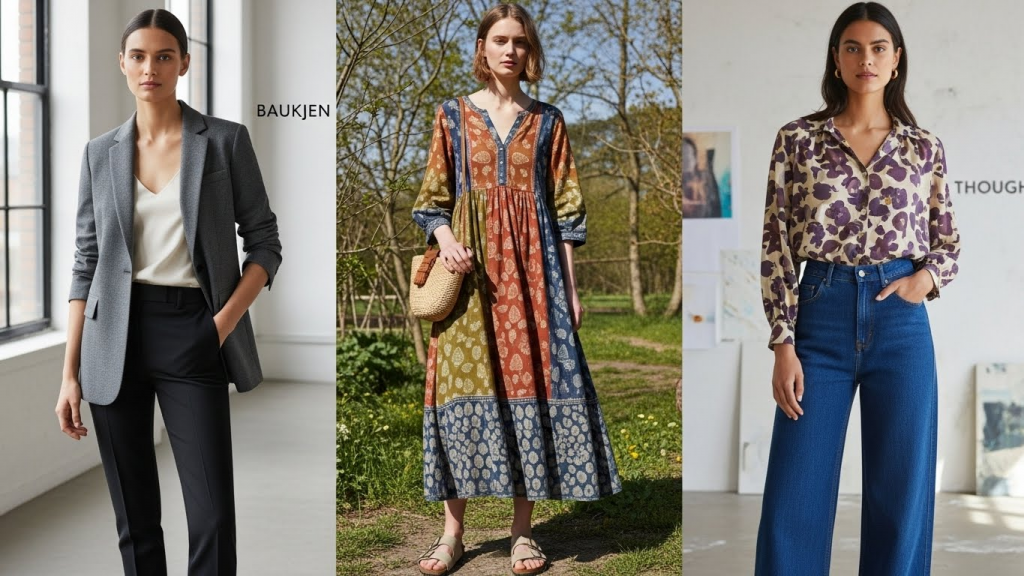
Below are three brands that market themselves around responsibility and “doing good,” with different strengths and styles.
Baukjen (London based, “Designed for Good” positioning)
Baukjen describes itself as responsible womenswear and uses “Designed for Good” language on its site.
A key differentiator is that House of Baukjen (the company behind Baukjen and Isabella Oliver) is listed as a Certified B Corporation in the B Lab directory.
It is also featured by UNFCCC’s UN Global Climate Action Awards site, describing its operations as following circular economy ideals and stating it is carbon negative.
Best for: elevated everyday pieces, work friendly staples, shoppers who value B Corp verification as a trust signal.
Watch for: fit preferences, price point, and making sure you are choosing pieces you will re-wear often.
People Tree (Fair Trade pioneer, strong verification story)
People Tree’s site highlights its Fair Trade and traceability approach and says it is the first international fashion brand certified by the World Fair Trade Association, with pieces fully traceable in a transparent supply chain.
WFTO’s own materials explain its verification labels and how the WFTO Product Label works for Guaranteed members.
Practical note: People Tree’s UK business went into liquidation in 2023, according to Wikipedia, so availability may depend on region and current distribution.
Best for: shoppers prioritizing Fair Trade, traceable supply chains, and classic wardrobe pieces with a values-first story.
Watch for: regional storefront differences and stock availability.
Thought (natural and recycled material focus, casual comfort)
Thought positions itself as a sustainable fashion brand using natural and recycled materials and frames sustainability as something that should feel doable.
This can be a good match if you want softer, casual pieces and you are trying to swap out basics in a less intimidating way.
Best for: casual wardrobes, everyday dresses, soft basics, and shoppers who want easy entry points into responsible materials.
Watch for: fiber blends, especially if you are trying to minimize synthetic shedding or prefer specific fibers for durability.
Comparison Table: Who Each Brand Fits Best
| Category | Baukjen | People Tree | Thought |
|---|---|---|---|
| Trust signal that stands out | Certified B Corp listing | WFTO related claims and traceability focus | Materials messaging (natural, recycled) |
| Style vibe | Polished, modern staples | Classic, values-forward essentials | Casual, comfy, easy everyday |
| “Design for good” strength | Company-level standards + circular claims | Fair Trade supply chain emphasis | Accessible basics that can replace fast fashion defaults |
| Best starting buy | A workhorse layer (blazer, knit, coat) | A core staple you will repeat (top, dress) | A frequent-wear basic (dress, tee, socks) |
If you want the best design for good for you, pick the brand whose strength matches your actual habits. A great Fair Trade dress that you wear twice is less impactful than a solid staple you wear 60 times.
A Simple Design for Good Score You Can Use While Shopping

Use this 10 point rubric for any item. It keeps you honest.
Wear Score (0 to 4)
- 4: You will wear it weekly or biweekly for a year.
- 2: You like it, but it is occasional.
- 0: It is a “maybe,” or it needs a special event.
Build Score (0 to 3)
- 3: Strong seams, good fabric hand, easy care, good reviews for durability.
- 1: Lightweight, delicate, or unclear details.
Proof Score (0 to 3)
- 3: Verified standards, clear factory or sourcing detail, meaningful impact reporting.
- 1: Mostly marketing, thin details.
Add them up. Items that score 8 to 10 are usually your best buys.
This is a fast way to find the best design for good without getting lost in buzzwords.
The Hidden Multiplier: Care, Repair, and Washing Smarter
You can upgrade impact without buying anything.
UNEP notes the fashion sector’s environmental impacts are wide, including microplastics and high water use.
Here are easy changes that improve outcomes right away.
| Action | Why it helps | Quick tip |
|---|---|---|
| Wash less, air out more | Less wear and tear, less energy and water | Spot clean and steam when possible |
| Cold wash | Cuts energy use | Use a gentle cycle |
| Skip the dryer | Extends garment life | Hang dry, reshape knits |
| Repair early | Keeps items in use longer | Fix seams and buttons immediately |
Buying Strategy: How to Build a “Best Design for Good” Wardrobe Over 30 Days
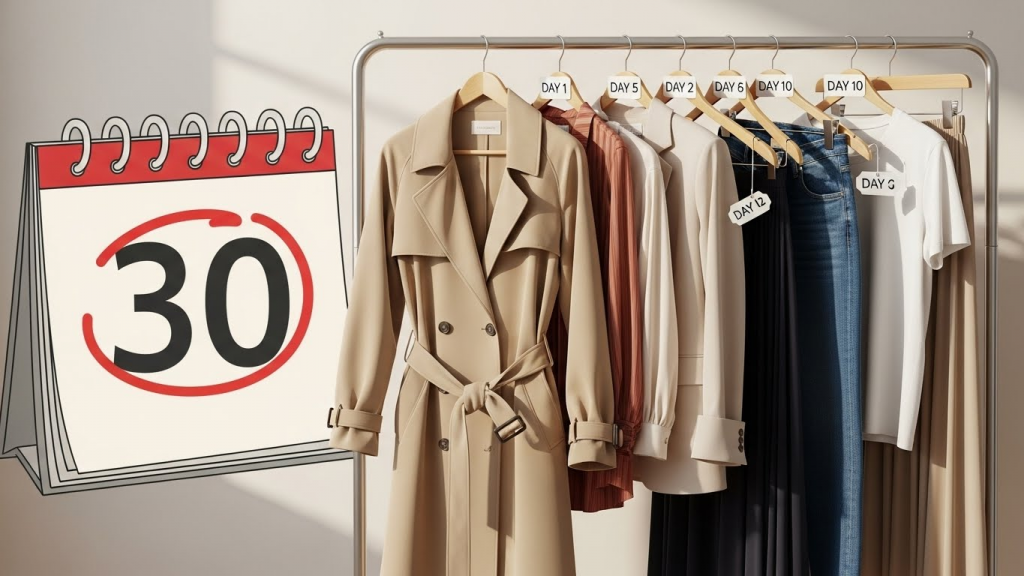
If you want the best design for good without overspending, do it in phases.
Week 1: Audit what you already love
Pick 10 items you wear the most. Write why you reach for them.
This becomes your real “design brief.”
Week 2: Replace one high-rotation category
Choose one category you wear constantly (tees, trousers, sweaters).
Buy one excellent version, not five okay ones.
Week 3: Add a “hero” layer
A jacket, coat, blazer, or cardigan changes how often you can re-wear everything else.
This is one of the highest ROI purchases.
Week 4: Lock in care habits
Set a repair kit, choose a local tailor, learn one basic stitch.
That is not glamorous, but it is the backbone of design for good.
Conclusion: Choosing Better, With Less Stress
“Design for good” is not perfection. It is a pattern.
- The industry’s impact is real, including significant emissions and massive textile waste.
- The biggest win is buying items you will truly wear, then keeping them in use longer.
- Baukjen stands out for B Corp verification and circular claims, People Tree for Fair Trade and traceability emphasis, Thought for approachable, everyday sustainable basics.
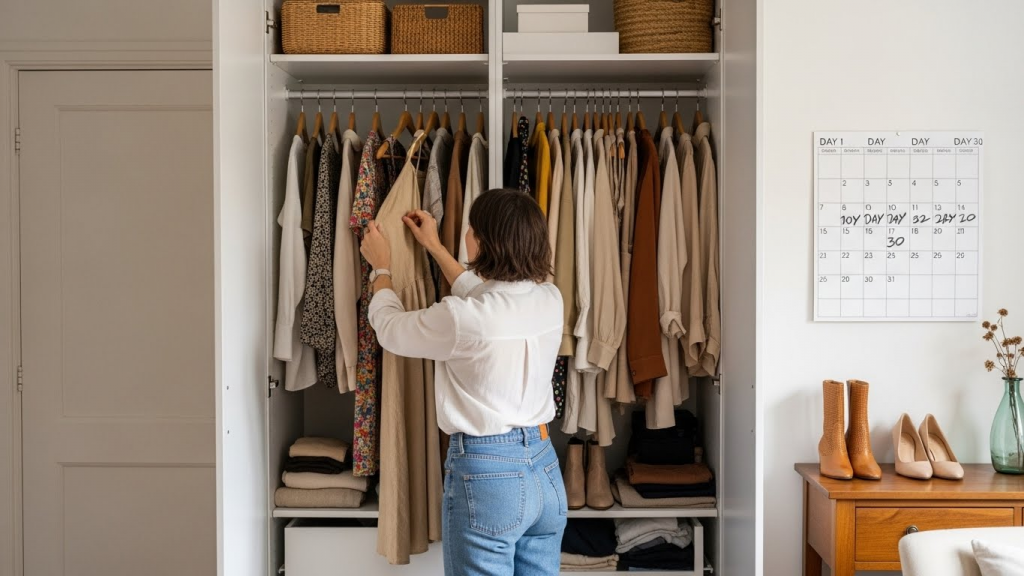
If your goal is the best design for good, your next step is simple: pick one category you wear constantly and buy one piece you can see yourself wearing 30 to 50 times this year. Then care for it like it matters, because it does.
The responses below are not provided, commissioned, reviewed, approved, or otherwise endorsed by any financial entity or advertiser. It is not the advertiser’s responsibility to ensure all posts and/or questions are answered.