

If your pantry feels chaotic, the problem is rarely “too much food.” It is usually mismatched containers, lids that disappear, and staples you cannot see (or cannot keep fresh).
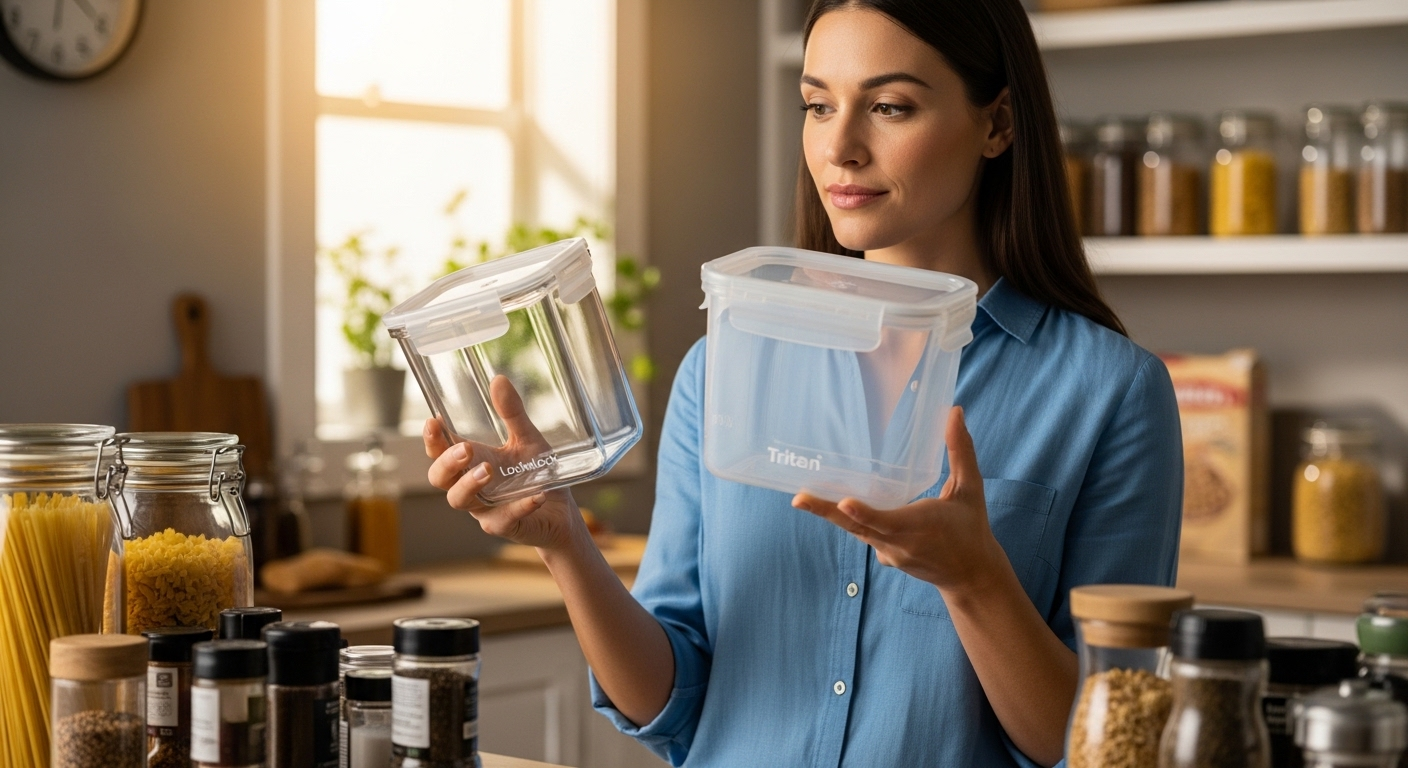
This guide breaks down Glass vs. Tritan: Choosing the Right LocknLock for Your Pantry in a simple, practical way. You will learn what each material does best, what to avoid, and which LocknLock style fits your shelves and habits.
Quick pick (60 seconds):
- Choose glass when you care most about stain resistance, odor resistance, and reheating, plus a “clean” look on open shelves.
- Choose Tritan when you need lightweight, drop-friendly, daily-grab containers for snacks, cereal, and busy households.
Tritan is a branded copolyester made without bisphenols or phthalates, and Eastman states it is certified by food-contact safety agencies like the U.S. FDA and EFSA.
Glass vs. Tritan, what you are actually choosing
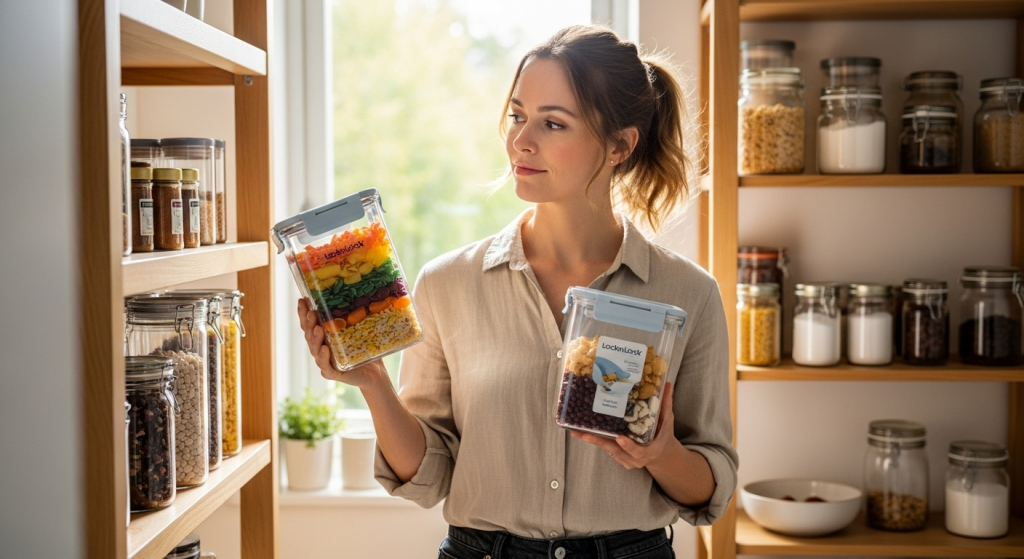
Glass (what it’s great at)
Glass is non-porous, so it tends to resist stains and odors better than most plastics. It also feels “neutral” for food storage, especially if you store strong-smelling items like coffee, onions, or spices.
Best pantry wins for glass:
- Spices and powders that stain easily (turmeric, paprika, chili).
- Aromatics you want to keep fresh (coffee, tea).
- Dual-use storage where the container might go from pantry to oven or microwave, depending on the product.
Tradeoffs:
- It is heavier, and it can break if dropped.
- It needs a little more care with temperature changes (more on that later).
Tritan (what it’s great at)
Tritan is a tough, clear copolyester that is popular because it looks glass-like, but it is lighter and more impact-resistant. Eastman (the Tritan brand owner) says Tritan is BPA-free, made without bisphenols or phthalates, and used in many food-contact products.
Best pantry wins for Tritan:
- Grab-and-go snacks for kids and adults.
- Everyday staples you refill often (cereal, crackers, rice).
- Tall shelves where heavy glass feels annoying, or risky.
Tradeoffs:
- It can scratch over time, especially if you use abrasive scrubbers.
- Some plastics can hold onto smells more than glass (varies by food and cleaning habits).
A realistic safety note (no panic, just context)
All food storage materials involve tradeoffs. One reason many people avoid heating food in plastic is that research increasingly discusses particle release and migration from plastic food-contact articles under normal or intended use in some conditions. A 2025 systematic evidence map concluded that intended use can lead to migration of micro and nanoplastics from plastic food-contact articles.
That does not mean Tritan is “bad.” It means your use case matters, especially with heat and wear.
A simple pantry decision framework
Before you buy anything, answer these five questions. This is the fastest way to stop wasting money on the “wrong” set.
What are you storing most often?
- Powders and stain-prone spices: glass is usually easier to keep looking new.
- Dry snacks and cereal: Tritan is often the low-stress winner.
- Oily items (nuts, granola, trail mix): either can work, but prioritize a strong seal and easy cleaning.
Who uses the pantry daily?
- Kids, roommates, busy mornings: Tritan can be the better “survival” choice because it is lighter and less fragile.
- Adults, calm kitchen routines, open shelving: glass can look cleaner and stay clearer longer.
Will you microwave, bake, or reheat in the same container?
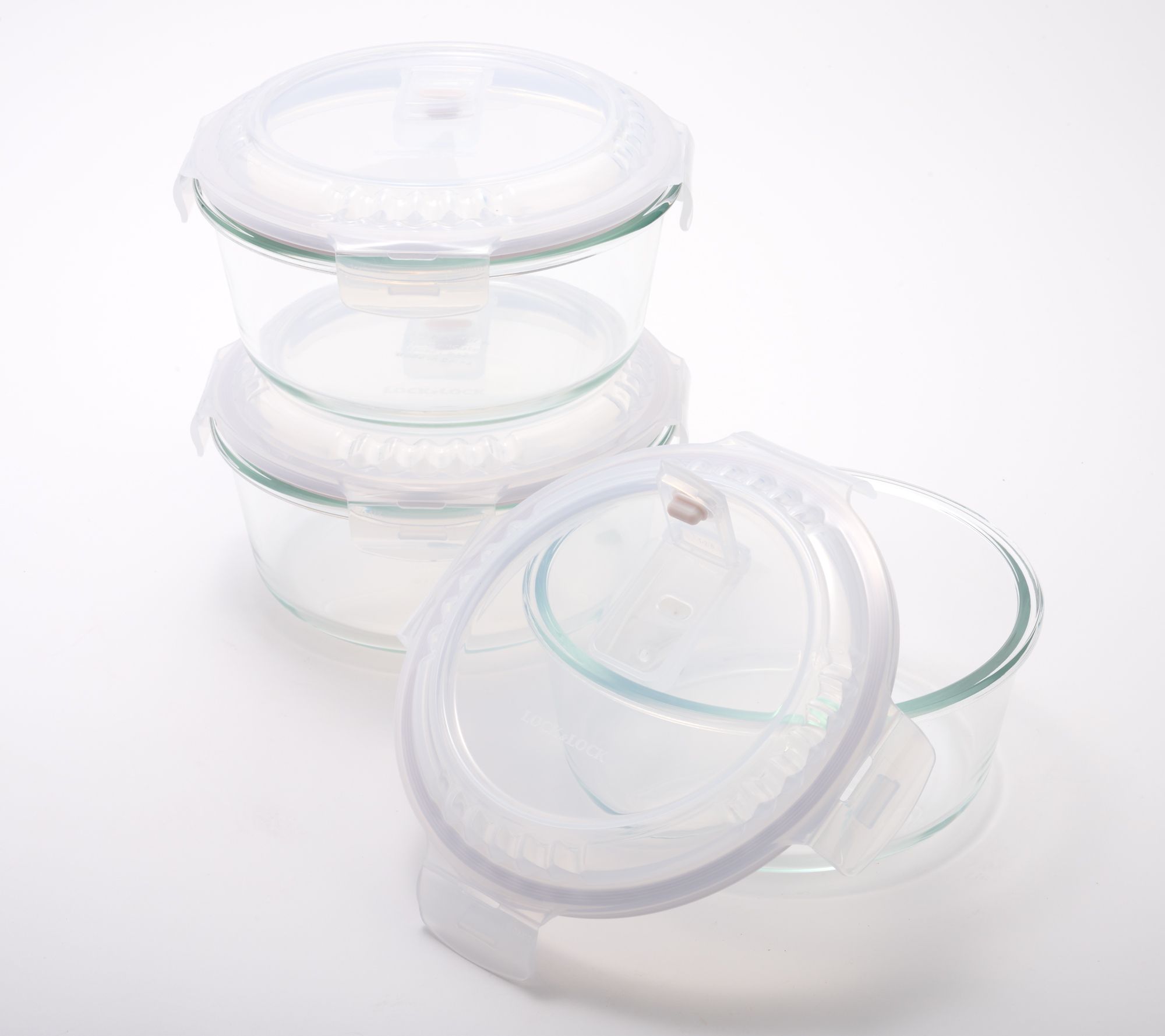
If yes, glass is often the simpler choice. For example, one LocknLock glass bowl set sold on QVC is described as microwave-safe, dishwasher-safe, freezer-safe, and oven-safe for the glass body up to 500F.
Do you care more about visibility or weight?
- If you want easy visibility with minimal weight, Tritan shines.
- If you want visibility plus stain resistance, glass often wins.
Are you trying to “standardize” your pantry?
Standardizing matters more than material. Matching shapes stack better, label better, and feel calmer.
Rule of thumb: pick one main shape for everyday pantry staples, then add a smaller glass “specialty group” for spices, coffee, and messy stuff.
Glass vs. Tritan cheat sheet (pantry-focused)
| What matters | Glass | Tritan |
|---|---|---|
| Stains (spices, tomato, turmeric) | Usually best | Can stain over time |
| Odors (coffee, onions, spices) | Usually best | Can hold odors more |
| Weight on shelves | Heavy | Light |
| Drop resistance | Lower | Higher |
| Pantry “grab and go” | Good, but heavier | Excellent |
| Long-term clarity | Very good | Very good, but scratches can dull |
| Heat flexibility (depends on product) | Often better | Varies by product and use |
3 QVC LocknLock picks to compare
Below are three LocknLock options from QVC that cover common pantry needs. I chose them to match real “pantry jobs,” not just because they look good.
Product comparison table
| QVC product | Material | What you get | Capacity | Best for pantry use |
|---|---|---|---|---|
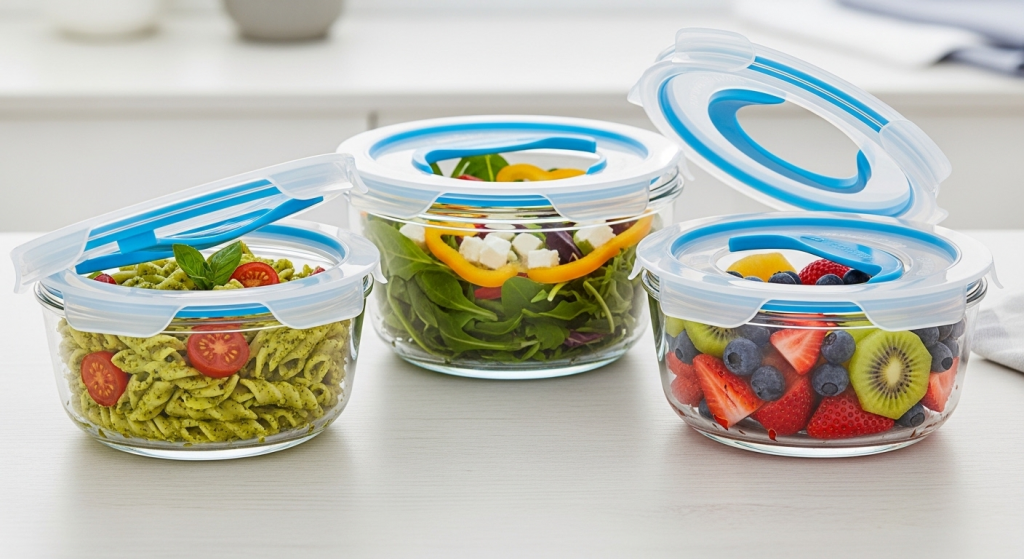
| LocknLock Set of (3) 4-Cup Vented Glass Bowl Storage Set | Glass bowls with plastic lids | 3 bowls | 4 cups each | Meal prep portions, leftovers that move between pantry and fridge, ingredients you may reheat later |
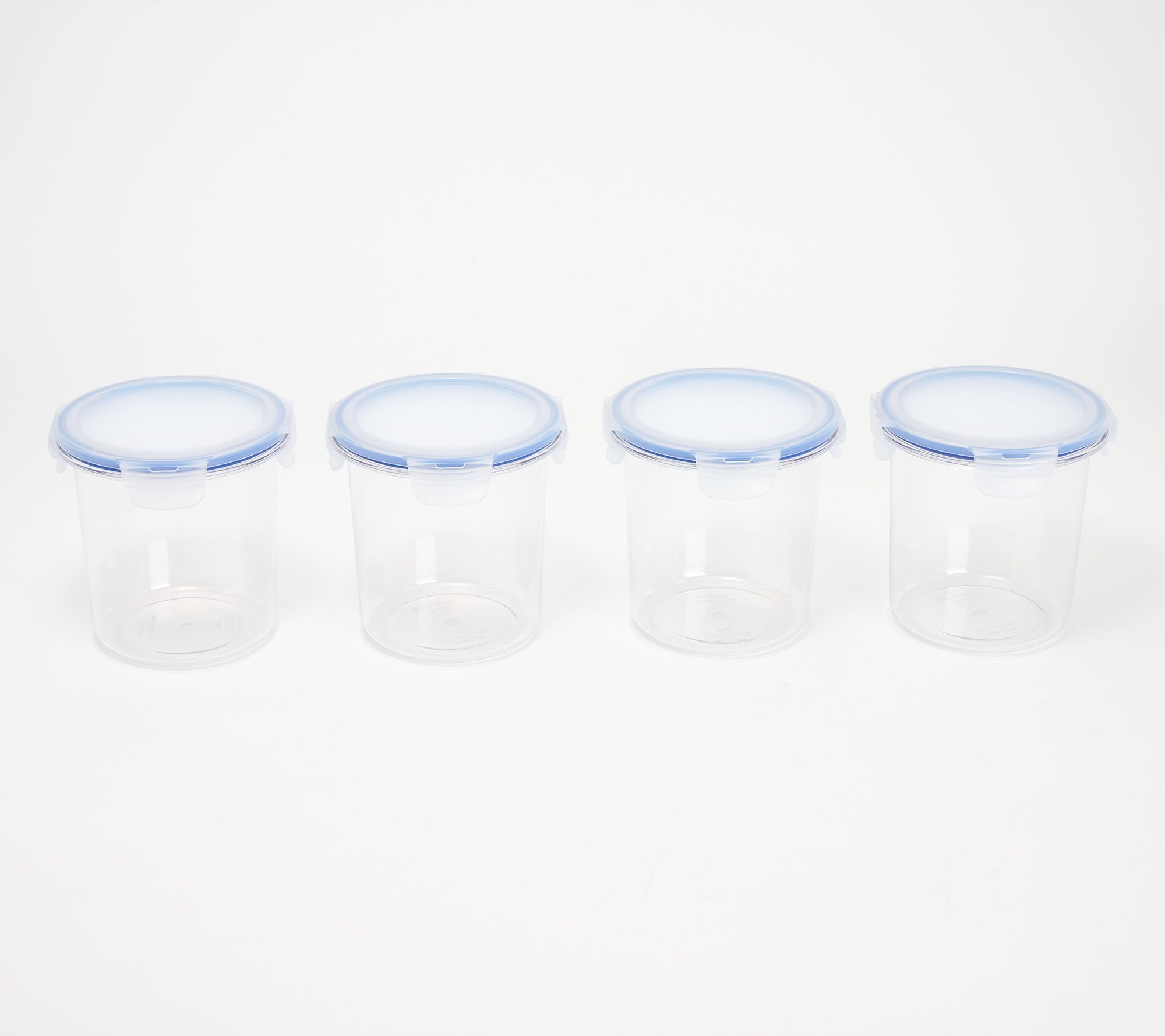
| LocknLock Set of (4) 3-Cup Tritan Canisters | Tritan bodies, polypropylene lids | 4 canisters | 3-1/4 cups each | Snacks, coffee pods, baking add-ins, “refill zone” items that need easy access |
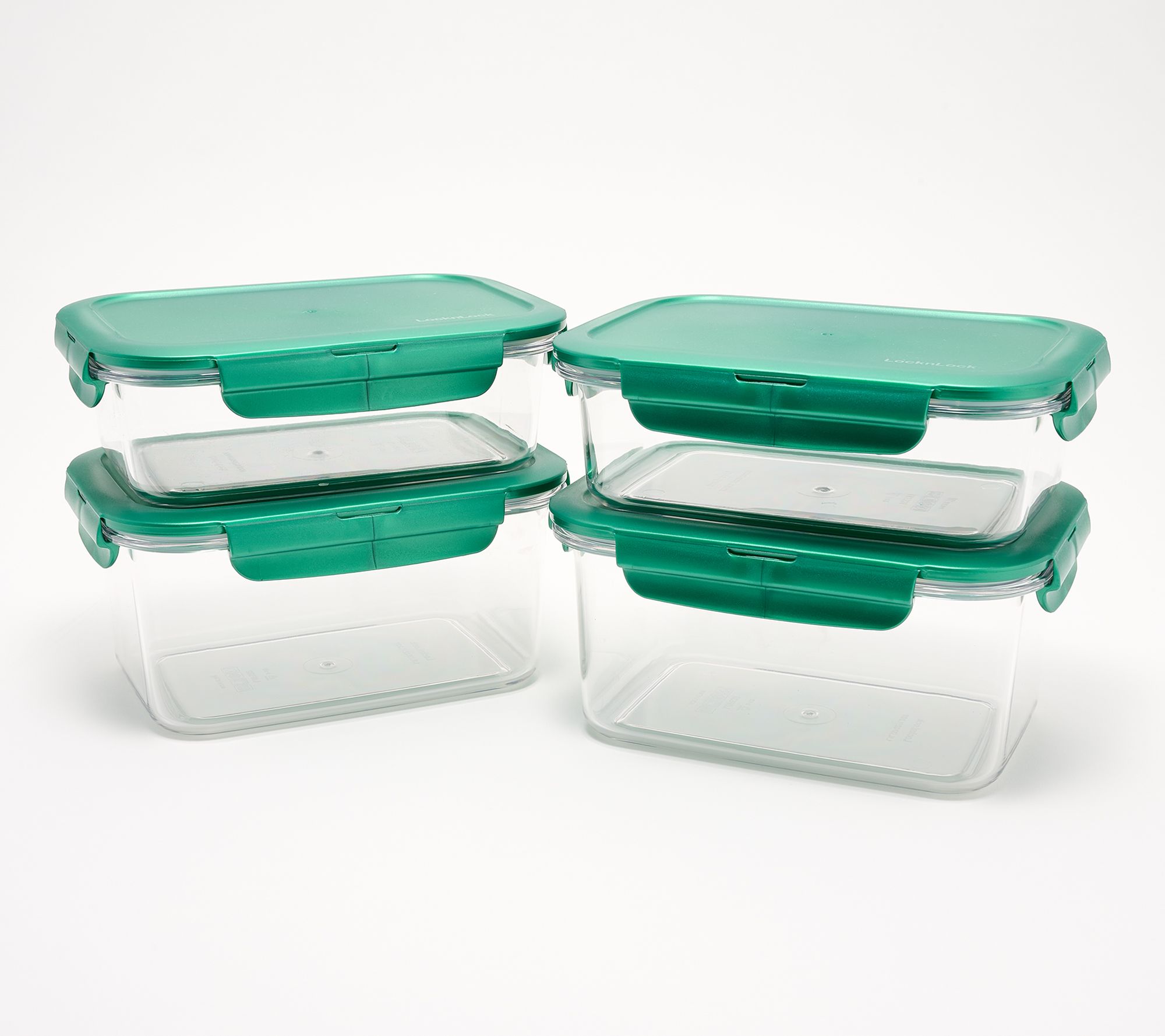
| LocknLock 4-Piece Tritan Rectangle Storage Containers | Clear Tritan bodies, polypropylene lids | 4 containers | Two 4-1/2 cup, two 3-1/4 cup | Pasta, rice, crackers, pre-portioned baking ingredients, tidy stacking in narrow shelf rows |
How to pick between these three (fast)
- Pick the glass bowl set if your “pantry problem” includes leftovers, meal prep, or anything you reheat. The QVC listing highlights oven-safe glass to 500F, plus microwave and freezer use.
- Pick the Tritan canisters if you want a clean snack station that is easy for anyone to use. The square shape is a strong pantry format because it is easy to label.
- Pick the Tritan rectangles if you want simple, stackable containers for staples that line up neatly. The mixed sizes help you standardize without forcing every ingredient into one volume.
Make any container system work better (even before you buy more)
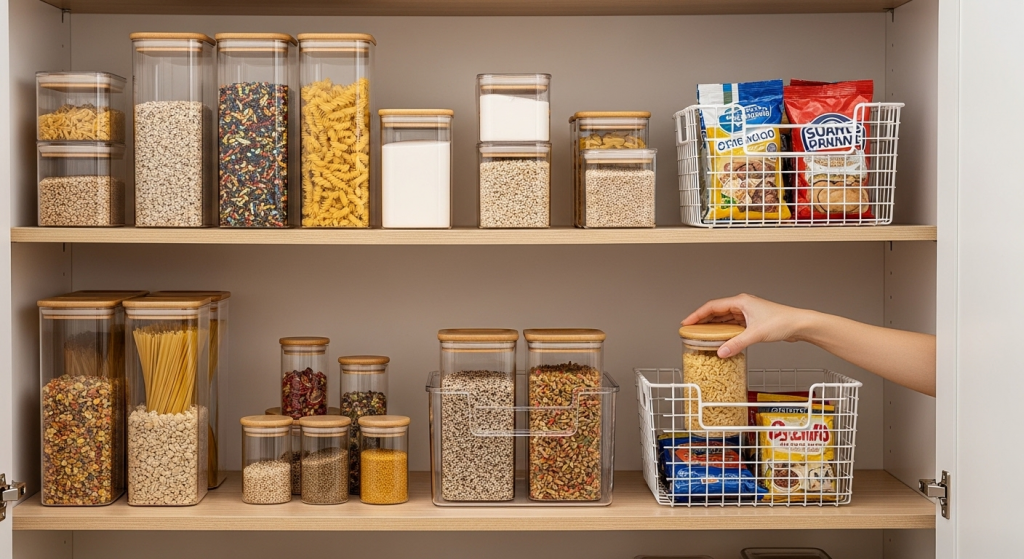
The “Pantry Flow” setup (15 minutes)
- Group by use, not by food type. Put “breakfast grab” together, not “all grains.”
- Create a refill zone. One bin holds backup bags (rice, flour, cereal).
- Label with two parts: what it is + date opened.
- Use FIFO: “first in, first out.” New bags go behind the older container.
If you are building a full pantry reset, this is a perfect spot to internally link with anchor text like pantry organization ideas or kitchen decluttering checklist.
A simple sizing trick that prevents overbuying
Take 3 items you always store (like rice, pasta, cereal). Measure how much you like to keep on hand, then buy containers to match your habit.
Do not buy for a fantasy pantry. Buy for your Tuesday night reality.
Care tips that protect clarity, seals, and flavor
Glass care (keep it looking new)
- Avoid sudden temperature swings (like fridge to very hot oven) unless the product is designed for it.
- Let glass cool before rinsing with cold water, this helps avoid thermal shock.
Tritan care (reduce scratches and lingering smells)
- Skip abrasive scrubbers. Use soft sponges.
- If a lid smells, soak it in warm water with a little baking soda, then air-dry fully.
- Replace seals if they get warped or sticky (seals are the real “freshness engine”).
Sustainability reality check (useful data, not guilt)
If sustainability matters to you, focus on reusability first, then recycling rates second.
- The U.S. EPA reports a 31.3% recycling rate for glass containers in 2018.
- EPA also reports that plastic containers and packaging were recycled at 13.6% in 2018, with over 69% landfilled.
- Glass is widely described as endlessly recyclable without loss of quality or purity, though real-world collection and sorting still matter.
Practical takeaway: if you will reuse Tritan daily for years, it can still be a smart choice. The “greenest” container is often the one you actually keep using.
Pantry scenarios and the best material choice
“My spices stain everything”
Go glass for the stain-prone stuff, even if the rest of your pantry is Tritan.
“My kids constantly drop containers”
Tritan is usually the stress-free choice.
“I want a uniform, aesthetic pantry”
Pick one primary shape in Tritan for most staples, then add a small glass group for coffee, spices, and baking powders.
“I meal prep and reheat all week”
Glass tends to be easier, especially when heat is part of your normal routine.
Conclusion
When it comes to Glass vs. Tritan: Choosing the Right LocknLock for Your Pantry, the best answer is not “one material is always better.” The best answer is matching the material to the job.
Use glass when stains, odors, and reheating are the priority. Use Tritan when you want lightweight, durable, daily-grab containers that make a pantry system easy to maintain.
Your next step: pick one pantry zone to fix first (snacks, breakfast, or baking). Standardize containers for that zone, label them, and stop there until it feels effortless.
The responses below are not provided, commissioned, reviewed, approved, or otherwise endorsed by any financial entity or advertiser. It is not the advertiser’s responsibility to ensure all posts and/or questions are answered.