

Whether you’re a hobbyist, content creator, or professional, buying electronics like cameras, drones, and audio gear can feel overwhelming. With countless models, features, and price points, making the right choice requires research, strategy, and careful comparison. This guide breaks down exactly how to evaluate and choose the gear that fits your needs—so you spend wisely and get the performance you want.
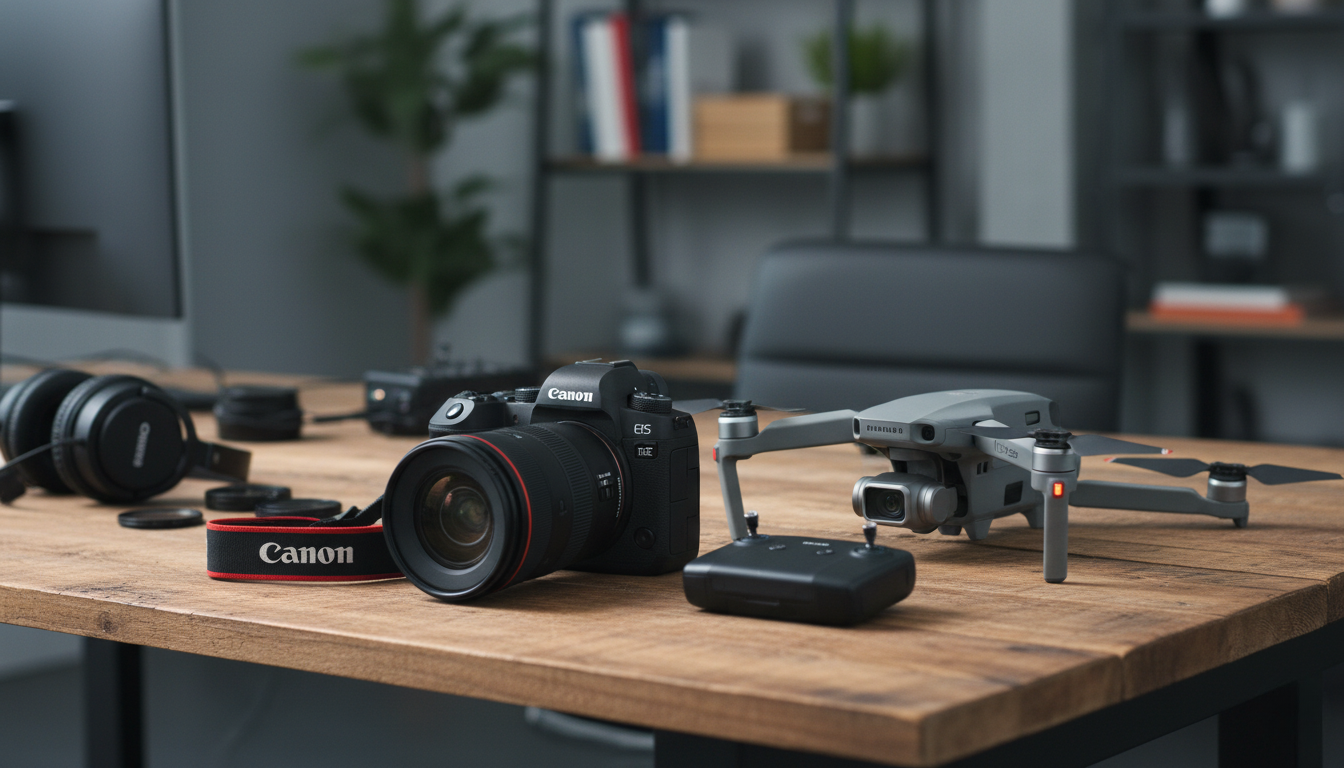



Where to Buy Cameras, Drones, and Audio Gear
When it comes to purchasing electronics, choosing a reliable retailer can save you time, money, and headaches. Here’s a brief look at three popular platforms:
B&H Photo Video
B&H Photo Video is a trusted source for photographers, videographers, and tech enthusiasts. They offer a huge selection of cameras, drones, microphones, and accessories, both new and used. Their detailed product listings, customer reviews, and expert advice make comparing features easy. Plus, B&H offers warranties and reliable shipping, which gives peace of mind for high-value purchases.
Whatnot
Whatnot is an emerging marketplace for collectors and enthusiasts. While it started as a live auction platform, it now offers electronics like limited-edition cameras, drones, and rare audio gear. What sets it apart is the ability to find unique or hard-to-get items and sometimes snag them at competitive prices. Ideal for hobbyists and collectors looking for something special.
Kinguin
Kinguin is best known for software and digital licenses but also sells accessories and bundles that complement your electronics setup. If you’re looking for audio software, firmware upgrades, or subscription-based tools for your cameras and drones, Kinguin often provides affordable options. It’s a good choice for those who want to enhance their hardware without overspending.
Tip: Before buying, check each platform’s return policy, warranty coverage, and shipping options. Combining reliable sellers with careful research ensures you get the best value for your investment.
Why Comparing Electronics Matters
Electronics are an investment. Choosing the wrong camera or drone can cost you time, money, and frustration. Unlike clothes or gadgets you can replace easily, professional-grade gear often involves hundreds—or even thousands—of dollars.
- Avoid buyer’s remorse: A high-end camera might look great on paper but may not suit your shooting style.
- Optimize performance for your needs: Not all drones or microphones are created equal—different models excel in photography, videography, live streaming, or podcasting.
- Understand total cost: Accessories, software, and warranties add to the initial purchase. A holistic comparison prevents unexpected expenses.
Step 1: Define Your Needs
Before comparing specs, determine your priorities. Ask yourself:
- Purpose: Are you creating cinematic films, vlogging, aerial photography, or podcasting?
- Experience Level: Beginners may prefer user-friendly cameras, while pros may need full manual control.
- Portability vs. Power: Drones, cameras, and audio equipment vary in size and weight.
Pro Tip: List your top three “must-haves” and three “nice-to-haves.” This helps narrow choices quickly.
Step 2: Compare Cameras
When choosing a camera, focus on four key aspects:
| Feature | Why It Matters | What to Look For |
|---|---|---|
| Sensor Size | Larger sensors capture better detail and low-light performance | Full-frame or APS-C sensors for photography; Micro Four Thirds for compact setups |
| Resolution | Determines image sharpness | 20–30MP is adequate for most users; 40MP+ for large prints |
| Autofocus | Essential for moving subjects | Look for cameras with advanced autofocus systems, e.g., face/eye tracking |
| Video Capabilities | Important for filmmakers | 4K at 60fps minimum; higher-end models offer 6K–8K and slow-motion |
Popular Camera Brands: Canon, Sony, Nikon, Fujifilm.
Buying Tip: Compare cameras across websites like bhphotovideo.com, which offers detailed specs and user reviews to make side-by-side comparisons easier.
Step 3: Compare Drones
Drones combine tech, portability, and flight performance. Consider these factors:
| Feature | Why It Matters | What to Look For |
|---|---|---|
| Flight Time | Determines how long you can shoot | 25–40 minutes for hobby drones; longer for professional models |
| Camera Quality | Crucial for aerial photography | 4K video and 20MP+ photo resolution standard for prosumer drones |
| Obstacle Avoidance | Reduces crash risk | Advanced drones offer multi-directional sensors |
| Portability | Easy transport vs. performance | Foldable drones for travel; larger drones for stability |
Popular Drone Brands: DJI, Autel, Skydio.
Buying Tip: Platforms like whatnot.com sometimes have limited editions or bundles, offering value for collectors and enthusiasts alike.
Step 4: Compare Audio Gear
Audio quality can make or break recordings. Focus on microphones, headphones, and audio interfaces.
| Gear Type | Key Features | Buying Considerations |
|---|---|---|
| Microphones | Polar pattern, frequency response | Cardioid mics for voice; shotgun mics for video |
| Headphones | Comfort, sound accuracy | Closed-back for studio; open-back for mixing |
| Audio Interfaces | Connectivity, preamps | Ensure compatibility with your computer and software |
Popular Audio Gear Brands: Shure, Rode, Audio-Technica, Focusrite.
Buying Tip: Websites like kinguin.net occasionally offer discounts on premium audio software bundles, which can complement your hardware setup.
Step 5: Use a Comparative Framework
To make a smart decision, use a structured approach:
- Create a Comparison Table: List all shortlisted products and compare specifications, price, and reviews.
- Check Professional and User Reviews: Look for consistent praise or complaints across sources.
- Test in Person (If Possible): Retailers like B&H Photo Video allow in-store demos, helping you evaluate ergonomics and ease of use.
- Consider Future Needs: Electronics evolve quickly; a slightly more expensive model might remain relevant longer.
Step 6: Evaluate Price and Availability
While specs matter, price and availability influence the final choice:
| Platform | What They Offer | Why It’s Useful |
|---|---|---|
| Bhphotovideo | New and used electronics with warranties | Great for comparison shopping and reliable purchases |
| Whatnot | Rare or limited-edition models | Ideal for collectors or finding competitive deals |
| Kinguin | Software, accessories, and bundles | Useful for enhancing your hardware with software licenses |
Tip: Don’t just look at the listed price; factor in shipping, taxes, and potential accessories. Sometimes buying from a bundle can save hundreds.
Step 7: Check Warranty, Support, and Reviews
Electronics are an investment, and manufacturer support matters:
- Warranty: Typically 1–2 years; some brands offer extended coverage.
- Customer Service: Check forums and review sites for responsiveness and reliability.
- Community Feedback: Platforms like Reddit, YouTube, and gear-specific forums provide real-world insights.
Step 8: Make an Informed Decision
After comparing cameras, drones, and audio gear:
- Narrow your options to 2–3 models per category.
- Use side-by-side comparisons to see which product balances price, performance, and features.
- Factor in long-term usability: Consider updates, ecosystem compatibility, and accessory availability.
Pro Tip: Sometimes, waiting a few months for a new release can reduce costs on current models without sacrificing performance.
FAQ's
Q: Should I prioritize brand over specs?
A: No. Specs and usability should guide your choice. Brands matter for support and reliability, but performance should be your primary focus.
Q: Are refurbished electronics worth it?
A: Yes, if purchased from trusted platforms like bhphotovideo.com with warranty coverage. They often offer significant savings with minimal risk.
Q: How often should I upgrade my gear?
A: For most users, 3–5 years is standard. Professionals might upgrade sooner depending on technology demands and industry trends.
Conclusion
Comparing electronics like cameras, drones, and audio gear requires planning, research, and strategic thinking. Define your needs, focus on key specs, and evaluate price, reviews, and support. Platforms such as bhphotovideo.com, whatnot.com, and kinguin.net provide a range of options and insights to help you make a confident choice.
With the right approach, you’ll avoid buyer’s remorse, maximize performance, and invest in electronics that truly enhance your creative work. By using structured comparisons and careful research, the perfect gear is within your reach.
The responses below are not provided, commissioned, reviewed, approved, or otherwise endorsed by any financial entity or advertiser. It is not the advertiser’s responsibility to ensure all posts and/or questions are answered.



Comments 1 comment
I never thought about audio gear this thoroughly...Definitely going to check my setup now