

Trying to choose skincare that actually works can feel confusing and expensive. Labels promise “clinical results” and “dermatologist tested”, but it is hard to know what is real science and what is clever marketing.
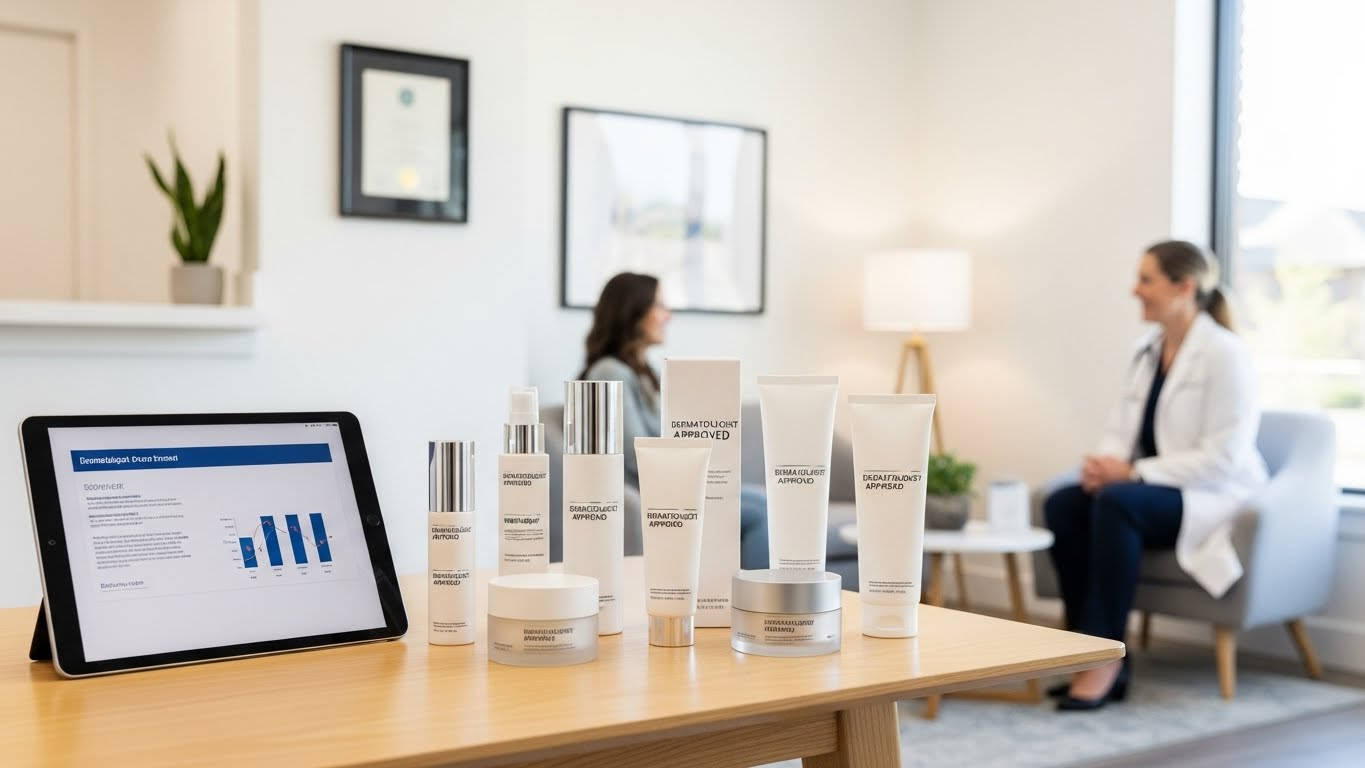
At the same time, people are investing more in their skin. In one report, 47 percent of adults aged 45 and older said they use anti aging skincare products, and more than 70 percent of women say they take their routines seriously.
This guide will help you cut through the noise and find the best dermatologist approved, science backed collections from trusted brands.
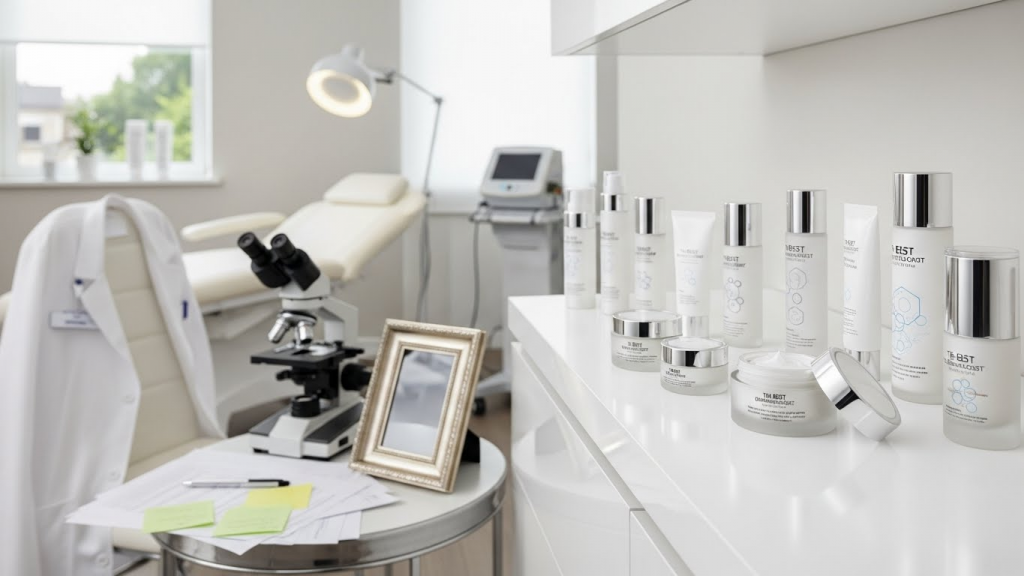
We will focus on three leaders in this space, explain what “science backed” really means, and help you build a simple routine you can stick with every day.
What “dermatologist approved” and “science backed” really mean
What is a science backed skincare collection
A science backed skincare collection is built around ingredients and formulas that have been studied in the lab and often in clinical trials on people. These products are usually tested for things like fine lines, wrinkles, dark spots, firmness, and skin texture over several weeks.
Perricone MD, for example, describes its approach as a “three tier system” that uses powerful ingredients plus clinical and consumer studies to support its claims.
SkinCeuticals calls itself a science backed brand and notes that its products are the result of extensive research, optimal concentrations of actives, and clinical testing to prove effectiveness.
La Roche Posay highlights that its products are developed with dermatologists and use thermal spring water with antioxidant and soothing properties, along with ingredients proven safe and effective for sensitive skin.


What is a cosmeceutical
Many of these lines are called “cosmeceuticals”. Merriam Webster defines a cosmeceutical as a cosmetic preparation that has pharmaceutical properties, meaning it is still a cosmetic but claims extra benefits from active ingredients.
Dermatologist Albert Kligman described cosmeceuticals as products sold as cosmetics but with performance closer to drugs, which is why evidence and testing matter so much.
Why dermatologist approval matters
“Dermatologist approved” is not a legal term, but it usually means at least one board certified dermatologist has reviewed or tested the products.
Brands like SkinCeuticals and La Roche Posay are commonly recommended in dermatology clinics because their formulas and studies are available to professionals and are designed for specific skin concerns such as aging, hyperpigmentation, acne, and sensitive skin.
This combination of dermatologist oversight and published research is what sets the best dermatologist approved, science backed collections apart from trendy products that rely only on social media hype.
How to choose the best dermatologist approved, science backed collections
Step 1: Know your skin and your main concern
Before you pick a brand, decide what problem you want to solve first.
Common goals include:
- Smoother texture and fewer fine lines
- Brighter tone and fewer dark spots
- Stronger skin barrier and less sensitivity
- Clearer pores and less acne
Research shows that anti aging products are especially popular among older adults, and many people use several products each day. Pick one main concern to focus on so you do not build a complicated routine that you will not follow.
Step 2: Look for proven ingredients

Science backed collections often revolve around well studied actives.
Some of the most supported ingredients include:
- Vitamin C (L ascorbic acid) to brighten skin and fight free radicals. SkinCeuticals vitamin C serums, for example, are formulated with high concentrations of antioxidants to help prevent signs of premature aging.
- Retinoids to boost cell turnover and smooth lines. Dermatologists often call retinol the gold standard in topical anti aging care.
- Niacinamide to support the barrier and calm redness.
- Peptides to help improve firmness and the look of elasticity.
- Antioxidants such as ferulic acid, green tea, and resveratrol to defend against pollution and UV damage.
Step 3: Read the proof
With the best dermatologist approved, science backed collections, you should find some level of proof, not just pretty packaging.
Look for:
- Mention of clinical trials on people, not only lab tests
- Time frames such as “improvement after 4 or 8 weeks”
- Clear before and after photos that are not heavily edited
- Explanations of ingredient percentages or technology
For example, Perricone MD explains that its High Potency and Cold Plasma lines are backed by decades of research and that clinical studies often show statistically significant improvements at around 28 days.
SkinCeuticals describes its antioxidant serums as “clinically proven” to improve the appearance of fine lines and uneven tone.
La Roche Posay notes that its formulas are tested on sensitive skin and combine soothing thermal water with proven active ingredients.
Why evidence based skincare matters
| Skin care behavior or stat | Key number | Why it matters |
|---|---|---|
| Adults 45+ using anti aging skincare | 47% | Many consumers want real anti aging benefits, not just hydration. |
| Women who say they take skincare seriously | 70% | People are willing to invest time and money if products work. |
| Adults with a history of sunburn | 79% | Past damage increases the need for protective, science based care. |
| Adults who use facial sunscreen rarely or not at all | About 80% | Many routines still miss the most important anti aging step. |
These numbers show why it is so important to build routines around the best dermatologist approved, science backed collections, not impulse buys that do not protect or repair the skin.
Deep dive into three science backed collections
In this section, we will compare Perricone MD, SkinCeuticals, and La Roche Posay. All three offer dermatologist approved, science based skincare, but each has a different focus and price point.
Perricone MD
Perricone MD was created by dermatologist Dr Nicholas Perricone and is known for a holistic, three tier philosophy that includes diet, supplements, and potent topical products.
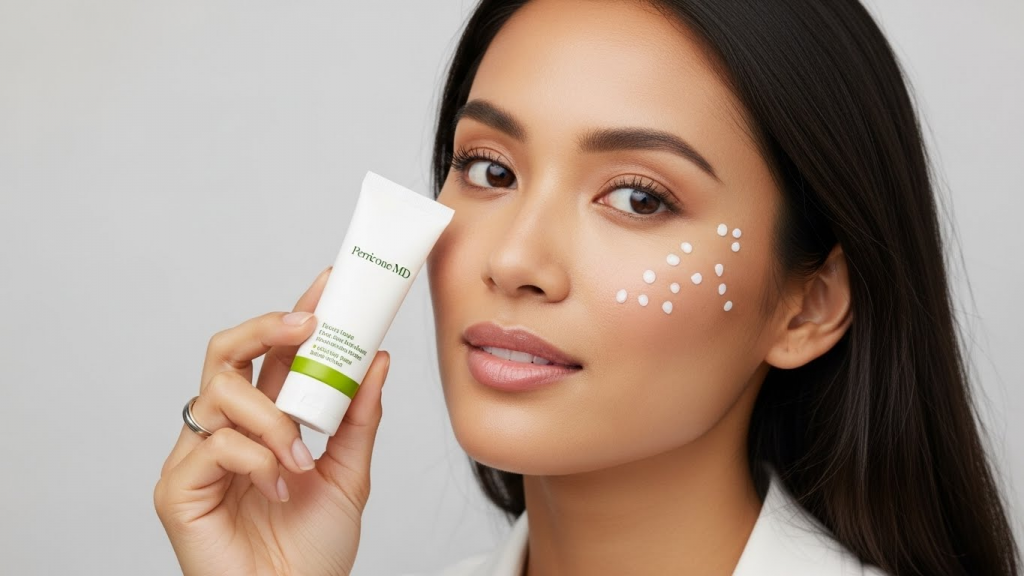
The brand focuses on collections such as:
- High Potency Classics, which target wrinkles, uneven tone, and loss of firmness.
- Cold Plasma Plus+, which addresses multiple signs of aging in one treatment and continues to expand with new innovations.
Perricone MD often uses ingredients like vitamin C ester, alpha lipoic acid, and DMAE, which are positioned as powerful antioxidants and firming agents.
Best for:
- People who want targeted anti aging results, especially for firmness and texture
- Users who like rich textures and are open to a higher price point
- Readers interested in pairing topical care with lifestyle advice
Things to keep in mind:
Some formulas are quite active, so patch testing is a good idea, especially if your skin is sensitive.
SkinCeuticals
SkinCeuticals is often called the number one medical skincare brand and is heavily used in dermatology and aesthetic clinics.
The brand is famous for its antioxidant vitamin C serums, such as C E Ferulic and Phloretin CF, which combine vitamin C with vitamin E and ferulic acid to protect against free radical damage and improve visible signs of aging.
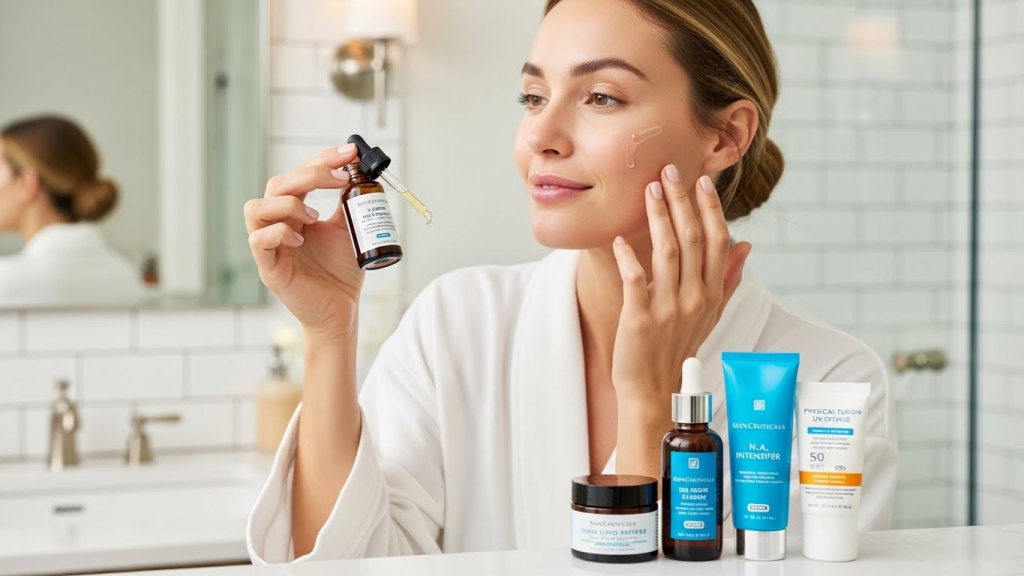
SkinCeuticals highlights that its products:
- Are based on decades of antioxidant research
- Use precise concentrations of actives
- Undergo rigorous clinical testing to show improvements in fine lines, firmness, and discoloration
Best for:
- People focused on prevention and correction of photoaging
- Those who want strong but elegant formulas that layer well under sunscreen
- Readers willing to invest in premium serums with strong clinical backing
Things to keep in mind:
Vitamin C serums can be unstable if not stored properly, so follow storage directions closely and pay attention to color and expiration.
La Roche Posay
La Roche Posay is a French brand developed with dermatologists and is known for formulas that work even for sensitive skin.
Its products are built around La Roche Posay thermal spring water, which is naturally rich in minerals and has soothing and antioxidant properties.
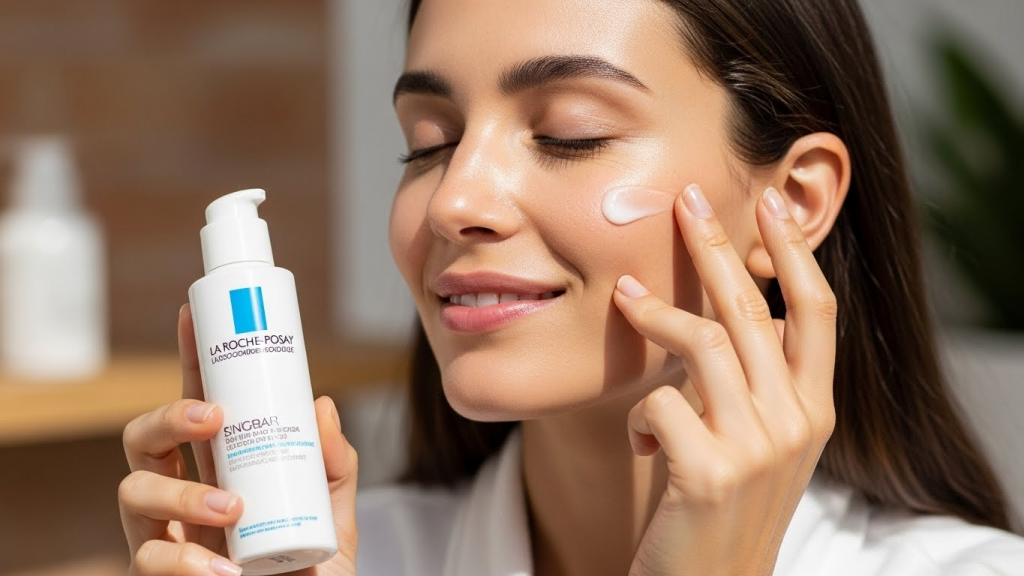
The brand offers several science backed collections, including:
- Toleriane, designed for sensitive and intolerant skin
- Anthelios, its well known line of high protection sunscreens
- Effaclar, focused on oily and acne prone skin
La Roche Posay states that products for sensitive skin are stringently tested and combine safe, effective ingredients with their thermal water.
Best for:
- Sensitive or reactive skin types
- People who want dermatologist level formulas at mid range prices
- Anyone building a strong daily sunscreen habit
Things to keep in mind:
Some formulas include fragrance or alcohol, so always read the ingredient list if your skin reacts easily.
Brand comparison table
| Brand | Main focus | Hero technologies | Ideal user |
|---|---|---|---|
| Perricone MD | Holistic anti aging, firmness, and texture | High Potency Classics, Cold Plasma Plus+, antioxidant rich actives like vitamin C ester and DMAE | Someone who wants visible anti aging results and is comfortable with a higher investment |
| SkinCeuticals | Prevention and correction of photoaging and environmental damage | High concentration antioxidant serums, vitamin C, vitamin E, ferulic acid, and other advanced actives | Someone focused on science backed serums that pair well with in office procedures |
| La Roche Posay | Sensitive skin care and sun protection | Thermal spring water with antioxidant properties, dermatologist developed sunscreens and barrier friendly formulas | Someone with sensitive skin who wants dermatologist approved options at more accessible prices |
Together, these three brands offer some of the best dermatologist approved, science backed collections for many different skin types and budgets.
How to build a simple, science backed routine
You do not need a 10 step routine to see benefits.
In fact, dermatologists often warn that over exfoliation and too many products can damage the skin barrier.
Here is a simple structure you can adapt using any of the three brands above.
Morning routine
-
Gentle cleanser
- Choose a hydrating or mild foaming formula that respects the barrier.
- La Roche Posay Toleriane cleansers are an example of dermatologist recommended options for normal to dry or sensitive skin.
-
Antioxidant serum
- Use a vitamin C based serum from a science backed collection, such as SkinCeuticals antioxidant or vitamin C serums, to protect against free radicals and help brighten the skin.
-
Moisturizer
- Pick a texture that suits your skin type, from lightweight lotion to rich cream.
-
Broad spectrum SPF 30 or higher
- Sunscreen is the most important anti aging step.
- In one survey, only about 41 percent of Americans used sunscreen more than 60 days per year, and another study found that only 20 percent used facial sunscreen regularly, even though 79 percent had experienced sunburn.
- This gap makes daily sun protection essential if you want your science backed collections to actually work.
Night routine
-
Cleanser
- At night, remove makeup and sunscreen carefully. Double cleansing can help if you use heavy products.
-
Treatment step
- Choose one main active at night, such as a Perricone MD treatment for firmness, a SkinCeuticals resurfacing product, or a La Roche Posay retinol designed for sensitive skin.
-
Moisturizer or barrier cream
- Support your skin with a moisturizer that locks in hydration and reduces potential irritation.
Common myths about dermatologist approved, science backed skincare
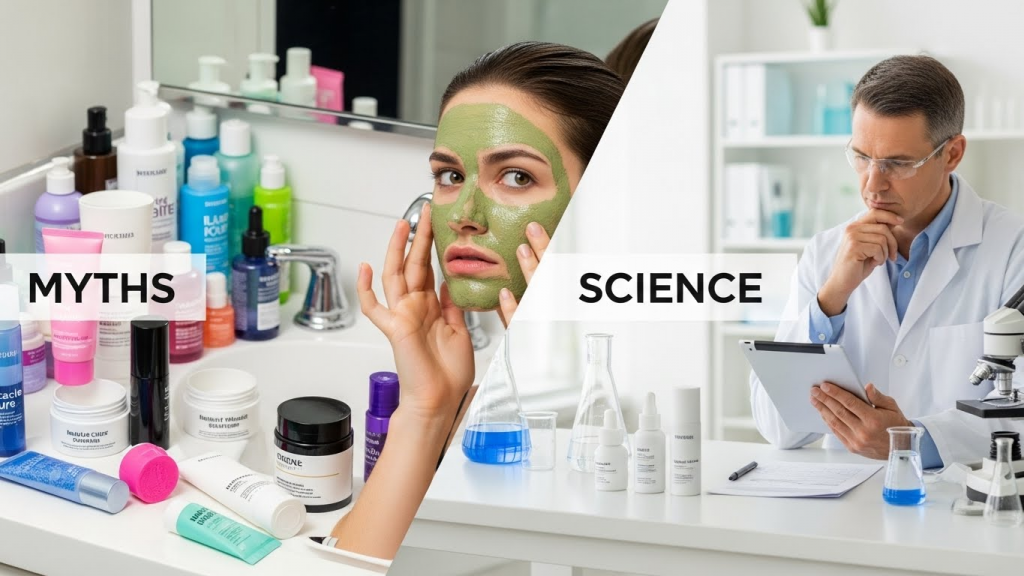
Myth 1: More products mean better results
Many consumers, including teens and tweens, are building complex routines because of social media trends, and younger shoppers drove nearly half of drugstore skin sales in one recent report.
However, dermatologists often recommend simple routines with a few effective products.
Focusing on the best dermatologist approved, science backed collections for your main concern usually works better than piling on many random products.
Myth 2: Science backed skincare is only for older skin
Research shows a growing interest in anti aging products among younger age groups, often without clear guidance about what they actually need.
In reality, the most important steps for younger skin are gentle cleansing, daily sunscreen, and perhaps a basic antioxidant.
More aggressive actives like strong retinoids or multiple acids should usually come later and with dermatologist advice.
Myth 3: If it is sold online, it must be safe
There is very little regulation of marketing terms for cosmetics, so words like “clean”, “natural”, or even “dermatologist tested” do not always guarantee quality.
That is why it is smart to favor brands that share clear information about clinical studies, ingredient concentrations, and safety testing, as Perricone MD, SkinCeuticals, and La Roche Posay do on their official sites.
Conclusion: How to move from hype to real, science based results
If you feel overwhelmed by skincare choices, you are not alone. Most people want healthy, glowing skin, yet many do not use sunscreen consistently or choose products with solid research behind them.
The good news is that you can build an effective routine with just a few smart decisions.
- Focus on the best dermatologist approved, science backed collections instead of short lived trends.
- Choose a brand that fits your skin type and budget, whether it is Perricone MD for intensive anti aging, SkinCeuticals for powerful antioxidant serums, or La Roche Posay for sensitive skin and sun protection.
- Keep your routine simple but consistent, especially with sunscreen and key actives like vitamin C and retinol.
If you want to go deeper, your next step could be to read a focused guide on how to build a complete anti aging routine, then map your existing products against these three brands to see where science backed upgrades make the most sense.
By combining trusted brands, proven ingredients, and everyday habits, you can turn THE BEST DERMATOLOGIST APPROVED, SCIENCE BACKED COLLECTIONS into real, visible results on your skin, not just a line in your shopping cart.
The responses below are not provided, commissioned, reviewed, approved, or otherwise endorsed by any financial entity or advertiser. It is not the advertiser’s responsibility to ensure all posts and/or questions are answered.