

If you are shopping for an at-home LED mask, you probably want two things that are hard to get at the same time: real results and a routine you will actually stick with. The reason this matters is simple. LED masks are not “one and done.” They are about steady use, week after week.
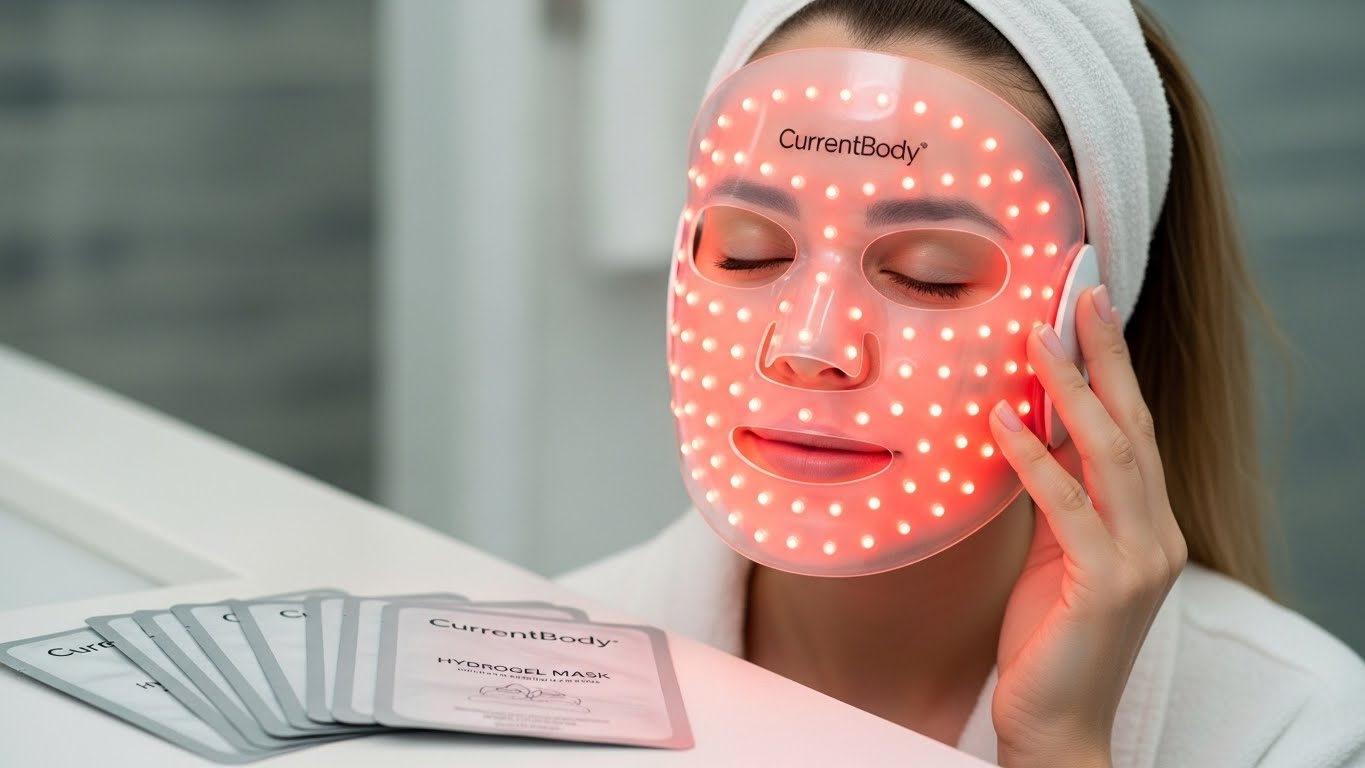
This guide breaks down the best CurrentBody Skin LED Mask Series 2 with 10 Face Hydrogel Masks bundle, using plain language and real evidence. You will learn what the wavelengths mean, what kind of changes are realistic, and how to compare it to other QVC devices without getting lost in marketing.
Quick take: who this bundle is best for
The best CurrentBody Skin LED Mask Series 2 with 10 Face Hydrogel Masks set is a strong fit if you want:
- A flexible, hands-free mask you can wear while doing other things
- Red and near-infrared wavelengths commonly studied for wrinkle and texture improvement
- A simple routine, about 10 minutes, several times a week
- A hydration “boost step” (hydrogel masks) that pairs well with light sessions
You may want to skip it if you know you will not use it consistently, or if you have light sensitivity issues. The American Academy of Dermatology notes that some people should be cautious, especially those with light sensitivity.
Compare 3 QVC LED options
| Product (QVC) | Type | Light modes | Session time | Best for |
|---|---|---|---|---|
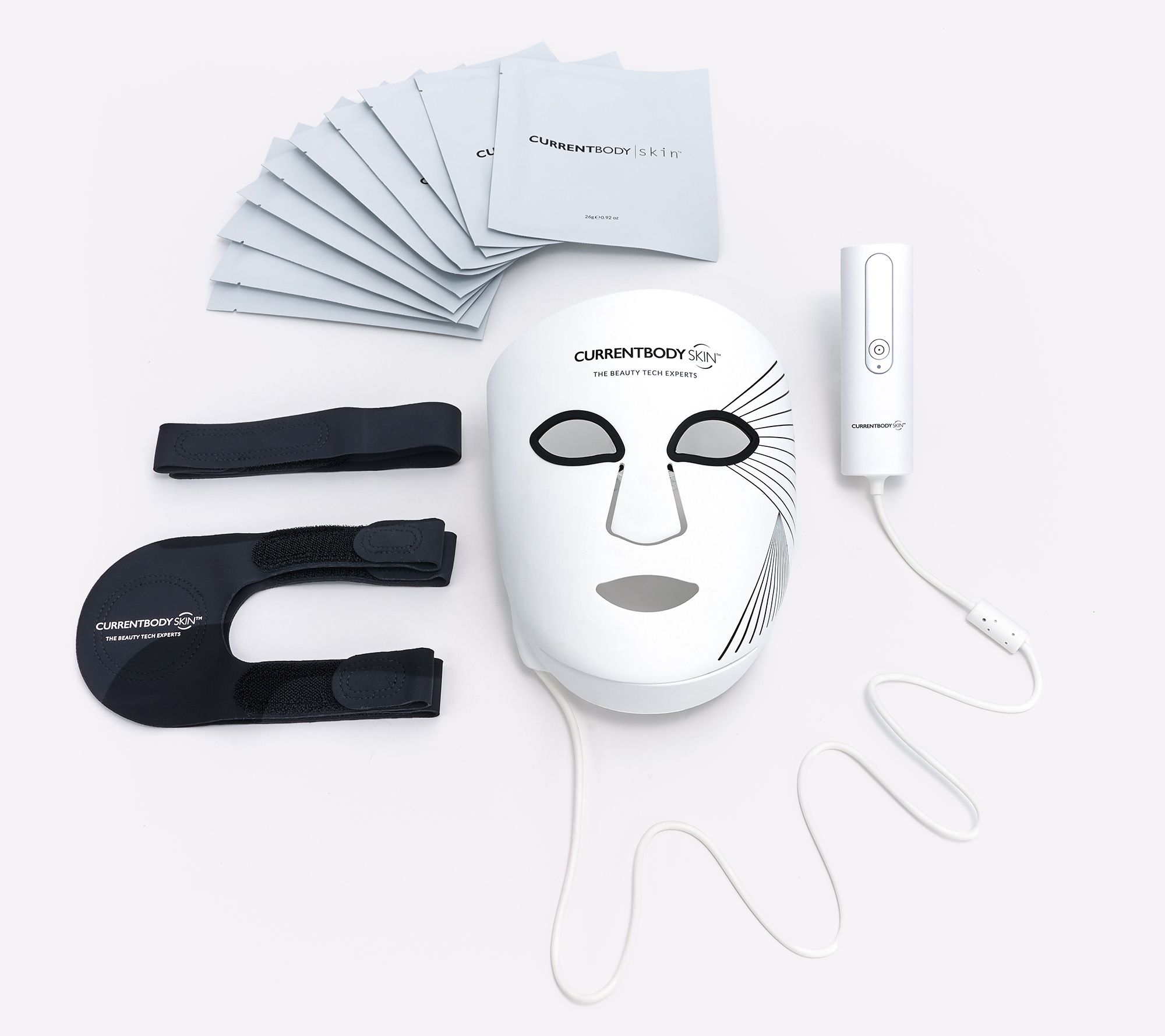
| CurrentBody Skin LED Mask Series 2 bundle + 10 hydrogel masks | Flexible face mask | Red + near-infrared + deep infrared (per QVC listing) | 10 minutes | Full-face wrinkles, routine you can keep |
| HigherDose Red Light Face Mask + Light-Activated Serum bundle | Flexible face mask | Red + near-infrared | Noted as a mask device, designed for full-face wrinkles | Wrinkles plus a serum step |
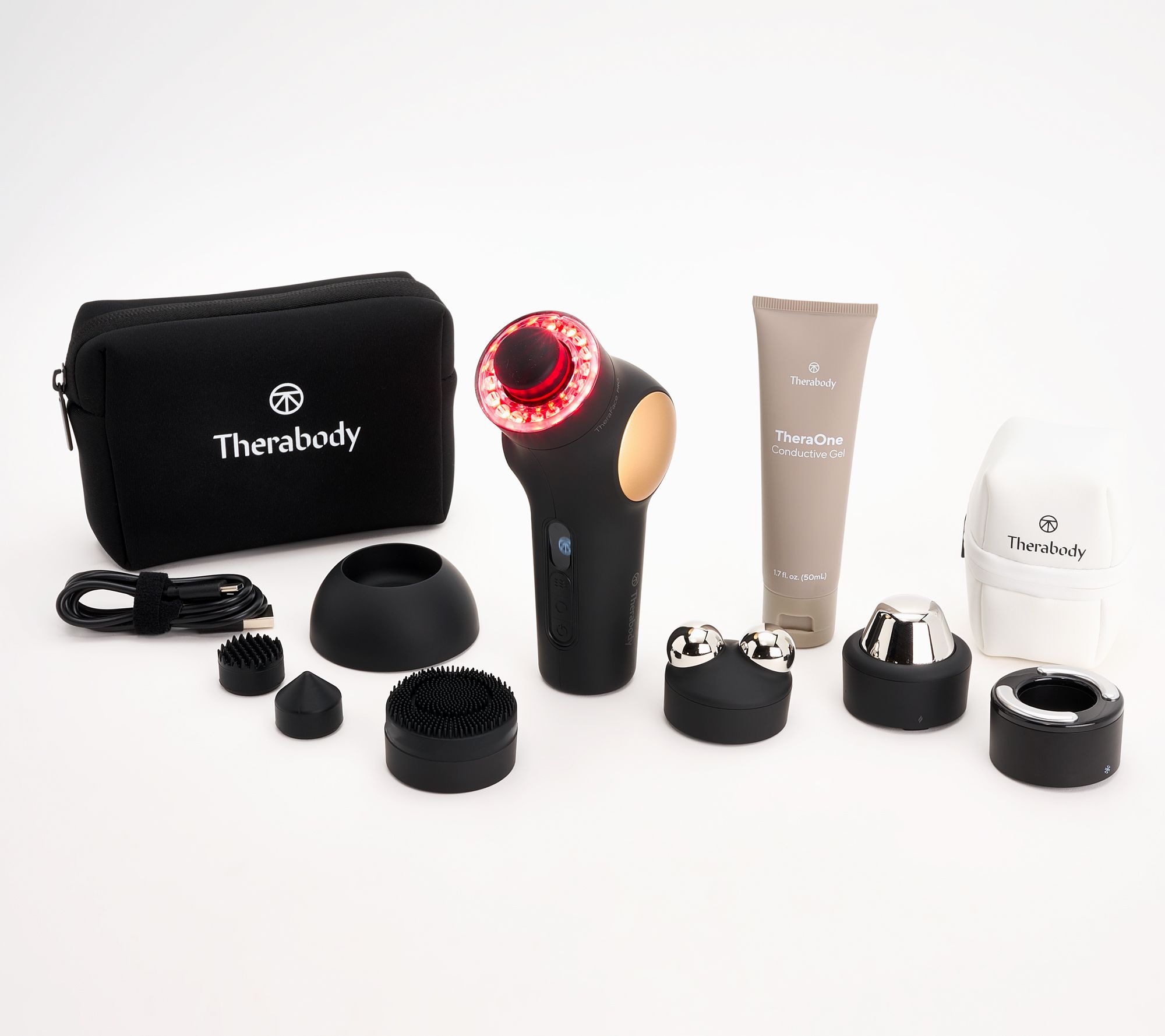
| TheraFace PRO all-in-one facial device | Handheld multi-tool | Microcurrent + cleansing + LED ring (blue, red, red+infrared) | Varies by attachment | If you want “one device, many modes” |
How LED light therapy helps skin look smoother
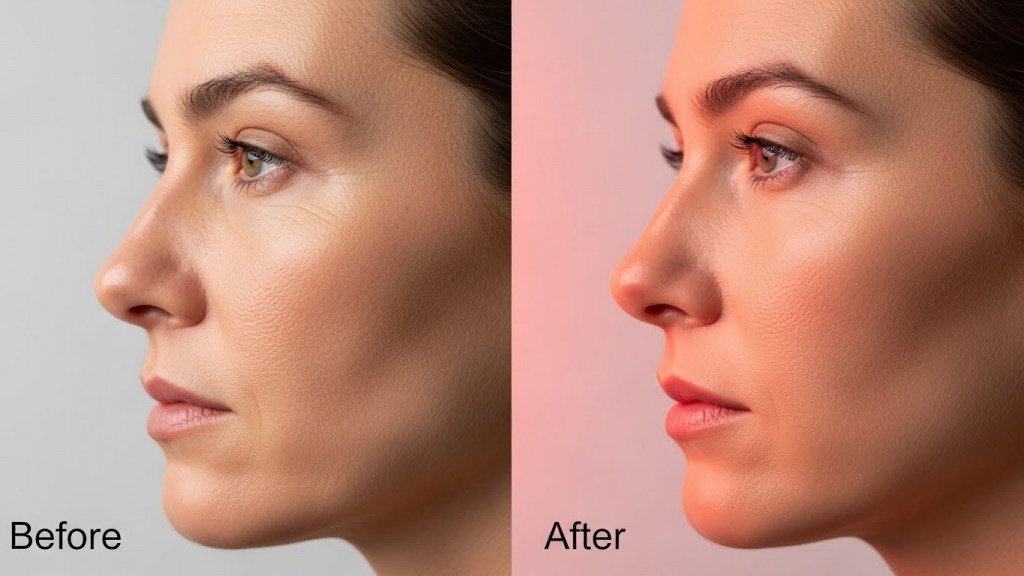
What red and near-infrared light are trying to do
Red light therapy (often called photobiomodulation) uses specific wavelengths of light that interact with cells in the skin. The goal is not heat or “burning off” layers. It is more about signaling. A large review of photobiomodulation in dermatology describes how light can influence cellular pathways and inflammation, which helps explain why it is used for skin concerns.
The key idea: the wavelength matters
Many studies focus on red light around the low 600s nm and near-infrared around the 800s nm. Two well-cited clinical studies looked specifically at combined 633 nm and 830 nm LED treatments and reported improvements in wrinkles and skin texture, along with supportive lab findings like collagen changes.
That does not mean every device is equal. Power, coverage, fit, and routine all matter. But it does explain why a mask that clearly lists its wavelengths can be a better bet than a cheap “mystery spec” device.
What results usually look like in real life
A good way to think about results is “subtle to noticeable” rather than “instant facelift.” The American Academy of Dermatology says some studies show red light devices can lead to results for fine lines and other signs of aging, but expectations should stay realistic.
A separate consumer-facing medical source also describes red light therapy as a real option for skin goals like fine lines and texture, while noting that results and quality vary across devices.Why this CurrentBody Series 2 QVC bundle stands out
It is built for consistency
The best CurrentBody Skin LED Mask Series 2 with 10 Face Hydrogel Masks bundle is designed around a routine people can repeat. On QVC, the Series 2 is described as lightweight, flexible, hands-free, and intended for full-face wrinkles as an FDA-cleared over-the-counter device.
Consistency is the hidden “secret” with LED. A mask you can wear while you answer emails or fold laundry is easier to keep using.
It uses a mix of wavelengths for aging concerns
The QVC listing highlights red and near-infrared wavelengths, and also mentions a deep infrared wavelength in the Series 2 coverage details (as shown on the related QVC product description).
Why that matters: the strongest published wrinkle studies often involve red and near-infrared ranges, including 633 nm and 830 nm combinations.
It includes hydrogel masks that pair well with light sessions
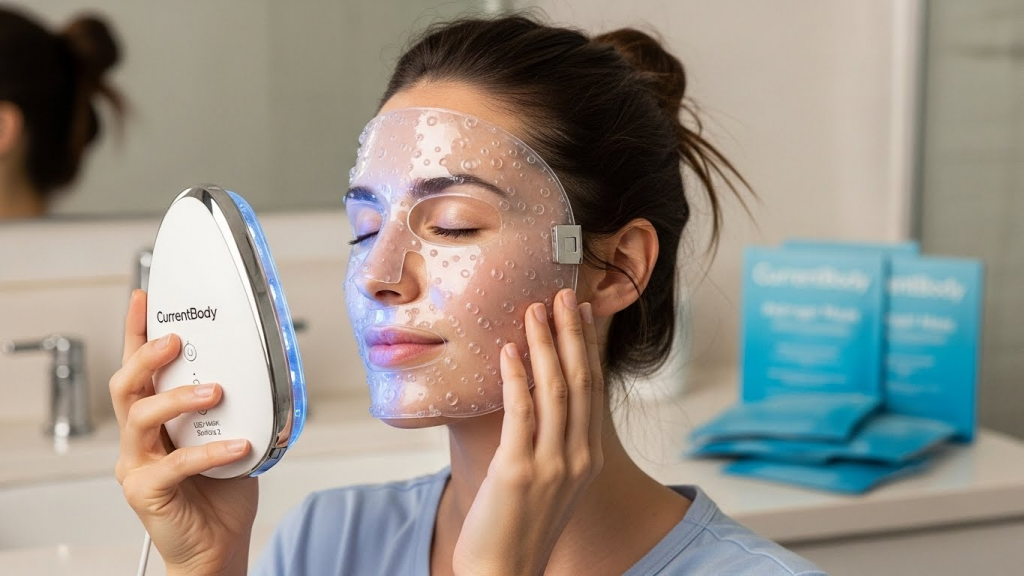
This QVC set includes 10 hydrogel masks, and QVC notes they contain hyaluronic acid (sodium hyaluronate) and are designed to be used with or alongside the LED mask.
Hyaluronic acid is widely used to support hydration. A peer-reviewed review on topical hyaluronic acid reports that HA-based products can improve hydration and skin quality measures, which fits the “plumper, more hydrated” feel many people want after LED sessions.
How to use the mask and hydrogel masks for the best shot at results
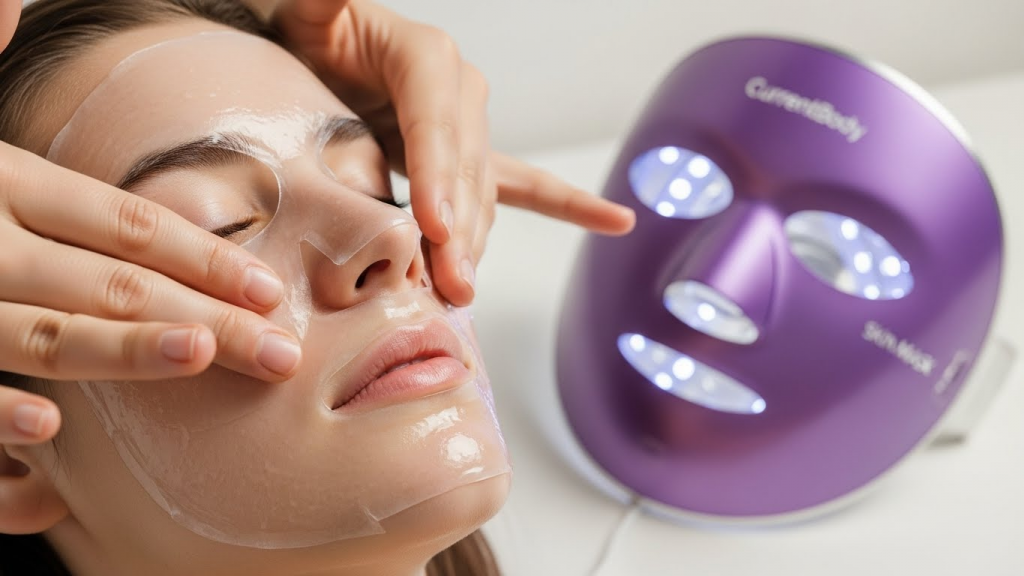
A simple routine you can follow
QVC’s Series 2 FAQ and product guidance describe a common schedule: 10 minutes per session, 3 to 5 times per week, with results sometimes visible in as little as 4 weeks when used regularly.
Here is a beginner-friendly plan that matches that idea:
Weeks 1 to 2: build the habit
- Use the LED mask 3 times per week for 10 minutes
- Use a hydrogel mask 1 to 2 of those sessions
- Take a quick phone photo in the same lighting once a week
Weeks 3 to 4: tighten consistency
- Move to 4 to 5 times per week if your skin is calm
- Use hydrogel masks when you want extra hydration, especially if you feel dry
Weeks 5 to 8: stay steady
- Keep the same schedule
- Evaluate changes in fine lines, texture, and “glow,” not just one wrinkle
Where hydrogel masks fit best
Think of hydrogel masks as your “comfort and hydration layer.” They can make sessions feel more soothing, and they help with temporary plumping from hydration.
One caution: any occlusive mask can increase hydration quickly. Short-term occlusion changes the skin’s outer layer hydration. That is not always bad, but if you are prone to irritation, keep an eye on redness or sensitivity.
Before-and-after expectations
| Time point | What you might notice |
|---|---|
| After 1 to 2 weeks | Skin may look slightly more “rested,” hydration feels better (especially with hydrogel) |
| Around 4 weeks | Early texture changes, mild softening of fine lines (common claim window on device guidance) |
| 6 to 8 weeks | Better chance of noticeable wrinkle and firmness improvements, based on published LED studies using similar red + near-infrared ranges |
Does the science support wrinkle improvement claims?
There is real research behind LED phototherapy for skin rejuvenation. Two classic studies (including a randomized, placebo-controlled trial) reported that combined 830 nm and 633 nm LED phototherapy improved measures related to skin rejuvenation and was well-tolerated in the study setting.
There are also broader reviews and medical explainers that say the evidence is strongest for certain uses, including wrinkle reduction, while also pointing out that device specs and study designs vary.
So the honest answer is: yes, there is supportive evidence, but your results depend on the device quality and how consistently you use it.
Safety checklist
Most people use red light devices without major issues, but safety still matters. The American Academy of Dermatology notes that people with light sensitivity should be cautious. Mayo Clinic’s discussion of LED face masks also highlights general safety, while recommending care for people who are sensitive to light and reminding users about eye protection.
Use this quick checklist
| Question | If “yes,” do this |
|---|---|
| Do you have a history of light sensitivity or reactions? | Ask a dermatologist before using |
| Are you using prescription products that irritate skin (like strong retinoids) right now? | Separate your LED session from your strongest actives, start slowly |
| Do your eyes feel strained during use? | Use proper eye protection and follow device guidance |
| Do you have a medical condition you are unsure about? | Treat this like any other device: get medical advice first |
Deep comparison: CurrentBody Series 2 vs HigherDose vs TheraFace PRO
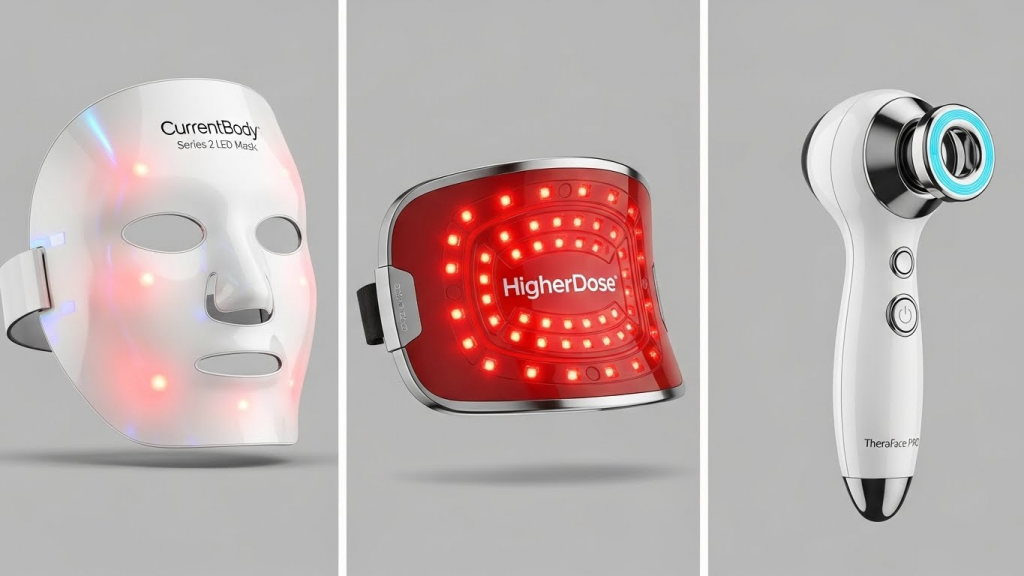
CurrentBody Skin LED Mask Series 2 bundle
Best for: full-face routine, comfort, and a clear “do this 10 minutes” plan.
QVC highlights improved fit and enhanced LED coverage, and describes it as intended for use on full-face wrinkles.
Why people pick it: it is made to be worn hands-free, which makes consistency easier.
HigherDose Red Light Face Mask bundle
Best for: people who want red + near-infrared plus a serum step baked into the kit.
QVC describes it as using 630 nm and 830 nm wavelengths for full-face wrinkles and includes Light-Activated Glow Serum with ingredients like hyaluronic acid and niacinamide.
Why people pick it: a simpler spec list, plus the serum can help support hydration and brightness.
TheraFace PRO
Best for: someone who wants multiple features, not just LED.
QVC describes it as including microcurrent, cleansing, and an LED ring with blue, red, and red+infrared light, plus other attachments.
Why people pick it: you get a “toolbox” device, but it can be harder to stay consistent because there are more options and steps.
How to choose the best option for your skin goals
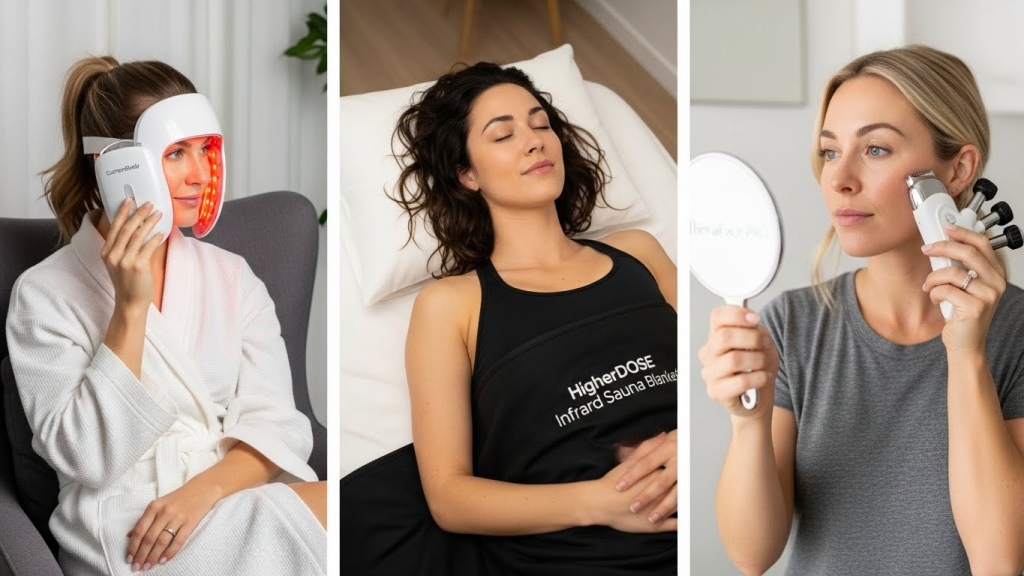
If wrinkles and texture are your main goal
Pick the device you will use 3 to 5 times per week. That is the real win. The best CurrentBody Skin LED Mask Series 2 with 10 Face Hydrogel Masks bundle is strong here because the routine is simple and the mask is hands-free.
If dryness and “tight” skin are part of the problem
Hydration support helps. Hydrogel masks plus an HA-friendly routine can improve the look of fine lines that are made worse by dryness. Topical hyaluronic acid has supportive evidence for hydration and skin quality benefits.
If you want a multi-step “facial at home”
TheraFace PRO makes sense if you love devices and want microcurrent and cleansing in the same system.
Mini routine that pairs well with LED
Use this to avoid wasted effort.
AM
- Gentle cleanse
- Moisturizer
- Sunscreen (daily)
PM (on LED days)
- Cleanse
- LED mask session
- Hydrogel mask (optional)
- Moisturizer
PM (non-LED days)
- Cleanse
- Your treatment step (if you use one)
- Moisturizer
Common questions people ask (PAA-style)

How often should I use an LED mask?
Device guidance matters most. For this CurrentBody Series 2 QVC bundle, QVC’s FAQ guidance points to 10 minutes per day, 3 to 5 times a week, with early results sometimes in about 4 weeks.
Is red light therapy safe?
For many people, yes, but not for everyone. Dermatology guidance warns people with light sensitivity to be cautious, and medical guidance often reminds users about eye protection.
Do hydrogel masks “make LED work better”?
They do not magically change the light, but they can help with hydration and comfort. Hyaluronic acid products can support hydration and skin quality, which can make skin look smoother and feel plumper.
When will I know if it is working?
Give it 6 to 8 weeks of steady use before you judge. Clinical LED studies for rejuvenation often evaluate results after multiple weeks, not days.
Conclusion: is it worth it?
If you want a realistic, evidence-backed way to support smoother-looking skin at home, and you know you can stay consistent, the best CurrentBody Skin LED Mask Series 2 with 10 Face Hydrogel Masks bundle is a smart pick. It combines a simple schedule, hands-free wear, and hydration support through hydrogel masks.
Your next step:
- Pick the device you will actually use every week.
- Commit to a 6 to 8 week test.
- Track progress with photos in the same lighting.
That is the difference between “I tried it” and “it worked for me.”
The responses below are not provided, commissioned, reviewed, approved, or otherwise endorsed by any financial entity or advertiser. It is not the advertiser’s responsibility to ensure all posts and/or questions are answered.