

Choosing the right laptop in 2025 can feel overwhelming. With so many options on the market—from budget-friendly machines to premium powerhouses—it's easy to get lost in the specs, features, and marketing claims.
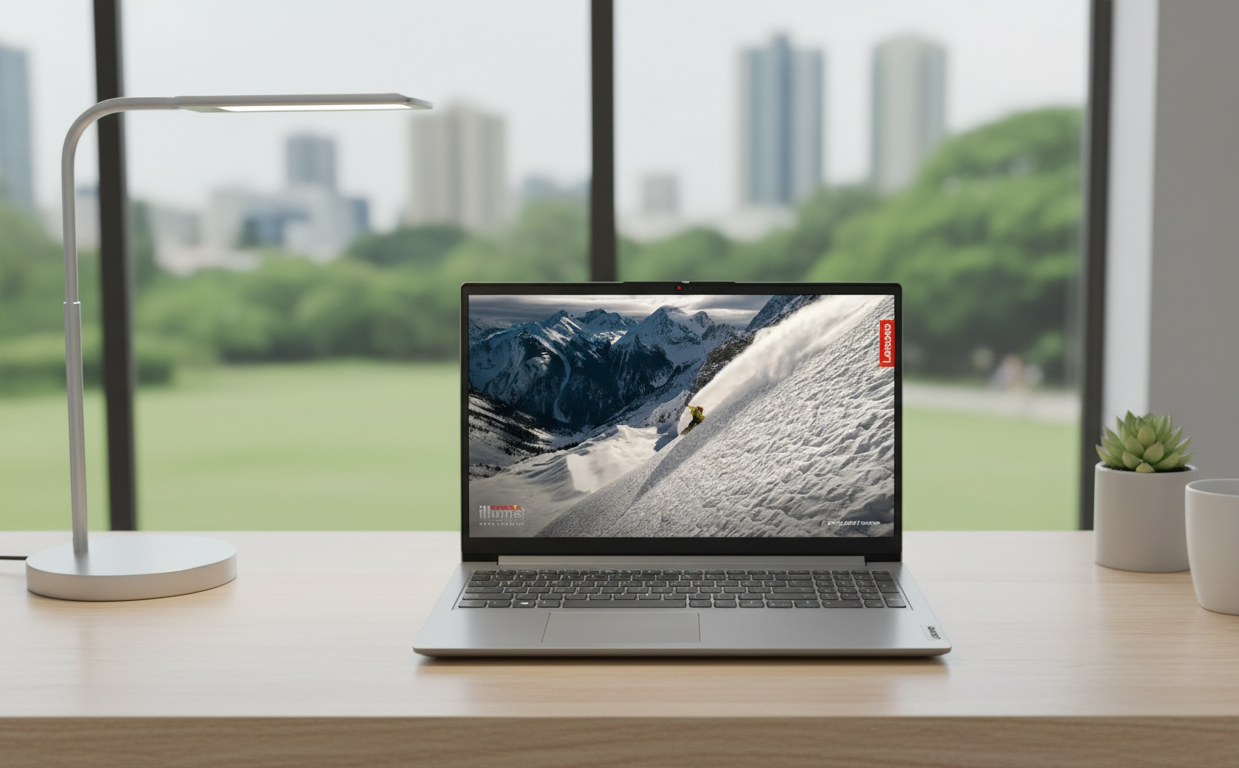
Whether you’re a student, professional, gamer, or casual user, knowing the difference between budget and premium laptops is essential for making a smart purchase. This guide will cover the key considerations, highlight top brands, and help you choose the laptop that fits both your needs and your budget



Breaking Down Budget vs. Premium Laptops
Before diving into brands and specs, let’s define the two main categories:
Budget Laptops
Budget laptops are designed to provide essential computing functions at an affordable price. They’re ideal for tasks like browsing the web, streaming videos, working on documents, and light multitasking.
- Affordable, usually under $700
- Lightweight and portable
- Energy-efficient with decent battery life
- Limited processing power
- Lower-quality displays and build materials
- Shorter lifespan compared to premium models
Premium Laptops
Premium laptops, on the other hand, are high-end devices that offer advanced performance, superior build quality, and often cutting-edge features. They are ideal for professionals, creatives, gamers, or anyone who needs power and reliability.
- High-performance processors and graphics
- Crisp, high-resolution displays
- Robust build quality with longer lifespan
- Enhanced features such as fingerprint readers, backlit keyboards, and advanced cooling
- Expensive, often $1,000+
- Heavier, though many ultrabooks are lightweight
- Features may exceed casual needs
Key Factors to Consider When Choosing Your Laptop
When deciding between a budget and premium laptop, consider the following factors:
1. Performance Needs
The first step is assessing what you’ll use the laptop for. For casual web browsing and office tasks, a budget laptop with an Intel Core i3 or AMD Ryzen 3 processor is sufficient. If you’re a video editor, programmer, or gamer, a premium laptop with Intel Core i7/i9 or AMD Ryzen 7/9, paired with dedicated graphics, is recommended.
| Task | Recommended Laptop Type | Minimum Specs |
|---|---|---|
| Web browsing/office | Budget | Intel i3, 8GB RAM |
| Photo/video editing | Premium | Intel i7, 16GB RAM, dedicated GPU |
| Gaming | Premium | Intel i7/i9, 16–32GB RAM, high-end GPU |
| Students | Budget/Premium | Intel i5, 8–16GB RAM |
2. Display & Portability
Premium laptops often feature high-resolution screens (4K or QHD), OLED options, and better color accuracy. Budget laptops typically stick to Full HD or HD screens.
Portability is another consideration. If you carry your laptop daily, a lightweight option with long battery life is crucial. Budget laptops can be lighter, but premium ultrabooks combine power with portability.
3. Battery Life
Battery life varies widely. Budget laptops generally last 5–8 hours, while premium laptops can reach 10–15 hours, depending on usage. Look for reviews on real-world battery performance rather than manufacturer claims.
4. Build Quality & Durability
Premium laptops use metal chassis and higher-quality components, making them more durable. Budget laptops often use plastic, which can feel less sturdy. If you travel frequently or work in challenging environments, investing in durability is worth considering.
5. Software & Ecosystem
Some premium laptops come with exclusive software optimizations, better warranties, and longer driver support. Budget models may have shorter support cycles and fewer preloaded tools.
Top Brands and Models to Consider in 2025
When shopping, it’s helpful to look at reputable brands that consistently deliver reliable laptops. Here’s an overview of some top choices:
Lenovo
Lenovo offers both budget and premium options.
- Budget: Lenovo IdeaPad series – Affordable, reliable, and perfect for students and casual users.
- Premium: Lenovo ThinkPad X1 Carbon – Lightweight, powerful, and praised for its keyboard, display, and durability.
Lenovo’s laptops often excel in build quality and user experience across price ranges.
Samsung
Samsung is known for sleek designs and strong displays.
- Budget: Samsung Galaxy Book Go – Affordable and portable, ideal for students and everyday use.
- Premium: Samsung Galaxy Book Pro 360 – Convertible laptop with AMOLED display, long battery life, and excellent portability.
Samsung laptops are particularly appealing for creatives who prioritize screen quality.
HP
HP balances affordability and premium features effectively.
- Budget: HP Pavilion series – Solid performance at a reasonable price, with good design and battery life.
- Premium: HP Spectre x360 – High-end convertible laptop, lightweight, durable, and packed with features for productivity and creativity.
HP is known for sleek aesthetics and reliable customer support.
B&H Photo Video

B&H Photo Video is a retailer that stocks a wide range of laptops across budgets. While they carry many brands, they’re ideal for comparing options, reading detailed specifications, and finding deals on both budget and premium laptops.
- Budget: Various models from Acer, ASUS, and Dell at affordable prices.
- Premium: MacBook Pro, high-end Lenovo, and HP premium laptops – all available with detailed specs and user reviews.
Shopping at B&H ensures access to multiple brands, reliable stock, and expert advice.
Common Questions When Choosing Between Budget and Premium Laptops
Can a budget laptop handle gaming?
Budget laptops can run casual games but will struggle with high-end AAA titles. For serious gaming, a premium laptop with a dedicated GPU is necessary.
How long do budget laptops last compared to premium models?
Typically, budget laptops last 2–4 years with average use, while premium laptops can last 5–7 years or more, thanks to higher-quality components and better support.
Are premium laptops worth the extra cost?
If you need high performance, better displays, durability, or professional-grade features, yes. If your usage is basic, a budget laptop may be sufficient.
Making the Final Decision
Choosing the best laptop comes down to knowing your needs, budget, and long-term expectations. Here’s a quick decision guide:
- Assess your usage: Casual tasks vs. professional work or gaming.
- Set a budget: Determine the maximum you’re willing to spend.
- Compare brands and models: Look for reliability, battery life, and user reviews.
- Consider longevity: Premium laptops may save money in the long run if you avoid early replacements.
- Test if possible: Try keyboards, screens, and weight in-store or via demos.
The Bottom Line

In 2025, choosing between a budget and premium laptop doesn’t have to be daunting. Budget laptops are great for everyday tasks, portability, and affordability, while premium laptops provide power, durability, and cutting-edge features for professional and creative use. By carefully assessing your needs, comparing reputable brands like Lenovo, Samsung, HP, and exploring options at retailers like B&H Photo Video, you can confidently choose a laptop that balances performance, features, and cost.
Remember, the “best” laptop isn’t always the most expensive—it’s the one that fits your lifestyle, tasks, and long-term goals.
The responses below are not provided, commissioned, reviewed, approved, or otherwise endorsed by any financial entity or advertiser. It is not the advertiser’s responsibility to ensure all posts and/or questions are answered.



Comments 2 comments
Honestly, budget laptops have come a long way. My IdeaPad still runs great after 3 years
Battery life is the dealbreaker for me...most budget laptops still don’t last a full workday