

You’re not trying to become a roadside mechanic. You just want to get yourself and your family home—safely and on time.

Here’s the truth: even well-maintained cars break down. In 2024, AAA handled 27+ million roadside calls in the U.S., with battery problems and tow-aways making up roughly 74% of all incidents. That’s about 7 million battery-related calls in one year.
This guide shows you how to assemble a Vehicle Safety Toolkit: BoostHero Jump Starter & Essential Car Tech—a compact, modern kit built around a portable jump starter (the Limitless BoostHero) and a few smart add-ons. You’ll learn what to carry, why it matters, and exactly how to use it safely.
Why a modern vehicle safety toolkit matters
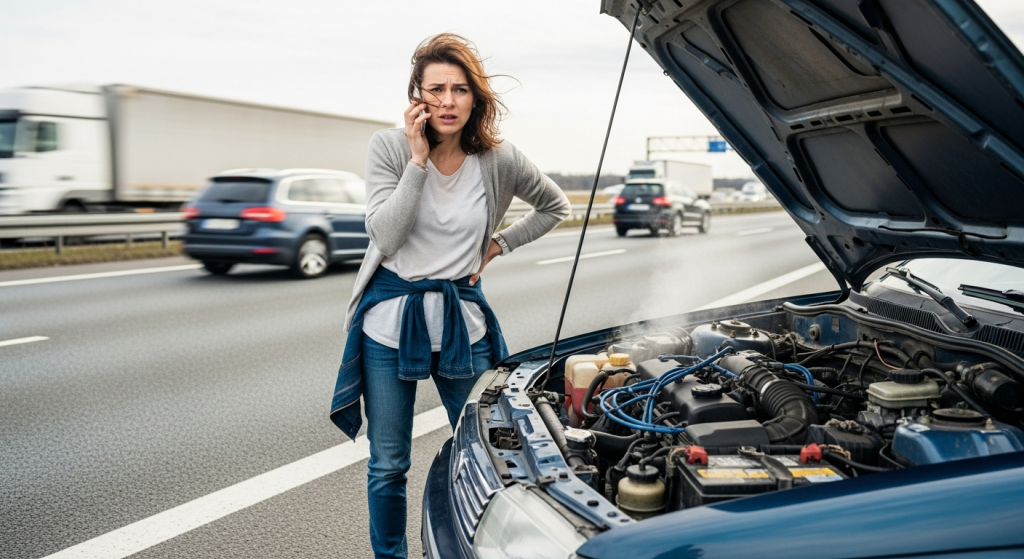
Breakdowns still happen—especially batteries
Car batteries typically last 3–5 years depending on climate and use. Heat and cold both shorten life, and winter mornings are notorious for no-starts.
Government and safety agencies actively recommend carrying an emergency roadside kit—including first-aid, light, tire tools, and yes, jumper cables or a jump starter.
EVs and 12-volt realities
Even EVs use a 12-volt battery for key systems. While the top roadside issue for EVs is often tire trouble, a portable power source is still handy for electronics and accessories.
Bottom line: a compact, well-chosen kit solves the most common “can’t go” problems without waiting for a truck.
The core loadout: Vehicle Safety Toolkit (BoostHero + essentials)

Think small, light, and high-impact. Start with the Limitless BoostHero Jump Starter as your anchor, then add these items recommended by safety agencies:
| Category | What to Pack | Why It Helps |
|---|---|---|
| Power & Start | Limitless BoostHero Jump Starter; 12-in/USB-C charge cable; glove-friendly clamps | Safe, self-contained jump starts without another car; doubles as power bank/flashlight |
| Visibility | ANSI-compliant high-visibility vest; reflective triangles/LED beacons | Be seen from far away while you work roadside (OSHA visibility guidance). |
| Light | Headlamp + flashlight (spare batteries) | Hands-free lighting at night or in rain |
| Tires | Compact inflator; tire pressure gauge; plug kit; valve-core tool | TPMS warns late; a gauge and inflator fix many issues. |
| First Aid | Vehicle first-aid kit with tourniquet and gloves | Treat minor injuries until help arrives. |
| Basics | Work gloves, duct tape, small tool roll, zip ties, fuses | Quick fixes for hoses, trim, and loose bits |
| Comfort | Emergency blanket, water, non-perishable snacks, paper towels | Stay safe if stranded for a while |
| Docs & Nav | Phone charger, printed insurance/assist numbers, paper map | Batteries die; paper doesn’t |
| Fluids | Washer fluid; nitrile gloves; small funnel | Clear visibility and tidy top-offs |
| Fire Safety (optional) | 1–2 lb ABC extinguisher (monthly visual inspection per NFPA 10) | For small, incipient fires only—safety first. |
NHTSA’s emergency-kit guidance also includes flares/white flag, basic tools, and a jack/ground mat. Use that as your baseline and tailor for climate and trip length.
Spotlight: Limitless BoostHero Jump Starter (the anchor of your kit)
A Vehicle Safety Toolkit: BoostHero Jump Starter & Essential Car Tech starts with dependable power. The Limitless BoostHero Jump Starter is designed to:
- Jump your own car without a second vehicle.
- Protect against mistakes (reverse-polarity and short-circuit protections are standard on quality units).
- Power devices (USB/USB-C output for phones, inflators, and emergency lights).
- Light the scene (integrated flashlight with SOS mode is common on premium jump starters).
Why pick a jump starter vs. just cables?
Cables need another working vehicle. A jump starter works solo, which is safer and faster on a shoulder or in a parking garage at night.
Tip: Keep the BoostHero charged (top it up every 3 months), store it in its case, and avoid extreme heat in summer. See the lithium-ion safety section below.
Quick-start: How to jump-start with a portable pack (safe sequence)

- Power off the vehicle and all accessories.
- Wear your hi-vis vest and place triangles/LED beacons if safe.
- Connect clamps: red to positive (+), black to a clean engine ground or negative (–) point per your owner’s manual.
- Power on the BoostHero and wait for the ready/OK indicator.
- Start the vehicle. If it doesn’t start in ~3–5 seconds, stop and wait 30–60 seconds before trying again.
- Disconnect in reverse order once the engine runs.
- Let it charge: drive at least 20–30 minutes so the alternator can recover the battery (have the battery tested soon).
Pro move: If the battery is older than 3 years—or if cranking sounds weak—schedule a test. Most batteries die with little warning after that point.
Lithium-ion safety, made simple
Most modern jump starters and power banks use lithium-ion cells. They’re compact and powerful—but treat them with care:
- Use and store as directed. Keep in the case, away from coins/keys that can short terminals.
- Avoid heat and soft surfaces while charging. Don’t charge on a seat, bed, or under blankets.
- Replace if damaged or swelling; do not use a device that runs unusually hot.
- Recalls happen. Millions of power banks have been recalled for overheating risks—always choose reputable, certified products and register them to receive recall notices.
- Dispose properly. Do not toss lithium-ion devices in household trash; follow local guidance or manufacturer recall instructions.
Build once, check twice: your seasonal maintenance plan
A kit only helps if it’s charged, complete, and within reach. Follow this simple cadence.
Monthly (5 minutes)
- Check BoostHero charge level; top off if below 80%.
- Test your flashlight/headlamp; rotate AA/AAA batteries.
- Verify tire pressure with a gauge; don’t rely solely on TPMS, which typically warns only when pressure is significantly low.
Every 6 months
- Inspect/replace first-aid items and snacks; swap water bottles.
- Quick fire-extinguisher look: pin intact, gauge in green, no damage (NFPA 10 calls for monthly inspections).
- Clean battery terminals; schedule a battery test if age ≥ 3 years.
Before long trips or extreme weather
- Top off washer fluid; pack extra layers/blanket.
- Check jack, lug wrench, spare or repair kit, and your inflator.
- Review Ready.gov disaster kit basics (handy if storms or wildfires affect your route).
People Also Asked (quick answers)
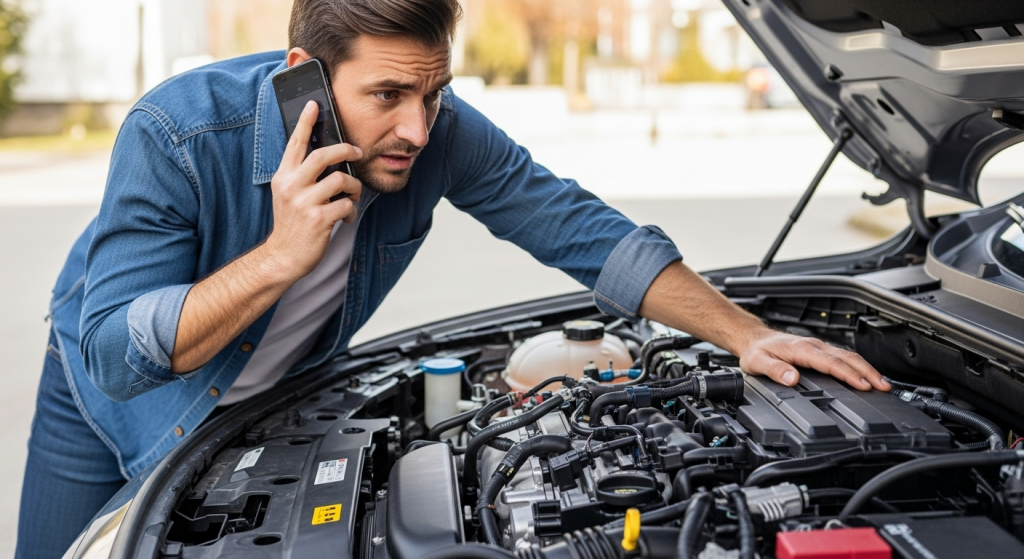
What should be in a car emergency kit?
NHTSA suggests: phone and charger, first-aid (with tourniquet), flashlight, flares/white flag, jumper cables, tire gauge, jack/ground mat, gloves/change of clothes, basic tools/duct tape, water/paper towels, food/meds, washer fluid, and maps. Add a jump starter to go farther with less weight.
Are jump starters safe to keep in the car?
Yes—if you follow the manual, avoid heat, and keep metal objects away from the ports/clamps. Replace any swollen or damaged unit and dispose of lithium-ion devices properly.
Do I still need cables if I have a jump starter?
A quality jump starter can replace cables for most drivers. Cables can stay as a backup if you often caravan or help others.
Is TPMS enough for tire safety?
No. TPMS usually alerts only when a tire is well under the recommended pressure. Carry a gauge and inflator to keep tires at spec for grip, braking, and tire life.
Do I need a fire extinguisher in my car?
Private passenger cars aren’t typically required to carry one, but a small ABC dry chemical can help with a tiny fire if you can do so safely. Inspect monthly (per NFPA 10) and never open the hood if flames are active—back away and call 911.
How to choose a portable jump starter (so you buy once)
Use these criteria to evaluate any model, including the Limitless BoostHero Jump Starter:
- Safety tech: Look for reverse-polarity, over-current, over-temp, and short-circuit protection.
- Peak/Start ratings that match your engine: Manufacturers express output in “peak amps.” As a rule of thumb, modern lithium starters sized for gas up to ~6–8L and diesel up to ~3–6L cover most passenger vehicles; heavier trucks may need more. (Check your vehicle’s manual and the starter’s spec chart.)
- Battery quality & certifications: UL-compliant cells and housings; reputable brand; warranty. Recalls happen—registration ensures you’ll be notified.
- Charging & ports: USB-C input/output makes topping up easy; some inflators can run from the pack.
- Cold-weather performance: Batteries lose cranking power in the cold—models rated for low-temperature use help. (Cold snaps trigger battery failures widely.)
- Case & clamp quality: Insulated, sturdy clamps and a protective case matter when you’re working in rain or on gravel.
- Useful extras: Bright LED with SOS, percent-readout display, and rubber port covers.
A compact tire kit that pairs perfectly with BoostHero
Since tire issues are common—especially on heavier vehicles—add a plug kit, mini inflator, and a gauge. Keep pressures at the door-jamb spec; underinflation hurts stopping distances and stability, and can lead to heat buildup and blowouts.
The 10-minute glovebox checklist (print this)
- BoostHero charge ≥ 80%
- Flashlight/headlamp working
- Tire gauge + inflator present
- First-aid restocked
- Hi-vis vest in door pocket
- Triangles/LED beacons accessible
- Duct tape, zip ties, multi-tool in pouch
- Paper map + insurance numbers
- Snacks/water in trunk organizer
- Extinguisher (if carried): pin/gauge OK
Mini-stats that put it all into perspective
- 27+ million AAA roadside calls in 2024; ~7 million were battery issues. A portable jump starter directly addresses a top failure point.
- TPMS ≠ a tire gauge. TPMS typically signals only when pressure is already too low; carry your own gauge and check monthly.
- Cold mornings = dead starts. Regional reports show spikes in dead batteries during cold snaps—be ready.
- Lithium-ion = handle with care. Recent recalls of >1 million power banks show why certifications and proper disposal matter.
Conclusion: Pack once, breathe easier every day
A Vehicle Safety Toolkit: BoostHero Jump Starter & Essential Car Tech gives you control over the problems drivers face most: dead batteries, low tires, and poor visibility. Pair a dependable Limitless BoostHero Jump Starter with a small set of essentials (hi-vis, light, tire tools, first-aid), and you’ll turn most roadside “oh no” moments into a quick fix.
Your next step (15 minutes today):
- Put a BoostHero in your glovebox.
- Add the items in the core loadout table.
- Set a 3-month reminder to recharge and a 6-month reminder to review the kit.
That’s it—safe, simple, and ready.
The responses below are not provided, commissioned, reviewed, approved, or otherwise endorsed by any financial entity or advertiser. It is not the advertiser’s responsibility to ensure all posts and/or questions are answered.