

Winter 2025, cold weather running does not have to mean misery. Learn the simple layering system, safety checks, and gear picks, plus a brand comparison of Bandit Running vs Tracksmith vs Janji.
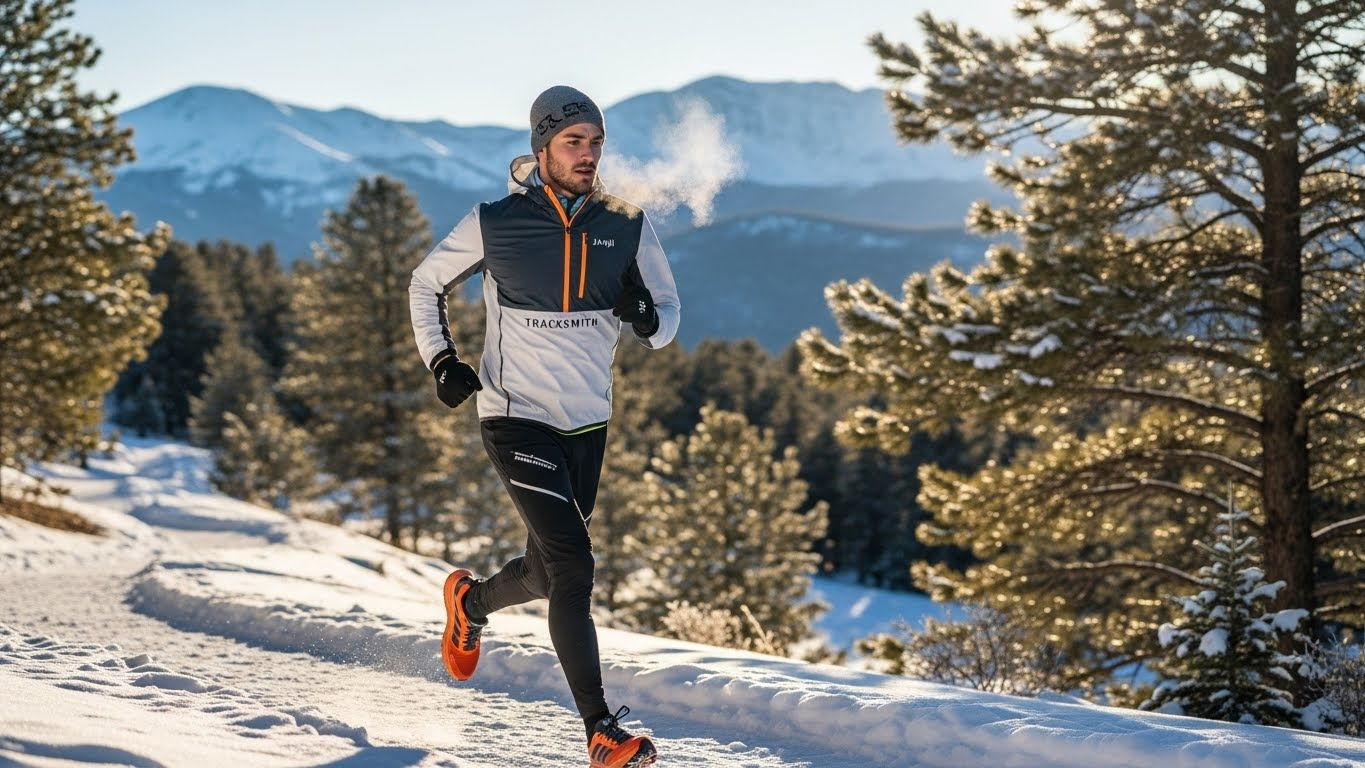



If you love running but hate feeling cold, wet, or overdressed, you are not alone. Winter runs can feel amazing once your body warms up, but the first 10 minutes (plus wind and sweat) can turn a “quick easy run” into a shiver fest.
This guide is built for Winter 2025, Cold Weather Running and focuses on decisions that actually matter: what to wear, how to stay safe, and how to pick gear that fits your style and budget. You will also see a clear comparison of Bandit Running against two similar, premium running apparel brands, Tracksmith and Janji.
The one rule that changes everything
Dress for the middle of your run, not the first five minutes. Most runners should feel slightly cool when they step outside, because you will warm up fast. If you feel “cozy” at the door, you will probably overheat and sweat. Wet sweat plus cold wind is where runs go sideways, fast. The CDC warns that cold exposure can drop body temperature as your body loses heat faster than it produces it.

Quick check: if you are planning an easy run, dress one “step” warmer than a workout day.
What to wear for cold weather running (the 3-layer system)
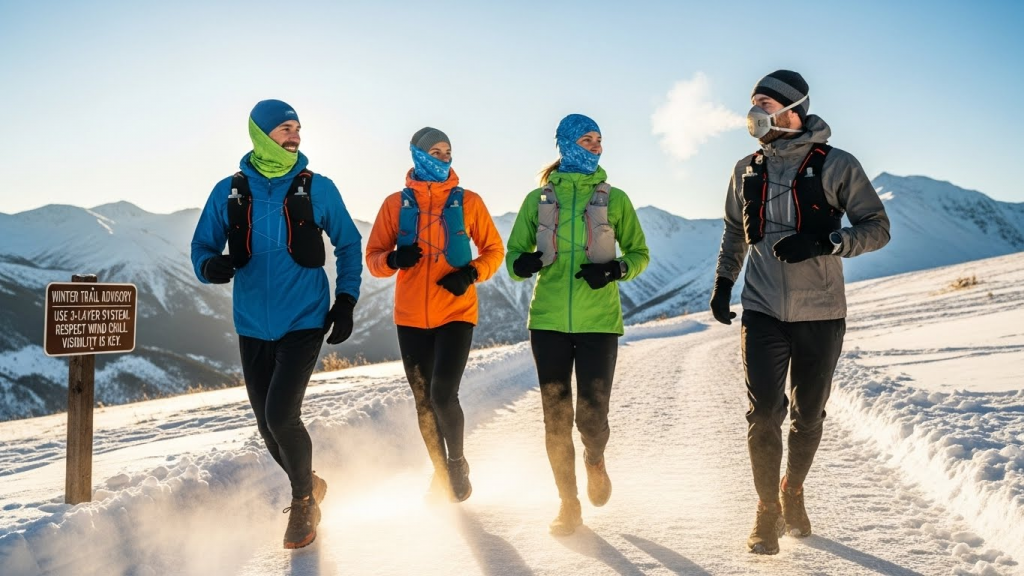
Layering works because each layer has one job. The American College of Sports Medicine recommends multiple layers and calls out the classic structure: inner layer to manage moisture, middle for insulation, outer for wind and rain protection.
Layer 1: Base layer (keep skin dry)
Your base layer should sit close to your skin and move sweat away.
- Choose technical synthetics or merino wool.
- Avoid cotton, it holds moisture and stays damp.
When to size up: If you hate tight tops, size your base layer slightly looser, but keep it close enough that it can wick.
Layer 2: Mid layer (trap warmth)
This layer is your “thermostat.” Add it when temps drop, wind picks up, or you are running easy.
Good options:
- Grid fleece quarter zips
- Light insulated vests
- Merino blends
Layer 3: Outer layer (block wind and precipitation)
This is where most runners mess up. You want protection without turning into a sauna.
Look for:
- Wind-resistant fabric
- Breathability (vents, zipper control)
- Water resistance if it is wet or snowing
NYRR also emphasizes an outer layer that is wind-resistant and waterproof when needed, plus the ability to adapt as you warm up.
A practical “what should I wear” guide by temperature
Use this as a starting point, then adjust for wind, rain, pace, and personal tolerance.
| Feels like temperature | What most runners wear | Small upgrades that help |
|---|---|---|
| 40–50°F (4–10°C) | Long sleeve or light base layer, shorts or light tights | Light gloves, thin headband |
| 30–40°F (-1–4°C) | Base layer + light mid layer, tights | Wind vest, warmer socks |
| 20–30°F (-7–1°C) | Base layer + mid layer + light shell, thermal tights | Mittens, neck gaiter |
| 10–20°F (-12–7°C) | Warmer base layer (merino), mid layer, wind shell | Face cover, traction plan |
| Below 10°F (-12°C) | Full layering, maximize wind block, cover all skin | Consider treadmill or shorter loop |
Why “feels like” matters: wind can dramatically change your risk. The National Weather Service wind chill guidance notes that exposed skin can get frostbite within 30 minutes at wind chills around -18°F or colder.
Safety, health, and weather checks that prevent bad days
Cold weather running is not just about comfort. It is about risk management.
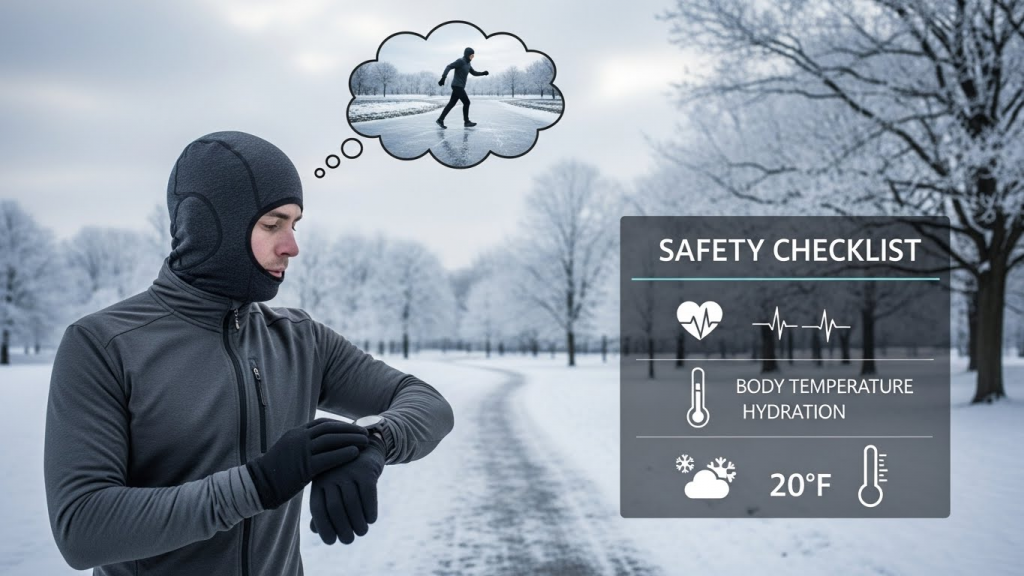
1) Check wind chill, not just temperature
Wind strips heat fast. The NWS wind chill resources explain how wind speeds change how cold your body experiences the air.
Simple safety habit: if wind is strong, bring a warmer outer layer than you think you need.
2) Know hypothermia signs before they sneak up
Hypothermia is when body temperature drops below 95°F, and it can happen with long exposure to cold.
Early warning signs often include:
- Shivering
- Fatigue
- Confusion
- Loss of coordination
If you start feeling “weird,” do not push through. Cut the run short and get warm.
3) Protect hands, feet, ears, and face first
Those areas are higher risk. ACSM specifically calls out covering head, face, legs, feet, and hands during cold exposure.
4) Visibility is a winter skill, not a bonus
Days are shorter, and more people drive in the dark. In 2022, NHTSA reports 78% of pedestrian fatalities occurred in the dark, far more than in daylight.
Practical upgrades:
- Reflective vest or jacket details
- Blinking rear light on waistband
- Headlamp if sidewalks are uneven
5) Cold air can bother lungs, even if you are fit
Exercise-induced bronchoconstriction (EIB) is airway narrowing during or after exercise, and StatPearls (NCBI) notes it can occur even in people without asthma.
For people with EIB in cold weather, the American Thoracic Society suggests warming and humidifying inspired air (like with a mask or similar device).
Footing and traction: the “do not slip” checklist
Ice is the real villain of winter running.
Before you go:
- Pick routes that get sun or are plowed
- Avoid polished sidewalks and painted crosswalks when icy
- Shorten stride and keep feet under your hips
- Consider traction add-ons for ice days (microspikes or strap-ons)
Pro move: run a loop near home on the coldest days so you can bail fast if weather turns.
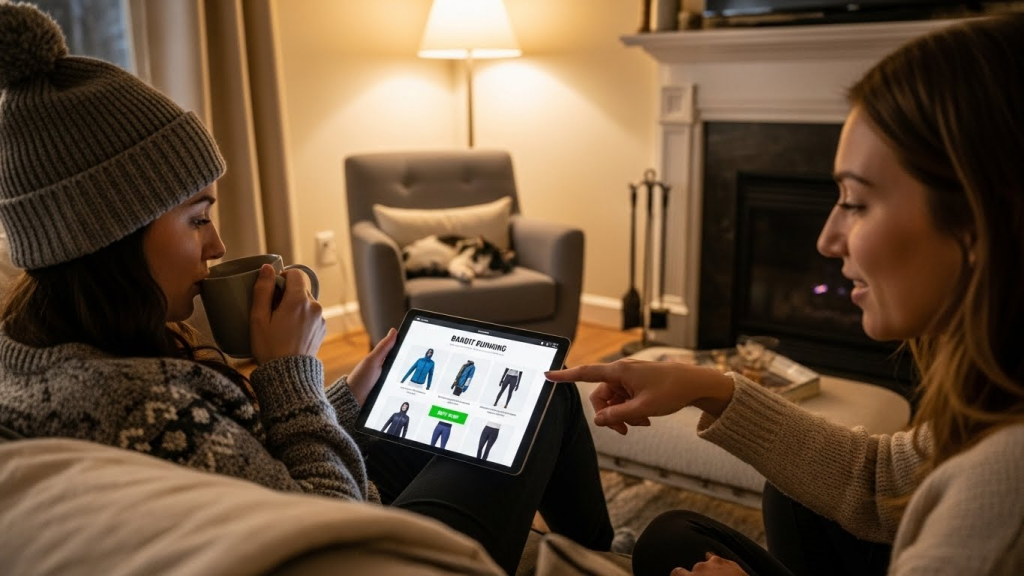
Bandit Running vs Tracksmith vs Janji (which brand fits your winter style?)
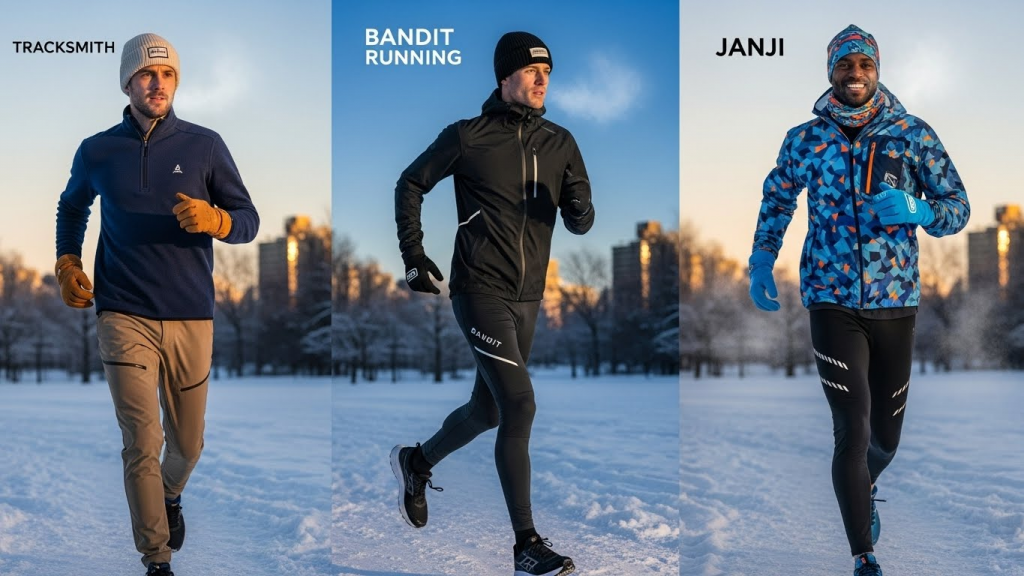
All three are premium running apparel brands, with strong design identity and community energy. Here is how they compare for WINTER 2025, COLD WEATHER RUNNING, especially if you want gear that looks sharp and performs.
Brand snapshot (what each one is “best at”)
- Bandit Running: NYC-rooted, community-driven, fashion-forward performance pieces. “Born in Brooklyn, refined by the NYC Running Community.”
- Tracksmith: heritage running aesthetic with deep cold-weather layering options, including merino-focused base layers like the Brighton collection.
- Janji: “run everywhere” ethos, bold patterns, and a strong durability promise with a 5-year guarantee tied to defects in materials or workmanship.
Side-by-side comparison table
| What matters in winter | Bandit Running | Tracksmith | Janji |
|---|---|---|---|
| Style vibe | Street-meets-performance, NYC energy | Classic, heritage, understated | Adventure, travel, bold colorways |
| Layering strengths | Tights and winter-focused collections (check seasonal drops) | Merino layering depth (Brighton, NDO) | Versatile pieces, durability focus, wet-weather options |
| Returns | 21-day return policy, international orders final sale | Returns within 30 days or 100 miles for footwear, other conditions apply | Refund returns within 30 days, store credit window longer |
| Guarantee | Standard policy varies by item | Standard policy varies by item | 5-year Run Everywhere Guarantee (defects) |
| Best for | Runners who want standout design and community identity | Runners who want refined cold layering and merino feel | Runners who want durable gear with a long guarantee and bold designs |
How to choose (fast)
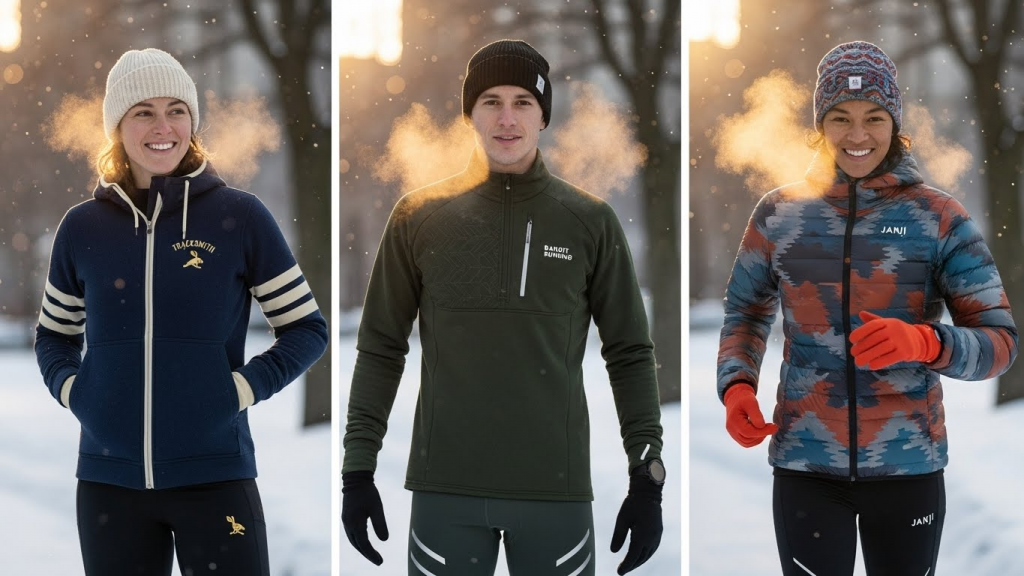
Pick Bandit Running if:
- You want winter pieces that feel like part of a running culture, not just “sportswear.”
- You care about the community vibe and limited drops.
Pick Tracksmith if:
- You want a reliable merino base layer system.
- You like classic style and mix-and-match winter layers.
Pick Janji if:
- You want a durability-focused brand with a clear 5-year guarantee for defects.
- You like adventurous patterns and “run everywhere” versatility.
People Also Ask (quick answers)
What should I wear for running in 30-degree weather?
Most runners do best with a base layer, tights, and a light mid layer or wind vest. Add gloves and a headband. If it is windy, add a shell and cover ears.
Is it OK to run below freezing?
Yes, if you manage wind chill, keep skin covered, and avoid sweating through clothes. Wind chill can increase frostbite risk quickly, so dress for “feels like” temps.
How do I stop coughing when I run in cold air?
Warm up longer, breathe through your nose when possible, and consider a face covering that warms humidifies air. EIB can affect some people without asthma.
Do I need reflective gear for winter running?
Strongly recommended. NHTSA reports most pedestrian fatalities happen in the dark, so visibility matters even more in winter.
A simple winter running checklist you can save
Before you go:
- Check “feels like” temperature and wind
- Pick layers, then remove one thing if you feel too warm indoors
- Cover hands and ears
- Add visibility (reflective plus a light)
- Tell someone your route if conditions are extreme
During the run:
- Start easy for 8 to 12 minutes
- If you sweat too much, unzip or remove a layer early
- Watch for numbness on fingers, toes, ears
After:
- Change out of damp clothes quickly
- Warm up with a hot drink and dry layers
Conclusion: Make WINTER 2025, COLD WEATHER RUNNING your easiest season to stay consistent
The best winter runners are not tougher, they are smarter. Use the three-layer system, respect wind chill, and treat visibility as part of your kit. If your lungs hate cold air, use a warm-up and consider a face covering that humidifies inhaled air.
For gear, Bandit Running, Tracksmith, and Janji all deliver premium options. The right pick depends on whether you want NYC-forward style (Bandit), a merino layering “uniform” (Tracksmith), or durability plus a strong long guarantee (Janji).
If you want a single next step: build one “default winter kit” you trust (base, mid, shell, tights, gloves, hat), then stop overthinking. Consistency is the real win for WINTER 2025, COLD WEATHER RUNNING.
The responses below are not provided, commissioned, reviewed, approved, or otherwise endorsed by any financial entity or advertiser. It is not the advertiser’s responsibility to ensure all posts and/or questions are answered.