

If you’re searching for the best dog clippers, you want safe results, low noise, and enough cutting power for your dog’s coat. Whether groomer prices are up or your dog gets anxious at the salon, a solid home setup can help. This guide explains what matters, compares key features, and shows how Wahl, Andis, and Oneisall stack up—so you can choose confidently.

How the Big Three Compare (Brand-Neutral Overview)



Oneisall: Quiet Confidence for First-Time Groomers
Oneisall focuses on making home grooming less stressful. Many models emphasize low noise and low vibration, which can make a big difference for anxious dogs. Long runtimes mean you’re not racing the battery. Kits typically include guide combs and accessories so you can start trimming right away. For small-to-medium coats and routine maintenance, Oneisall brings a calm, user-friendly experience that helps you build skill without overwhelming complexity.
- Very quiet
- Beginner-friendly kits
- Strong value
- Generous runtimes
- Fewer pro-grade detachable options
- For very dense or complex coats, you may eventually want a higher-torque or detachable-blade tool
What defines Oneisall:
Consumer-friendly, quiet cordless kits that reduce anxiety for sensitive dogs. Many sets bundle guide combs, grooming tools, and long battery life at accessible prices.
Typical strengths:
- Low noise and vibration for calmer sessions.
- Multi-hour runtimes on several models.
- Streamlined kits that make first-time grooming less intimidating.
Ideal user:
Beginners and owners of small-to-medium coats who want quiet operation and a simple learning curve, with enough power for regular maintenance.
Wahl: Everyday Workhorse for Home Users
Wahl’s pet clippers are built for versatility. Cordless lithium-ion models offer long runtime and strong strokes per minute, helping you finish a full-body clip without rushing. Adjustable blades and included guards let you adapt length on the fly, which is handy when you’re learning or switching between areas. For many households, a single Wahl kit can handle monthly maintenance, seasonal trims, and in-between touch-ups. If you groom more than one dog or do frequent full clips, consider a model with higher torque or keep a corded backup for heavy jobs.
- Well-rounded kits
- Long battery life
- Approachable learning curve
- Adjustable fixed blades are versatile but not as modular as a full detachable system if you plan to get very technical
What defines Wahl:
A broad pet lineup with lithium-ion cordless options and reliable corded sets. Wahl focuses on approachable kits that can handle full-body clipping at home while still offering enough punch for denser coats.
Typical strengths:
- Long runtimes on cordless models.
- Good strokes-per-minute with stable cutting.
- Kits often include guards and an adjustable blade for flexible lengths.
Ideal user:
Owners who want a balanced “do-most-things” system—one clipper that can manage full clips, touch-ups, and maintenance between professional grooms.
Andis: Detachable-Blade Flexibility and Salon-Style Finishes
Andis is known for precision. Detachable blades let you control cut length, finish, and heat by swapping quickly between tasks. This matters if your dog’s coat varies by region—say, a dense body with finer face hair—or if you want crisp finishes on feet and sanitary areas. Build quality tends to be robust, especially on corded models made for longer sessions. If you groom often or have thick, curly, or double-coated breeds, Andis gives you a clear upgrade path: start with a versatile clipper, then add blade sizes as your skills grow.
- Massive blade ecosystem
- Consistent power
- Pro-leaning results
- Corded models tie you to an outlet
- Some units are heavier, which can fatigue beginners during long sessions
What defines Andis:
A renowned detachable-blade ecosystem used widely by professionals. The ability to swap blades quickly supports different coat sections, fine finishes, and heat control during long sessions.
Typical strengths:
- Consistent power delivery in corded and pro-leaning cordless models.
- Huge blade selection for precision, from face work to body clips.
- Durable build suited to frequent or multi-dog grooming.
Ideal user:
Home groomers who value precision and want a path toward salon-style results, or households with thick/double coats that benefit from detachable blade flexibility.
The Best Dog Clippers by Use Case


1) Best for first-time home groomers: Oneisall “quiet cordless” kits
Why they stand out: Oneisall designs for ease and low noise, which helps anxious dogs. Many kits include guide combs, beginner-friendly heads, and long battery life.
- Flagship traits: Low-vibration design; modest noise levels; multi-hour runtime on some models; waterproof options for cleanup.
-
Good picks to consider:
- Oneisall P2 Grooming Kit (quiet, cordless, 2 speeds; often lists multi-hour run time)
- Oneisall 676 for Thick Coats (waterproof; long run time; low vibration)
- Oneisall Grandmaster Pro1 (≤60 dB range; 90-min swappable battery; metal combs) for faster cuts across coat types.
Best for: Noise-sensitive dogs, small-to-medium coats, owners who value cordless convenience and a gentle learning curve.
2) Best “step-up” cordless power: Wahl lithium-ion home kits
Why they stand out: Wahl’s pet line blends consumer-friendly kits with batteries and motors that can handle full-body clips.
- Wahl Lithium Ion Pro Series: Cordless, long run time; built for all breeds’ full-body clipping. Great for full clips, touch-ups, and between-groomer maintenance.
- Wahl Pro Ion: Up to around 2 hours cordless, high strokes per minute, adjustable blade (#30/#15/#10).
- Wahl Pet-Pro (corded): Affordable, full kit with high-carbon steel blades and animal-specific geometry to reduce pulling.
Best for: Owners who want stronger motors and trusted blade options while staying in the home-grooming price range.
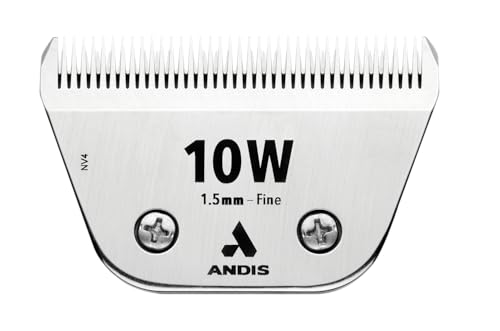
3) Best for thicker/double coats, pro-leaning reliability: Andis detachable-blade clippers
Why they stand out: Andis’ detachable blade ecosystem is a professional standard—great when you need different blades for face, sanitary areas, and body.
- Andis Pro-Animal EBC (Detachable Blade): Single-speed corded unit, quiet operation, designed for versatility with detachable blades.
- Andis Easy Clip Multi-Style Kit: Budget entry with a lightweight body for at-home users.
- Andis pro catalog (overview): Wide range of corded/cordless pro clippers and trimmers for small animals.
Best for: Households that clip multiple dogs, need more blade choices, or want a path toward professional techniques.
What Makes the Best Dog Clippers?
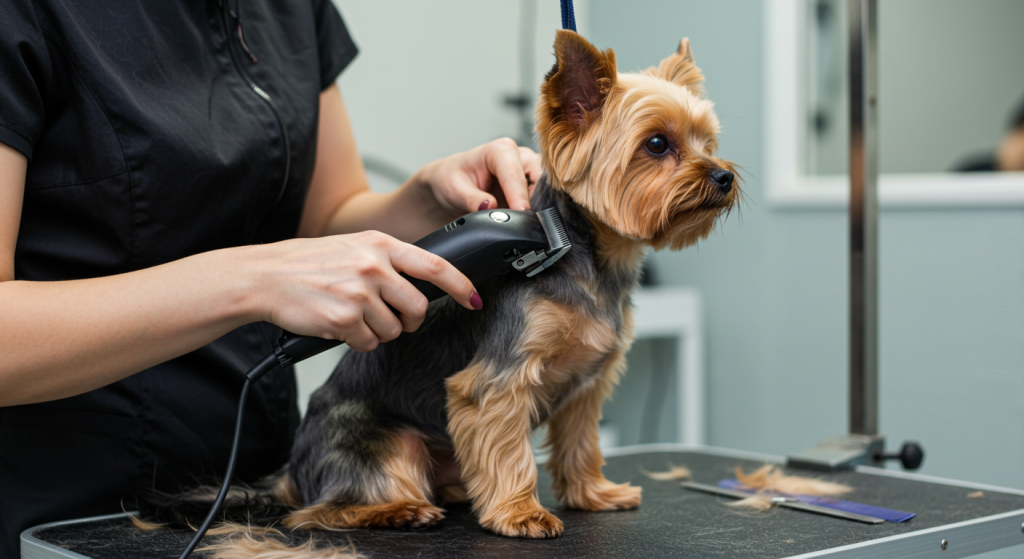
Blade system and materials.
Detachable stainless or ceramic blades help with cooling, cleaning, and quick swaps. Adjustable fixed blades are versatile for everyday trims. Detachable systems shine when you want precision across face, body, and sanitary areas.
Motor power and torque.
Coarse, curly, or double coats need steady torque so the blade doesn’t stall. Power isn’t just speed; consistent cutting under load is what prevents tugging and uneven lines.
Noise and vibration.
Quieter clippers keep sensitive dogs calm. Low vibration reduces fatigue for you and stress for your dog. If your pup flinches at buzzers, put “quiet” high on your list.
Corded vs. cordless.
Cordless gives freedom of movement and modern batteries can run long sessions. Corded provides steady power for thick coats and multi-dog households. Many people keep one of each: cordless for most work, corded for heavy jobs.
Runtime, charging, and ergonomics.
Look for 90–120+ minutes if you do full grooms. Consider weight, grip texture, switch placement, and heat management. A clipper that stays comfortable in hand leads to cleaner, safer passes.
Pick by Use Case (Not Just by Brand)
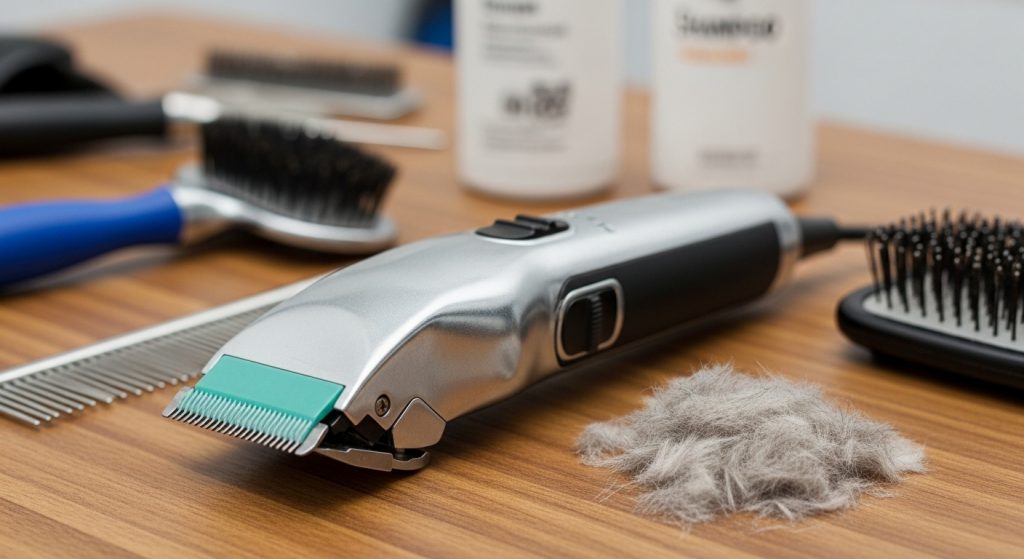
Light to medium coats; anxious dogs:
Prioritize low noise and cordless convenience. Entry-to-mid tier cordless kits from any of the three brands work well here. Guide combs and slower, controlled passes help build your confidence.
Dense, curly, or double coats:
Look for steady torque and the option to swap blades. Detachable-blade systems shine for multi-pass control, heat management, and specific lengths on face, body, and sanitary areas. A solid corded unit or a high-output cordless clipper helps avoid stalls.
Frequent grooms or multiple dogs:
Runtime and durability matter. Consider a corded tool for marathon sessions or a cordless model with long battery life and smart cooling. Keep spare blades so you can rotate if one gets warm.
Tight areas and finishing work:
Use narrow trimmers or smaller blades for paws, pads, ears, and sanitary zones. Don’t force a wide blade into tight spaces—precision tools reduce risk.
Comparison Table (Feature Snapshot)
| Feature | Wahl | Andis | Oneisall |
|---|---|---|---|
| Primary Focus | Versatile home kits with solid power | Detachable-blade system and pro-style control | Quiet, cordless, beginner-friendly |
| Blade Approach | Adjustable fixed blades common; some detachable options | Strong detachable-blade ecosystem | Mostly fixed heads with guide combs |
| Power Profile | Balanced; handles full-body home clips | High consistency; excels on varied/thick coats | Optimized for calm, low-vibration cuts |
| Noise/Vibration | Moderate to low depending on model | Moderate; pro build, controlled feel | Generally very low noise and vibration |
| Corded/Cordless | Both; long battery life on Li-ion | Both; many pro corded mainstays | Primarily cordless with long runtimes |
| Best Fit | All-around at-home clipping | Precision, multi-blade workflows, tougher coats | New groomers, noise-sensitive dogs |
Table is a generalization based on typical product lines. Check specific model specs before buying.
Safe, Pro-Looking Results in Less Time
Prep first.
Bathe, fully dry, and brush out tangles before clipping. Damp hair clogs blades and causes tugging. A well-brushed coat lets the blade glide.
Choose length conservatively.
Start longer; you can always go shorter. On sensitive zones (paws, pads, sanitary), use a narrow trimmer or smaller blade for control.
Manage heat and friction.
Touch the blade to your wrist every few minutes. If it’s warm, pause and cool or swap blades. Clean hair from the teeth regularly.
Guide your dog through it.
Use treats and frequent breaks. Introduce the sound away from the body, then approach slowly. Calm sessions create better lines.
Know when not to clip.
Double-coated breeds rely on their coat for insulation and protection. Focus on de-shedding, brushing, and light tidying, not shaving to the skin.
People Also Ask (Straight Answers)
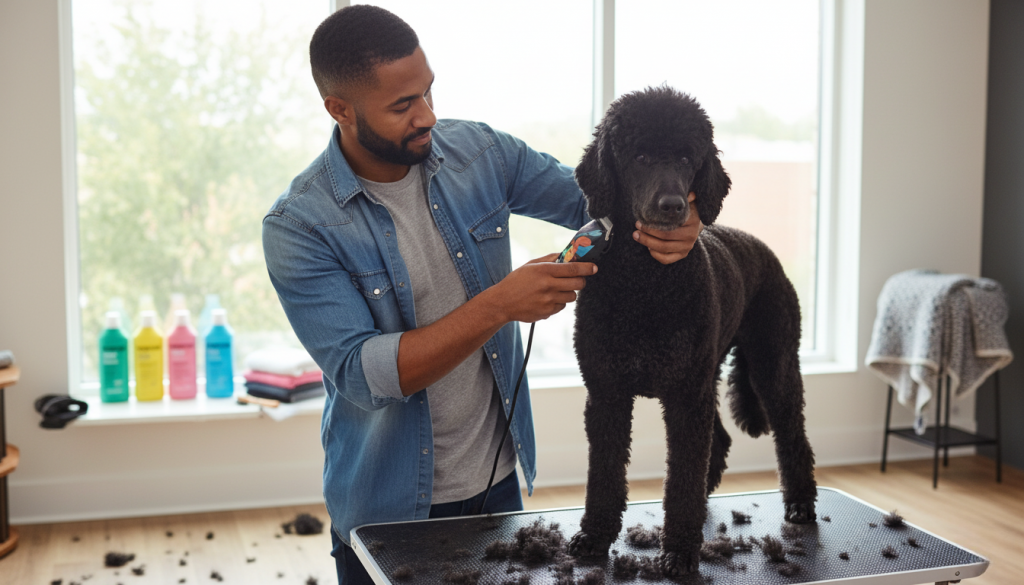
What clippers do professionals use?
Many pros prefer detachable-blade systems for precision and quick blade changes. That doesn’t mean you must go pro-grade on day one; pick the tool that fits your coat type and frequency.
Can I use human clippers on my dog?
It’s not recommended. Dog clippers have different blade geometry and power delivery to handle coat density and protect sensitive skin.
How do I prevent clipper burn?
Keep blades clean and sharp, avoid pressing hard, and manage heat with breaks or blade swaps. If you see redness, stop and let skin recover.
How often should I clip?
It depends on coat type and style. Many owners do touch-ups every few weeks and full clips seasonally. Brushing and de-shedding reduce how much clipping you need.
Quick Recommendations by Scenario (Brand-Neutral)
- New to grooming; anxious dog: Choose a quiet cordless kit with guide combs and a comfortable grip.
- Thick, curly, or double coats: Prioritize steady torque and, ideally, detachable blades for control and heat management.
- Multiple dogs or long sessions: Consider a durable corded clipper or a high-capacity cordless model with spare blades.
- Detail work: Add a narrow trimmer for paws, pads, and sanitary areas.
Final Thoughts
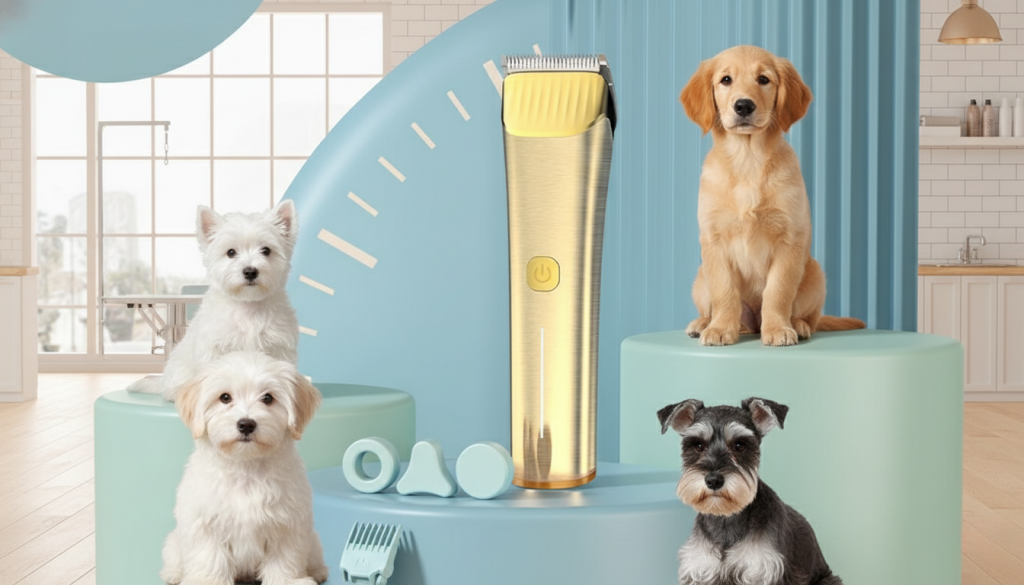
If you’re aiming for the best dog clippers for your home routine, start with your dog’s coat and your grooming cadence. Wahl delivers versatile, all-around power for most households. Andis offers detachable-blade precision and a path to pro-style finishes, especially helpful on tough coats. Oneisall keeps sessions quiet and approachable, ideal for beginners and sensitive dogs. Take ten minutes to note coat type, your dog’s noise sensitivity, and how long you’ll be clipping. Then pick the tool that matches your reality—not just the box. Your dog’s skin, and your schedule, will thank you.
The responses below are not provided, commissioned, reviewed, approved, or otherwise endorsed by any financial entity or advertiser. It is not the advertiser’s responsibility to ensure all posts and/or questions are answered.