

Imagine finishing your outdoor kitchen design, only to feel uncertain when choosing the built-in grill. With so many brands, sizes, materials, and features, it’s easy to feel overwhelmed.

This guide helps you cut through the noise. We’ll walk through key buying criteria, common buyer questions, and expert-vetted picks — including insights from BBQGuys, Weber, and Solo Stove — so you can confidently choose a built-in grill you’ll be proud to install.



Why Choose a Built-In Grill?
A built-in grill isn’t just a symbol of luxury — it’s a thoughtful investment in design, performance, and lifestyle. Unlike portable or cart-style grills, built-ins become a permanent centerpiece of your outdoor kitchen, blending seamlessly into countertops, islands, and backyard layouts.
Benefits of a Built-In Grill
- Seamless design: Built-in grills sit flush in an outdoor island, giving a clean, custom look.
- Durability & materials: Top-tier models often use 304-grade stainless steel to resist corrosion and weathering (a key spec many experts target).
- Power & features: Many built-ins include multiple burners, infrared searing, rotisserie kits, and heat zone separators.
- Stationary efficiency: No need to move the unit; gas or natural connections stay in place.
However, they require proper ventilation, correct structural support, and sometimes a built-in insulated jacket if the island uses combustible materials. As BBQGuys notes: “outdoor kitchen gas grills placed in combustible materials must be installed with an insulated grill jacket” to prevent fire hazards.
How to Evaluate a Built-In Grill — Key Criteria
To choose well, online buyers should look carefully at specs, warranties, and real-world feedback. Below is a checklist of what matters most.
| Feature / Spec | Why It Matters | Target or Good Range |
|---|---|---|
| Material grade | 304 stainless steel handles corrosion; lower grades rapidly deteriorate | Look for phrases like “304 commercial grade stainless” |
| Burner configuration / BTUs | More burners and balanced heat zones allow versatility | 3–5 burners, heat zone separators |
| Ignition / reliability | A failed ignition can ruin your first cookout | Piezo, electric, or hot-surface ignition with solid reviews |
| Warranty & parts support | Outdoor gear faces abuse; you’ll want long-term cover | Lifetime or 10+ year warranties are ideal |
| Feature extras | Rotisserie, lights, infrared sears are useful add-ons | Nice to have, but avoid paying huge premiums solely for extras |
| Ease of service / parts | Even the best grills need replacement parts | Known brands with good parts networks |
| Ventilation & clearances | Safety is nonnegotiable | Clear instructions and compatibility with insulated jackets |
| Brand reputation & reviews | Real user experience matters | Look at expert reviews and user forums |
What Real Buyers Say
Online buyers today are more informed than ever — and their feedback offers valuable insights into what truly matters when investing in a built-in grill. On community forums like Reddit and BBQ enthusiast groups, recurring themes emerge across hundreds of discussions.
Most buyers emphasize long-term value over flashy features. While searing stations, LED knobs, and rotisserie kits may grab attention, experienced grill owners say it’s the core construction and reliability that determine satisfaction after a few seasons of use.
One Reddit user summarized it perfectly:
“Key things I care about: as much 304-grade steel as possible, inside lights preferably via 110v power, reliability, good warranty, parts availability, longevity.”
Top Picks for Online Buyers (Brands & Models You Should Know)
Below are smart picks and brand-by-brand insight tailored to built-in grill shopping. We include pros, caveats, and direct commentary.
BBQGuys Top-Rated Built-In Grills
BBQGuys is both a retailer and authority in outdoor cooking. Their expert picks for 2025 include top-tier built-in gas models based on performance, construction, features, and value.
- Blaze Professional LUX 34″ — Featured as Best Overall. Pros: lifetime warranty, heat zone separators, cast 304 burners, reliable ignition.
- DCS Series 9 36″ — In the “Luxury” category. Noted for grease management, dual grates, rotisserie support.
- Napoleon Prestige PRO 500 — Good “premium” option, strong stainless build, dual-level sear plates, good warranty.
- Bull Outlaw 30″ — Their “best budget” built-in model. Porcelain-coated burners, reliable basic ignition, solid for smaller setups.
These picks help you benchmark what’s considered “top tier” in the built-in grill world.
Weber (Insert / Built-In Options)
Weber is known more for freestanding grills, but they also offer inserts and built-in heads (especially for their Genesis / Spirit line).
- Strengths: Weber has a long brand legacy, strong parts network, and user familiarity.
- Considerations: Weber’s built-in options may not match the exotic features or premium stainless build of specialty brands.
- Tip: If you already like Weber’s cooking style, compare their insert units to more specialized brands using the criteria above.
Solo Stove (Charcoal / Fire-Grill Hybrid)
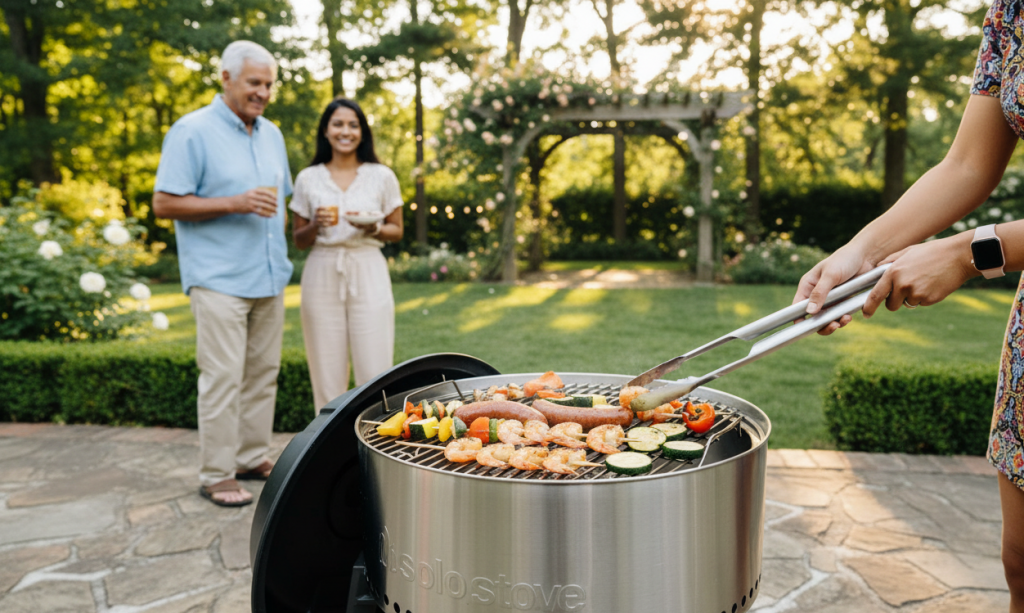
While Solo Stove is better known for fire pits, older grill products offer a unique hybrid experience. Their Solo Stove Grill (now discontinued but still discussed in reviews) used a double-wall design with 360° airflow to create efficient, smokeless charcoal cooking.
Although it’s no longer in active production, Solo Stove’s design highlights alternative approaches (charcoal, convection, airflow) and can inspire hybrid thinking.
How to Match Your Needs to A Grill
What’s Your Fuel Preference?
- Gas / natural gas / propane: Best for convenience and control.
- Charcoal / hybrid / fire-grill: Great flavor, but more hands-on.
- Infrared / hybrid burners: Good for searing or specialty cooking.
Size & Cooking Surface
| Group Size | Recommended Grill Width | Ideal Use Case / Notes |
|---|---|---|
| Up to 4 people | 30″ – 34″ | Perfect for small families or couples; compact yet powerful for everyday grilling. |
| 6 – 10 people | 36″ – 42″ | Great for frequent entertainers; allows multiple cooking zones and added versatility. |
| 10+ / Large Gatherings | 44″ + (with twin-head systems) | Best for hosting large parties or outdoor kitchens; supports varied cooking styles simultaneously. |
Island Design & Ventilation
Plan ventilation early. Fail to do so, and you risk heat damage, smoke backflow, or even fire hazards. Use insulated jackets if building into combustible material. Always ensure proper inlet/outlet ventilation in the cabinetry.
Accessories & Add-ons
Look for extras like rotisserie kits, built-in lights, temperature probes, and compatible covers. But don’t overpay: get the fundamentals right first.
Installation & Maintenance
- Ask whether the grill ships fully assembled or in modules.
- Check if the supplier provides detailed cutout/clearance templates.
- Plan for annual cleaning, burner checks, and replacement parts.
Common Questions (People Also Asked)
Q: How deep or wide should the cutout be for a built-in grill?
Grill makers usually supply a cutout guide. A common width is ~32–36″ interior, depth ~24–28″, but always follow the brand’s spec sheet to allow ventilation and clearance.
Q: Can I convert a built-in propane grill to natural gas (or vice versa)?
Some grills come with conversion kits or are convertible. However, the conversion must be certified and done properly (or by a professional) to maintain warranty and safety.
Q: Do built-in grills suffer more from corrosion or wear than freestanding ones?
If built properly with quality materials (e.g. 304 stainless), built-ins can last decades. But poor-quality steel, salt air, inadequate drainage, or lack of cover will accelerate wear.
Q: Is it safe to install a built-in grill near my house wall or fascia?
You must maintain clearance distances per the manufacturer. If installing near wood siding, you may need a heat shield or insulated jacket to protect adjacent structures.
Recommendations
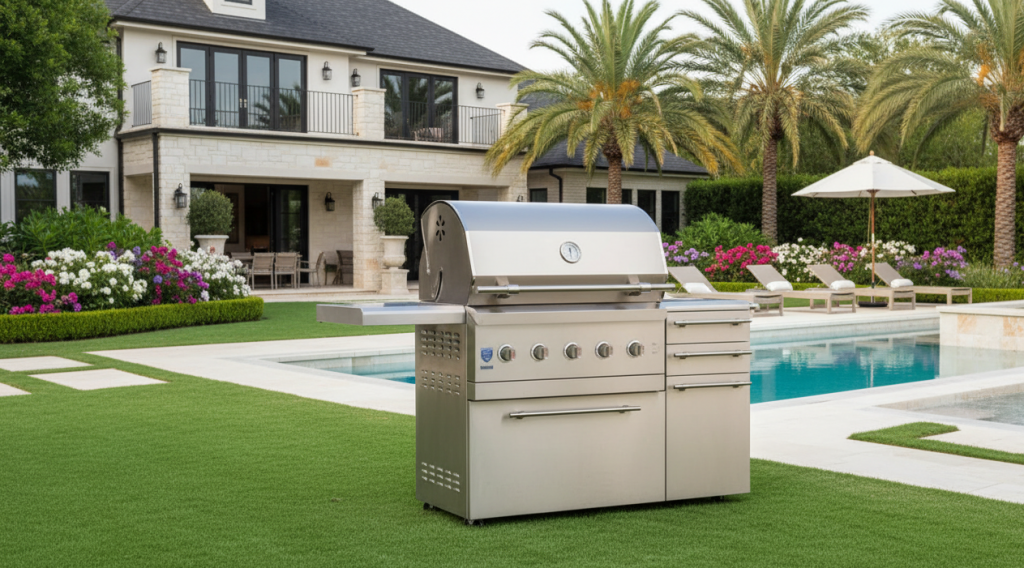
Choosing among the best built-in grills for online buyers comes down to matching your cooking style, outdoor setup, and long-term goals. Here’s a clear roadmap to make your decision easier and smarter:
-
Focus on Material Quality and Construction
Always prioritize 304-grade stainless steel or higher. It’s the gold standard for corrosion resistance, especially if your grill will face humidity, coastal air, or frequent use. Brands like Blaze, Napoleon, and DCS consistently meet this benchmark. -
Check Warranties and Service Networks
Built-in grills are an investment meant to last a decade or more. Look for models with lifetime warranties or at least 10-year burner coverage. Also, confirm that replacement parts and service are available in your region. -
Buy for Performance, Not Just Features
Add-ons like rotisseries, lights, and infrared burners are useful — but only if you’ll actually use them. Focus on balanced heat distribution, ignition reliability, and consistent cooking zones first. -
Mind the Installation Details
Even the best grill can fail if installed incorrectly. Use proper ventilation cutouts, insulated jackets for combustible islands, and gas-safe fittings. Reputable retailers like BBQGuys offer detailed templates and safety guidance online. -
Tailor to Your Lifestyle
- For family cooking, a 32–36″ gas grill offers plenty of flexibility.
- For frequent entertainers, consider 40″+ models with multiple heat zones.
- For charcoal or hybrid lovers, explore airflow designs inspired by Solo Stove’s efficient convection systems.
By following these steps, you’ll not only buy a great grill — you’ll build a reliable outdoor kitchen centerpiece that performs for years.
Final Thoughts
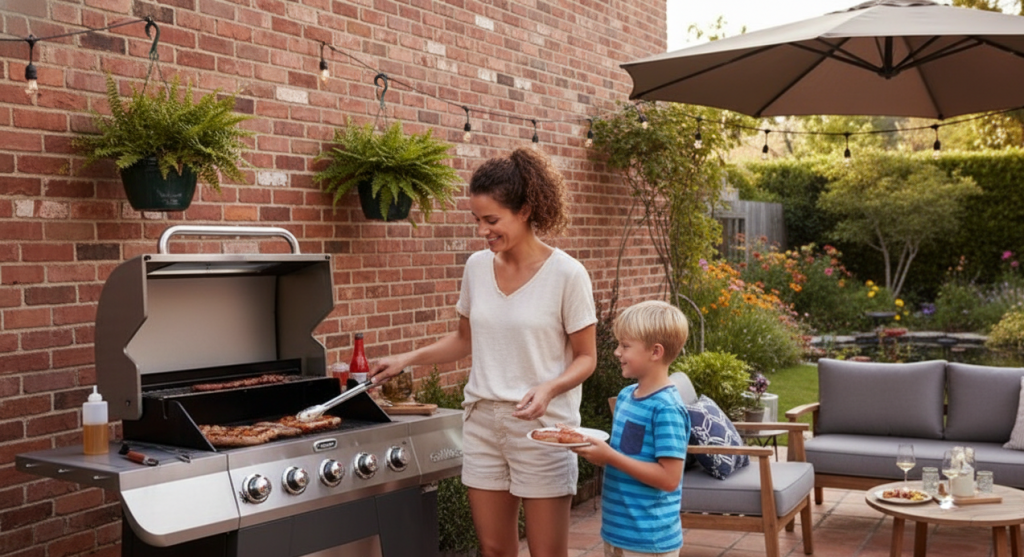
When shopping for the best built-in grills online, it’s easy to get caught up in shiny extras or marketing claims. But the smartest buyers focus on build integrity, real performance, and trusted brands.
A truly great built-in grill should combine durability, design harmony, and user confidence — turning your outdoor space into a long-term gathering hub.
To recap:
- Invest in 304 stainless steel and solid construction.
- Verify ventilation and installation safety before purchase.
- Compare expert-recommended models such as those curated by BBQGuys, or explore established names like Weber and Solo Stove for unique design approaches.
- Always balance value, warranty, and usability over flashy add-ons.
Ultimately, the best built-in grill isn’t just the most expensive — it’s the one that fits your space, supports your lifestyle, and keeps you cooking confidently year after year.
The responses below are not provided, commissioned, reviewed, approved, or otherwise endorsed by any financial entity or advertiser. It is not the advertiser’s responsibility to ensure all posts and/or questions are answered.



Comments 2 comments
Honestly, I just want something that won’t rust in a year, that 304-grade tip is gold
I’ve had a Weber built-in for two years, no regrets... super reliable and easy to clean