

Spring weather can be sneaky. One day your makeup looks perfect, the next day it slides, separates, and disappears by lunch.

If that sounds familiar, you do not need “stronger” makeup, you need a smarter base that works with heat, moisture, and oil.
This guide breaks down what humidity actually does, how LWYA by Kim Gravel primer, color adapting makeup fits into the picture, and how to choose between three popular primer options on QVC.
Why spring humidity melts makeup (and why dew point matters more than “% humidity”)
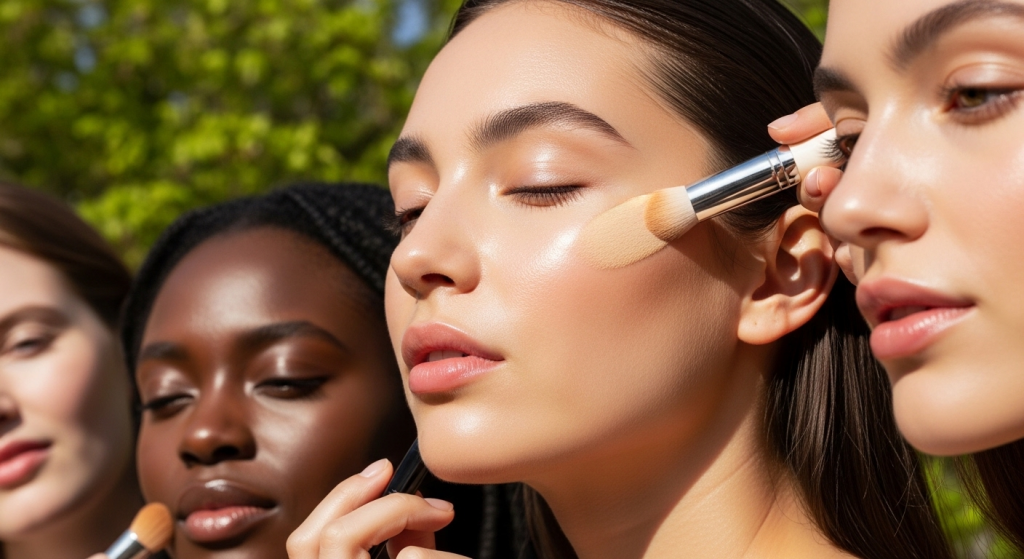
Humidity is not just “air feels damp.” It changes how your skin behaves, and how your makeup film holds together.
A key weather number is dew point, which reflects how much moisture is in the air. Higher dew points usually feel stickier because sweat evaporates more slowly, so you stay damp longer.
Here is a simple dew point guide from the National Weather Service:
| Dew point (F) | How it feels | What makeup tends to do |
|---|---|---|
| < 55 | Comfortable | More stable wear |
| 55 to 60 | Noticeable humidity | Extra shine by midday |
| 60 to 65 | Humid | Makeup starts to break apart faster |
| 65 to 70+ | Very humid | Slipping, creasing, patchiness |
Heat adds fuel to the fire. In a randomized crossover trial, higher temperature exposure (32 C vs 22 C) made participants report oilier, stickier skin, and sebum increased during the warm condition.
And when temperature and humidity swing repeatedly, skin measurements like sebum can go up, and elasticity can go down.
That is the real spring challenge: more sweat, more oil, and more movement under your makeup.
What “color adapting makeup” really means (and what it usually does)
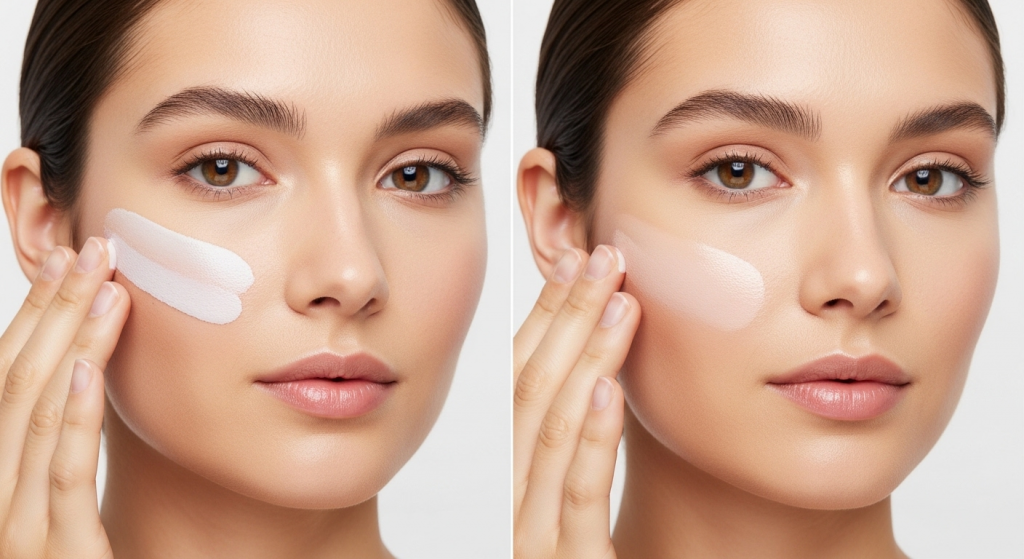
Color-adapting makeup is often marketed like magic. Most of the time, it is a mix of two effects:
- A real chemical color shift from dyes that change when exposed to moisture and pH.
- Optical blending, meaning the final color looks “personalized” because it layers over your natural tone.
A well-known example is the dye D&C Red No. 27 (Red 27), commonly used in color-changing products. Allure explains that Red 27 can appear colorless in the product, then shift when it meets moisture, creating that bright pink “reveal.”
The FDA also explains that cosmetic color additives are regulated, and specific color additives (like D&C colors) have permitted uses and restrictions.
So if you are shopping for LWYA by Kim Gravel primer, color adapting makeup, think of “color adapting” as a practical benefit:
- It can help the product blend more seamlessly across skin tones.
- It can reduce the “chalky cast” that some traditional primers leave.
- It can make quick, minimal-base routines look more even.
But it is not a full foundation replacement for most people.
Quick reality check: If a product “adapts” into one main shade family on nearly everyone, it is usually adapting in appearance, not creating a truly unique shade.
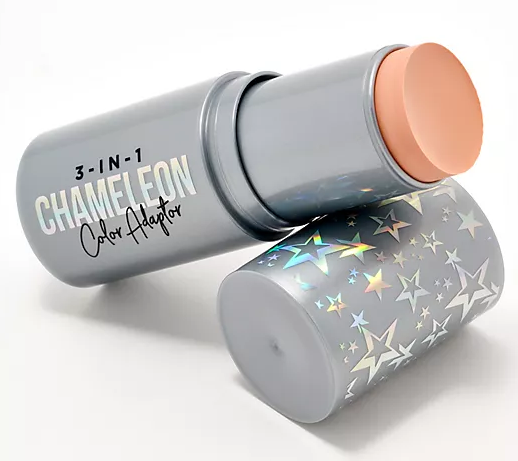
LWYA Chameleon 3-in-1 Primer, what it is (and who it makes sense for)
On QVC, the LWYA Chameleon stick is positioned as a multi-use complexion helper. The listing describes a 3-in-1 formula that helps conceal the look of blemishes, adds a hydrated look, and preps skin, with a creamy glide-on texture.
That “hybrid” positioning matters. A stick like this can act as:
- A fast primer layer in targeted zones (around pores, around redness).
- A light complexion perfector for “no foundation” days.
- A bridge product that improves how complexion products sit on top.
If your biggest spring problem is makeup sliding off your T-zone, you will still need oil control elsewhere in your routine. The stick can help, but it is best when paired with the right prep.
Also, do not ignore the basics. Even mainstream definitions agree on what primer is for: smoothing application and helping makeup last longer.
QVC comparison: 3 primers that fit the spring humidity problem
Below is a practical comparison of three popular “base prep” styles you will see on QVC: a hybrid stick, a pore-blurring classic, and a smoothing liquid canvas.
WYA by Kim Gravel Chameleon Color Adaptor 3-in-1 Primer Stick
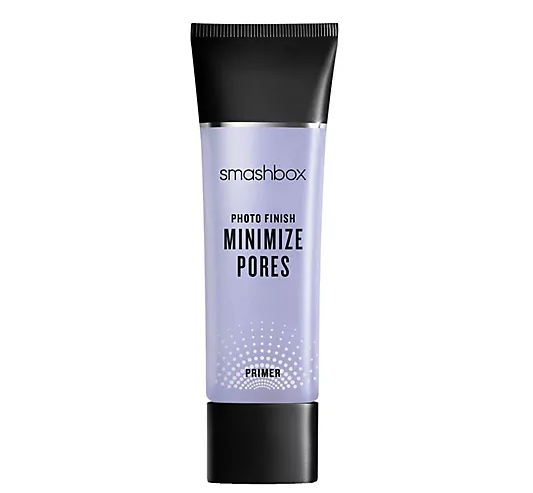
Smashbox Photo Finish Pore Minimizing Primer
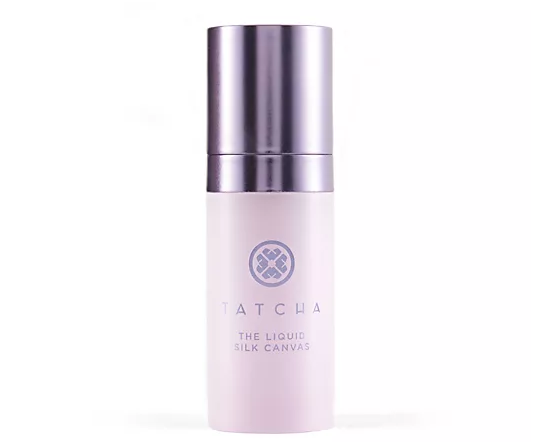
TATCHA Liquid Silk Canvas 0.35oz
Feature comparison table
| Product type | Best for | What it feels like | Humidity advantage | Watch-outs |
|---|---|---|---|---|
| LWYA Chameleon 3-in-1 Primer Stick | Minimal makeup days, quick prep, targeted smoothing | Creamy stick, blend with fingers | Easy touch-ups, fast application, adaptable finish | Can feel rich if you over-apply on oily zones |
| Smashbox Photo Finish Pore Minimizing Primer | Large pores, oily T-zone, texture control | Traditional silicone-smooth primer feel | Helps create a smoother surface for long wear | Can pill if layered over incompatible skincare |
| TATCHA The Liquid Silk Canvas | Smoothing and soft-focus with a lighter feel | Lightweight “canvas” style liquid | Good for polishing texture without heavy layers | Not a strong mattifier on its own |
Tip: If you see pilling often, check product “bases.” Many primers rely on silicone polymers like dimethicone and cyclomethicone. Those can be great for blurring, but they can also pill if your skincare underneath is too slick or not set.
How to use LWYA in spring humidity without looking greasy by noon
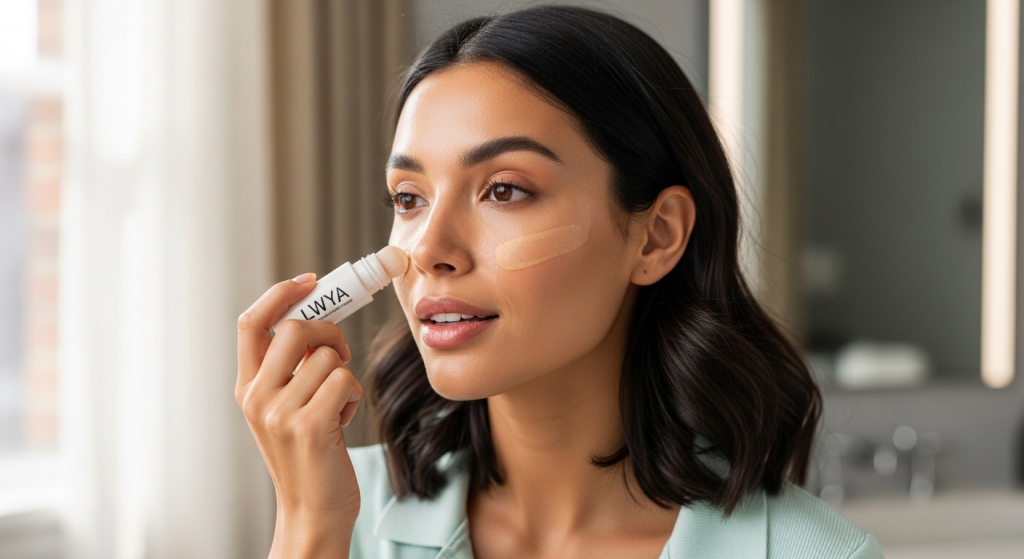
The goal is not “more product.” The goal is thin layers that set.
Step 1: Prep skin like you mean it (2-minute version)
- Cleanse, then use a light moisturizer.
- Wait 3 to 5 minutes.
- Apply sunscreen, then wait again until it feels dry to the touch.
If you rush this, your primer sits on a slippery layer and everything slides.
Step 2: Apply LWYA where it does the most work
Use the stick in small amounts. Think “tap and blend,” not “paint.”
Best placement for humid days:
- Sides of nose
- Around nostrils
- Center forehead
- Chin
- Spot areas where makeup breaks apart first
The QVC instructions emphasize applying to desired areas and blending with fingers or a sponge.
Step 3: Choose one of these finish paths
If you get oily fast:
- Press a small amount of loose powder just in the T-zone.
- Add foundation only where you need it.
If you get dry cheeks but oily T-zone:
- Use LWYA on cheeks very lightly.
- Use a pore-minimizing primer just on the T-zone (thin layer).
- Keep foundation light and spot-conceal.
If you wear no foundation:
- Use LWYA like a “soft filter.”
- Add a touch of concealer only where needed.
- Set only the areas that crease.
The “bathroom steam” humidity test (a simple scorecard)
This is a quick at-home way to see whether your base can handle spring conditions.
- Do your makeup as usual.
- Stand in your bathroom with a warm shower running for 3 minutes (do not soak your face).
- Step out, wait 5 minutes, then check.
Score each from 0 to 2:
- Shine control
- Crease resistance (smile lines, under eyes)
- Patchiness around nose
- Foundation separation
- Transfer onto tissue
Total score out of 10:
- 8 to 10: Great humidity routine.
- 5 to 7: Adjust one step (usually setting time or powder placement).
- 0 to 4: Too many slippery layers, or the primer base is mismatched.
Common spring problems and fixes
“My makeup pills when I add primer”
Most pilling is layering conflict plus friction.
Fix:
- Let skincare fully set.
- Use less product.
- Pat, do not rub.
- Keep either your skincare or your primer “lighter,” not both heavy.
(Primers commonly use silicone polymers that can ball up if the layer below is too wet or incompatible.)
“My foundation separates around my nose”
That area gets sweat and oil first.
Fix:
- Use LWYA only in that area.
- Press powder into the crease points.
- Blot once before you touch up.
“Everything looks shiny, but my skin feels tight”
Heat and humidity swings can still stress skin. Repeated exposure changes hydration and sebum patterns in measurable ways.
Fix:
- Add a light humectant moisturizer, then let it fully set.
- Stop using thick creams during the day.
FAQ (People Also Ask style)

Does color adapting makeup work for all skin tones?
Usually it blends better than a fixed shade, but most “adapting” products land in a narrow shade family. The final look depends on your undertone and the product’s transparency.
Is LWYA a primer or a concealer?
The QVC listing describes it as a 3-in-1 product that preps skin and also helps conceal and hydrate in appearance.
In real routines, many people will use it as a hybrid.
What matters more for humidity, primer or setting powder?
Both matter, but the bigger win is thin layers plus dry-down time. Primer helps the surface. Powder helps lock down movement.
Why does makeup fail more on hot days?
Heat can increase perceived oiliness and measured sebum output, which makes makeup films break apart faster.
Conclusion: The spring humidity plan that actually works
If you want makeup that holds up in spring, focus on three things:
- Watch dew point, not just humidity percent.
- Use thin layers and give each layer time to set.
- Pick a base product that matches your real problem: texture, oil, or “quick polish.”
If you like fast routines and a flexible finish, LWYA by Kim Gravel primer, color adapting makeup can make sense as a targeted, hybrid base step.
Next step: Do the bathroom steam test once, then adjust only one variable at a time (less product, more set time, or different placement). Your best routine is usually 2 small tweaks away.
QVC purchase URLs (each listed once)
LWYA by Kim Gravel Chameleon Color Adaptor 3-in-1 Primer Stick:
https://www.qvc.com/lwya-by-kim-gravel-chameleon-color-adaptor-3-in-1-primer-stick.product.A673631.html
Smashbox Photo Finish Pore Minimizing Primer:
https://www.qvc.com/smashbox-photo-finish-pore-minimizing-primer.product.A419018.html
TATCHA Liquid Silk Canvas 0.35oz:
https://www.qvc.com/tatcha-liquid-silk-canvas-035oz.product.A668416.html
The responses below are not provided, commissioned, reviewed, approved, or otherwise endorsed by any financial entity or advertiser. It is not the advertiser’s responsibility to ensure all posts and/or questions are answered.