

You Want Real Neapolitan Pizza, Not Just “Pizza Night”, You are not trying to bake another sad, pale pizza on a sheet pan. You want that blistered crust, soft center, and hot, bubbling cheese that you get from a real Neapolitan pie.

The problem is simple.
Both Ooni and Solo Stove promise restaurant level results at home, but they look similar, use similar fuels, and claim almost the same temperatures.
In this guide, we will unpack Ooni vs Solo Stove: Which Pizza Oven Makes Better Neapolitan Pizza at Home?
You will see how each brand performs on heat, consistency, ease of use, and learning curve.

You will also see concrete model recommendations, real specs, and links to specific ovens so you can choose the best one for your backyard.
What “Neapolitan” Actually Means
Before comparing ovens, it helps to know what Neapolitan pizza really is.
Neapolitan pizza comes from Naples and uses a very simple dough, usually just flour, water, salt, and yeast. It is topped lightly, often with just tomatoes, mozzarella, basil, and olive oil. According to the Associazione Verace Pizza Napoletana (AVPN), a certified Neapolitan pizza should bake in about 60 to 90 seconds in a very hot wood fired oven, typically between about 430 °C and 480 °C, which is 806 °F to 896 °F.
The pizza should be soft and elastic in the center, with puffy edges and dark spots on the crust, often called “leopard” spots. The style is so important in Italy that Neapolitan pizza is recognized as a Traditional Speciality Guaranteed (TSG) product in the European Union, and the art of Neapolitan pizza making is listed by UNESCO as intangible cultural heritage.
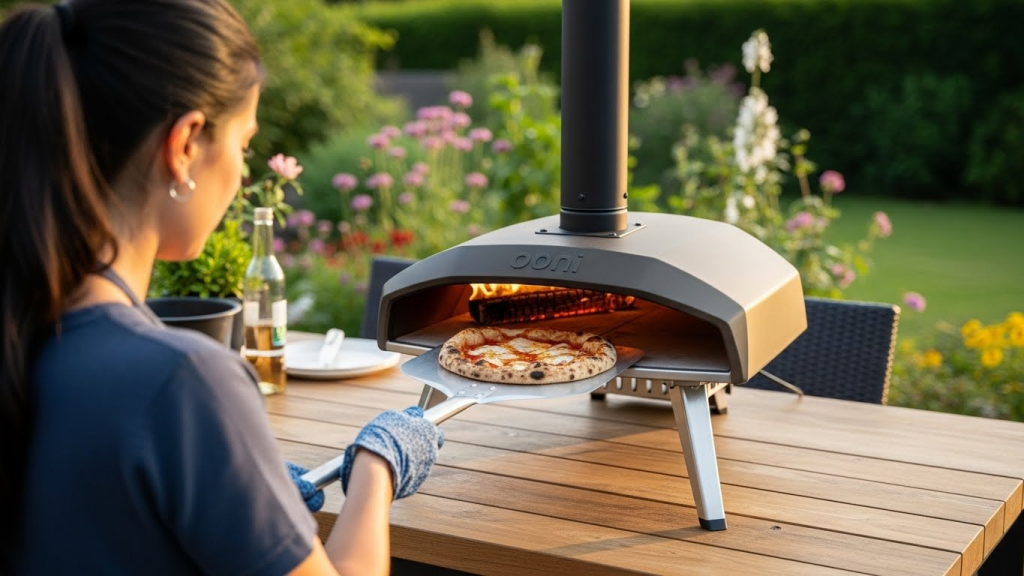
Most home ovens top out at around 500 to 550 °F, so they cannot hit true Neapolitan temperatures. That is why portable outdoor pizza ovens have exploded in popularity. They bring high heat and stone decks to regular backyards.
Why High Heat Pizza Ovens Are Booming
The pizza oven market has been growing quickly. One market report estimates that the global pizza oven market was about 1.84 billion dollars in 2023 and could reach about 2.64 billion dollars by 2030, with annual growth of roughly 5.3 percent.
Another study focusing on outdoor pizza ovens puts that segment at about 180 million dollars in 2023, with a projection of 460 million dollars by 2032 and an annual growth rate above 11 percent. That demand is driven by exactly what you want right now.
People want to recreate restaurant quality pizza at home and turn backyard cooking into a social event. Ooni and Solo Stove sit right in the center of this trend, with compact stainless steel ovens that promise real Neapolitan results.
Ooni vs Solo Stove At A Glance
Here is a quick summary before we dive into details.
Quick Comparison Table
| Category | Ooni Pizza Ovens | Solo Stove Pi Line |
|---|---|---|
| Lineup | Wide lineup: gas, multi fuel, pellet, and even electric indoor options | Focused lineup: Pi Prime (gas), Pi Pizza Oven (dual fuel), Pi Fire (for fire pits) |
| Max temperatures (select models) | Many outdoor models reach up to about 500 °C / 950 °F and can cook pizza in about 60 seconds | Pi Prime is advertised to reach about 900 °F in around 15 minutes, with some retailer listings stating temperatures above 950 °F; Pi wood fired ovens are often rated up to around 900 to 950 °F |
| Fuel options | Gas only, wood and charcoal, pellets, and some models with optional gas burners | Gas only (Pi Prime), dual fuel wood plus gas (Pi Pizza Oven with gas burner accessory), or wood fired via Pi Fire over Solo Stove fire pits |
| Pizza size | Ranges from 12 inch to 16 inch stones, depending on mode | Typically up to 12 inch pizzas on Pi and Pi Prime |
| Learning curve | Steeper at first for wood or multi fuel models; gas models are more forgiving | Pi Prime is very beginner friendly, with simple gas control and wide opening; wood fired Pi needs more fire management |
| Best fit | Tinkerers and enthusiasts seeking flexibility, very high heat, and many size options | Beginners and fire pit owners who want simple operation and a clean, modern look |
If you want maximum flexibility and the most Neapolitan focused options, Ooni has the edge.
If you want an easy gas oven that still hits Neapolitan style temperatures, or you already own a Solo Stove fire pit, Solo Stove is very attractive.
Meet The Brands
Ooni At A Glance
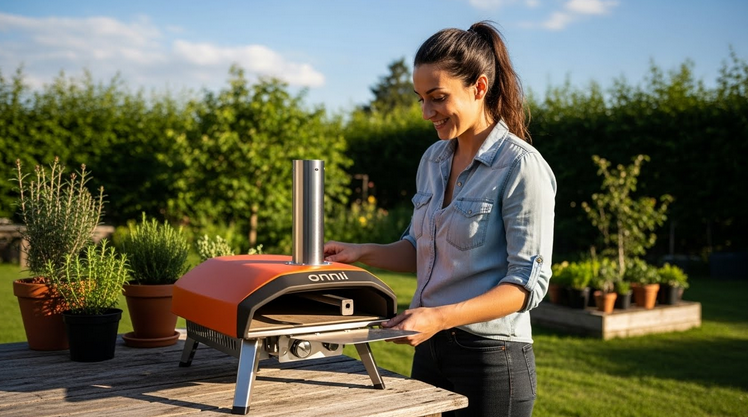
Ooni, based in the United Kingdom, helped popularize portable pizza ovens.
The company focuses on compact, high temperature ovens that can reach up to about 500 °C / 950 °F and cook pizza in around a minute on many models, such as the Koda 2 gas oven and the Fyra 12 pellet oven.
Their lineup includes gas only ovens (Koda series), multi fuel ovens that can run on wood, charcoal, or gas with an accessory (Karu series), wood pellet ovens (Fyra 12), and even electric models for indoor use.
For you, that means you can pick an oven that matches your fuel preference and space, while still hitting temperatures that work for Neapolitan pizza.
Solo Stove Pi At A Glance
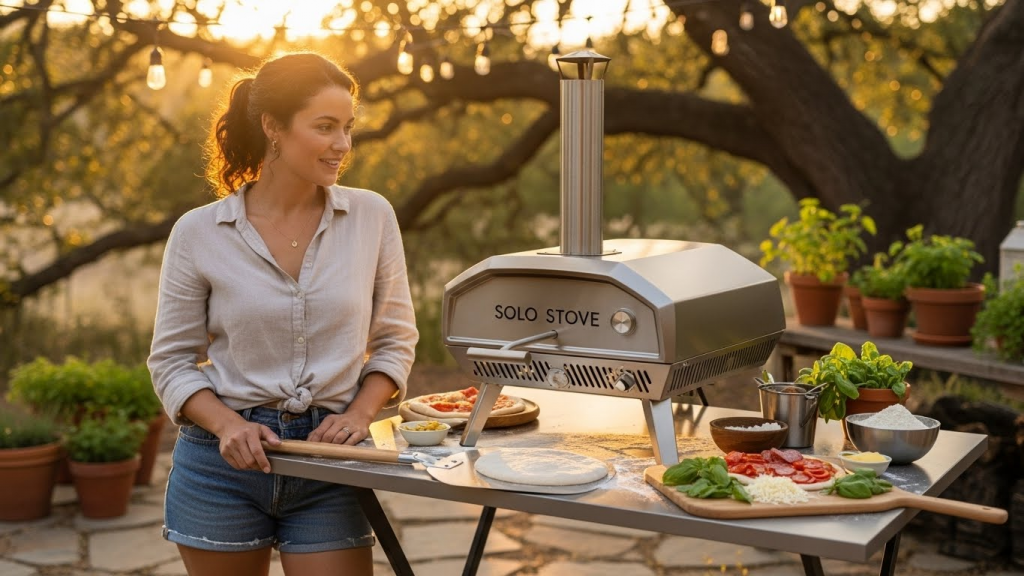
Solo Stove started with smokeless fire pits, then moved into pizza ovens with the Pi line.
The Pi Pizza Oven uses a circular stainless steel “demi dome” design with a wide front opening and a thick cordierite stone for even heat.
The Pi Prime is a propane only version that Solo Stove and retailers describe as heating up in around 15 minutes and reaching temperatures near 900 °F or higher, fast enough to cook Neapolitan style pizza in about 90 seconds.
The Pi Fire is a special ring designed to sit over Solo Stove fire pits, letting you cook pizza directly with the fire pit as the heat source.
Solo Stove focuses less on a huge range of models and more on simple, stylish ovens that match their fire pits and outdoor lifestyle products.
Ooni vs Solo Stove For Neapolitan Pizza – Performance Breakdown
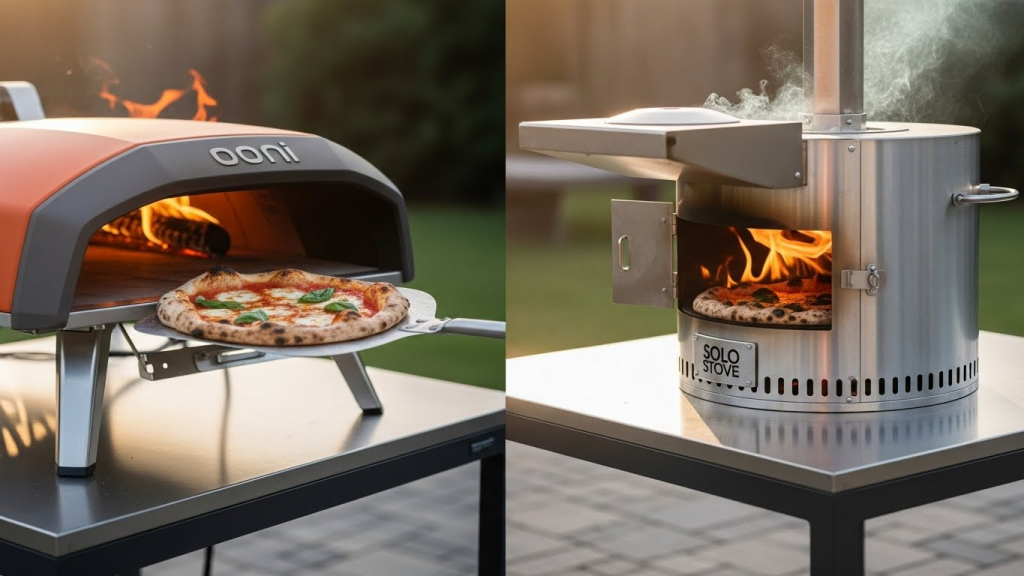
1. Heat And Speed
For Neapolitan pizza, temperature and preheat time matter.
- Ooni Koda 2 and Fyra 12 are advertised to reach about 500 °C or 950 °F and cook pizza in around 60 seconds when properly heated.
- Solo Stove Pi Prime is described by Solo Stove and retailers as reaching around 900 °F in about 15 minutes, with some listings stating it can exceed 950 °F.
In practice, both brands can hit Neapolitan style temperatures.
Heat distribution and stone recovery time are just as important.
Ooni’s newer G2 Gas Technology works to even out hot and cold spots across the stone and speed up reheating between pizzas.
Solo Stove’s demi dome design focuses heat around the stone from a rounded shell, which helps with consistency once preheated.
For pure peak heat and short bake times, the difference between 900 and 950 °F is small. Your dough recipe, hydration, and launch timing will matter more than that 50 degree gap.
2. Fuel Flexibility
If you care about wood fired flavor, Ooni gives more options.
You can choose pure wood pellet ovens like Fyra 12, or multi fuel models like Karu 2 Pro that allow wood, charcoal, or gas with an accessory.
Solo Stove lets you choose between:
- Pure gas (Pi Prime)
- Dual fuel wood and gas (Pi Pizza Oven)
- A fire pit based system (Pi Fire) that uses logs or chunks in the Solo Stove fire pit.
Both brands can deliver Neapolitan style pizza on wood or gas.
But if you want the broadest menu of oven sizes and fuel types, Ooni wins on variety.
3. Learning Curve
Wood fired ovens have a steeper learning curve.
You must light the fire, manage fuel, and keep the flame size and stone temperature consistent.
Ooni Karu and Solo Stove Pi wood setups demand more attention, but they reward you with more smoke flavor in the crust.
Gas models like Ooni Koda 2 and Solo Stove Pi Prime light quickly and let you dial in the flame with a simple knob.
If you are brand new to high temperature cooking, a gas oven is often the best first step.
You can still make a homemade Neapolitan pizza dough recipe and bake it at 800 to 900 °F without worrying about fire management.
4. Build, Size, And Portability
Both brands use stainless steel and cordierite stones.
Ooni tends to offer more compact models, like the Fyra 12, which weighs around 10 kilograms and is very easy to mov
Koda 2 is also designed to be portable at roughly 35 pounds, while still offering a 14 inch stone.
Solo Stove Pi Prime comes in at about 30 pounds on many listings, which is still portable, but it is shaped more like a compact appliance that lives on a patio table.
If you want the lightest, most travel friendly oven, Ooni has more ultra portable choices.
If you want something that looks like a permanent stainless unit on your patio, Solo Stove has a stylish edge.
People Also Ask – Key Questions Answered

Do you really need 900 °F to make Neapolitan pizza at home?
Traditional Neapolitan standards call for very high oven temperatures, commonly near 430 to 485 °C, which is about 800 to 905 °F, and a bake time under two minutes.
So aiming for at least 800 °F on the stone is a good target.
However, many home cooks get excellent results at slightly lower temperatures, around 750 to 850 °F, by adjusting dough hydration and bake time.
The bigger deal is consistency. A stone that stays hot and a strong top flame matter more than the last 50 degrees.
Is Ooni or Solo Stove better for beginners?
If you want the simplest possible first experience, Solo Stove Pi Prime and Ooni Koda 2 are both excellent.
Pi Prime makes things very straightforward, with a single front control and a wide opening.
Koda 2 focuses on even heat and a compact, portable body, with a strong gas burner system and easy setup.
In other words:
- Choose Solo Stove Pi Prime if you care more about looks, simplicity, and already like Solo Stove products.
- Choose Ooni Koda 2 if you want more model options, more accessories, and a brand built around pizza ovens.
Which brand is better if I want to upgrade later?
For upgrade paths, Ooni has a wider catalog.
You can start with a 12 inch gas oven, then move to a 16 inch multi fuel model or even an electric oven for indoor cooking, all within the same ecosystem.
Solo Stove’s main upgrade path is from gas to fire pit and accessories, rather than multiple pizza oven shapes and sizes.
If you plan to build a full outdoor pizza kitchen over time, Ooni gives you more flexibility.
How To Get Better Neapolitan Results In Any Pizza Oven
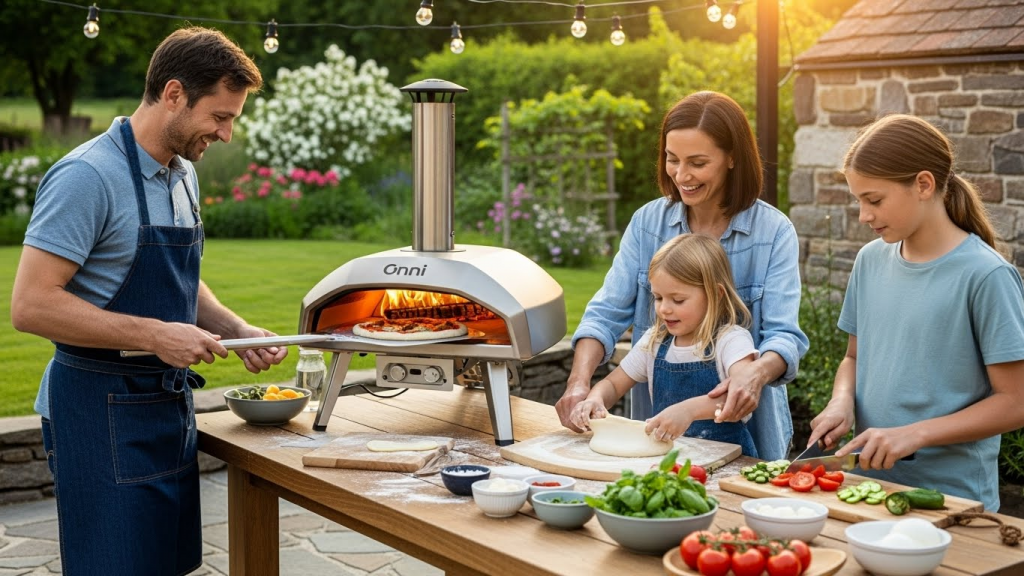
No matter which brand you pick, a few simple steps will boost your results.
-
Use the right dough.
- Aim for a higher hydration dough, often 60 to 70 percent water by weight, and use strong bread or “00” flour.
- Cold fermenting the dough in the fridge for 24 to 72 hours can improve flavor and texture.
-
Preheat longer than you think.
- Even if your oven says it is ready in 15 minutes, let the stone heat for at least 20 to 30 minutes to fully saturate.
- Use an infrared thermometer if you have one and target at least 750 to 850 °F on the stone for Neapolitan style.
-
Launch small and practice.
- Start with 10 to 11 inch pizzas while you learn, even if your oven can handle 12 or 16 inch pies.
- This gives you more space to turn the pizza and fewer toppings to burn.
-
Turn early and often.
- Rotate the pizza every 10 to 15 seconds so one side does not scorch while the other side stays pale.
-
Top lightly.
- Neapolitan pizza should have a thin layer of sauce, a modest amount of cheese, and minimal toppings.
- Heavy toppings will weigh down the crust and make it harder to cook through at high heat.
Following these basics will improve your pies in any oven, whether you choose Ooni or Solo Stove.
Summary – So, Which Pizza Oven Makes Better Neapolitan Pizza At Home?
If your main question is “Who wins: Ooni vs Solo Stove?”, here is the simple answer.
-
For pure Neapolitan performance and variety:
- Ooni is the stronger overall choice.
- Many Ooni ovens reach about 950 °F, cook pizza in roughly one minute, and come in several fuel types and sizes, including multi fuel models like Karu 2 Pro and compact pellet ovens like Fyra 12.
-
For easy gas powered Neapolitan bakes with a sleek design:
- Solo Stove Pi Prime is an excellent option, especially if you already use Solo Stove fire pits or like their aesthetic.
-
For wood fired flavor with simple design:
- Both Ooni Karu and Solo Stove Pi wood versions can deliver, but Ooni offers more sizes and a deeper accessory ecosystem.
In short, if you want the most flexible pizza oven system with a strong focus on pizza, Ooni is usually the better long term bet.
If you want a stylish, straightforward oven and possibly to tie into a Solo Stove fire pit, Solo Stove is a very satisfying choice.
Next Steps: Turn Your Backyard Into A Neapolitan Pizza Night
- Decide your priority: flexibility, wood flavor, or plug and play gas convenience.
- Compare specific models:
- Ooni Koda 2, Karu 2 Pro, and Fyra 12.
- Solo Stove Pi Prime, Pi Pizza Oven, and Pi Fire.
- Plan your first pizza party with simple recipes like classic Margherita pizza at home or beginner Neapolitan pizza dough and practice a few runs before hosting a big group.
With the right oven, a bit of practice, and the tips in this guide, you can stop dreaming about Neapolitan pizza and start pulling it out of your own backyard oven in under two minutes.
The responses below are not provided, commissioned, reviewed, approved, or otherwise endorsed by any financial entity or advertiser. It is not the advertiser’s responsibility to ensure all posts and/or questions are answered.



Comments 1 comment
This made me realize my home oven never really had a chance.