

May is packed with gift-worthy moments. Think Mother’s Day, spring anniversaries, graduations, and early wedding season. That is exactly why this Fire Light diamonds review matters right now. When shoppers want something luxurious but still practical, lab-grown diamond jewelry has become one of the easiest ways to get real sparkle, fine metal, and a more values-driven story without chasing the steep price of a comparable mined diamond.
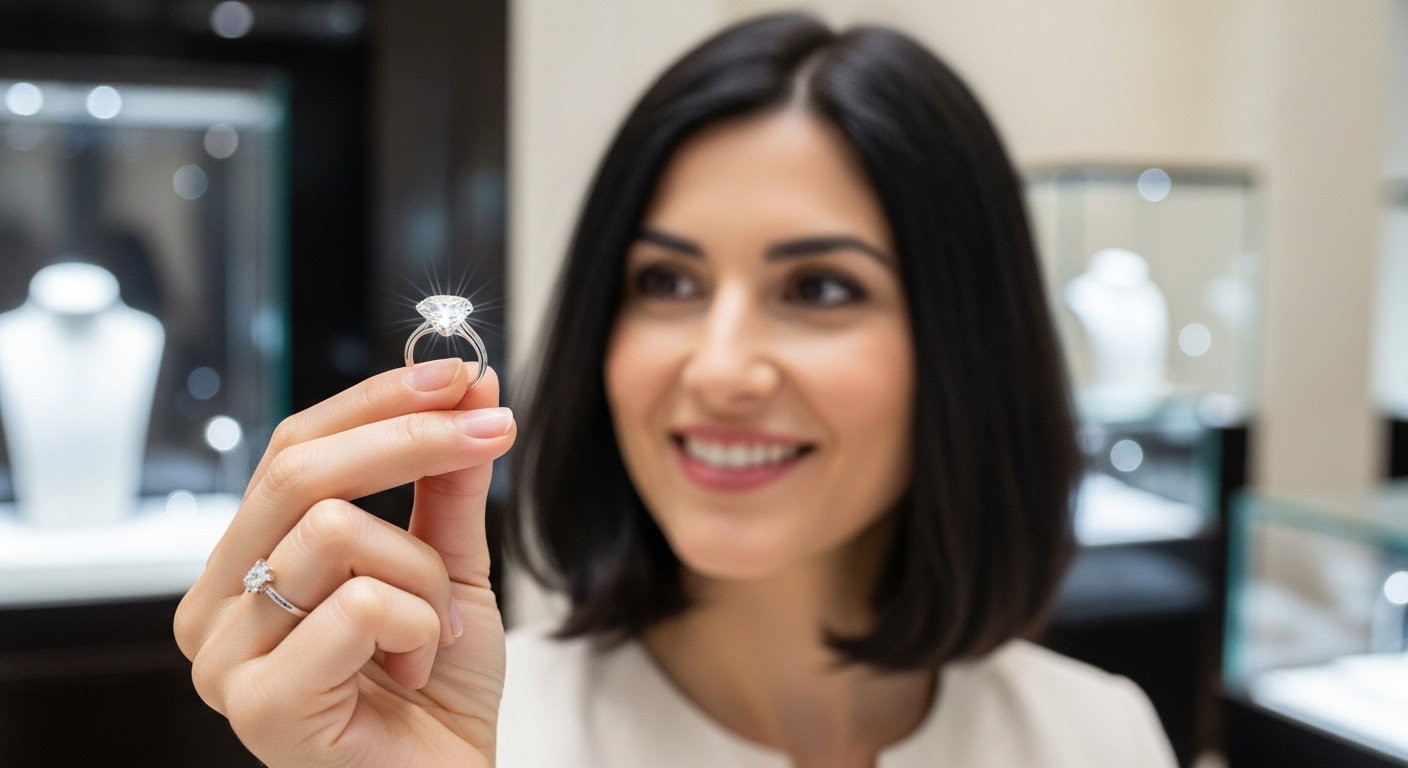
Fire Light, QVC’s lab-grown diamond line, leans directly into that idea. On its collection page, QVC says Fire Light lab-grown diamonds have the same chemical, physical, and optical properties as mined diamonds, are rated 10 on the Mohs hardness scale, and cost less than comparable mined diamonds with similar color, clarity, and carat weight. GIA also explains that laboratory-grown diamonds are essentially chemically and optically the same as natural diamonds, and that traditional gemological observations are not enough to tell them apart without sophisticated testing.
That does not mean the decision is simple. The real question in the lab-grown vs natural diamonds debate is not whether one sparkles and one does not. Both can be beautiful. The better question is this: what are you actually buying? If you want rarity, geological history, and potentially stronger long-term perception of value, natural diamonds still hold emotional and market advantages. If you want size, shine, and an easier price point for a special gift, lab-grown diamonds often win on practicality. Reuters has reported both that lab-grown stones became popular partly because they are cheaper and seen as conflict-free, and that prices have dropped sharply as supply expanded, which has changed how shoppers think about value.
What makes Fire Light stand out?
A lot of jewelry brands now sell lab-grown stones, so a strong Fire Light diamonds review has to answer a simple consumer question: why this collection? The clearest answer is accessibility. Fire Light brings fine jewelry styling to a mainstream retail platform people already trust for payments, returns, and easy browsing. That matters for gift shoppers who do not want the pressure or opacity that sometimes comes with traditional diamond shopping.
It also helps that QVC repeats a consistent quality message across Fire Light product pages. For the rings reviewed here, QVC says the stones meet standard GIA requirements of Near Colorless color and Very Slightly Included clarity, and that QVC incorporates the Gemological Institute of America’s expertise into its jewelry quality assurance process. That language will appeal to shoppers who want a purchase to feel informed, not impulsive.
In practical terms, Fire Light makes sense for buyers who want a luxury look without a luxury-store learning curve. You are getting 14K gold, clear carat weights, style variety, and a more approachable path into real diamond jewelry. That is a strong position for ethical luxury gifts, especially when the buyer cares more about wearing and gifting than about future resale.
Lab-grown vs natural diamonds, what really matters?
The easiest mistake in this category is to treat lab-grown versus natural as a purity contest. It is not. The most useful comparison comes down to five things: origin, appearance, price, resale expectations, and how carefully brands make ethical claims.
Origin
Natural diamonds form in the Earth over immense spans of time. Lab-grown diamonds are produced in controlled environments using methods such as CVD or HPHT. GIA notes that laboratory-grown diamonds are chemically and optically the same as natural diamonds, but their origin is different, and lab testing is the reliable way to confirm which is which.
Appearance and durability
For everyday wear, both options can deliver the brilliance most shoppers want. GIA explains that consumers generally cannot distinguish the two with ordinary observation alone, and QVC says Fire Light diamonds share the same optical properties as mined diamonds. Diamonds also rate at 10 on the Mohs scale, which is one reason diamond jewelry remains such a classic gift category.
Price and size for budget
This is where lab-grown often pulls ahead. QVC explicitly states that mined diamonds with comparable color, clarity, and carat weight are more expensive. Reuters also reported that lab-grown prices have fallen dramatically as production scaled, helping make larger stones available at much lower price points than comparable mined options. For a shopper setting a gift budget, that usually means more visible impact per dollar.
Resale and long-term market value
This point deserves honesty. Lab-grown diamonds are often the better value at checkout, but not necessarily the better bet for resale. Reuters reported in 2025 that wholesale prices for one and two-carat lab-grown diamonds had fallen sharply since 2018, underscoring how quickly this market can move. Natural diamonds are not a guaranteed investment either, but if resale value is central to the purchase, natural stones usually deserve a closer look.
Ethics, with nuance
This is where many articles oversimplify. Lab-grown diamonds are often framed as the ethical option because they avoid new mining and appeal to buyers who want lower-impact, more traceable luxury. Reuters has described them as appealing to younger, ethically conscious consumers. But the FTC also warns that broad, unqualified claims such as “green” or “eco-friendly” are difficult, if not impossible, to substantiate without specific evidence. So the most credible position is not that every lab-grown diamond is automatically perfect, but that lab-grown jewelry can be a strong ethical luxury gift option for shoppers who prioritize avoiding new mining, price transparency, and clear product disclosure.
Fire Light diamonds review, the short verdict
If your goal is an heirloom story tied to geological rarity, Fire Light may not replace the emotional pull of a mined diamond. But if your goal is to give something beautiful, durable, and gift-ready, while stretching your budget further, Fire Light makes a compelling case. In other words, this Fire Light diamonds review lands in a very specific place: it is a smart buy for modern gift shoppers who care about sparkle, everyday wearability, and a more practical take on ethical luxury.
Three QVC Fire Light rings worth comparing
To keep this article useful, here are three similar Fire Light QVC rings that show the collection’s range. All three are 14K gold styles, all use lab-grown diamonds, and all are positioned as statement pieces rather than tiny accent jewelry. Product prices below reflect what QVC pages showed on April 21, 2026, and may change.
| Product | Total weight | Design notes | Listed QVC price | Best for |
|---|---|---|---|---|
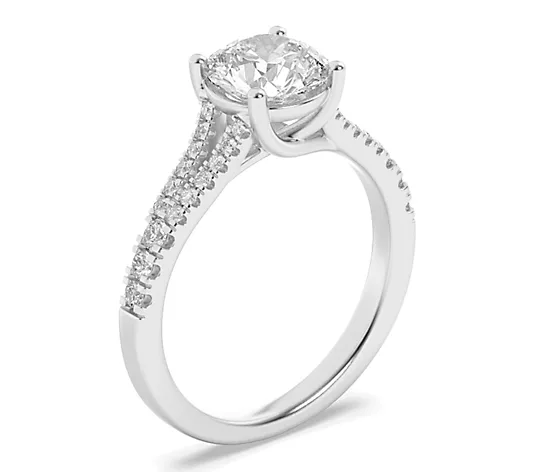
| Fire Light 2.50 cttw Lab Grown Diamond Round Cut Ring, 14K | 2.50 cttw | Round center stone with pave band, polished finish | $3,025.00 | Buyers who want classic engagement-style sparkle |
| Fire Light 2.00 cttw Lab Grown Diamond Round Halo Ring, 14K | 2.00 cttw | Round center with halo look and split shank | $2,354.98 sale price, down from $2,591.00 | Shoppers who want a more glamorous, dressy look |
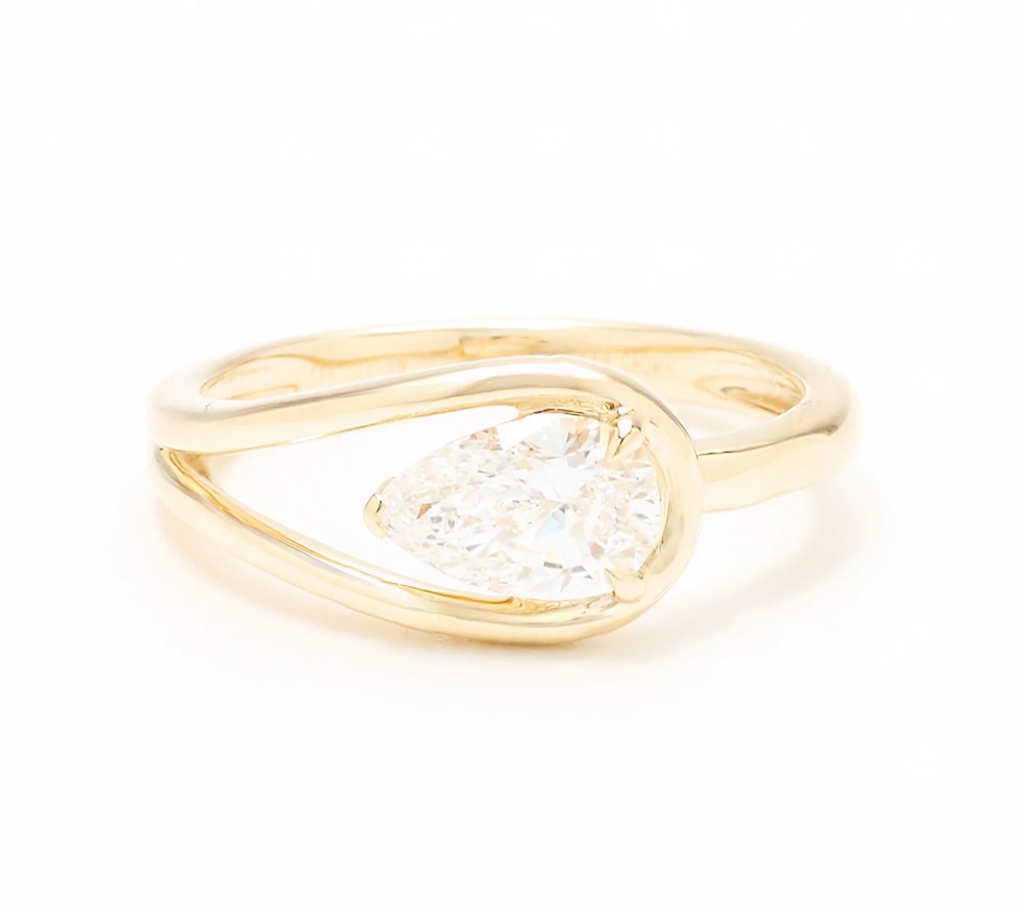
| Fire Light Lab Grown Diamonds 1.04 cttw East West Ring, 14K | 1.04 cttw | Pear-shaped solitaire in an east-west setting | $1,599.98 sale price, down from $1,999.00 | Gift buyers who want something modern and less traditional |
Here is what stands out in each one:
The 2.50 cttw Round Cut Ring feels closest to the classic diamond fantasy. QVC describes it as a round center stone with pave-set diamonds along the band, and lists it at approximately 2.50 total carats in 14K gold. If someone searching “Fire Light diamonds review” wants the closest thing to a traditional statement ring, this is the one that fits the brief best.
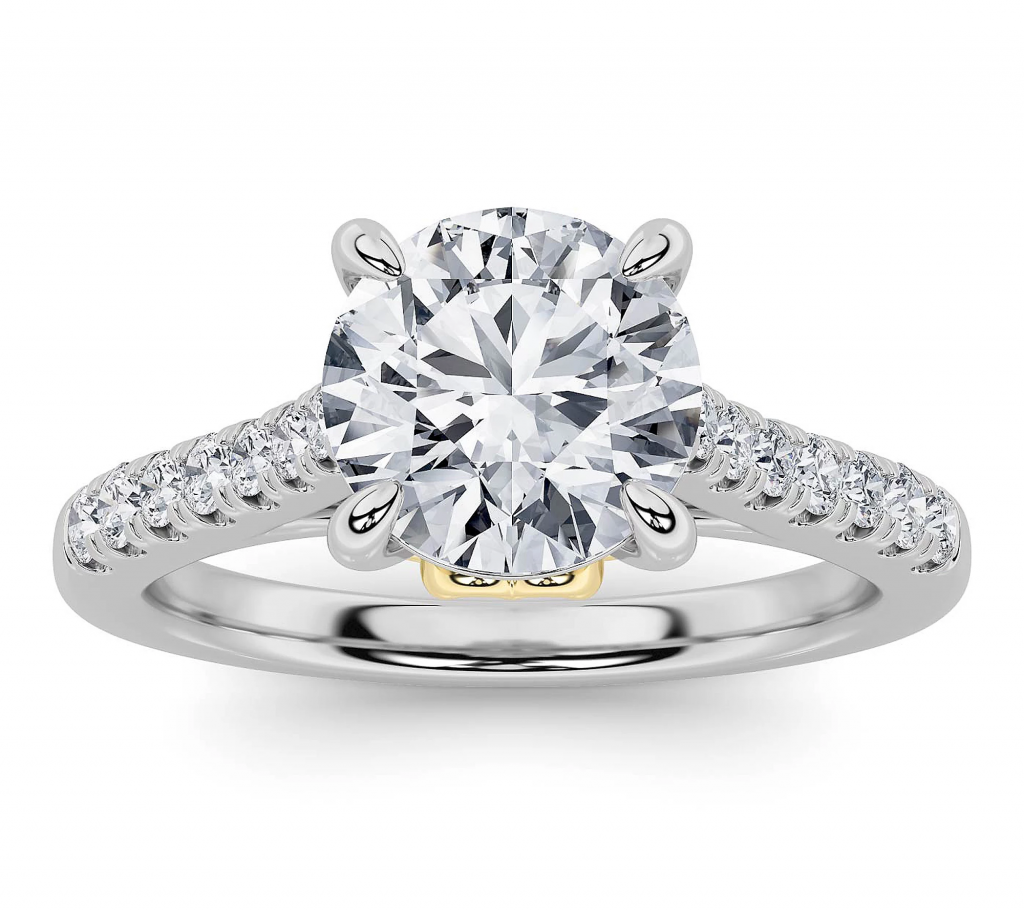
The 2.00 cttw Round Halo Ring is the flashier option. The split shank and halo styling push it into occasion-jewelry territory, which makes it especially strong for anniversaries, milestone birthdays, or a standout May gift. It still delivers the big-diamond look, but with a more dramatic frame.
The 1.04 cttw East West Ring is the most fashion-forward of the three. Its pear-shaped stone is set horizontally, which gives it a more editorial look and makes it feel less bridal, more everyday luxury. For readers interested in ethical luxury gifts rather than strictly engagement jewelry, this may be the most versatile pick.
Is Fire Light the best answer for ethical luxury gifts?
For many shoppers, yes, with one important caveat. Fire Light works best when “ethical” means a mix of avoiding newly mined stones, buying within budget, and choosing a retailer that makes the core specs easy to understand. It works less well if the buyer wants deep sustainability documentation on energy sourcing, third-party environmental certification, or detailed provenance reporting for each stone. The FTC’s guidance is a useful reminder here, broad environmental claims need specifics.
That is why the strongest version of this argument is not “lab-grown is always better.” It is this: for gift shoppers who want real diamonds, more size for the money, and fewer concerns tied to new mining, Fire Light is a practical and appealing option. That is enough to make it persuasive in the lab-grown vs natural diamonds conversation, especially for seasonal gifting.
What to look for before you buy
Before checking out, use a simple diamond buying checklist:
- Confirm the total carat weight and whether that matches the visual impact you want.
- Read the product page for color and clarity language.
- Check metal type, in this case 14K gold for the rings highlighted here.
- Review ring sizing and measurements, especially if it is a surprise gift.
- Save screenshots of any product claims you care about.
- Make sure your invoice includes the details the seller told you, because the FTC advises buyers to get written information on origin, weight or size, treatments, and special care requirements.
That last step matters. A polished shopping experience is great, but documentation is what protects your purchase.
Final take
So, is Fire Light the ethical choice for May? In many real-world gifting scenarios, yes. This Fire Light diamonds review shows why. The collection gives buyers real diamond chemistry and sparkle, familiar QVC shopping convenience, and styles that feel luxurious without forcing them into natural-diamond prices. GIA supports the core reality that lab-grown and natural diamonds are materially alike, QVC positions Fire Light as lower-cost than comparable mined diamonds, and the FTC provides the right reminder to keep environmental claims specific and honest.
If the person receiving the gift will care most about beauty, wearability, and the feeling of getting more for the budget, Fire Light is easy to recommend. If they care most about rarity, resale expectations, or the romance of a stone formed in the Earth, natural diamonds still have a case. But for shoppers focused on modern values and visible impact, Fire Light sits in a very attractive middle ground, luxurious, giftable, and easier to justify.
The responses below are not provided, commissioned, reviewed, approved, or otherwise endorsed by any financial entity or advertiser. It is not the advertiser’s responsibility to ensure all posts and/or questions are answered.