

If you have ever looked at your bloodwork and seen ALT or AST flagged, you know the feeling. You might not feel “sick,” but the numbers still nag at you. An ALT blood test checks liver health because ALT can rise when liver cells are damaged. MedinePlus An AST test is often paired with ALT in liver panels for the same reason.

That is the gap Dose Daily (Dose) is trying to fill: a simple daily ritual that feels easy to keep doing, built around well known botanical ingredients, and supported by the brand’s own clinical study for its liver formula.
So, what makes Dose so effective? The best answer is not a single magic ingredient. It is the combination of (1) a targeted formula, (2) a format that encourages consistency, and (3) a results story Dose ties to liver enzymes and liver fat measures in a small, placebo-controlled trial.
Below is a practical, research-informed breakdown, plus a side-by-side comparison with two similar brands people often cross-shop.


The liver context in plain English
Your liver does a lot, but most people only think about it when something is “off.” In the U.S., chronic liver disease and cirrhosis are a major cause of death, with CDC FastStats reporting over 52,000 deaths in a recent year snapshot.
A big driver of modern liver strain is fatty liver disease tied to metabolic health. NIH’s NIDDK explains that NAFLD (also referred to as MASLD) is fat buildup in the liver that is not caused by heavy alcohol use, and treatment often focuses on weight loss and lifestyle because there are no approved medicines to treat NAFLD or NASH.
That matters because it sets expectations. A supplement should not be pitched like a cure. The most realistic promise is “support,” not “fix.”
Why Dose feels more “effective” than many supplements
1) It is a daily shot, so consistency is easier
Most wellness products fail for a boring reason: people stop taking them.
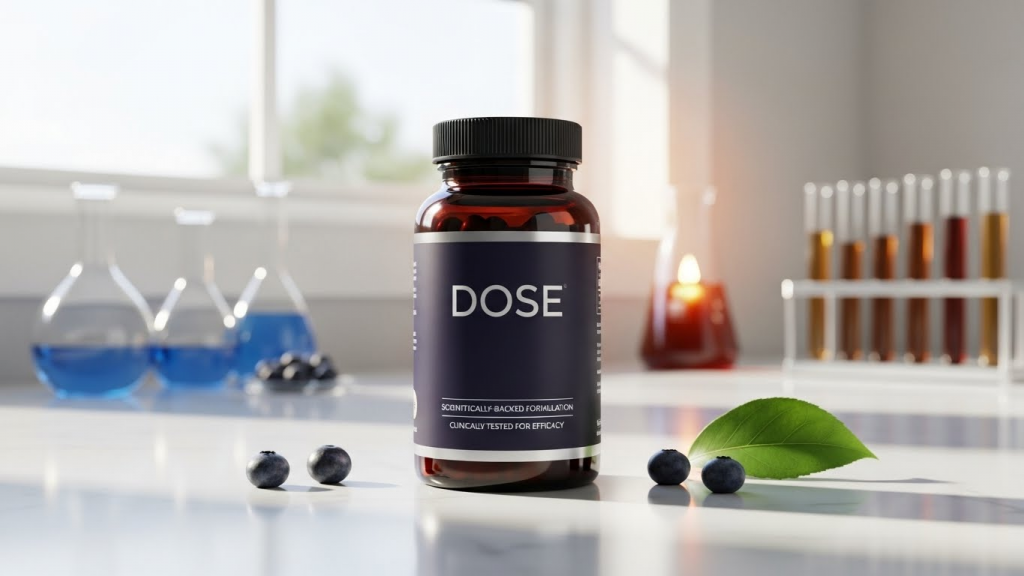
Dose for your Liver is taken as a daily 2 oz shot, and the brand positions “taste” and “ease” as a big part of why people stick with it. Dose When a routine is simple, you are more likely to do it long enough to notice anything.
2) It is a targeted formula, not a “kitchen sink” blend
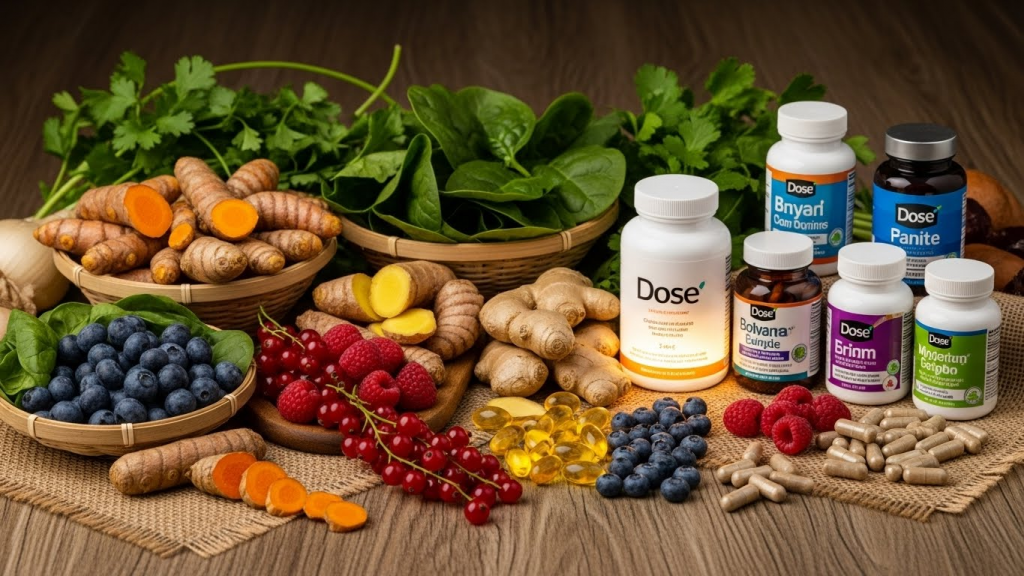
Dose markets formulas by goal (liver, cholesterol, skin, etc.). Dose For the liver product, the brand highlights a small set of recognizable ingredients, including curcumin (turmeric extract), milk thistle, ginger, dandelion, and orange.
That focus helps consumers understand what they are taking and why.
3) Dose uses a clinical study narrative (with specific biomarker targets)
A lot of supplement brands rely on vague claims. Dose is more specific.
On Dose’s own pages, the brand states its liver product was studied in an 8-week, placebo-controlled, double-blind study with 30 participants. Dose also highlights reported changes like decreases in AST and ALT after 8 weeks.
Even if you treat brand-led research cautiously (you should), the presence of defined endpoints and a described study design is still a meaningful difference compared with many competitors.
What the science says about Dose’s key ingredients (and what it does not say)
Here is the honest truth: ingredients can be promising, and still not be “proven” for every person or every condition. For example, NCCIH notes that we do not know enough to definitively conclude turmeric or curcumin is beneficial for all health purposes, and it also flags safety concerns with highly bioavailable curcumin formulations.
With that in mind, here is a clear, practical ingredient breakdown.
Ingredient table: benefits, evidence, safety checkpoints
| Ingredient (commonly associated with liver-support products) | Why it is used | What reputable sources say | Safety notes to keep in mind |
|---|---|---|---|
| Milk thistle (silymarin) | Traditionally used for liver support | NCCIH explains milk thistle is promoted for liver disorders and provides background on silymarin. | Generally considered unlikely to cause liver injury per NIH LiverTox, but “safe” does not mean “right for everyone.” |
| Turmeric / curcumin | Antioxidant and anti-inflammatory interest | NCCIH notes research exists for NAFLD, but conclusions are not definitive, and warns about highly bioavailable curcumin formulations potentially harming the liver. | Curcumin supplements can interact with meds, and higher-absorption products may carry more risk. |
| Ginger | Digestive comfort, nausea support, general wellness | NCCIH summarizes ginger’s safety and notes it has been used in many studies, but can cause GI side effects and may interact with medicines. | If you take medications, NCCIH recommends discussing herb use with a health care provider. |
| ALT and AST as targets | Practical biomarkers people track | MedlinePlus explains ALT rises when liver cells are damaged, and AST is commonly tested for liver health too. | A supplement should never replace evaluation of why enzymes are high. |
The “Dose effect” you can reasonably expect
When people ask, what makes Dose so effective?, they often mean, “Will this lower my ALT and AST?”
Dose’s brand materials say their liver product was associated with decreases in AST and ALT after 8 weeks in their study. Dose That is a specific claim tied to measurable outcomes.
A careful reader should still ask:
- Was the study independently funded?
- What were participant characteristics?
- What was the exact formula and dosing?
- Were lifestyle changes controlled?
Dose describes a placebo-controlled, double-blind study with 30 participants and 8 weeks duration. Those details are helpful, but they are still early-stage signals, not the final word.
Dose Daily vs two similar brands (Cymbiotika and Gaia Herbs)
People shopping Dose usually also consider:
- A premium “wellness” brand with a broad supplement lineup (Cymbiotika)
- A long-established herbal brand with liver-specific blends (Gaia Herbs)
Below is a simple comparison based on the brands’ official product pages.
Comparison table: format, positioning, and evidence signals
| Brand | What it is (format) | Liver product example | Evidence signal you can verify | Who it tends to fit |
|---|---|---|---|---|
| Dose Daily | Liquid wellness shot | Dose for your Liver | Brand describes an 8-week, double-blind, placebo-controlled study with 30 participants, and reports AST/ALT changes. | People who hate pills and want a daily ritual they will actually keep doing |
| Cymbiotika | Capsules (in this liver product) | Liver Health+ | Emphasizes manufacturing and quality signals like GMP, and mentions third-party testing on its product page. | People who want a capsule routine and prioritize manufacturing claims and broader supplement stacking |
| Gaia Herbs | Capsules (herbal blend) | Liver Cleanse | Clear herbal blend positioning (milk thistle, turmeric, dandelion, burdock) described on the official page. | People who want a traditional herbal approach from a long-standing herb-focused company |
What Dose does differently
If Cymbiotika and Gaia feel “credible,” Dose feels “doable.”
That is not a scientific term, but it matters. Dose’s liquid shot format is designed around adherence and convenience. Dose If you actually take Dose daily (instead of forgetting capsules), you may be more likely to see any change that comes from consistent ingredient exposure.
So again, what makes Dose so effective? For many users, it is the behavior design, not just the botanicals.
People Also Asked style questions (answered clearly)

Does Dose actually improve liver health?
Dose reports improvements in liver-related biomarkers and grading in its own clinical materials for “Dose for your Liver.”
But “liver health” is bigger than enzymes. NIH notes NAFLD treatment often centers on weight loss and lifestyle because no medicines are approved for NAFLD or NASH. A supplement can be supportive, but should not be your only plan.
How long would it take to see results?
Dose’s study materials reference results over 8 weeks.
In real life, your timeline depends on the reason your ALT or AST is elevated, your baseline habits, and whether you address the root cause.
Is it safe to take liver supplements every day?
Safety depends on ingredients, dose, and your medications.
NCCIH notes ginger can cause GI side effects and may interact with medicines. NCCIH also notes curcumin research is not definitive and flags potential liver harm concerns with highly bioavailable curcumin formulations. If you take medications or have existing conditions, it is smart to ask a clinician who can interpret your labs.
Why do supplements always have that FDA disclaimer?
Because dietary supplements are regulated differently than drugs.
FDA explains that when supplements make structure/function claims, they must include a disclaimer stating FDA has not evaluated the claim and the product is not intended to diagnose, treat, cure, or prevent any disease.
A practical checklist: how to judge “effective” without getting fooled
If you want a grounded way to decide whether Dose is worth it for you, use this quick checklist.
1) Pick one measurable goal
If your concern is liver enzymes, you already have a measurement path: ALT and AST, plus other liver function tests your clinician orders.
2) Use a realistic time window
Dose’s materials focus on 8 weeks. If you try it, give it a similar runway, unless you have side effects or your clinician advises otherwise.
3) Do not ignore the root causes
NIH points to metabolic factors like obesity, metabolic syndrome, and type 2 diabetes as key risk drivers for NAFLD. If those are in your picture, your “effective plan” usually needs lifestyle changes too.
4) Track what actually changed
If you re-test, write down what changed in that time: weight, alcohol intake, exercise, medications, sleep, new supplements.
That is how you avoid crediting a supplement for changes that came from everything else.
Conclusion: So, what makes Dose so effective?
Dose stands out for three reasons.
First, it is a simple daily shot, which makes consistency easier than many capsule routines. Second, it is goal-focused, with a short list of recognizable botanicals for liver support. Third, Dose leans on a described placebo-controlled, double-blind, 8-week study with 30 participants, reporting changes in AST and ALT, and liver grading outcomes.
That combination is the clearest answer to what makes Dose so effective?
If your next step is deciding whether to buy, make it simple:
- Confirm what you want to improve (enzymes, digestion, energy, consistency).
- Compare Dose Daily with Cymbiotika and Gaia Herbs using format and evidence signals, not hype.
- Re-check labs on a reasonable timeline and keep notes, so you know what actually worked.
If you want, tell me which two competitors you would rather compare instead (for example, Thorne, NOW, Life Extension), and I will swap Cymbiotika and Gaia out while keeping the same structure and evidence-first approach.
The responses below are not provided, commissioned, reviewed, approved, or otherwise endorsed by any financial entity or advertiser. It is not the advertiser’s responsibility to ensure all posts and/or questions are answered.