

Car ownership feels like a never ending list, fluids, tires, wipers, warning lights, weird noises, and a surprise repair right when you are busy. If you have ever thought “I just want everything for your car handled,” you are in the right place.

This guide gives you a practical system to cover safety, maintenance, emergency preparedness, and smart parts buying, without wasting money or buying the wrong thing. You will also see a clear comparison of Autodoc, RockAuto, and Euro Car Parts, so you can pick the best place to buy parts for your situation.


A quick reality check: cars are expensive to run, even when nothing breaks. AAA’s latest annual analysis puts the average total cost to own and operate a new vehicle at $11,577 per year in the U.S. And the average age of vehicles on U.S. roads hit 12.8 years in 2025, which usually means more maintenance and more repairs over time.
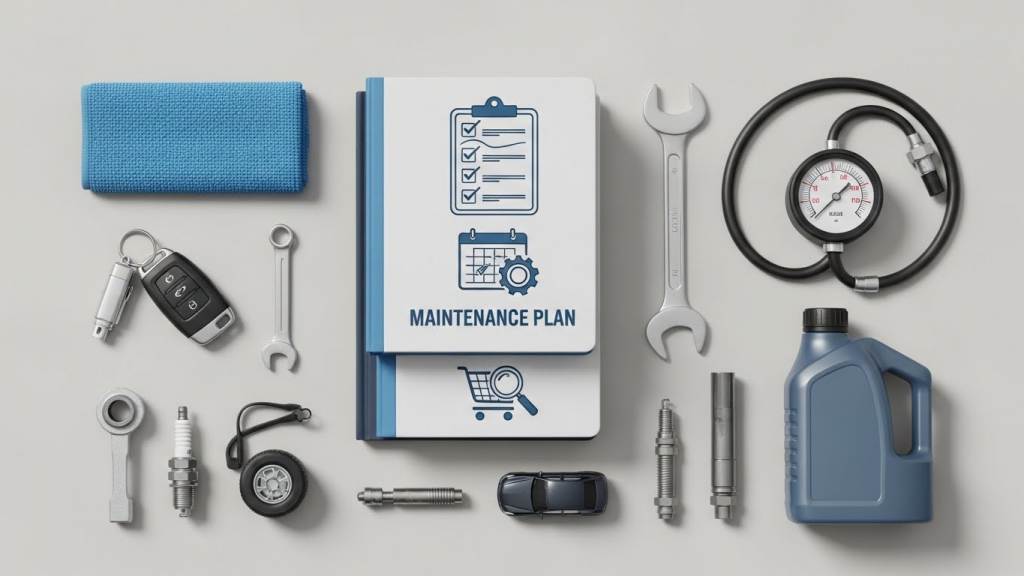
What “everything for your car” really means
If you want everything for your car covered, think in five buckets. Most people miss one or two, then pay for it later.
- Safety and legal basics (what keeps you protected and compliant)
- Maintenance and wear items (what prevents expensive breakdowns)
- Fluids and consumables (small stuff that prevents big damage)
- Emergency and roadside gear (what saves you when plans fail)
- Comfort, cleanup, and tech (what makes daily driving easier)
The “Everything for Your Car” master checklist
Use this as your shopping and stocking list. Start with the bold items if you want a fast win.
1) Safety and legal basics
- Registration and insurance proof (paper or digital backup)
- Owner’s manual (or saved PDF on your phone)
- Spare tire kit: spare tire, jack, lug wrench, wheel lock key (if your car has one)
- Reflective triangle or road flares
- First aid kit
- Fire extinguisher (small automotive rated)
- Sunglasses and gloves
2) Maintenance and wear items
These are the items that most commonly wear down and can cause unsafe driving if ignored.
- Wiper blades
- Air filters (engine and cabin)
- Brake pads and rotors (plan ahead, do not wait for grinding)
- Tires: pressure gauge, tread check routine, tire inflator
- Battery health (especially before winter)
3) Fluids and consumables
- Engine oil (the correct grade for your car)
- Windshield washer fluid
- Coolant (only the type your vehicle requires)
- Brake fluid (only if your manual allows topping off)
- Shop towels or rags
- Zip ties, duct tape, basic fuses
4) Emergency and roadside gear
Ready.gov recommends a practical car emergency kit with items like jumper cables, reflective triangles, ice scraper, phone charger, blanket, map, and even cat litter or sand for traction.
NHTSA also advises packing a roadside emergency kit with basics like a phone and charger, first aid kit, flashlight, jumper cables, food, and water.
Here is a simple emergency kit list you can copy:
- Jumper cables or a jump starter
- Reflective triangle or flares
- Flashlight plus batteries
- Phone charger (12V and USB)
- Blanket
- Water and nonperishable snacks
- Basic tool kit (screwdrivers, pliers, adjustable wrench)
- Seasonal items: ice scraper, gloves, hat, rain poncho
5) Comfort, cleanup, and tech
- Trash bag or small bin
- Microfiber cloths, interior wipes
- Seat back organizer (if you have kids)
- Phone mount
- Tire inflator and portable vacuum (optional, but satisfying)
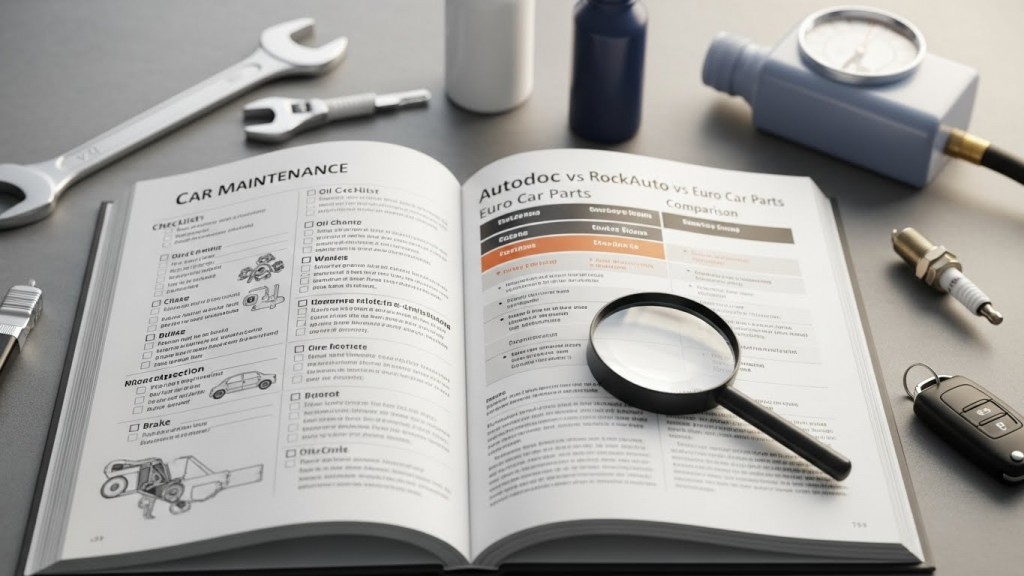
A maintenance plan that actually sticks
“Everything for your car” is not about doing everything every weekend. It is about doing the right small things on a schedule.
The simple schedule table
| When | Do this | Why it matters |
|---|---|---|
| Weekly | Quick tire look, check for new warning lights | Catches problems early |
| Monthly | Check tire pressure, top washer fluid | Saves fuel, improves safety |
| Every season | Replace wipers if streaking, check battery before cold months | Prevents bad weather failures |
| Oil change interval | Follow your owner’s manual, not a random rule | Prevents engine wear |
| Before road trips | Check tires, lights, fluids, emergency kit | Reduces roadside surprises |
Tip that saves money: write your “next due” date and mileage in a note on your phone the moment you finish a service. That one habit prevents the “I forgot” spiral.
How to buy the right parts online, without costly mistakes
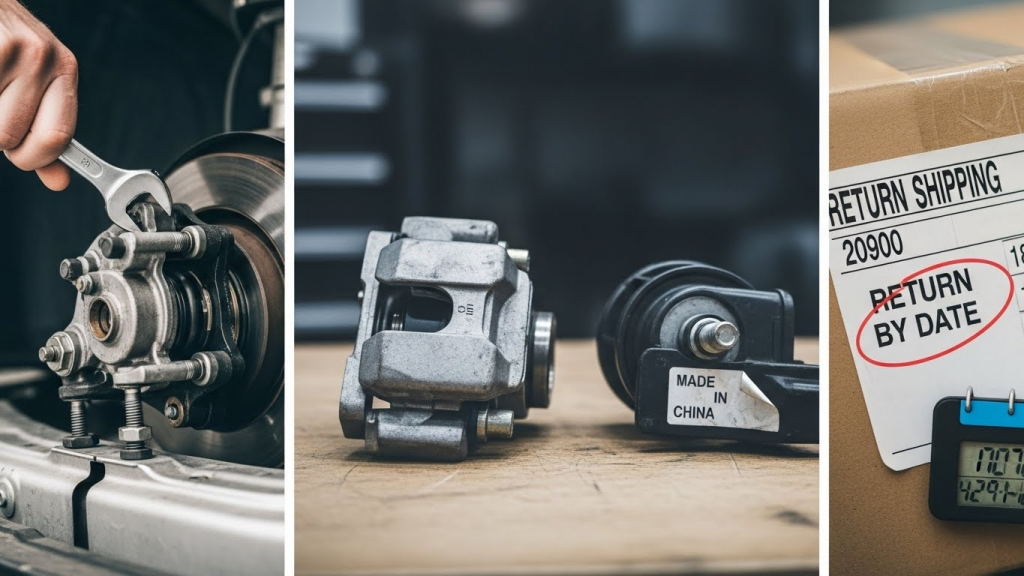
Online stores can be great, but only if you avoid the top three traps:
- buying the wrong fitment, 2) buying a questionable safety part, 3) missing the return window.
Step 1: Identify your vehicle correctly
Use your VIN, or at minimum your year, make, model, engine, and trim. Many returns happen because “same model” does not mean “same part.”
Step 2: Decide OEM vs aftermarket, in plain English
- OEM usually means the part built to the manufacturer’s spec, often higher price, sometimes better fit, not always better value.
- Aftermarket means made by another company, quality ranges from excellent to unsafe, so brand and certification matter.
The good news: in the U.S., companies cannot void a warranty or deny coverage just because you used a third party part or independent repair, by itself.
Step 3: Be careful with safety critical parts
Some categories deserve extra caution: airbags, seat belts, steering, brakes, and structural crash parts. NHTSA has discussed its authority related to aftermarket crash parts and recalls, which is a reminder that safety defects can exist outside OEM channels too.
If you are unsure, buy higher quality brands, stick to reputable sellers, and consider professional installation for safety systems.
Step 4: Treat returns like part of the price
Before you buy, check:
- return window
- who pays return shipping
- whether there is a “safe order” or extended return option
- packaging requirements
That is where the brand comparison helps.
Autodoc vs RockAuto vs Euro Car Parts
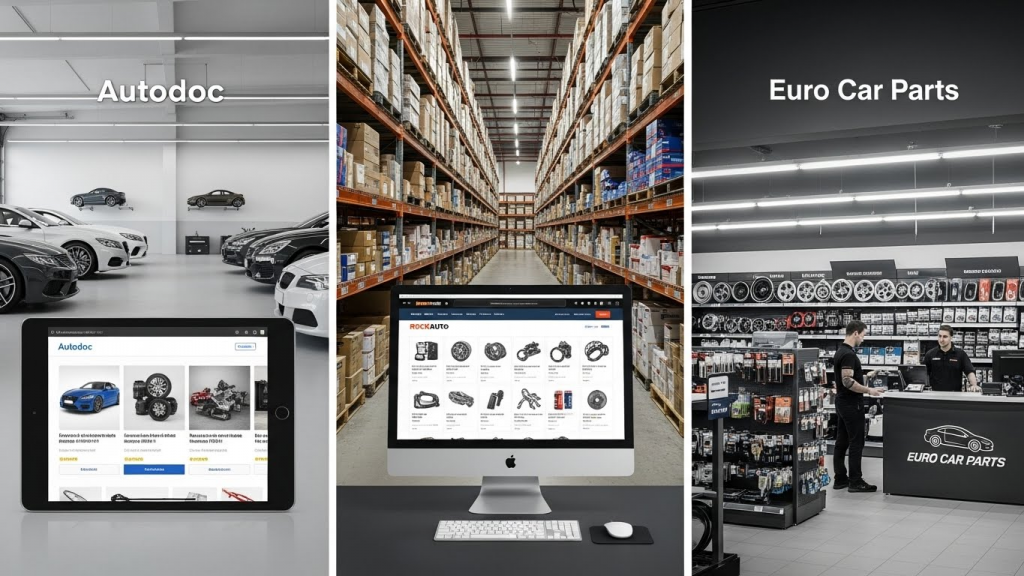
These three brands are similar in one key way: they aim to be broad catalogs for car parts and maintenance needs. They differ in geography, shipping style, and return rules.
Quick comparison table
| Brand | Best for | Where it operates | Returns snapshot |
|---|---|---|---|
| Autodoc | EU shoppers who want big selection and competitive pricing | Reported active in 27 European countries | Standard return period is 14 days, with an option to extend to 200 days via “Safe Order” (terms vary by site) |
| RockAuto | DIY buyers who want a huge catalog and broad availability | Primarily U.S. focused online retailer | Provides return instructions through its help and order system |
| Euro Car Parts | UK shoppers who want online ordering plus store options | UK retailer under LKQ branding | States refunds on unused items returned within 60 days |
When each brand makes the most sense
Choose Autodoc if:
- you are in Europe and want lots of choices across brands and price tiers
- you want the option of an extended return window for complex projects
- you are bundling multiple maintenance items in one order
Choose RockAuto if:
- you are comfortable doing careful fitment checks
- you are comparing multiple brands for the same part
- you want a catalog style shopping experience focused on parts categories
Choose Euro Car Parts if:
- you are in the UK and might want store based support or returns
- you want a clearly stated 60 day unused item return window
People Also Ask style questions
What should I keep in my car at all times?
Start with safety basics: jumper cables, reflective triangle, flashlight, first aid kit, phone charger, blanket, and water. Ready.gov’s list is a strong baseline.
How often should I check my tire pressure?
Monthly is a good habit, plus before long trips and when temperatures swing.
Are aftermarket parts safe?
Many are safe, and some are excellent value. The risk is uneven quality, especially for safety critical parts. Use reputable sellers, avoid suspiciously cheap safety components, and consider professional install for systems like airbags and steering.
Will aftermarket parts void my warranty?
In general, a company cannot deny coverage just because you used a third party part or independent service. They would need a valid reason tied to the failure.
A simple “everything for your car” action plan (15 minutes today)
- Build your emergency kit using the Ready.gov basics.
- Set one recurring reminder for monthly tire pressure and washer fluid.
- Create a notes app log with your last service date and mileage.
- Pick your go to parts store based on your location and return comfort level.
- Save your VIN and exact vehicle details so you stop guessing.
This is how you turn “Everything for your car” from a stressful idea into a calm routine.
Conclusion
“Everything for your car” is not about buying a garage full of stuff. It is about covering the essentials: safety, maintenance, fluids, emergency readiness, and smart shopping habits.
If you do nothing else, start with the emergency kit and a simple maintenance rhythm. It pays off quickly, especially as vehicles stay on the road longer, with the average U.S. vehicle now at 12.8 years.
The responses below are not provided, commissioned, reviewed, approved, or otherwise endorsed by any financial entity or advertiser. It is not the advertiser’s responsibility to ensure all posts and/or questions are answered.