

If you have ever stared at a wall of truffles, bars, and gift boxes thinking, “They all look amazing, so how do I choose?”, you are not alone. Chocolate shopping sounds simple until you want something specific: a true luxury gift, a smooth everyday bar, or a box that feels special without guessing flavors.

This guide helps you discover our chocolate in a smart, no stress way. You will learn what makes chocolate “premium,” how to read labels, and how three iconic brands stack up: Godiva, Lindt, and Neuhaus. You will also get quick pairing tips, storage rules, and a simple decision checklist.


What “discover our chocolate” should mean when you shop
When a brand invites you to discover our chocolate, it is usually pointing to three things:
-
Craft and texture
Good chocolate melts evenly, tastes balanced, and does not feel waxy. -
Flavor clarity
You can taste cocoa, dairy, nuts, or fruit notes without harsh bitterness. -
A purpose
Some chocolate is made to gift, some to snack, some to bake.
A helpful mindset is to shop by “moment,” not by hype. Ask yourself:
- Is this for a gift, or for me?
- Do I want classic flavors (hazelnut, caramel) or adventurous ones (fruit, spice)?
- Do I care about origin, cocoa percentage, or ingredients?
A quick chocolate “use case” table
| What you want | Best format | Why it works |
|---|---|---|
| A wow gift that looks premium | Assorted praline or truffle box | Presentation plus variety |
| A reliable everyday treat | Bar or truffle bag | Easy to portion |
| A crowd-pleaser for parties | Mixed bites or individually wrapped pieces | Easy sharing |
| Baking with strong chocolate flavor | Baking bars, couverture-style melts | Better melt and flavor control |
| A darker, less sweet profile | Higher cacao percentage bars | More cocoa-forward taste |
The cocoa reality check, why chocolate prices move
Chocolate is delicious, but it is also tied to a global supply chain. According to the International Cocoa Organization (ICCO), world cocoa bean production was estimated at 5,043 thousand tonnes (2022/23), then 4,489 (2023/24), with a forecast 4,840 (2024/25).
ICCO’s table also shows how concentrated supply is, with Africa accounting for roughly 70% to 74% in those seasons.
Why this matters for shoppers: when cocoa supply tightens, premium brands often adjust prices, box sizes, or seasonal assortments.
A concrete example from Switzerland’s chocolate industry association: in 2024, cocoa bean prices rose 43.5% year over year, and cocoa butter prices rose 128.5%.
Godiva vs Lindt vs Neuhaus, quick brand snapshots
What each brand is “best at” (simple positioning)
| Brand | Best for | Typical flavor style | Standout formats |
|---|---|---|---|
| Godiva | Gifting, rich classic indulgence | Creamy, dessert-like, bold fillings | Signature truffles, gift boxes |
| Lindt | Everyday premium, wide availability | Smooth, consistent, approachable | LINDOR truffles, EXCELLENCE bars |
| Neuhaus | Belgian praline heritage, elegant assortments | Refined, balanced sweetness, nuanced | Pralines, ballotins, gift boxes |
Neuhaus emphasizes its Belgian roots and notes that the praline was invented in 1912 by Jean Neuhaus Jr., with chocolate still made in Belgium.
Godiva’s own site literally uses the phrase “discover our chocolate”, which makes it a natural fit for this keyword and theme.
Godiva: the gift-forward classic
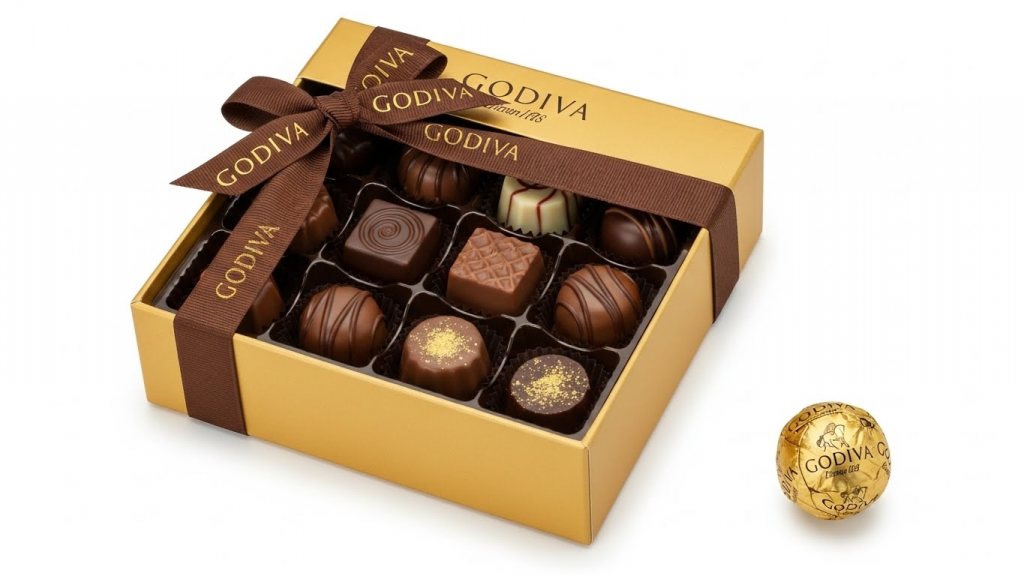
If your goal is “open the box and people say wow,” Godiva is built for that. It leans into premium presentation and rich fillings.
What it tastes like (general profile):
- Milk chocolate tends to be creamy and dessert-like.
- Dark options are usually smooth rather than sharply bitter.
- Fillings often include ganache, caramel, praline, and nut-forward flavors.
When to pick Godiva
- You want a gift that feels “occasion-ready.”
- You want a curated assortment where most pieces taste familiar and crowd-friendly.
- You are shopping for holidays, corporate gifts, or thank-you boxes.
Smart buy tip: If you are unsure what someone likes, choose assortments that mix milk and dark, plus a few nut and caramel pieces. That reduces “love it or hate it” flavors.
Lindt: the dependable premium everyday choice
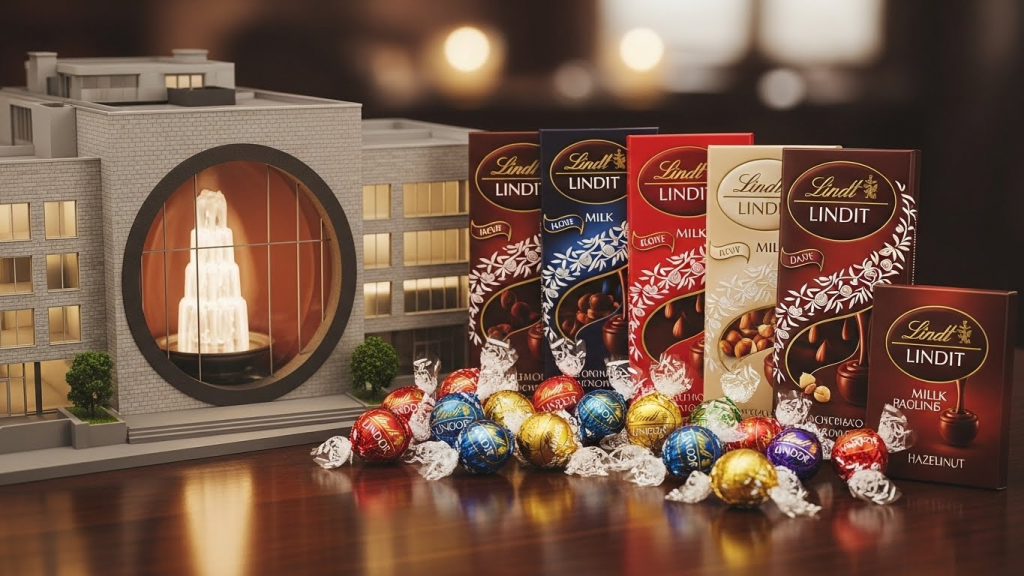
Lindt’s strength is consistency and range. You can find Lindt in many stores, and it also offers direct-to-consumer assortments.
What it tastes like (general profile):
- Very smooth texture, especially in truffles.
- Balanced sweetness that tends to be broadly appealing.
- Strong lineup for both milk and dark bars.
When to pick Lindt
- You want premium chocolate without overthinking.
- You want the “safe bet” for offices, stockings, party bowls, or everyday treats.
- You want variety across formats (bars, truffles, gift boxes).
Bonus angle for content: Lindt also runs the Lindt Home of Chocolate in Switzerland, which underscores the brand’s “chocolate world” positioning.
Neuhaus: refined Belgian pralines with heritage
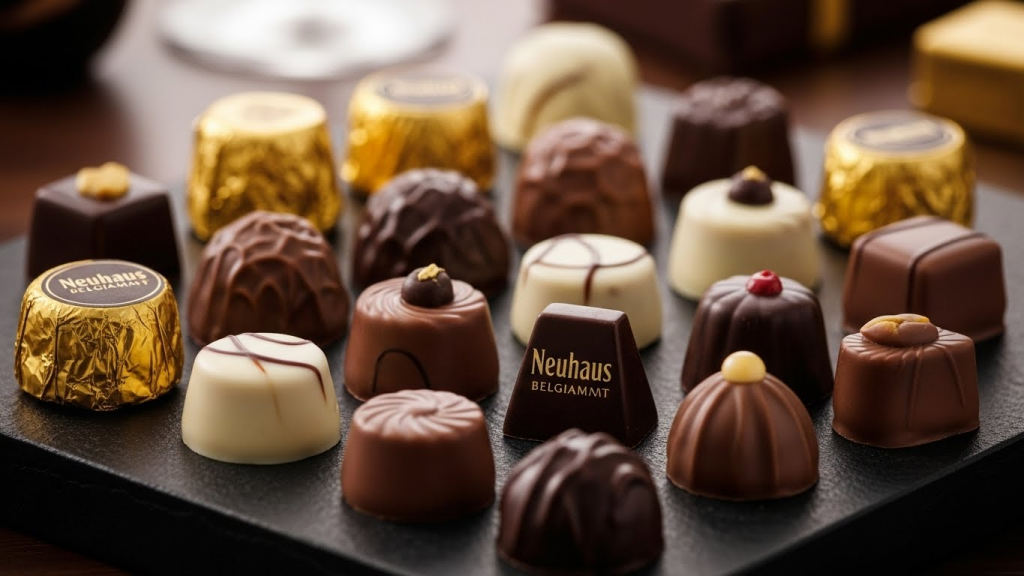
Neuhaus is the move when you want chocolate that feels elegant and distinctly “Belgian praline” in style. The brand highlights its long history and that its chocolates are made in Belgium.
What it tastes like (general profile):
- More subtle sweetness, often with a clean finish.
- Praline-forward assortment options.
- Flavors that feel curated rather than loud.
When to pick Neuhaus
- You want a sophisticated gift, especially for someone who already loves pralines.
- You want a classic Belgian chocolate experience.
- You care about brand heritage and the “made in Belgium” identity.
A practical comparison table, choose in 30 seconds
Score each brand for your exact situation. There is no universal “best,” just the best match.
| Decision factor | Godiva | Lindt | Neuhaus |
|---|---|---|---|
| Gift presentation impact | High | Medium to high | High |
| “Most people will like it” factor | High | Very high | Medium to high |
| Everyday snacking value | Medium | High | Medium |
| Praline heritage focus | Medium | Low to medium | High |
| Wide availability | Medium | High | Medium |
| Feels most “luxury boutique” | High | Medium | High |
How to spot quality chocolate without being a snob
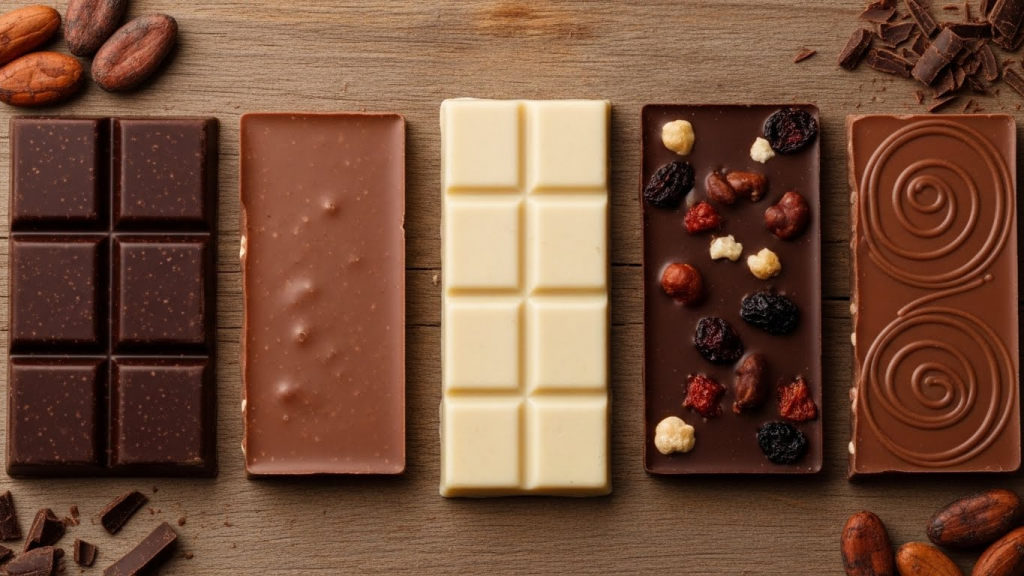
You do not need fancy vocabulary. You just need a few simple checks.
1) Look at the ingredient list
In many great chocolates, you will see some combination of:
- Cocoa mass (or chocolate liquor)
- Cocoa butter
- Sugar
- Milk ingredients (for milk chocolate)
- Vanilla, lecithin (common emulsifier)
You generally want cocoa butter as the main fat in real chocolate.
2) Use cacao percentage the right way
Cacao percentage is most helpful for dark chocolate bars. Higher numbers usually mean:
- Less sugar
- More cocoa flavor
- More bitterness (sometimes)
But higher is not always better. A well-made 60% can taste better than a harsh 85%.
3) Know the basic labeling rules (US)
In the United States, “cacao products” have standards of identity under FDA regulations (21 CFR Part 163). This matters because it helps define what can be labeled as certain types of chocolate.
4) Watch for freshness and storage
Chocolate is sensitive to heat and odor.
- Store in a cool, dry place.
- Avoid the fridge unless your home is truly hot; condensation can affect texture.
- Keep it away from spices, onions, coffee, and perfumes.
The stats that make chocolate culture feel real
If you want credibility in your article and a reason for readers to keep scrolling, use a few grounded numbers.
1) Switzerland’s chocolate consumption
Chocosuisse reports that per capita consumption in Switzerland was 10.6 kg in 2024, with Swiss chocolate stable at 6.3 kg and imports at 4.3 kg.
2) US chocolate demand
The National Confectioners Association reported $21.4 billion in chocolate sales over the last year, and noted that many consumers buy chocolate as an “affordable treat.”
3) Europe exports a lot of chocolate
Eurostat reports that in 2023, the EU exported 867,000 tonnes of chocolate and chocolate bars outside the EU.
Cocoa and chocolate mini data table (ready to reuse)
| Metric | Number |
|---|---|
| World cocoa production (2022/23 estimate) | 5,043 thousand tonnes |
| Switzerland per capita consumption (2024) | 10.6 kg |
| US chocolate sales (last year) | $21.4B |
| EU extra-EU exports (2023) | 867,000 tonnes |
What to buy by occasion (and which brand fits best)
Romantic gift
- Pick: a classic assorted box with a few standout pieces.
- Best fit: Godiva or Neuhaus (both feel elevated fast).
Office or client gift
- Pick: individually wrapped pieces or a polished assortment.
- Best fit: Godiva for presentation, Lindt for broad appeal.
Host gift for a dinner party
- Pick: a medium box with varied textures (crunch, ganache, praline).
- Best fit: Neuhaus if your host loves pralines, Godiva if you want rich crowd-pleasers.
“I want a great bar tonight”
- Pick: a bar in your preferred cacao range.
- Best fit: Lindt for easy, consistent options.
How to make your chocolate taste better at home (tiny upgrades)
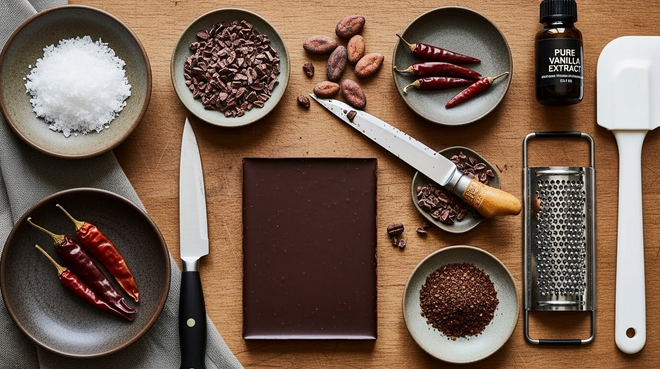
These tricks make any premium chocolate feel more special:
- Warm the room slightly, not the chocolate. Chocolate tastes better when it is not ice-cold.
- Use a small plate, not the wrapper. Presentation changes perception.
-
Pair simply:
- Dark chocolate + almonds
- Milk chocolate + black tea
- Pralines + coffee
- Caramel + sea salt snacks
Putting it together: the simplest decision rule
If you remember only one thing, remember this:
- Choose Godiva when gifting impact and rich indulgence matter most.
- Choose Lindt when you want dependable premium variety and easy everyday wins.
- Choose Neuhaus when you want refined Belgian pralines with heritage and elegance.
That is the most practical way to discover our chocolate without getting stuck in endless options.

Conclusion
Chocolate is not just one product. It is a mix of cocoa supply realities, brand style, and the moment you are buying for. Cocoa production can swing year to year, and costs can jump sharply, which is one reason premium assortments change over time.
For most shoppers, the fastest path is matching the brand to your purpose: Godiva for gift drama, Lindt for consistent everyday premium, Neuhaus for praline-focused elegance. Use the tables above, pick a box size that fits the occasion, and you will feel confident the next time you see the phrase discover our chocolate.
The responses below are not provided, commissioned, reviewed, approved, or otherwise endorsed by any financial entity or advertiser. It is not the advertiser’s responsibility to ensure all posts and/or questions are answered.