

Find outerwear that outworks winter with a practical layering plan, wind chill know how, and a brand comparison of Carhartt vs Dickies vs Helly Hansen Workwear, so you can stay warm, dry, and productive.

Winter is hard on people and gear. Cold air steals heat, wind speeds it up, and sweat turns small chill into big trouble fast.
That is why “Outerwear That Outworks Winter” is not just a catchy line. Carhartt uses that exact phrase on its winter outerwear messaging. It is also the real goal for anyone who works, commutes, or spends hours outside in freezing weather.
This guide helps you choose the right outerwear system for your job and climate. You will also get a clear comparison of Carhartt vs Dickies vs Helly Hansen Workwear, plus a simple way to layer so you stay warm without feeling like a robot in a sleeping bag.



Why winter feels brutal, even when the thermometer “isn’t that bad”
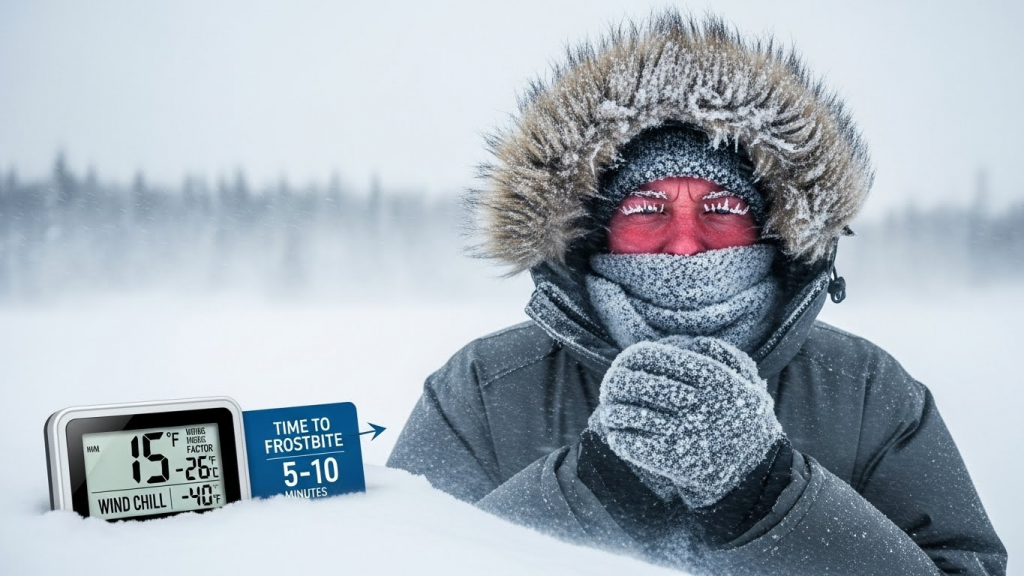
Wind chill is the big trick. The National Weather Service explains that wind increases heat loss from exposed skin, making it feel much colder than the air temperature.
Here is a real example from the NWS: 0°F with a 15 mph wind feels like -19°F, and exposed skin can freeze in about 30 minutes. So “Outerwear That Outworks Winter”starts with respecting wind.
Choose outerwear for your winter conditions (not for a label)
Before brands, start with your conditions. Two people can wear the same jacket and have totally different results.
Step 1: Map your weather to four stressors
- Cold (air temp)
- Wind (wind chill)
- Wet (rain, snow, sweat)
- Workload (how hard you move)
If you work hard, sweat is your enemy. NIOSH warns that cold or wet conditions can cause serious problems like hypothermia and frostbite.
Step 2: Know what cold illness looks like
Hypothermia can start with simple stuff that people ignore. NIOSH lists early signs like shivering, fatigue, loss of coordination, and confusion.
Frostbite often starts with redness or pain, then numbness and waxy looking skin.
Callout box: If someone stops shivering but seems confused or very tired, treat it as urgent.
Step 3: Pick your outerwear “type” based on the job
You usually fall into one of these buckets:
- Insulated work jacket (daily driver): best for cold, dry days and steady movement.
- Insulated waterproof shell: best for snow, sleet, wet wind, and long exposure.
- Layering system with a shell: best when your day swings between hard work and standing still.
The materials that matter (in plain English)
Duck canvas (tough cotton)
Duck cloth is a heavy, tightly woven cotton fabric. It is widely used in rugged gear because it is durable.
That is why it shows up so often in work jackets. Carhartt highlights “washed cotton duck” on a popular insulated Active Jac page. Dickies also sells multiple duck canvas outerwear pieces built for wear and tear.
Insulation: warmth without bulk (and what happens when it gets damp)
Two common approaches:
- Synthetic insulation: tends to keep working better than down when it gets wet.
- Brand named insulation: often means a specific performance target.
Carhartt promotes gear using 3M Thinsulate. 3M describes its Featherless Thinsulate as designed to mimic down when dry, and be warmer than down when wet.
Helly Hansen Workwear sells winter jackets using PrimaLoft insulation and its Helly Tech Protection. That pairing usually targets “warm plus weather protection,” which matters when wind-driven snow hits sideways.
Seams, reinforcements, and the boring stuff that decides lifespan
Look for reinforcement at stress points. Carhartt calls out triple stitched seams and Cordura reinforced sleeve hems on one insulated Active Jac listing. Dickies calls out triple needle reinforced stitching on at least one duck canvas jacket.
This is not marketing fluff. It is often the difference between “two winters” and “five winters.”
Carhartt vs Dickies vs Helly Hansen Workwear (what each brand is best at)
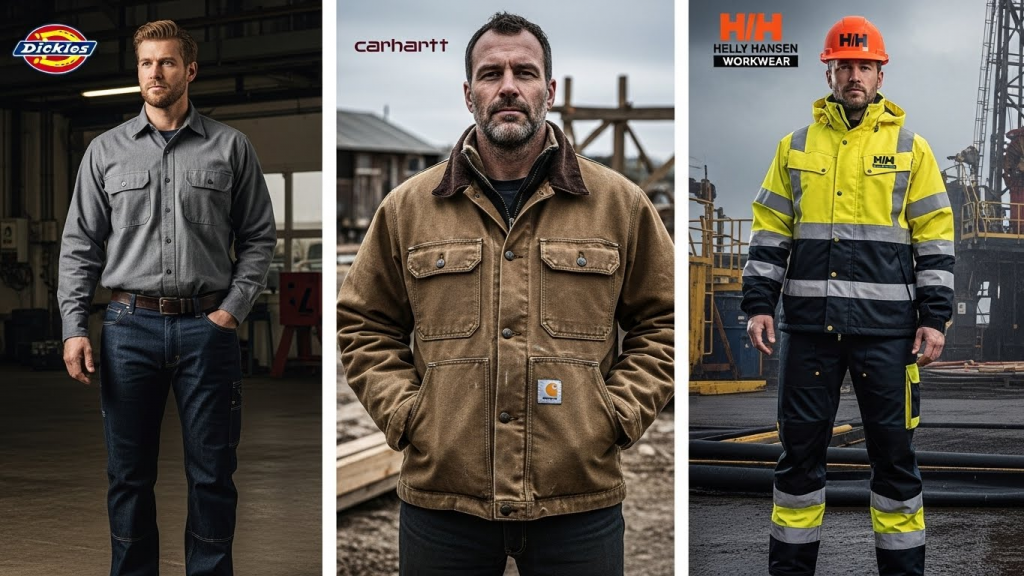
You asked for two similar brands to compare with Carhartt. Dickies and Helly Hansen Workwear are strong fits because they both sell durable outerwear meant for harsh conditions, including duck canvas options (Dickies) and technical protective workwear (Helly Hansen).
Quick comparison table
| Brand | Best for | Typical “feel” | Notable official features (examples) |
|---|---|---|---|
| Carhartt | Rugged daily winter workwear | Heavy-duty, classic | Washed cotton duck, Thinsulate option, triple stitched seams, Cordura reinforcements (example listing) |
| Dickies | Value-focused work outerwear | Practical, classic | Duck canvas outerwear line, fleece-lined duck option with triple needle stitching (example listing) |
| Helly Hansen Workwear | Wet, windy, industrial environments | Technical, protective | Winter work jackets category, Helly Tech Protection plus PrimaLoft insulation (example listing) |
Carhartt: the “tough cotton duck” benchmark
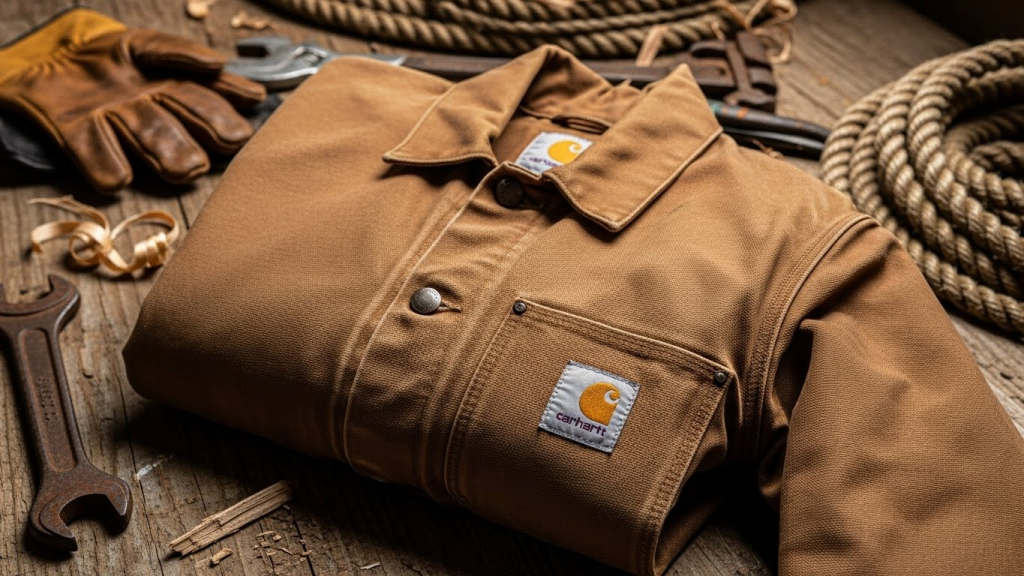
If you want that classic work jacket feel, Carhartt is the reference point.
Their winter messaging uses “Outerwear That Outworks Winter,” and their product pages lean hard into heavy fabrics and reinforcement details.
What it’s great for
- Abrasion, snag risk, daily jobsite wear.
- Cold, dry days where durability is priority.
What to watch
- Heavy cotton can feel stiff at first.
- If you are often in wet snow or freezing rain, you may want a more technical shell layer over insulation.
Dickies: straightforward work outerwear with strong value
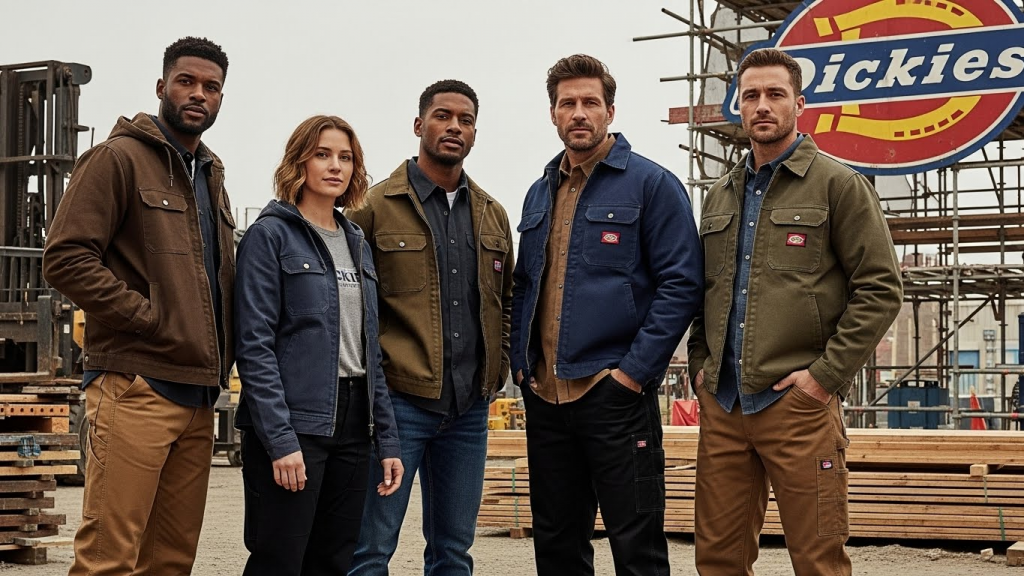
Dickies has a deep “duck outerwear” lineup. It is a solid pick when you want durable basics, classic cuts, and a price that is often lower than premium technical workwear.
One duck canvas jacket listing highlights a durable cotton duck exterior plus a warm lining and triple needle stitching.
What it’s great for
- Budget friendly outfitting, backups, or rotation.
- Everyday winter jobs with moderate exposure.
What to watch
- Feature depth varies by model.
- Check pocket layout and cuff design if you wear gloves all day.
Helly Hansen Workwear: technical protection for harsh, wet conditions
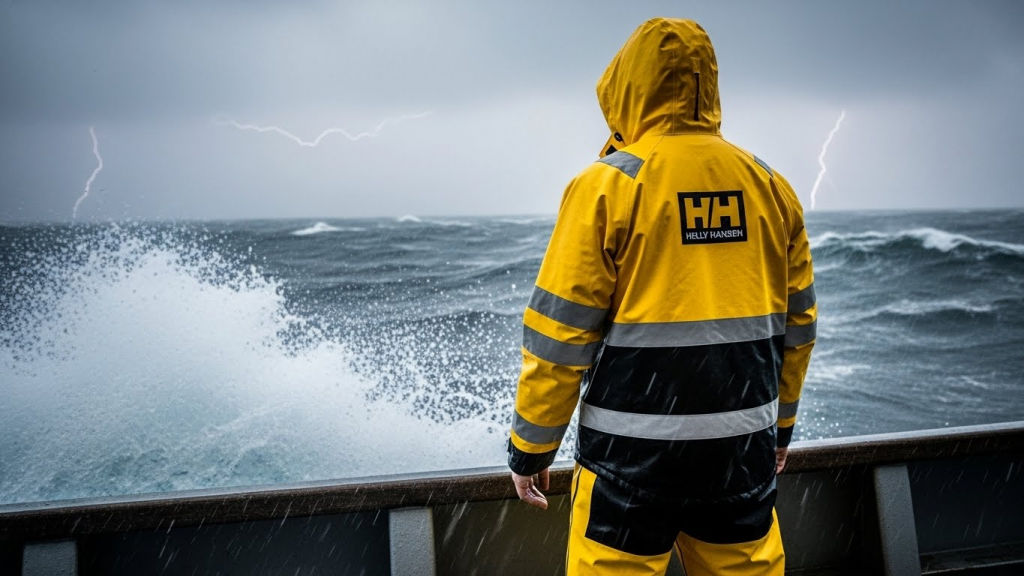
Helly Hansen Workwear positions itself for “the harshest environments,” and has dedicated winter jacket categories. If your winter is wet, windy, or industrial, this brand is often the “upgrade path.”
Their Manchester Winter Jacket page calls out PrimaLoft insulation for warmth and Helly Tech Protection to help keep you dry.
What it’s great for
- Wind, wet snow, and long exposure.
- Jobs where staying dry is as important as staying warm.
What to watch
- Technical workwear can feel less “casual.”
- You may pay more for weather protection features.
A Simple “Outerwear That Outworks Winter” Layering System
Most people fail in winter because they rely on one jacket to do everything.
NIOSH specifically recommends several layers of loose clothing for better insulation.
The 3-layer system (easy version)
1) Base layer (stays dry)
Pick moisture wicking fabric.
Avoid cotton next to skin when you sweat, because it holds moisture.
2) Mid layer (holds warmth)
Fleece or light insulation works well.
This is your adjustable thermostat.
3) Outer layer (blocks wind and moisture)
This can be a durable work jacket, or a weather shell on top.
If wind is high, blocking it matters as much as insulation.
Wind chill decision table (quick reality check)
Use this to decide if you need to upgrade protection. These are examples from official safety sources.
| Scenario | Why it’s risky | What to do |
|---|---|---|
| 0°F plus 15 mph wind | Wind chill around -19°F, skin can freeze in ~30 minutes | Add face protection, upgrade wind blocking shell |
| Very low wind chills during work shifts | OSHA provides work and break guidance tied to wind chill ranges | Plan warm-up breaks and rotate tasks |
Fit and mobility: warmth is useless if you cannot work
A warm jacket that restricts movement can create a new hazard. NIOSH notes that some clothing can restrict movement, which could be dangerous.
Quick fit checks
- Can you raise both arms without the hem riding up too far?
- Can you fully close cuffs over gloves, or tuck gloves under cuffs?
- Can you twist at the waist without binding?
If the answer is “no,” size or model needs to change.
Mobility is part of “OUTERWEAR THAT OUTWORKS WINTER.”
Features worth paying for (and which are optional)
Worth it for most people
- Adjustable cuffs and hem: reduces drafts.
- High collar or hood: protects neck and ears, big heat loss zone.
- Reinforced stress points: sleeves, cuffs, elbows.
Worth it for wet climates
- Weather protection shell: keeps insulation working.
- Lined pockets: hands stay functional longer.
Optional, job dependent
- Hi-vis elements: if you work roadside or low light.
- Tool pockets: great on site, annoying off site.
Common questions people ask (and fast answers)

What is the warmest type of work jacket?
Warmth is a system, not a single item. Start with layers, then choose insulation plus wind blocking.
Is duck canvas good for winter?
Duck cloth is a heavy, tightly woven cotton fabric that is widely used in rugged applications. It is great for durability, but you still need insulation and wind protection.
How do I know if it’s “too cold to work outside”?
There is no single number for every job. OSHA publishes wind chill tables that include guidance on work periods and breaks for very cold conditions.
What are early signs of cold illness?
Early hypothermia signs can include shivering, fatigue, loss of coordination, confusion, and disorientation. Frostbite may start as redness or pain, then numbness and waxy looking skin.
Putting it all together: choose your brand based on your winter
If your winter is mostly cold and dry, and you want classic rugged durability, start with Carhartt style duck jackets and similar builds.
If you want solid workwear with many options and often strong value, look at Dickies duck outerwear.
If your winter is wet, windy, and punishing, Helly Hansen Workwear’s technical protection focus is a strong direction.
No matter what you buy, the best upgrade is usually your system. Layer smart, block wind, and manage sweat.
That Is How You Get Outerwear That Outworks Winter, Without Guessing.
Conclusion: the smartest next step
Start tomorrow by doing one thing: check your local wind chill and plan your layers around it. Then choose outerwear based on your real conditions, not a trend.
If you want a quick buying rule, use this: Durability for abrasion, technical shells for wet wind, and layers for everything else.
That is the path to OUTERWEAR THAT OUTWORKS WINTER that keeps you warm, safe, and able to move.
The responses below are not provided, commissioned, reviewed, approved, or otherwise endorsed by any financial entity or advertiser. It is not the advertiser’s responsibility to ensure all posts and/or questions are answered.