

Liquid collagen is everywhere in 2026, and the hype is loud.

If you have fine lines, dullness, or skin that suddenly feels less “bouncy,” you’ve probably wondered if a liquid collagen serum can actually help, or if it’s just a fancy hydrator.
This Algenist Genius Liquid Collagen review breaks it down in plain English, with real ingredient analysis, brand study claims, and what science says about collagen in skincare. You’ll also see how Algenist stacks up against two similar QVC picks, with a simple comparison table and cost-per-ounce math.
Quick verdict (read this first)
What it is: A lightweight, silicone-smooth serum built around biomimetic (vegan) collagen, algae-based ingredients, and a few classic “firming” helpers like peptides and niacinamide.
What it does best: Instant softness, visible smoothing, and “plumper-looking” skin from hydration plus film-forming ingredients.
What it probably will not do: Rebuild your dermal collagen like a procedure or prescription retinoid might. Topical collagen is mainly a surface player.
Who it’s best for: Normal to dry skin, early-to-moderate visible aging, anyone who wants glow and bounce without a strong “active” feel.
Who should be cautious: Very fragrance-sensitive users (the INCI list includes fragrance allergens like limonene).
What “liquid collagen” really means in biotech skincare

Collagen is your skin’s support net, and it breaks down over time
Collagen is the main structural protein in skin. As we age and get UV exposure, collagen fragments and the support network weakens, which shows up as lines and less firmness.
UV light also triggers processes that increase collagen breakdown (one reason sunscreen is still the best “anti-aging” product).
Does topical collagen actually “replace” collagen in your skin?
Usually, no.
Collagen is a large molecule, and skincare collagen mostly helps by:
- Hydrating and smoothing the surface
- Forming a soft film that makes skin feel tighter and look more even
- Supporting the look of fine lines through plumping from moisture
A randomized clinical trial testing a topical hydrolyzed collagen product in fragile, aged skin did not show a meaningful clinical benefit versus placebo for its primary outcome. That doesn’t mean collagen skincare is useless, it means expectations should be realistic.
Bottom line: In 2026, “liquid collagen” is best thought of as a high-end smoothing hydrator that can make skin look better fast, not a guaranteed collagen-rebuilding treatment.
What “biotech skincare” means (and why brands love algae)

“Biotech” is basically using living cells, bacteria, or biological processes to make useful products.
In skincare, biotech usually shows up as:
- Fermented ingredients
- Bio-derived polysaccharides (skin-conditioning sugars)
- Algae and microalgae oils made in controlled systems
- Lab-made, bio-identical or bio-mimicking ingredients
Microalgae are studied for bioactive compounds that can be used in topical products, including polysaccharides and antioxidant compounds.
Algenist Genius Liquid Collagen review, what’s inside and how it performs
What the brand says it is
Algenist positions GENIUS Liquid Collagen as a firming and smoothing serum built around a plant-based collagen concept plus algae-driven ingredients. It highlights “biomimetic collagen,” patented Alguronic Acid, and microalgae oil bubbles.
Ingredient reality check (plain-English breakdown)
Here are the standouts from the published ingredient list for the supersize duo (same core formula idea and helpful for transparency):
Hydrolyzed collagen + collagen amino acids (top of the list)
This is the “collagen” backbone. Hydrolyzed forms are smaller, and in skincare they mainly act as conditioners and moisture-support ingredients.
Algae-based polysaccharides and extracts
You’ll see algae-related ingredients like Parachlorella exopolysaccharides and others. Algae compounds are a big part of the biotech skincare story, and microalgae bioactives are widely reviewed for topical applications.
Microalgae oil (lipid “bubbles”)
Oils and emollients reduce dryness and can boost the look of glow by smoothing the surface. The “bubble” experience is also a texture win.
Niacinamide
One of the most reliable “do-a-lot” ingredients. Research reviews describe benefits like barrier support and improvements in visible aging concerns and uneven tone.
Palmitoyl tripeptide-1 and palmitoyl tetrapeptide-7 (Matrixyl-type peptide combo)
These peptides are commonly used in anti-aging formulas. The Cosmetic Ingredient Review (CIR) has assessed their safety in cosmetics and summarizes available data.
Adenosine + tocopherol (vitamin E)
Both are common “supporting” ingredients in anti-aging formulas, often used for conditioning and antioxidant support.
Fragrance markers
The ingredient list includes fragrance (parfum) and limonene, which can be an issue for very sensitive or reactive skin.
Important nuance: The INCI list also includes UV filter ingredients (like avobenzone, octocrylene, homosalate). That does not automatically mean you’re getting meaningful SPF protection, especially since the product is not marketed as an SPF. Treat it as a serum and still wear sunscreen.
The “proof” section: what studies and claims exist
Brand and retailer claims (useful, but not the same as independent trials)
On Algenist’s site, the brand highlights consumer-perception results after 10 days (conditioning, softness, “bounce”).
QVC’s product page for a super-size set includes additional claim language, including self-reported results after 10 days and a 28-day claim about improved elasticity in the neck area.
These are helpful signals, but keep two things in mind:
- Consumer perception studies can reflect real improvements in feel and appearance.
- They are not the same as a peer-reviewed, independent clinical trial.
What independent research suggests about collagen skincare
Independent evidence suggests topical collagen is mainly a surface hydration and smoothing play, and at least one randomized trial in fragile, aged skin did not find a meaningful benefit vs placebo for its primary endpoint.
That lines up with the practical takeaway: collagen serums can make skin look better, but they’re not magic scaffolding rebuilders.
Texture, finish, and wear under makeup (what most people care about)
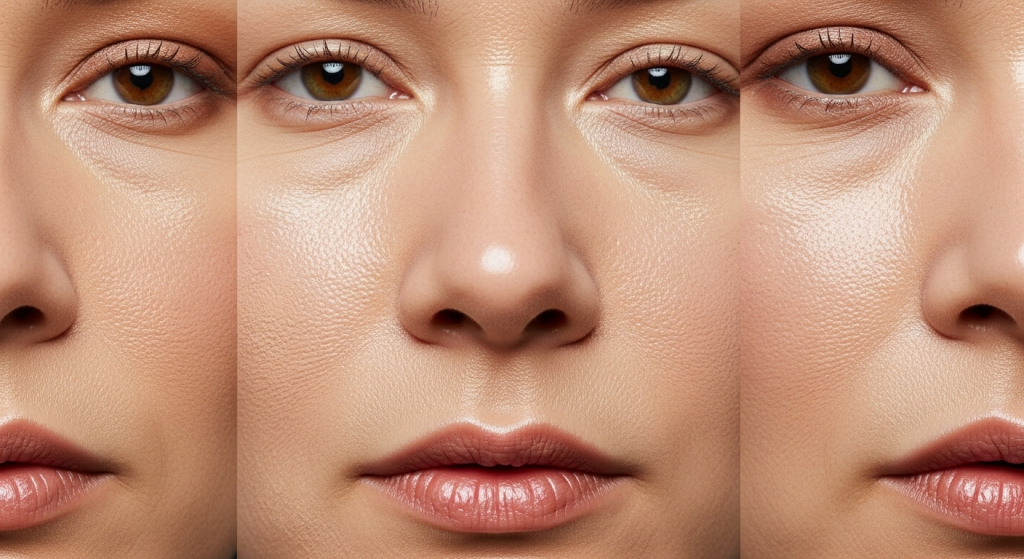
This is where GENIUS Liquid Collagen tends to win.
- Feel: Lightweight and silky, not heavy like many “firming” creams.
- Finish: More smooth than greasy, good for daytime layering.
- Makeup: Smoothing serums often act like a soft primer because silicones and film-formers reduce rough texture.
If you want the “bouncy glow” look without using a strong active (like a prescription retinoid), this formula style is a solid match.
How to use it, and how to build a routine around it
How to apply (simple routine)
Algenist recommends applying after cleansing and toning, 1 to 2 times daily, then moisturizer.
A practical routine:
- Cleanser
- Optional hydrating toner or essence
- GENIUS Liquid Collagen (face, neck, chest)
- Moisturizer
- Morning: sunscreen
Can you combine it with vitamin C, retinol, or acids?
Usually yes, but be smart:
- If you use retinol, apply retinol at night and keep Liquid Collagen as your soothing layer, or alternate nights.
- If you use strong acids, patch test. You don’t want to stack irritation.
Who should choose it
Choose it if you want:
- Softer skin fast
- Better makeup wear
- A “firming” look from hydration and peptides
- Biotech skincare vibes without harshness
Skip or patch test first if you:
- React to fragrance or citrus allergens (limonene is listed)
- Are acne-prone and hate any silicone feel (not everyone does, but some do)
Side-by-side comparison: 3 similar QVC options (including Algenist Super-Size)
Below is a practical comparison using QVC listing details and simple cost-per-ounce math.

Comparison table (price, size, and what you’re really paying for)
| Product (QVC) | Size | Listed price signals on page | Cost per oz (approx.) | Best for | Notable “watch-outs” |
|---|---|---|---|---|---|
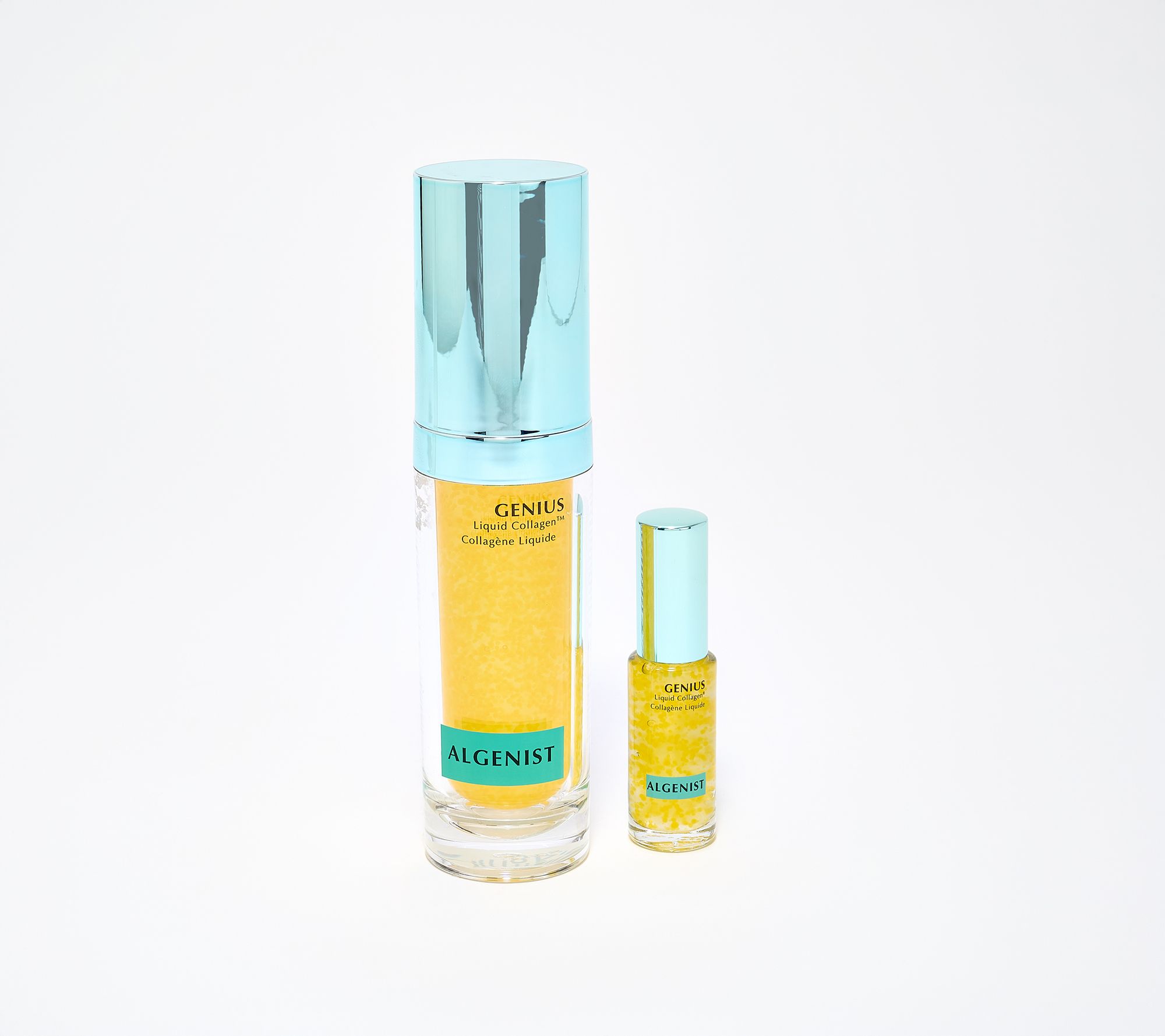
| Algenist Super-Size GENIUS Liquid Collagen set | 2.0 oz + 0.2 oz travel | $79.98 shown on QVC listing | $36.35/oz (2.2 oz total) | Smoothing, glow, bounce, day or night | Fragrance allergens listed in full INCI elsewhere |
| Dr Denese Triple Strength Peptide Super Drops | 2.0 oz | “Deleted $79.00” plus Easy Pay implies $79 total | $39.50/oz | Night routine users who want peptides plus retinol | Retinol can irritate, start slow |
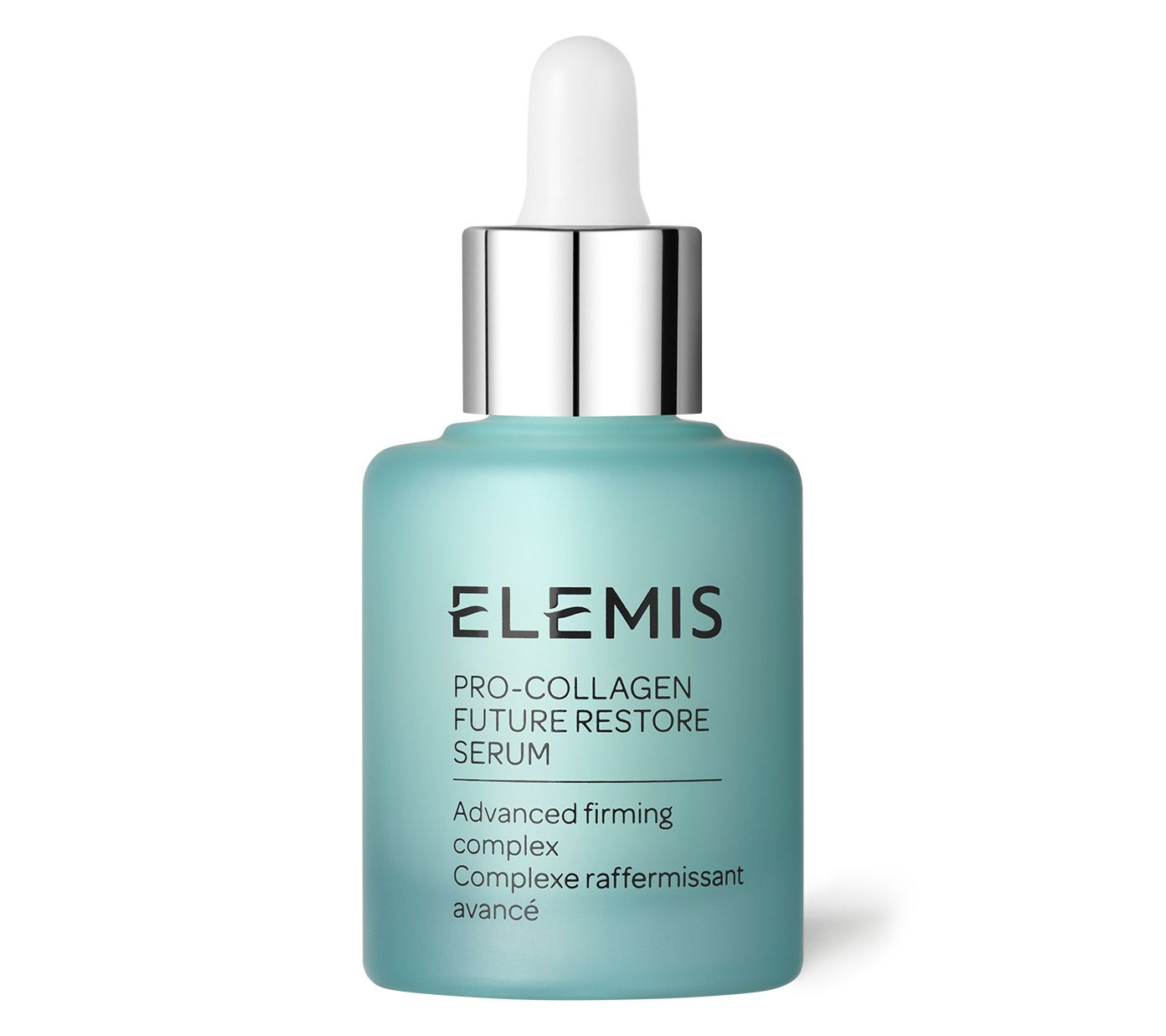
| ELEMIS Pro-Collagen Advanced Future Restore Serum | 1.0 oz | “Deleted $155.00” plus Easy Pay implies $155 total | $155.00/oz | Luxury serum fans, smoothing plus gentle acids | Higher cost, includes acids, patch test if sensitive |
How to choose in 10 seconds
- Pick Algenist if you want the most “anytime serum” feel, with algae + peptides + a plush finish.
- Pick Dr Denese if you specifically want a night serum that includes retinol, and you tolerate retinoids well.
- Pick ELEMIS if budget is not a factor and you like a luxury formula with algae delivery plus lactic/citric acids and hyaluronic-style hydration.
FAQs (People Also Ask style)

Is “vegan collagen” real collagen?
In skincare marketing, “vegan collagen” often means amino acids, peptides, or bio-mimicking materials designed to behave like collagen on the skin’s surface. Algenist describes its biomimetic collagen as plant-derived and designed to mimic animal collagen’s benefits.
How long does it take to see results?
You can see softness and glow quickly because hydration works fast. Brand and retailer materials also highlight 10-day consumer-perception results.
For deeper-looking changes (fine lines, firmness), give it 4 to 8 weeks and take photos in the same lighting.
Does topical collagen work for wrinkles?
It can help fine lines look better by hydrating and smoothing the surface, but topical collagen is not proven to rebuild dermal collagen the way in-office procedures or strong retinoids may. Evidence is mixed, and at least one randomized trial did not show meaningful benefit vs placebo for its main endpoint.
What ingredients actually protect collagen?
Daily sunscreen is number one because UV drives collagen breakdown.
Ingredients with stronger evidence for “collagen-support” usually include retinoids and antioxidants, plus barrier helpers like niacinamide.
Final take: is Algenist Genius Liquid Collagen worth it in 2026?
In this Algenist Genius Liquid Collagen review, the honest conclusion is simple.
If you want a serum that makes skin feel instantly smoother, look more hydrated, and wear beautifully under makeup, Algenist is doing the right kind of work. The formula mixes biotech skincare storytelling (algae, microalgae oil, bio-derived ingredients) with practical staples like niacinamide and peptides.
If you want dramatic wrinkle reversal from “collagen,” set expectations. Topical collagen is mainly about surface-level improvement, and independent evidence does not support miracle rebuilding claims.
Best next step: If you buy it, commit to a simple 30-day test: daily sunscreen, consistent use, and a weekly photo. That’s the fastest way to know if this Algenist Genius Liquid Collagen review matches your real life.
The responses below are not provided, commissioned, reviewed, approved, or otherwise endorsed by any financial entity or advertiser. It is not the advertiser’s responsibility to ensure all posts and/or questions are answered.