

Spring hits, and suddenly your garden feels like a half-finished room.
Bare spots, tired containers, and plants that looked amazing last year, then fizzled out fast.
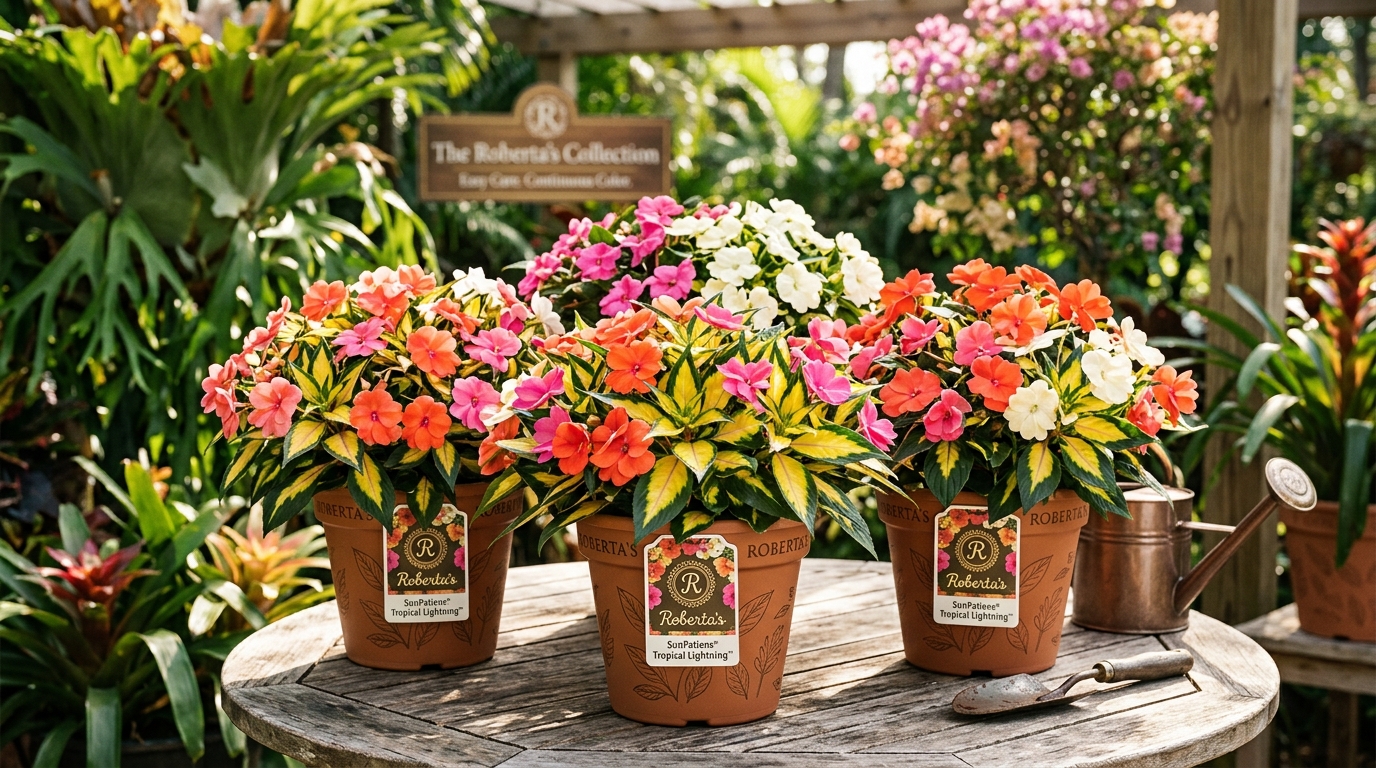
That’s where the 2026 “Garden Reset” mindset comes in: keep what works, swap what doesn’t, and build a yard that stays colorful with less stress. Trend watchers are calling out purpose-driven gardening (especially pollinator support) and smarter, more precise care as key themes for 2026.
And if you want one plant that can carry a huge chunk of your “reset” on its back, SunPatiens are a strong contender. They are sun-tough, heat-tough impatiens hybrids that can bloom hard from spring through frost, with less fuss than many classic annuals.
Below you’ll get a complete, practical guide to Roberta’s SunPatiens care, plus pollinator garden ideas that make your yard feel alive, not just pretty.
Quick compare: 2 similar QVC SunPatiens options
| QVC product | What you get | Best for | Why it fits a “Garden Reset” |
|---|---|---|---|
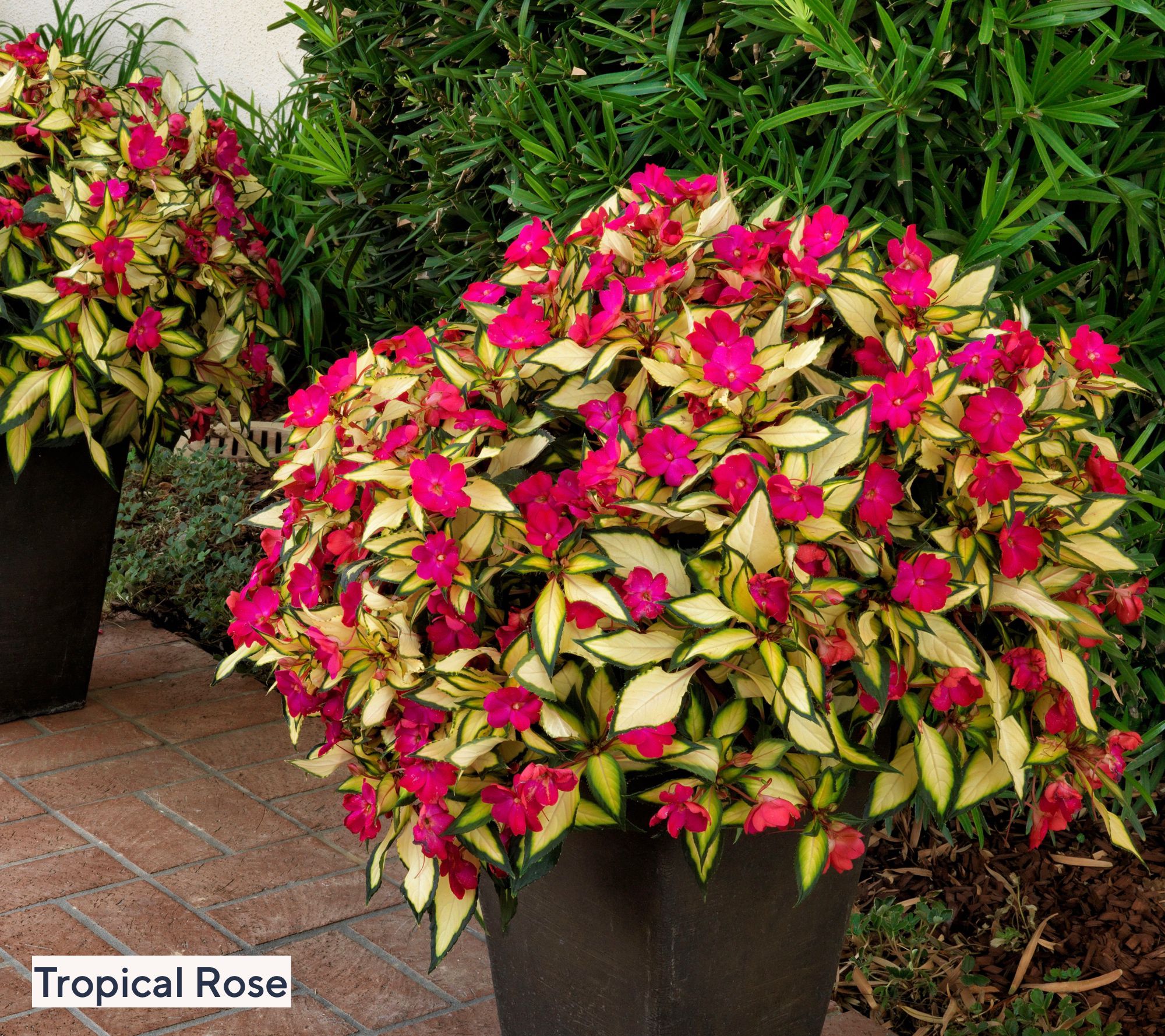
| Roberta’s 3pc SunPatiens Tropical Lightning | 3 live plants (rose, salmon, white) | Beds, borders, mixed containers | Fast color in sun or part shade, bold foliage + blooms |
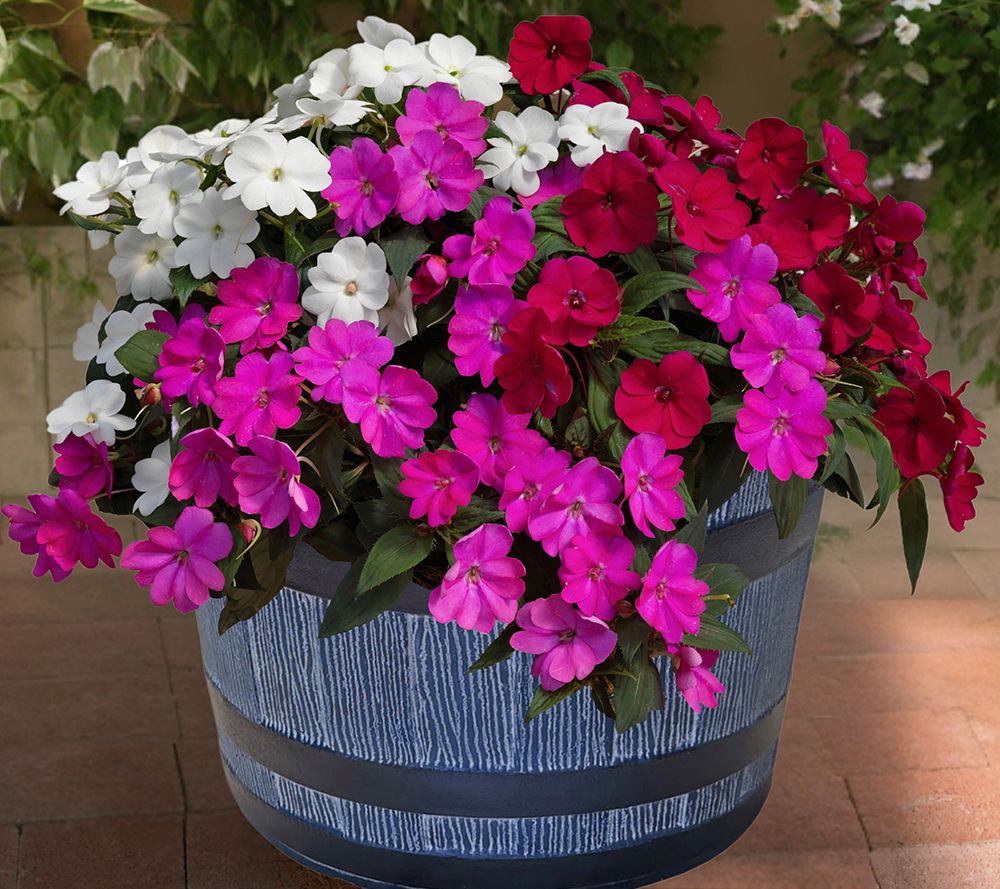
| Roberta’s 3pc SunPatiens + Whiskey Barrel Planter | 3 live plants + lightweight planter | One-and-done statement container | Removes decision fatigue, built-in “finished” look |
What the 2026 Garden Reset trend really means
Think of a garden reset like rebooting your phone.
You’re not “starting over”, you’re clearing what’s dragging performance down.
A simple Garden Reset usually includes:
1) Edit your space (before you buy anything).
Walk your yard and label: keep, replace, move, or remove.
2) Upgrade the invisible stuff.
Soil structure, drainage, and watering habits matter more than trendy plant picks.
3) Pick 1–2 “workhorse” plants for reliable color.
This is where SunPatiens shine: high coverage, long bloom, flexible light tolerance.
4) Add a pollinator patch on purpose.
2026 trend reporting heavily emphasizes gardening with intention, including pollinator support.
Quick win: If you only do one thing this week, plant in clumps. Pollinators find “patches” faster than single scattered flowers.
Roberta’s SunPatiens care: the simple system that keeps them blooming
SunPatiens are hybrid impatiens (Impatiens x hybrida) bred to handle stronger sun and hotter summers than classic shade impatiens.
They are also widely noted as not being affected by impatiens downy mildew, a huge reason gardeners switched to them.
Step 1: Choose the right spot (light rules that actually work)
SunPatiens do well in full sun to part shade, but full shade should be avoided for best performance.
They can still flower with limited sun, and variegated-leaf types often hold up nicely in shade situations.
Easy light test:
If you can read a book comfortably at noon where the plant sits, SunPatiens can usually perform there.
Step 2: Planting day setup (so roots take off fast)
Your two biggest goals are drainage and root contact.
SunPatiens can tolerate a lot, but poorly drained soil is where trouble starts.
Sakata’s landscape guidance flags soil-borne issues like Rhizoctonia and Phytophthora as risks in heavy, compacted, poorly drained soils.
Planting steps (ground or large container):
- Loosen the soil deeper than the root ball.
- Mix in compost if your soil is tight or crusty.
- Plant at the same depth it was growing in the pot.
- Water in slowly so the entire root zone gets wet.
Step 3: Watering that prevents stress (without babying)
NCSU Extension notes SunPatiens perform best with regular watering, and they usually don’t drop buds when water-stressed, but drying out can cause leaf scorch.
So the goal is steady moisture, not soggy soil.
The first 14 days (root-building phase)
Water more often.
You’re training roots to expand into the surrounding soil.
After that (maintenance phase)
Water deeply, then let the top layer begin to dry before watering again.
In containers, that might be daily in heat waves.
A simple “finger test” you can trust:
Stick your finger in 2 inches. If it’s dry, water.
Quick watering guide (practical, not perfect)
| Where you planted | Mild week | Hot week | The “tell” that you waited too long |
|---|---|---|---|
| In-ground bed | 1–2 deep waterings | 2–3 deep waterings | Midday wilt that lasts into evening |
| 12–16 inch pot | Every 2–3 days | Daily (sometimes twice) | Crispy edges, pale leaves |
| Hanging basket | Every 1–2 days | Daily (often) | Fast droop, light pot weight |
If you see midday wilting but the plant perks back up by evening, it may just be heat response.
If it stays wilted at night, it needs a deep soak.
Step 4: Feeding for flowers (not just leaves)
SunPatiens are vigorous.
That usually means they respond well to steady, moderate feeding.
Sakata’s product notes emphasize strong vigor and garden performance across series types.
In plain terms: don’t starve them, but don’t overdo nitrogen either.
Easy feeding options:
- Slow-release fertilizer mixed into soil at planting (great for “set it and forget it” gardeners).
- Water-soluble balanced feed every 2–4 weeks if plants are in containers and you water often.
If growth is lush but blooms slow down, reduce feeding frequency and check light first.
Step 5: Pruning and “reset trims” that keep them full
Most SunPatiens don’t need deadheading for performance, and they’re often described as low maintenance once established.
But you can still shape them.
Use the 2-trim method:
- Trim 1 (early season): pinch tips once when plants hit 6–8 inches tall to encourage branching.
- Trim 2 (midseason): if they look leggy, cut back by about 20–30%, then water and feed lightly.
This is a true “garden reset” moment in July.
You trade 7–10 days of looking slightly smaller for weeks of fuller growth.
Step 6: Common problems (and the fastest fixes)
Leaves yellowing:
Often water-related, too wet or too dry, or poor drainage. Start with soil moisture and drainage.
Leaf scorch or crispy edges:
Usually drought stress, especially in containers, NCSU notes drying out can cause scorch.
Pests (thrips, whiteflies, mites):
NCSU lists several potential insect issues, even if major problems are not common.
Start with a strong water spray, then escalate only if needed.
Downy mildew worry:
Both Sakata materials and NCSU note SunPatiens are not affected or are unaffected by downy mildew.
People Also Ask style questions (quick answers)
Do SunPatiens come back every year?
In most climates they’re grown as annuals, QVC listings describe them as annual and note warm-zone ranges depending on item.
Can SunPatiens take full sun?
Yes, they’re bred for strong sun performance, and official landscape guidance highlights full-sun success.
How big do they get?
Size depends on the series (Compact vs Vigorous), with official specs showing meaningful differences in height and spread.
Pollinator garden ideas that pair perfectly with SunPatiens
SunPatiens can help bring activity into the yard, and some retail listings even call out pollinator attraction.
But a true pollinator garden works best when you build a “food timeline” from early spring through late fall.
The U.S. Forest Service recommends using a wide variety of plants that bloom across seasons, planting in clumps, choosing native plants when possible, and minimizing pesticides.
The National Park Service even provides region-based native pollinator “recipe cards” designed for small home gardens.
And the stakes are real: wildlife agencies cite major food and economic impacts tied to pollinators, including estimates that a large share of global crops depend on animal pollination and that pollination services represent huge economic value.
The “SunPatiens + natives” pairing (my favorite reset strategy)
Use SunPatiens as your long-bloom color carpet.
Then add 3–6 native perennials around them for nectar, host plants, and seasonal variety.
Why it works:
SunPatiens keep the space looking full while natives mature and cycle through bloom.
Three easy pollinator garden layouts
The front-walk welcome strip (low effort, high payoff)
- Back row: 2–3 native perennials (chosen from your NPS recipe card list).
- Front row: a mass of SunPatiens for long color.
- Add a shallow water dish with stones for landing.
The “balcony bento” container set
This matches the 2026 trend toward modular, bite-sized gardening experiences.
- Pot A: SunPatiens as the thriller and filler.
- Pot B: a pollinator-friendly herb or flowering native (region-appropriate).
- Pot C: something that blooms late season to stretch nectar availability.
The sunny backyard patch (the real pollinator builder)
- Plant in clumps, not singles, so pollinators can work efficiently.
- Mix bloom times so something is always “on.”
A simple pollinator bloom timeline (what to aim for)
Use this as a planning tool, then swap in region-appropriate natives from NPS cards or Fish and Wildlife guidance.
| Season | Your goal | What to plant (examples vary by region) |
|---|---|---|
| Early spring | First nectar and pollen | Early-blooming native wildflowers, flowering shrubs |
| Summer | High-volume blooms | SunPatiens + summer natives in clumps |
| Late summer to fall | “Finish strong” nectar | Late-blooming natives so pollinators stock up |
The pesticide reset (pollinator-safe basics)
If you want pollinator garden ideas that actually help, pesticides are the big lever.
The U.S. Forest Service advises eliminating pesticides when possible, and using the least-toxic option only when needed.
Practical approach:
- Start with hand removal and strong water sprays.
- Treat at dusk when pollinators are less active.
- Avoid spraying open blooms whenever possible.
The 7-day Garden Reset plan (use this every spring)
Day 1: Walk the space and mark “keep, replace, move, remove.”
Day 2: Fix drainage in problem spots (soil loosening, compost, container holes).
Day 3: Plant your SunPatiens “color base.”
Day 4: Add 3 clumps of native pollinator plants from your region card.
Day 5: Mulch lightly, keep it off stems, and set your watering routine.
Day 6: Add water habitat (dish + stones) and a small bare-soil patch for ground nesters.
Day 7: Take a photo, then set a 10-minute weekly check-in (water, shape, spot pests).
This is how you keep Roberta’s SunPatiens care simple, repeatable, and realistic.
Conclusion
A great 2026 Garden Reset is not about buying more plants.
It’s about building a system you can keep up with.
Use SunPatiens for season-long color and coverage, then layer in natives for true pollinator support.
Follow the steady basics, light, drainage, smart watering, and you’ll get a yard that looks intentional for months.
If you want a next step, pick one of the layouts above and build it this weekend.
Then expand it by one clump per month.
You’ll end up with a garden that feels calmer, fuller, and more alive, which is exactly what the “reset” is supposed to do.
The responses below are not provided, commissioned, reviewed, approved, or otherwise endorsed by any financial entity or advertiser. It is not the advertiser’s responsibility to ensure all posts and/or questions are answered.