

A practical Lug packing cubes review with a side by side QVC comparison, smart packing advice, and lightweight luggage tips for travelers who want better travel organization without adding bulk.
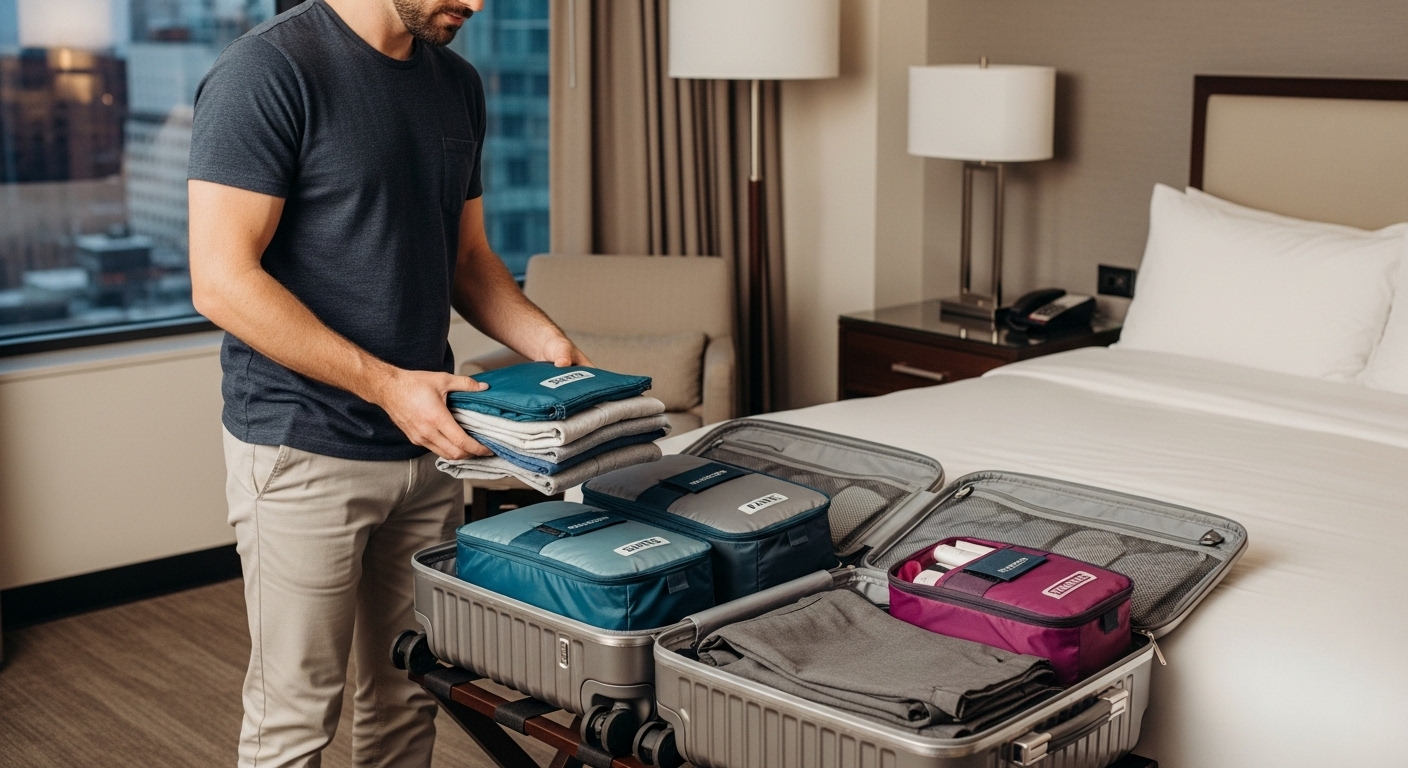
Packing well is not just about fitting more into a suitcase. It is about finding what you need fast, keeping clean clothes separate from worn ones, and avoiding that chaotic hotel-room explosion on day two. That is why a strong Lug packing cubes review matters. If you want best travel organization without turning your carry-on into a heavy brick, Lug’s compression-style cubes are worth a real look. Current QVC pages show Lug offering mesh-top compression cubes in multiple formats, while travel experts continue to recommend packing cubes for sorting categories, containing laundry, and cutting re-packing stress on the return trip.
My short verdict is simple: Lug packing cubes work best for travelers who care about neat compartments, fast visibility, and soft compression, not extreme vacuum-style shrinking. The brand’s QVC options look especially useful for carry-on travelers who want structure without stiff bins, and the mesh tops plus side handles make them easier to live with than basic zip pouches. If your goal is best travel organization with a polished, giftable feel, Lug is a strong contender. If your goal is maximum piece count for the lowest price, another QVC set may fit better.
Which QVC packing cube set should you choose?
The table below compares three similar QVC options. Specs come from current QVC product and category pages captured on April 23, 2026.
| Product | Best for | What you get | Compression | Notable size details | Current QVC price / rating |
|---|---|---|---|---|---|
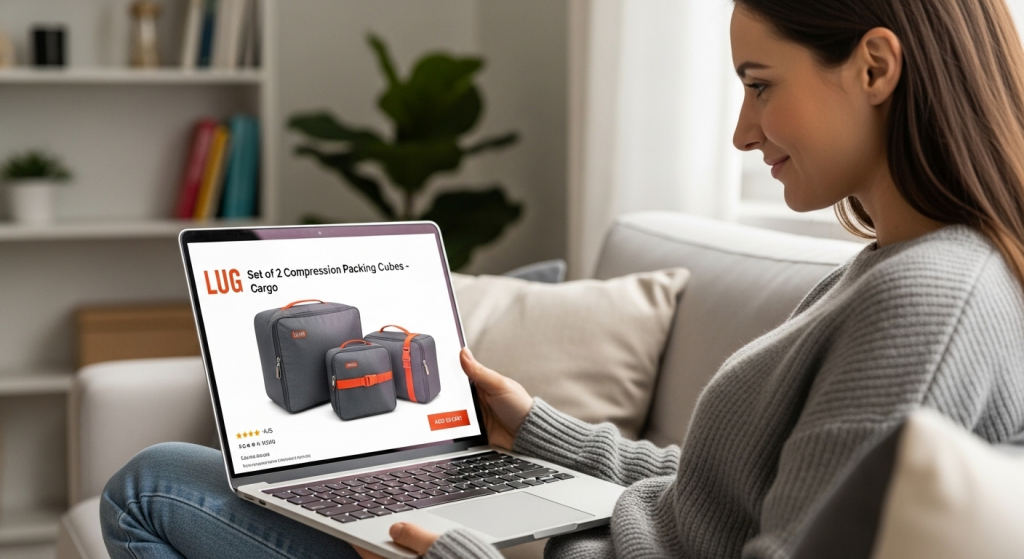
| Lug Set of 2 Compression Packing Cubes - Cargo | Mixed packing in a carry-on | 1 large cube, 1 small cube | Yes | Large: 13.5" x 10.5" x 4.5", Small: 10.5" x 6" x 4.5", compresses to 1" | Price not surfaced in extracted page |
| Lug Classic Set of 2 Medium Compression Cubes - Cargo | Travelers who want two matching medium cubes | 2 medium cubes | Yes | Each: 14.5" x 10.5" x 5", compresses to 1" | $48.00, 5.0/5 from 3 reviews |
| Triforce Set of 3 Packing Cubes with Shoe Bag and Laundry Bag | Travelers who want more pieces and built-in separation | Small, medium, large cube + shoe bag + laundry bag | No dedicated compression zipper shown | Small: 11.5" x 7" x 3.5", Medium: 12" x 8.5" x 3.5", Large: 18.5" x 14" x 3.5" | $40.85 sale price, was $54.00, 5.0/5 from 1 review |
Lug Set of 2 Compression Packing Cubes
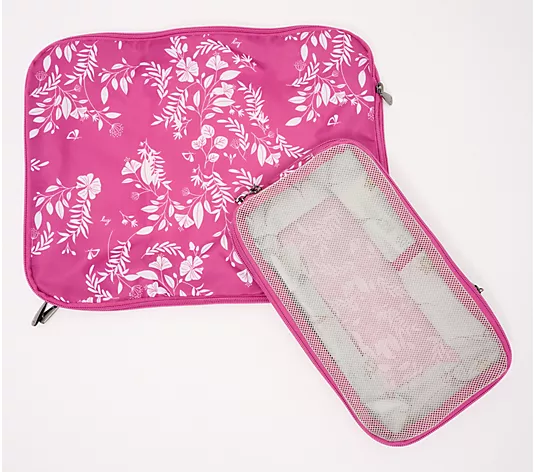
If you want the cleanest all-around option, I would put the Lug Set of 2 Compression Packing Cubes first. The reason is balance. One large and one small cube gives you more flexibility than two same-size cubes, which matters in a carry-on where every corner counts. If you pack by outfit plus essentials, that layout is easier to manage.
Lug Classic Set of 2 Medium Compression Cubes
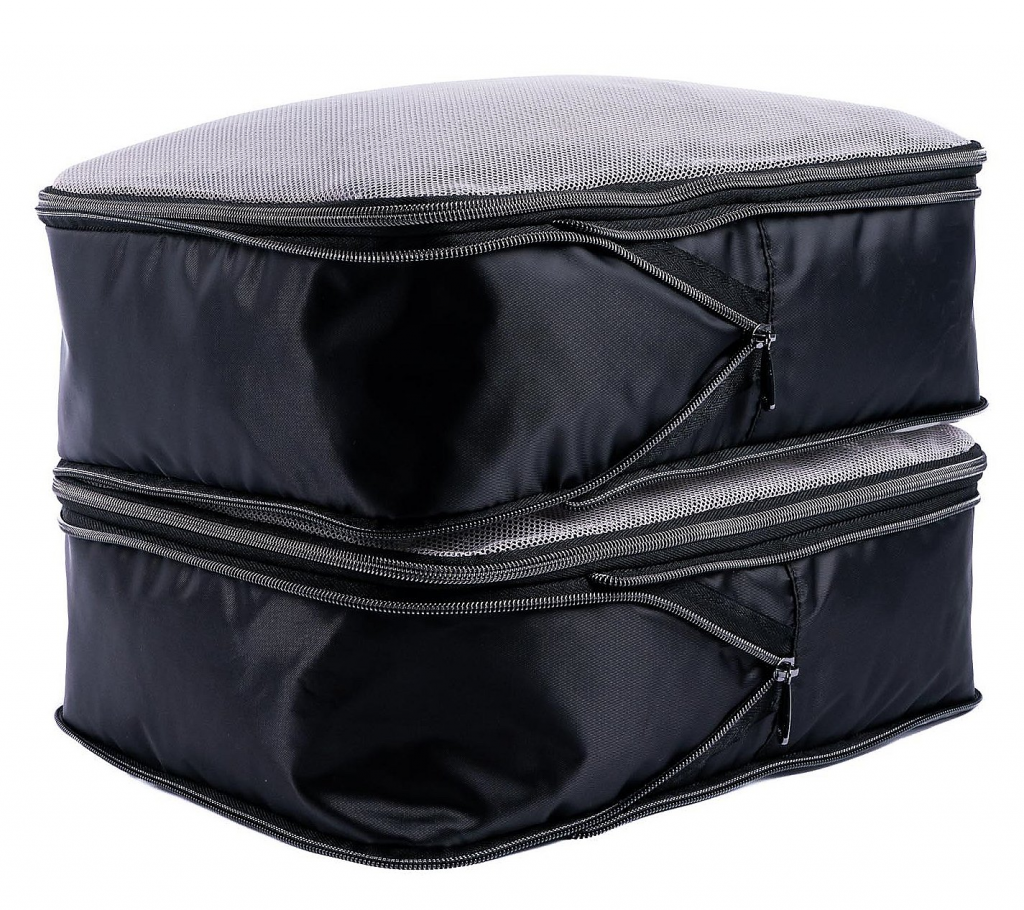
If you travel longer or like symmetry, the Lug Classic Set of 2 Medium Compression Cubes may be the smarter buy. Two equal-size cubes make it easier to split categories like tops and bottoms, gym and casual, or clean and worn. The listed 5.0 rating is encouraging, even if the review count is still small.
Triforce Set of 3 Packing Cubes with Shoe Bag and Laundry Bag
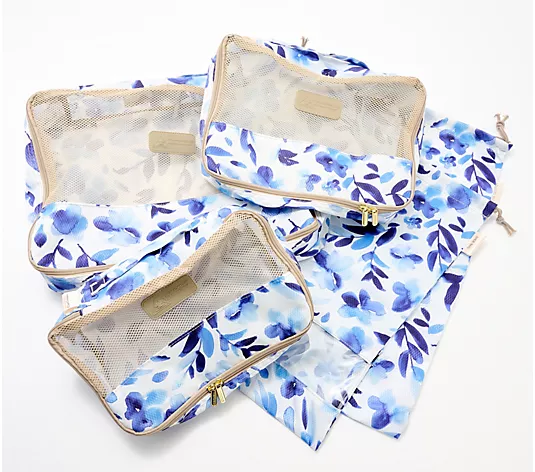
If value and separation matter most, Triforce has a compelling case. You get three cube sizes plus a shoe bag and laundry bag for less than the current price shown for the Lug Classic set. That is not as sleek as Lug’s compression-first design, but it is practical for travelers who want built-in zones.
Lug packing cubes review, what Lug gets right
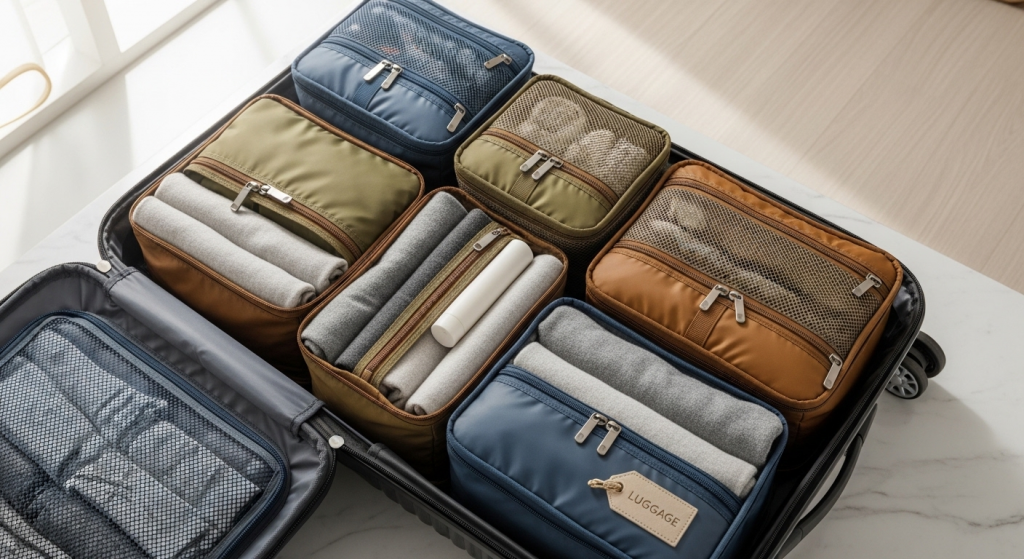
The best part of Lug’s design is not just the compression zipper. It is the combination of visibility, softness, and usable structure. On both Lug QVC pages, the cubes are described with mesh tops, double-zip closures, and side handles. That sounds small, but it changes the daily experience. You can see what is inside without opening every pouch, and you can pull one cube out of a tight bag without fighting the whole suitcase.
That matters because expert travel organizers often recommend turning each cube into a category zone, almost like a filing folder for your suitcase. Condé Nast Traveler’s January 2026 guide highlights organizing by item type or by outfit, and it notes that compression cubes are especially helpful for bulkier items like sweaters, jackets, and scarves. In other words, Lug fits the way people actually use packing cubes now, not the way brands market them in a vacuum.
In a real-world carry-on setup, the two-piece Lug set makes the most sense for a weekend trip, a three-night work trip, or a light personal-item-plus-spinner combo. I would use the large cube for tops, pajamas, or rolled outfits, and the small cube for socks, undergarments, chargers, or a swimsuit. That setup supports best travel organization because it reduces rummaging, especially on trips where you unpack partially and repack fast. The Classic medium set is stronger for longer itineraries where you want one cube for clothes and one for backup layers.
Lug also scores well on packability after the trip. The single Lug cube page says the cube rolls up for storage and weighs only 0.1 lb. That is a good sign for anyone who wants lightweight luggage tips that do not depend on buying a whole new suitcase. A travel accessory only earns space in your bag if it pulls double duty and stores easily when you are home.
Where Lug is less impressive
A fair Lug packing cubes review also needs to say what these cubes do not do.
First, Lug’s compression is useful, but it is not magic. Compression cubes help reduce bulk, especially with soft clothing, but they do not replace disciplined packing. If you overpack heavy fabrics, shoes, and full-size toiletries, the cubes will organize the problem, not solve it. Expert travel coverage from Condé Nast Traveler and Outside both frame packing cubes as organization tools that can also help with space, not as miracle devices.
Second, Lug is probably better for orderly packers than for maximizers who want the most pieces possible for the lowest cost. Triforce gives you more components for less money at the current QVC prices shown. So if your main goal is separate bags for shoes, laundry, and multiple clothing categories, Lug can feel a little minimalist.
Third, current QVC review counts for these packing-cube products are still modest. The Lug Classic set shows 3 reviews and the Triforce set shows 1 review in the extracted category pages, so this is a product area where you should weigh specs and intended use more heavily than crowd consensus.
Callout: Lug is strongest when you want a tidier suitcase, faster access, and light compression. It is less compelling if you want the cheapest cost per compartment.
How to use Lug cubes for best travel organization
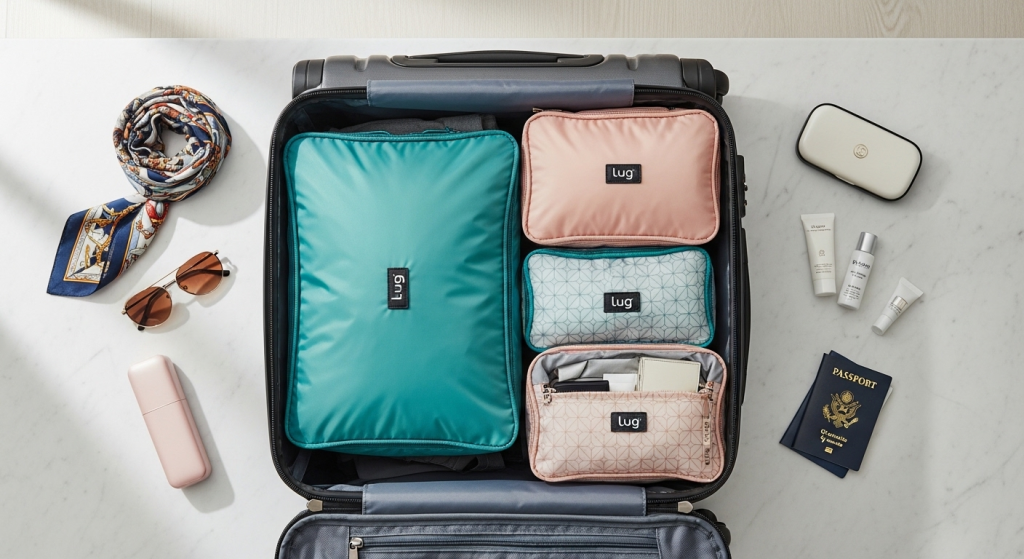
If your goal is best travel organization, the smartest move is to treat each cube as a system, not just a bag.
Start with categories that match your trip. For a short city trip, use one cube for outfits and one for essentials. For a family trip, assign by person or by activity. Condé Nast Traveler’s organizer guidance supports both methods, and it also recommends leaving awkward items outside cubes if they fit better elsewhere. That is useful with Lug, because soft cubes pair well with filling odd gaps in a suitcase.
Next, use compression selectively. Put soft, bulky, wrinkle-tolerant items in the compression cube first, things like tees, leggings, underwear, pajamas, and casual layers. Leave structured items, heavier jeans, and delicate pieces with more breathing room. This is one of the most practical lightweight luggage tips because it keeps you from forcing the bag to do more than it should.
Then think beyond clothing. One reason cubes work so well is that they reduce visual clutter. A small cube can hold charging cables, adapters, and sleep gear better than a loose pouch. That creates a repeatable packing template, which is one of the easiest ways to speed up departure mornings. Travel + Leisure’s April 2026 packing piece also describes packing cubes as the foundation of a repeatable carry-on system.
Lightweight luggage tips that make Lug more effective
The best lightweight luggage tips are not glamorous, but they work.
1. Keep liquids tiny and compliant. TSA says carry-on liquids, aerosols, gels, creams, and pastes must be in containers of 3.4 ounces, or 100 milliliters, or less, and they must fit in one quart-size bag. If you follow that rule before you zip the cubes, your packing system stays cleaner and lighter.
2. Put medication in your carry-on, not your checked bag. The U.S. State Department advises travelers to keep medications in carry-on luggage because checked bags can be lost or delayed. That is not just smart, it is a stress reducer. Keep meds in an easy-access pouch, not buried in a clothing cube.
3. Roll softer items, fold structured ones. Condé Nast Traveler notes there is no one true winner in the roll-versus-fold debate. That is exactly right. Roll tees, socks, and activewear. Fold button-downs, denim, or pieces that wrinkle easily.
4. Keep one empty cube or bag for laundry. Expert packing advice repeatedly points to the value of separating worn items from clean ones. If you buy Lug, this is where the two-piece system can feel limiting compared with Triforce, unless you intentionally leave one cube partly free.
5. Build around your internal links and content clusters. In a commerce article, this is a great place to naturally reference related pages like carry-on packing checklist, best weekender bags, how to travel with toiletries, and best personal item bags. Those anchors fit the user journey and support topical authority.
Frequently asked questions
Are Lug packing cubes worth it?
Yes, for the right traveler. In this Lug packing cubes review, the value is strongest for people who want cleaner packing zones, mesh visibility, and modest compression in a stylish, easy-to-store format. They are less ideal for travelers chasing the highest piece count or the lowest price per item.
Do compression packing cubes actually save space?
They can reduce bulk, especially with soft garments, but they work best when combined with restraint. Compression cubes are most helpful for sweaters, jackets, scarves, and other puffier clothing, according to Condé Nast Traveler’s organizer-backed guide.
What is better for a carry-on, two cubes or five?
For many travelers, two well-chosen cubes are enough in a carry-on because they leave more flexibility around shoes, toiletries, and odd-shaped extras. That is why the main Lug two-piece set feels so practical. If you want a built-in shoe bag and laundry separation, a larger set like Triforce may be better.
What is the best way to use Lug cubes?
Use the larger cube for clothing categories or complete outfits, and the smaller cube for underwear, sleepwear, tech, or swim items. Keep toiletries and medication outside the clothing cube system for faster security access and mid-trip convenience.
Final take
If you want my honest recommendation, the Lug Set of 2 Compression Packing Cubes - Cargo is the best starting point for most shoppers reading a Lug packing cubes review. It feels the most versatile, the most carry-on friendly, and the most aligned with what travelers actually need: fast access, visible organization, and enough compression to tame soft clothes without overcomplicating packing.
For longer trips or stricter category packing, move up to the Lug Classic Set of 2 Medium Compression Cubes. For travelers who care more about total components and built-in separation than brand consistency, Triforce is the better value play on QVC right now.
The smartest next step is simple: buy the set that matches your packing style, then commit to a repeatable system before your next trip. Good travel gear is helpful. Good travel habits are what make it work.
The responses below are not provided, commissioned, reviewed, approved, or otherwise endorsed by any financial entity or advertiser. It is not the advertiser’s responsibility to ensure all posts and/or questions are answered.