

You love the raw, edgy textures of industrial design — exposed brick, steel beams, concrete floors — but you don’t want your home to feel cold or impersonal. You crave warmth, elegance, and a sense of curated luxury.
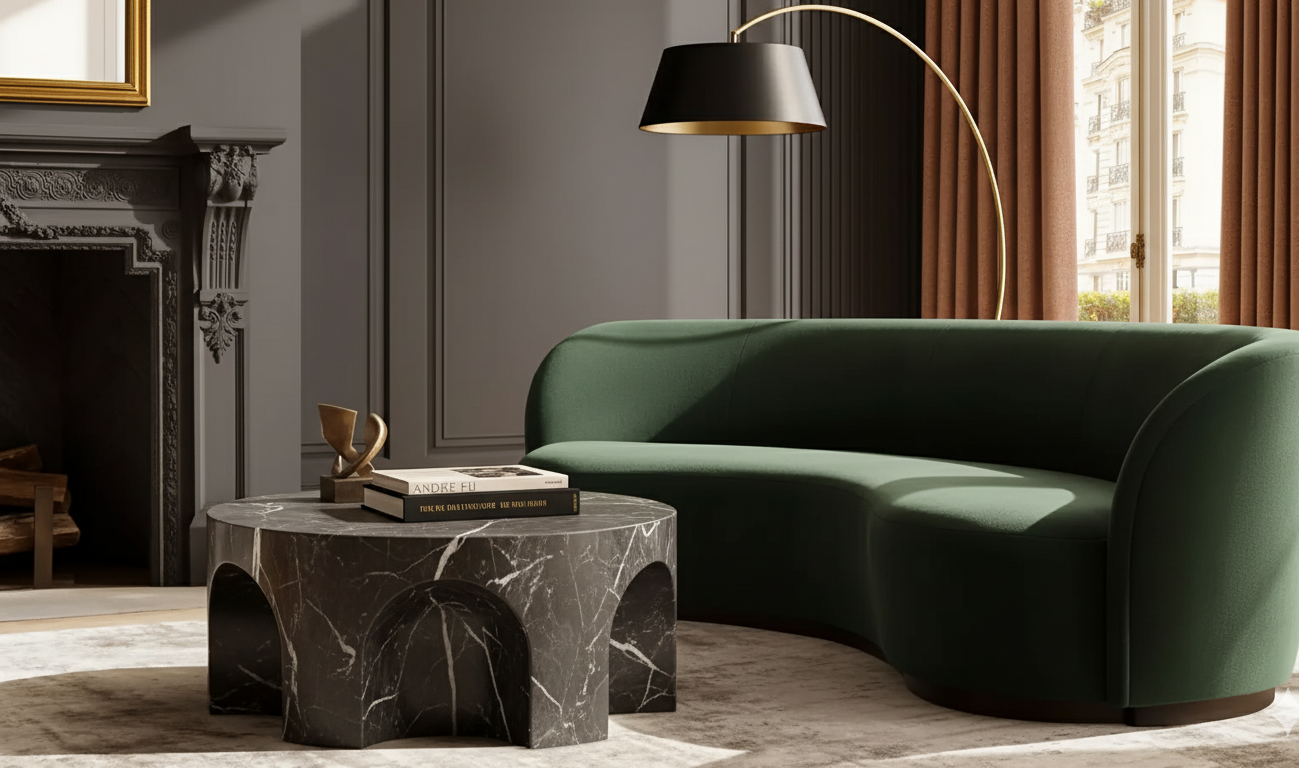
That’s where industrial luxury comes in: blending the grit of industrial aesthetics with touches of refinement, polish, and comfort. In this guide, I’ll show you how to design a home that feels tough yet gracious, bold yet livable. You’ll learn the key principles, mistakes to avoid, room-by-room strategies, and brand ideas you can trust.



What Is Industrial Luxury?
The Roots: Industrial + Luxury
Industrial style originates from converting factories, warehouses, and lofts into living spaces. It emphasizes structure, utility, and honest materials. Luxury, in contrast, leans on curated materials, craftsmanship, and details that elevate a space.
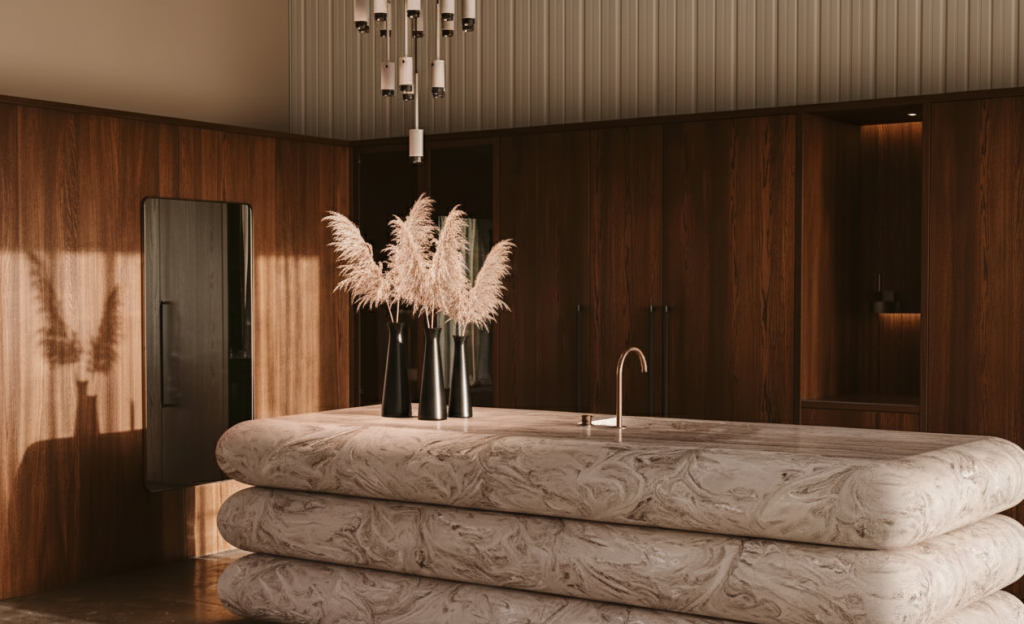
Industrial luxury fuses these: you retain the structural integrity and raw materials of industrial design, but layer in high-end finishes, refined lighting, and thoughtful touches so the space reads as elevated—not just rugged.
Core Design Principles
| Principle | What it means | Why it matters |
|---|---|---|
| Contrast & balance | Pair rough with soft: raw brick or concrete with velvet, linen, leather | Prevents the space from feeling harsh |
| Honest materials | Steel, cast metal, glass, reclaimed wood, concrete | These materials carry authenticity |
| Elevated detail | Custom hardware, bespoke lighting, sculptural elements | Signals luxury without gimmicks |
| Neutral palette with accents | Grays, blacks, taupes, off-white, with accents of bronze or muted color | Keeps focus on textures and form |
| Layered lighting | Ambient, task, accent — all in harmony | Makes spaces feel warm, purposeful, and dramatic |
| Open volume & structure | High ceilings, visible ductwork, open floor plans | Embraces industrial heritage |
By combining these, you achieve “industrial luxury” that is both grounded and richly expressive
How to Design an Industrial Luxury Space
1. Start with the bones
- Expose brick walls or leave them partially revealed.
- Showcase structural elements — beams, columns, conduit, pipes — as part of the design rather than hiding them.
- Use polished or stained concrete floors, or choose wide-plank reclaimed wood in a warm tone.
- Keep large windows or steel-frame windows visible to let in daylight.
2. Choose your base palette
Lean into greys, charcoal, black, off-white, and warm neutrals. Use deep browns, muted bronze, or accents like charcoal green or deep navy. These tones support the industrial frame, while allowing luxury accents to pop.
3. Layer in elegant textures
Once you have the rough surfaces in place, soften them with:
- Plush area rugs
- Linen or heavyweight cotton drapes
- Leather seating (particularly in cognac, deep brown, black)
- Natural hides or sheepskin throws
- Sculptural pillows or throws in mohair or velvet
These layers counterbalance the harder surfaces.
4. Select refined fixtures & hardware
Here’s where detail matters. Choose pieces that feel intentional — not utilitarian but artful.
- Use hardware with texture (knurling, cross-cut, dark metals)
- Opt for designer lighting with unique silhouettes
- Use integrated or built-in metal accents (railings, shelves, stair details)
5. Sculptural & statement pieces
A statement chandelier, a bold console table, or a dramatic wall sculpture becomes a pivot that elevates the room from “warehouse” to refined home. Don’t shy away from scale — within reason — in large spaces.
6. Balance minimalism and warmth
Keep accessories minimal and curated. Let the materials, structure, and key pieces speak. But allow just enough warmth so the space doesn't feel austere.
Room-by-Room Strategies
Living / Dining
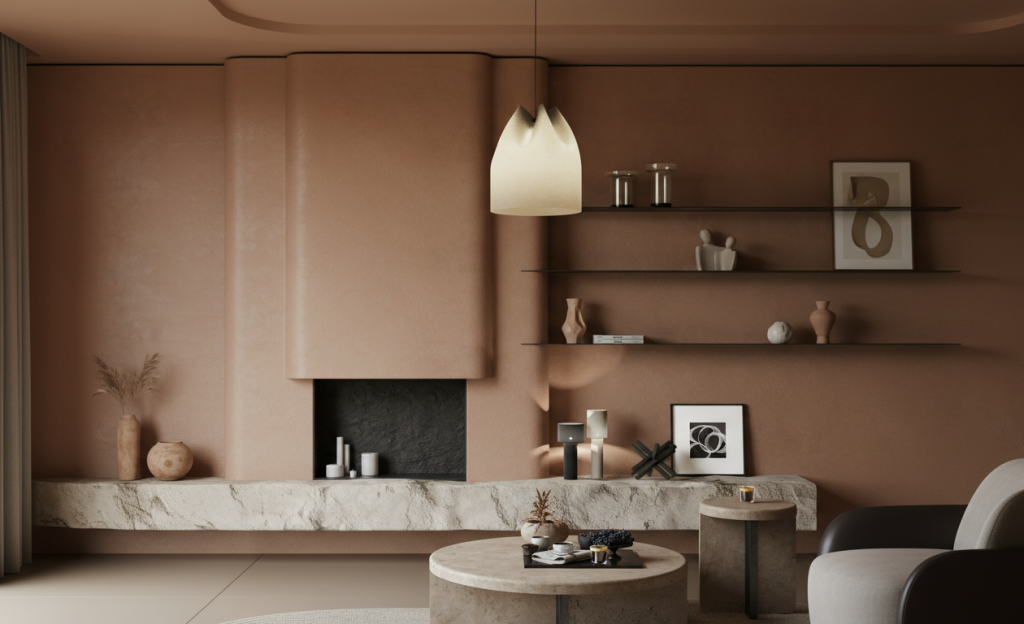
- Use a large sectional or lounge sofa in leather or boucle fabric
- Anchor with a solid, sculptural coffee table or sideboard
- Hang cluster or statement pendants above the dining table
- Let metal window frames and structural columns visually weave through
Kitchen
- Consider a metal or concrete countertop or waterfall island
- Use open shelving with steel pipe brackets
- Feature designer metal hardware for cabinets
- Use industrial lighting (pendants, adjustable sconces)
Bedroom
- Introduce a low platform bed with a warm wood frame
- Use black frame windows or divide with metal grid partitions
- Keep ceiling exposed or highlight beams
- Use soft textiles (wool, linen) to contrast harder surfaces
Bathroom
- Use dark or matte black metal plumbing fixtures
- Choose concrete or stone sink basins
- Combine subway tile with exposed masonry
- Use mirror with thin steel frame
Home Office / Study
- Use a steel-frame desk, adjustable task lighting
- Open shelves in metal and reclaimed wood
- Let wiring, pipes, conduits be part of the aesthetic
Mistakes to Avoid
- Too much “unfinished” — if walls, floors, and ceilings are all raw, the space feels uninviting.
- Overly cold color palette — no warmer accents = sterile.
- Cheap mass fixtures — using low-quality hardware or lights undermines the luxe intent.
- Clutter — industrial frames demand restraint.
- Ignoring acoustics & comfort — harsh surfaces need rugs, drapes, acoustic panels.
- Wrong scale — too many small elements in a vast space feel fussy; balance with large focal objects.
Featured Interior & Brand Inspirations
Below are four brands that exemplify industrial luxury. Here’s how each approaches it, along with example pieces you might integrate.
Buster + Punch
A brand that elevates everyday hardware and lighting into design statements. Their signature is solid metal construction, attention to knurling texture (cross or linear), bold finishes, and cohesive systems (hardware, lighting, switches). Their aim: to make even the levers and knobs feel luxurious.
Example product:
- Buster and Punch Heavy Metal Linear Light — a pendant in stainless steel with a diamond-cut linear knurl texture.
- Buster and Punch Forked Pendant Shade — a cast and machined metal pendant with linear detailing.
Restoration Hardware
Known for its luxurious, weighty furnishings and timeless design, RH marries classic forms with strong materials — leather, aged wood, metal. In an industrial luxury setting, RH pieces anchor the comfort zones: sofas, armchairs, modular systems, statement tables.
Example product:
- Restoration Hardware Byron 4‑Door Sideboard — black oak and bronze details, a bold cabinet piece that adds presence.
Tom Dixon
A boundary-pushing brand that blends sculptural art and lighting design. Their pieces often feel like objects, not just fixtures. Tom Dixon is ideal for focal lighting, accent pieces, and art-forward lighting within an industrial luxury space.
Example products:
- Tom Dixon Melt Portable Table Lamp — a fluid, organic lamp that plays beautifully against hard industrial lines.
- Tom Dixon Bell Portable LED Lamp — sleek, polished, functional – a contrast piece in metal.
Apparatus Studio

Apparatus is celebrated for moody, artisanal lighting and sculptural forms. Their fixtures feel handcrafted and dramatic—perfect for adding a layer of artistry to industrial spaces. Their work can become the emotional center of a room.
You can use these brands not just to furnish but to orchestrate how light, hardware, and details tell a design story.
Curated Picks: 5 Iconic Pieces to Define Industrial Luxury
To bring industrial luxury from concept to reality, the right statement pieces make all the difference. These five standout designs embody the perfect blend of raw materials, refined craftsmanship, and sculptural elegance. Each one can serve as a focal point that anchors your space with sophistication and character.
Buster + Punch Heavy Metal Linear Light
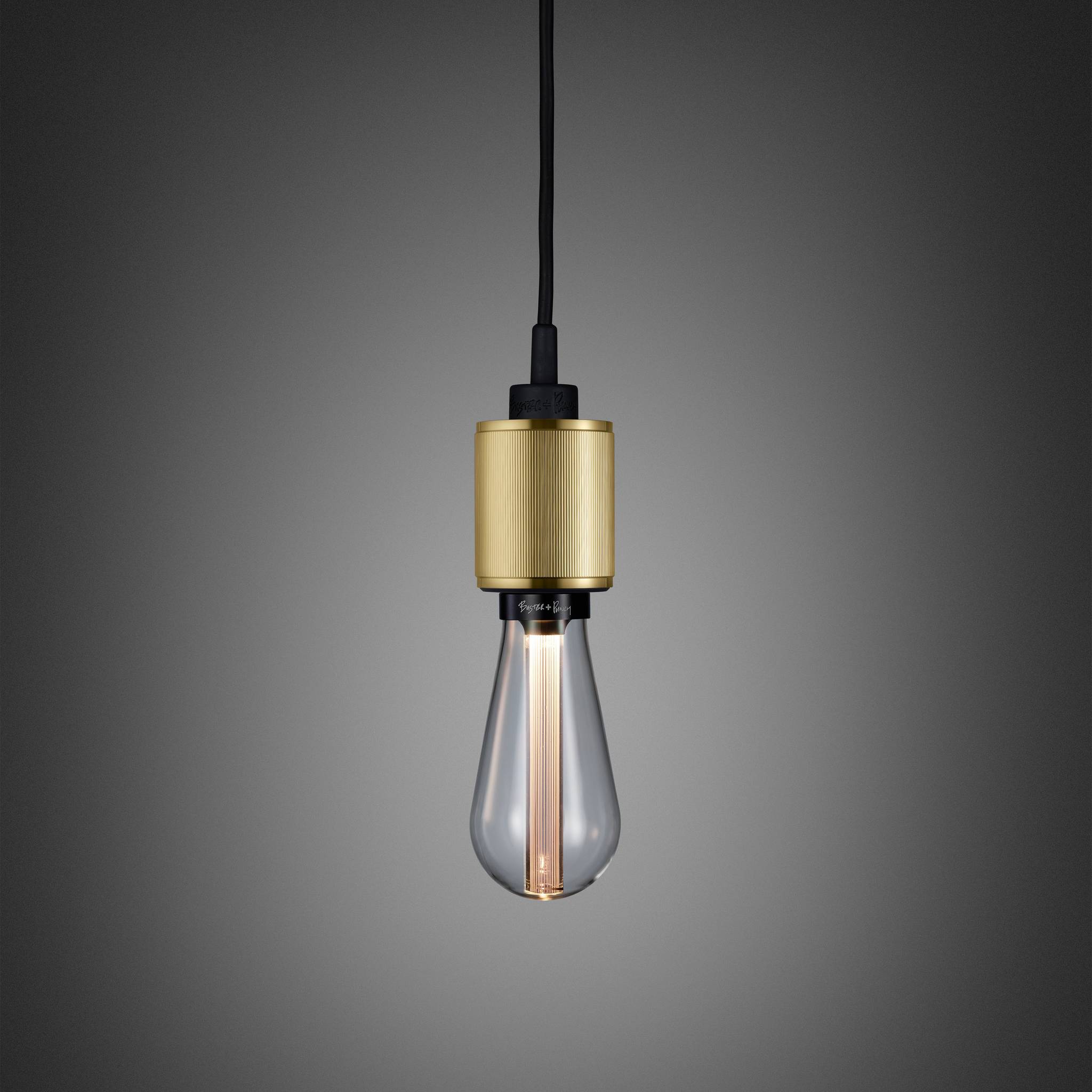
This striking pendant light embodies the essence of industrial luxury. Crafted from solid metal and finished with Buster + Punch’s signature diamond-cut knurling, it adds both edge and refinement. Hang it over a dining table or kitchen island to create a warm, architectural glow.
Buster + Punch Forked Pendant Shade
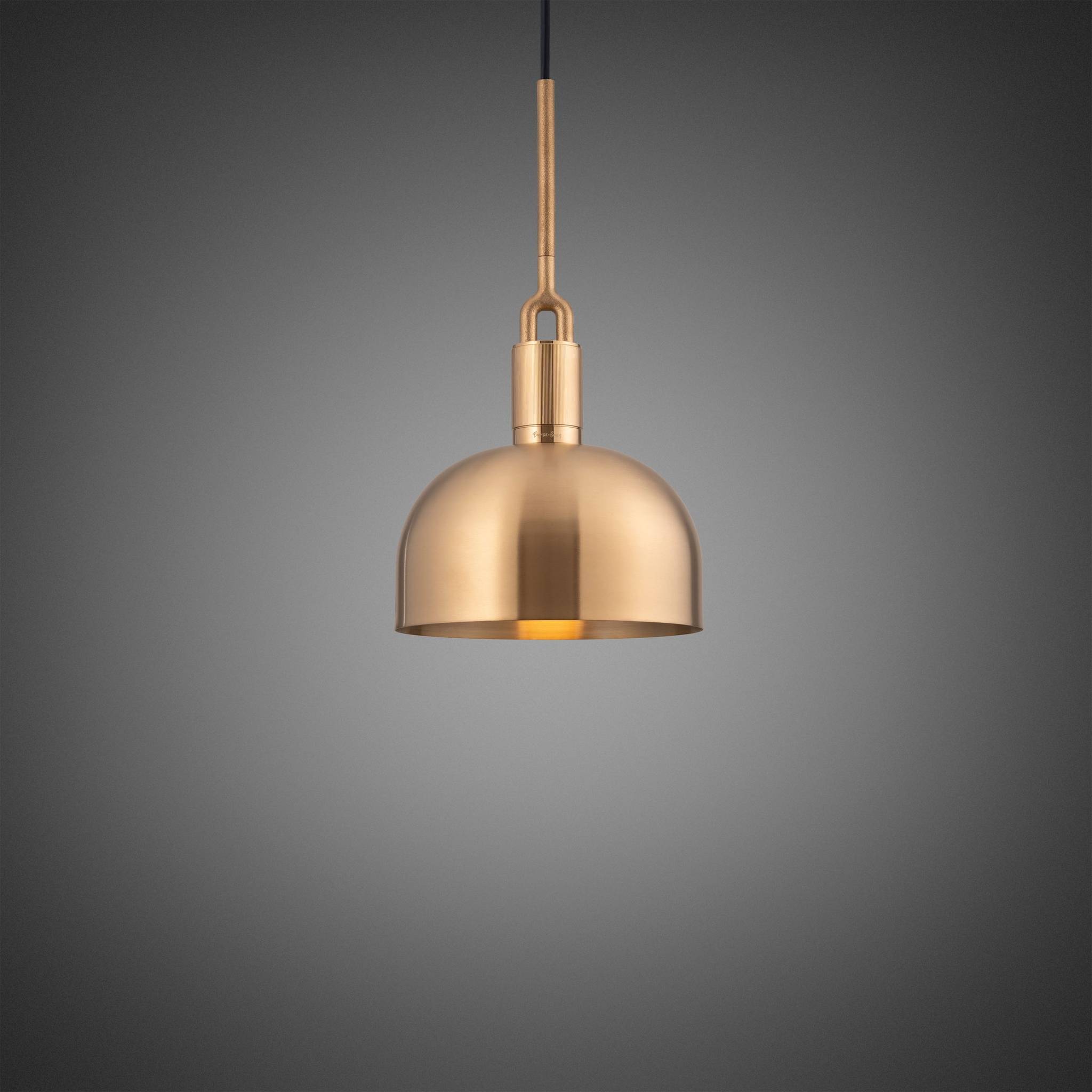
A masterpiece of hand-spun metalwork, the Forked Pendant Shade pairs industrial rawness with sculptural beauty. Its precision detailing and balanced proportions make it a natural centerpiece in lofts or open-plan living spaces.
Tom Dixon Bell Portable LED Lamp

Sleek, glossy, and perfectly minimal, the Bell Lamp reflects the refined side of industrial design. Its polished surface mirrors its surroundings, while the subtle illumination adds a layer of quiet luxury to desks, side tables, or bedside nooks.
Tom Dixon Melt Portable Table Lamp

Few lighting pieces balance art and atmosphere like the Melt Lamp. With its molten-metal effect and organic silhouette, this lamp introduces a surreal glow that softens the harder edges of an industrial space — adding a touch of playfulness and allure.
Apparatus Studio Buster Table Lamp

The Buster Table Lamp by Apparatus Studio embodies the brand’s signature moody, artisanal aesthetic. Its hand-blown glass and sculptural metal base bring drama and elegance to any table or console. Perfect for creating a warm, atmospheric glow in living rooms, bedrooms, or office spaces while reinforcing an industrial luxury vibe.
Design Tip: Use one or two of these pieces as intentional focal points. Their sculptural quality and material richness lend gravitas, texture, and visual rhythm — the hallmarks of an elevated industrial luxury interior.
Frequently Asked Questions (FAQs About Industrial Luxury Interiors)
Q: Can industrial luxury work in a home with traditional architecture?
Yes. Industrial luxury isn’t limited to lofts or modern builds. You can integrate it into traditional homes by highlighting structural details (like wooden beams or brick walls) and pairing them with sleek, high-end finishes such as polished metals, sculptural lighting, or leather furniture.
Q: How do I prevent an industrial luxury space from feeling cold or sterile?
Focus on warm textures and layered lighting. Introduce rugs, throws, and upholstered furniture, and balance exposed metal or concrete with warm wood tones or brass accents. Lighting that highlights texture and creates cozy zones is essential.
Q: Are there specific materials that are “must-haves” for industrial luxury?
Yes. Key materials include:
- Metals: steel, brass, bronze, and blackened iron
- Wood: reclaimed, dark-stained, or polished wood
- Stone & Concrete: countertops, floors, or sculptural elements
-
Textiles: leather, velvet, linen, and natural fibers
These materials provide authenticity while allowing for elegant contrasts.
Q: Can I mix industrial luxury with other design styles?Absolutely. Industrial luxury blends well with:
- Modern minimalism: clean lines and functional furniture complement raw textures.
- Mid-century: warm wood tones and sculptural furniture add character.
-
Bohemian: soft textiles, rugs, and layered accessories bring warmth to industrial materials.
The key is balance — mix carefully so the space feels cohesive rather than cluttered.
Q: What is the role of art in industrial luxury interiors?
Art adds personality and softens industrial rigidity. Large-scale sculptures, abstract paintings, or metal wall art can serve as focal points, breaking up raw textures while reinforcing the luxurious feel. Statement lighting can also act as functional art.
Q: Is industrial luxury suitable for outdoor spaces?
Yes. Materials like metal, treated wood, and concrete work beautifully outdoors. Combine industrial lighting, sculptural planters, and plush outdoor textiles to create a sophisticated patio, terrace, or balcony that mirrors the indoor industrial luxury aesthetic.
Q: How often should industrial luxury interiors be updated?Because industrial luxury relies on timeless materials and quality craftsmanship, updates are usually incremental: swapping accent pieces, refreshing textiles, or updating lighting fixtures. The core elements — exposed structure, metal, wood — are long-lasting and often improve with age.
Q: How can I incorporate sustainable practices into industrial luxury design?
Opt for reclaimed or recycled materials, high-quality durable furniture, and energy-efficient lighting. Industrial luxury celebrates authenticity, so sourcing vintage pieces or repurposing architectural elements aligns naturally with sustainability.
Conclusion & Action Steps
Industrial luxury is more than mixing metal and brick — it’s a thoughtful curation of structure, material, detail, and comfort. When done well, it feels bold yet intimate, raw yet curated.
Here’s how to get started:
- Audit your space — identify structural elements you can expose or celebrate.
- Select one area (living room, kitchen, or bedroom) and choose your statement piece (lighting, furniture).
- Layer materials — add textiles, rugs, throws to soften hard finishes.
- Curate hardware & lighting — aim for pieces with character and design integrity (e.g. from the brands above).
- Resist clutter — let the raw textures, forms, and details breathe.
The responses below are not provided, commissioned, reviewed, approved, or otherwise endorsed by any financial entity or advertiser. It is not the advertiser’s responsibility to ensure all posts and/or questions are answered.



Comments 1 comment
I didn’t realize industrial and luxury could blend so seamlessly ...makes me rethink my living room setup