

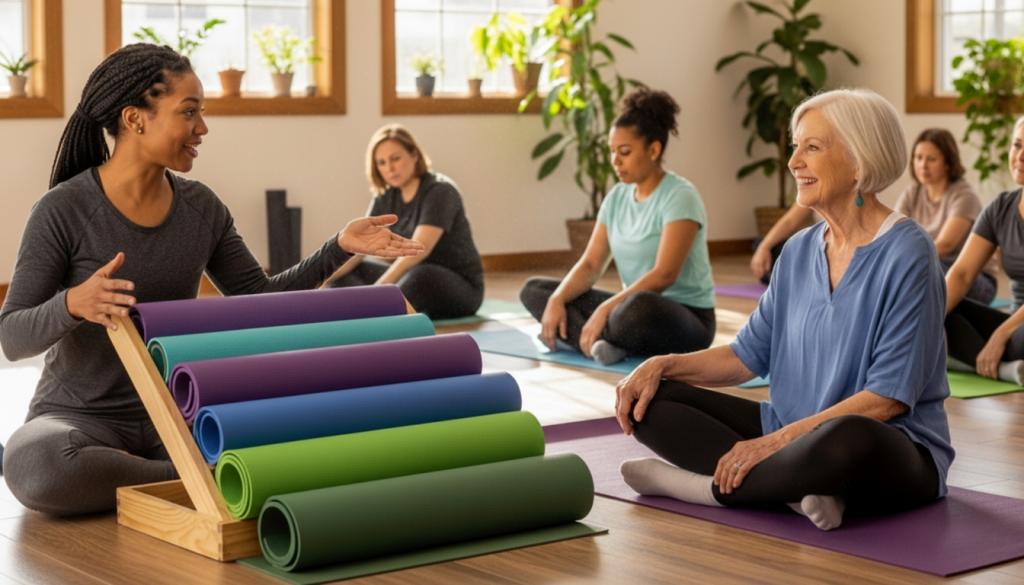
Choosing the right yoga mat thickness can make a big difference in your practice. Whether you’re flowing through a heated vinyasa class, holding restorative poses, or protecting sensitive knees and wrists at home, the thickness of your mat affects comfort, stability, and balance. From thin 4mm mats that enhance floor connection to cushy 6mm mats that protect joints, understanding the trade-offs helps you pick the best mat for your needs.

In this guide, we’ll break down the differences between 4mm, 5mm, and 6mm mats and highlight top options from trusted brands so you can practice with confidence.




Quick answer: 4mm vs 5mm vs 6mm
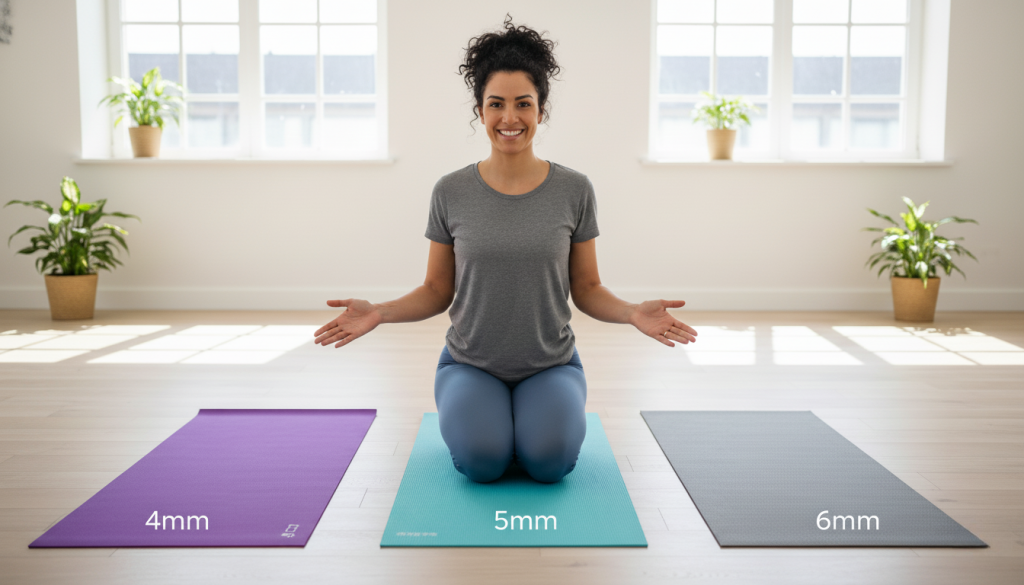
- 4mm: Best floor feel and balance. Great for vinyasa/ashtanga and strong standing sequences. Example: Liforme Classic (~4.2 mm).
- 5mm: Middle-ground comfort + stability. Ideal for mixed classes and longer holds. Example: Alo Yoga Warrior Mat (5 mm).
- 6mm: Maximum joint cushioning (heavier, less “grounded” feel). Suits restorative, pilates, and home practice. Example: Manduka PRO (6 mm).
If you’re unsure, 5mm is the safest “one-mat-does-most” thickness. For hot, flowy classes, many practitioners prefer 4mm. For sensitive knees or hard floors at home, 6mm can feel best. Evidence from lab studies on softer surfaces shows more comfort and reduced lower-limb exertion, though very soft surfaces can slightly change balance demands—another reason many land at 5mm.
Why thickness matters
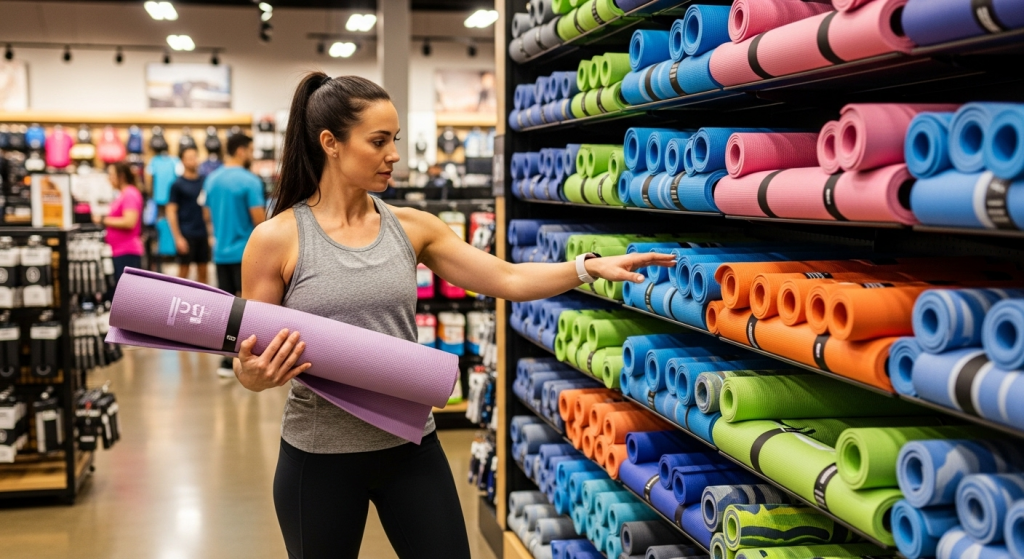
Yoga is booming—16.9% of U.S. adults practiced yoga in 2022, so choosing the right mat thickness affects a lot of people. Thicker mats increase comfort but can reduce “floor connection,” while thinner mats sharpen stability and alignment feedback. Public-health data confirms yoga’s widespread, growing use, which is why brands offer multiple thicknesses for different needs.
Biomechanics research isn’t specific to yoga mats yet, but studies on standing mats show softer surfaces reduce lower-limb exertion versus hard floors; separate balance research on foam/soft surfaces finds proprioceptive demands change as compliance increases. Translating this: thicker mats can feel better for joints during kneeling or supine work, while thinner mats make balance work (like standing poses) feel more stable.
The 10-second self-assessment
-
Your practice style
- Mostly flow/standing work → 4–5 mm
- Lots of restorative/pilates or hard floors → 5–6 mm
-
Your joints
- Sensitive knees/wrists → bias to 6 mm (or use a knee pad)
- No issues → 4–5 mm works
-
Portability
- Walk/commute with your mat → 4–5 mm typically lighter
- Home studio → 6 mm weight is fine
-
Grip & materials
- Look for PU-topped natural rubber or high-density builds for wet/dry traction and durability. (Examples below.)
People Also Ask — Fast answers
Is 6mm too thick for yoga?
Not inherently. It’s great for cushioning but can feel less stable in balance poses. Many brands and instructors position 4–5 mm as “standard,” with 6 mm for extra comfort or home practice.
Is 4mm enough cushioning?
Yes for many healthy practitioners, especially in heated or vinyasa classes that favor floor feedback and stability. If your knees protest in camel/low lunge, add a folded towel under the joint or pick 5–6 mm. (See brand thickness examples below.)
Does thickness affect grip?
Grip is more about surface material (PU, rubber) and density than thickness alone. Premium PU-on-rubber designs are grippy wet or dry; closed-cell, ultra-dense builds resist squish and stay stable.
What thickness do instructors use?
A lot of teachers use 4–6 mm depending on style. Dense 6 mm mats are popular for home practice and longevity; 4–5 mm is a go-to for studio commuting and balance work.
Spec table — Best 4mm vs 5mm vs 6mm yoga mats
| Thickness | Best for | Trade-offs | Example mat (official page) |
|---|---|---|---|
| ~4mm | Balance, flow, hot yoga; strong floor feel | Less plush on knees/wrists | Liforme Classic (~4.2 mm) – alignment markings, PU top over natural rubber. |
| 5mm | All-rounder; long holds; mixed classes | Slightly heavier than 4mm | Alo Yoga Warrior (5 mm) – luxe PU top, anti-odor, slip-free. |
| 6mm | Max cushioning; home practice; pilates/restorative | Heavier; a bit less “grounded” feel | Manduka PRO (6 mm) – ultra-dense, closed-cell, lifetime guarantee. |
Bonus similar pick at 4mm: Yogi Bare Paws / EverGrip (4 mm)—PU over FSC-certified natural rubber, built for serious traction.
The three best-selling style picks by thickness (Liforme & similar brands)


Below are popular, widely loved models in each thickness “bucket,” focused on Liforme and similar premium brands (Alo Yoga, Yogi Bare, plus one classic 6 mm benchmark for context):
-
Best ~4mm → Liforme Classic (≈4.2 mm)
Why it wins: iconic AlignForMe® alignment, outstanding wet/dry grip from eco-PU, and slightly denser feel than many 4mm mats. Great for flow classes and anyone who values clean foot/hand placement. -
Best 5mm → Alo Yoga Warrior (5 mm)
Why it wins: plush 5 mm comfort without feeling squishy; luxe matte finish; reliable studio workhorse for slow flows, yin elements, and longer holds. -
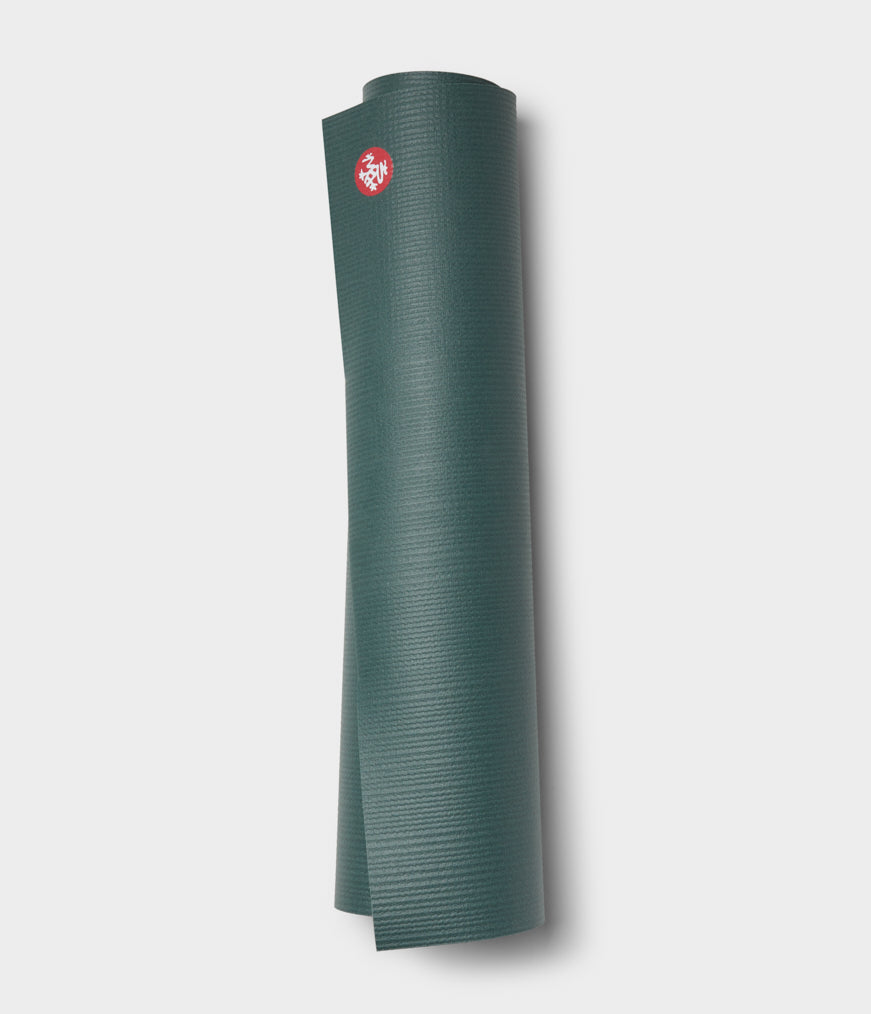
Best 6mm → Manduka PRO (6 mm) (“similar brand” benchmark)
Why it wins: ultra-dense build that supports knees/wrists yet stays very stable; closed-cell top resists sweat absorption and cleans easily; lifetime durability for home practice.
Looking strictly within Liforme/Yogi Bare at ~4 mm: Yogi Bare Paws (4 mm) is an excellent grippy alternative to Liforme if you prefer a slightly different texture/price point.
How thickness feels in real poses (Use-case map)
-
Standing & balance (e.g., Warrior III, Tree):
You’ll notice 4mm excels. The floor “talks back,” which helps ankle/knee alignment and micro-adjustments. 5mm remains stable; 6mm is fine but can feel a touch floaty for prolonged single-leg work. (Balance research on soft surfaces supports this lived experience.) -
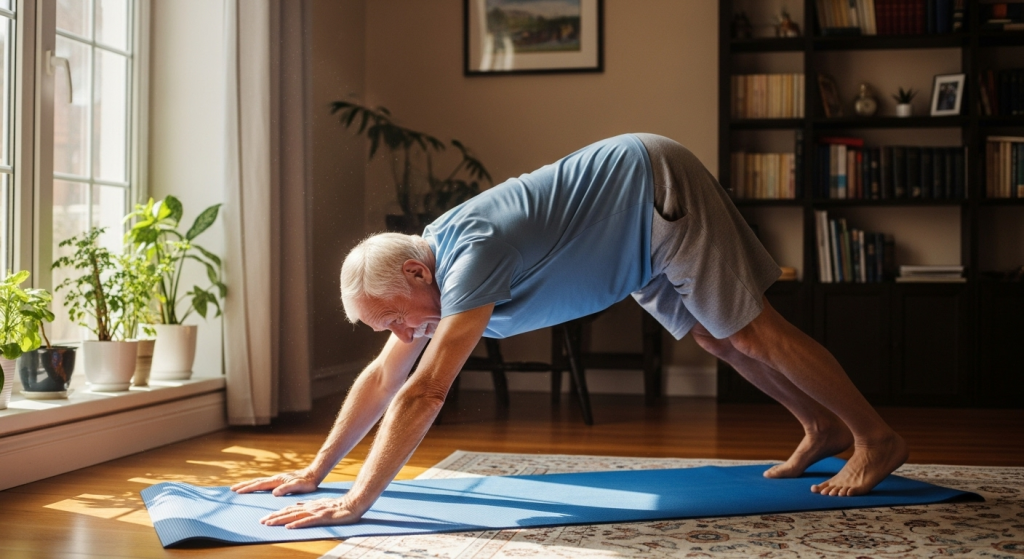
Kneeling & loaded wrists (e.g., Low Lunge, Camel, Plank):
5–6mm is kinder on patella and wrist heels, especially on hard studio floors. If you love 4mm, carry a lightweight knee pad or fold the mat under the knee when needed. (Standing-mat studies show softer surfaces can reduce perceived exertion.) -
Seated & supine (e.g., Boat, Bridge):
5–6mm cushions tailbone/sacrum; 4mm is adequate for most on wood or sprung floors. -
Hot yoga / heavy sweat:
Prioritize material grip over thickness: PU-topped natural rubber or dense closed-cell builds beat “spongy” textures. (See the specific product pages for surface details.)
Materials, density, and grip (The real performance trifecta)

- PU (polyurethane) tops on natural rubber (Liforme, Alo, Yogi Bare) deliver high wet/dry traction and consistent hand feel.
- Ultra-dense PVC alternatives (Manduka PRO) use a closed-cell top that resists absorption and boosts longevity; grip develops with use.
Why density matters: denser mats feel stable at any thickness. Two mats labeled “5 mm” can feel very different: a dense 5 mm will feel more grounded than a spongy 6 mm.
Durability, hygiene, and sustainability
- Closed-cell surfaces (e.g., Manduka PRO) keep sweat out, so they’re easier to sanitize and last longer.
- Natural rubber + PU (e.g., Liforme, Alo, Yogi Bare) pair top-tier traction with PVC-free builds; Yogi Bare highlights FSC rubber sourcing and a recycling scheme.
Stats snapshot (Why getting thickness right matters)
- 16.9% of U.S. adults practiced yoga in 2022—women 23.3%, men 10.3%. Getting a comfortable mat helps people stick with the habit.
- Over 20 years, yoga use tripled (5.0% → 15.8%) among U.S. adults, according to NIH/NCCIH trend data—evidence that more people are shopping for mats than ever.
Buying checklist (So you never second-guess your pick)
-
Match thickness to style:
- Flow/hot → 4–5 mm
- Mixed classes → 5 mm
- Restorative/home/pilates → 6 mm
-
Check density & surface:
- Seek PU-topped rubber or closed-cell, high-density surfaces for real grip and stability.
-
Size & weight:
- Commuters: keep weight manageable (some 6 mm mats exceed 7 lb). Home users can go heavier.
-
Care & cleaning:
- Closed-cell mats wipe clean easily; PU tops need gentle, alcohol-free cleaners and no harsh scrubs (see brand care notes on product pages).
-
Sustainability signals:
- Look for PVC-free, FSC rubber, and brand-run recycling where possible.
FAQs (Expanded)
Q1. Best 4mm vs 5mm vs 6mm Yoga Mats: What Thickness Should You Buy?
Choose based on practice and joints: 4mm for balance and fast flows; 5mm for the best all-round mix; 6mm for cushioning on hard floors or sensitive knees/wrists. See the product examples—Liforme (~4.2 mm), Alo Warrior (5 mm), Manduka PRO (6 mm).
Q2. Do thicker mats always mean better for joints?
They feel better when kneeling, but density and surface matter too. An ultra-dense 6 mm can be more supportive (and stable) than a spongy 6 mm. Standing-mat research supports reduced lower-limb exertion on cushioned surfaces.
Q3. Will 6mm make balancing harder?
It can—especially on very soft, low-density foams. Denser builds (e.g., Manduka PRO) mitigate that. Balance research on softer surfaces explains why some practitioners prefer 4–5 mm for single-leg work.
Q4. Does brand matter more than thickness?
Both matter. Thickness matches your needs; materials/density determine grip, stability, and longevity. (See brand spec pages for exact materials.)
Conclusion — Your next step

If you want the simplest rule for Best 4mm vs 5mm vs 6mm Yoga Mats: What Thickness Should You Buy?:
- Flow/hot classes: go ~4mm like Liforme Classic.
- One-mat-does-most: pick 5mm like Alo Warrior.
- Home/restorative or joint relief: choose 6mm like Manduka PRO.
From there, prioritize grippy surfaces (PU or closed-cell) and dense cores. That combination controls slip, improves stability, and lasts longer—so your practice feels better, week after week. Add one of the picks above to cart, roll it out, and try a short sequence today. Your joints—and your balance—will tell you immediately if you chose right.
The responses below are not provided, commissioned, reviewed, approved, or otherwise endorsed by any financial entity or advertiser. It is not the advertiser’s responsibility to ensure all posts and/or questions are answered.