

In today’s connected world, having fast and reliable home internet is essential. Coupling it with a TV bundle can simplify your bills and save money—but not all bundles are created equal. With countless providers like Cox, Starlink, EarthLink, and Viasat offering different speeds, packages, and promotions, it’s easy to feel overwhelmed.

This guide will help you make an informed decision by breaking down the factors that matter most: cost, speed, reliability, and flexibility. By the end, you’ll know exactly how to choose the best home internet and TV bundle for your household.



Exploring Internet and TV Bundles

A bundle is a package deal where you get internet, TV, and sometimes phone services together. Providers often offer discounts for bundling, which can save you anywhere from $20 to $50 per month compared to paying for each service individually.
Why Bundles Can Be a Smart Choice
- Cost Savings – Bundles often reduce monthly bills and eliminate hidden fees.
- Simplified Billing – You receive one bill for multiple services.
- Better Promotions – Many providers include free installation or premium channels with bundled packages.
- Single Point of Support – If something goes wrong, you only call one provider.
However, bundles aren’t always the cheapest option. Sometimes, a standalone internet or streaming service may be more affordable if you don’t need traditional TV.
Best Internet and TV Providers Reviewed
Cox
Cox is a popular cable provider offering internet, TV, and phone bundles. Their speeds range from 25 Mbps to 1 Gbps, making them ideal for families streaming HD and 4K content. Cox is known for strong urban and suburban coverage, reliable connections, and moderate data caps. Bundles often come with promotions like free installation or premium channels.
Starlink
Starlink uses satellite technology to provide high-speed internet, especially in rural and remote areas. Speeds typically range from 50 to 250 Mbps. While they don’t offer traditional TV bundles, Starlink works well with streaming apps for on-demand entertainment. Users should note that performance may vary in bad weather, and latency is slightly higher than cable or fiber.
EarthLink
EarthLink offers flexible internet and TV packages with speeds from 50 Mbps up to 1 Gbps, plus phone options. They provide nationwide coverage and strong customer support. EarthLink’s bundles are great for households that want customizable plans and reliable performance, with fewer restrictions on data usage compared to some other providers.
Viasat

Viasat specializes in satellite internet, which makes it accessible in rural and remote locations. Speeds range from 12 to 100 Mbps, and they offer optional TV bundles. Viasat is ideal for areas without cable or fiber, but users should be aware of higher latency and stricter data limits. Their bundles are functional for casual streaming and browsing rather than heavy gaming or multiple simultaneous 4K streams.
Key Factors to Consider Before Choosing a Bundle
Choosing the right bundle requires more than just looking at monthly cost. Here are the most important factors:
1. Internet Speed Requirements
Internet speed determines how fast you can stream, browse, and game. Household needs vary:
| Usage Type | Recommended Speed |
|---|---|
| Basic browsing & email | 10–25 Mbps |
| Streaming HD TV & video calls | 25–50 Mbps |
| Streaming 4K video & gaming | 100+ Mbps |
| Smart home devices & large families | 200+ Mbps |
Remember: Advertised speeds are often “up to” a certain number. Check user reviews and coverage maps for more realistic expectations.
2. Data Limits
Some providers impose monthly data caps, which can affect heavy streamers or gamers:
- Cox: Often includes data caps depending on plan.
- Starlink: Generally offers high or unlimited data, but may throttle speeds during peak hours.
- EarthLink: Flexible packages but check for high-usage fees.
- Viasat: Satellite-based, with stricter monthly limits than fiber or cable.
Choosing a provider that matches your usage prevents overage charges and slowdowns.
3. TV Channel Selection
TV bundles differ widely in channels, premium options, and on-demand content. Consider:
- Channels you actually watch—don’t pay for hundreds of channels you’ll never use.
- DVR or cloud recording options.
- Streaming app integrations (Hulu, Netflix, Disney+).
4. Contract Terms and Flexibility
- Contract Length: Long-term contracts may offer lower rates but include early termination fees.
- Promotions: Introductory pricing can increase after 12 months.
- Flexibility: Look for no-contract bundles or month-to-month plans if you anticipate changes.
5. Reliability and Coverage
Internet reliability varies by technology:
- Cable (Cox, EarthLink): Stable and fast in urban areas.
- Fiber: Offers gigabit speeds but limited coverage.
- Satellite (Starlink, Viasat): Accessible in remote areas but can be affected by weather.
Check outage history and customer service quality before committing.
Comparing Top Providers
Here’s a snapshot of some popular options:
| Provider | Bundle Options | Speeds | Coverage | Notes |
|---|---|---|---|---|
| Cox | Internet + TV, Phone | 25–1000 Mbps | Urban/Suburban | Strong reliability, moderate data caps |
| Starlink | Internet (with streaming apps) | 50–250 Mbps | Rural/Remote | Satellite-based, fast for remote users |
| EarthLink | Internet + TV + Phone | 50–1000 Mbps | Nationwide | Flexible plans, good customer support |
| Viasat | Internet (with optional TV) | 12–100 Mbps | Rural/Remote | Satellite-only, higher latency |
Tips to Save Money on Bundles
- Negotiate Your Rate – Call providers to ask about loyalty discounts or competitor offers.
- Check Bundle Promotions – Many providers include free premium channels or installation.
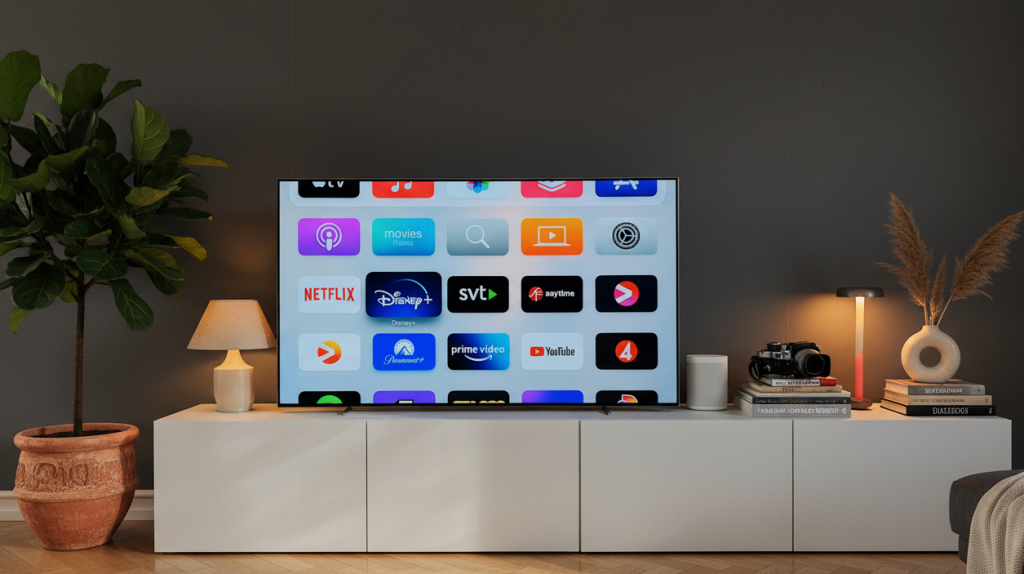
- Evaluate Streaming vs. Traditional TV – For light TV users, replacing cable with streaming apps may save money.
- Avoid Unnecessary Add-ons – Phone lines or equipment rentals can increase costs unnecessarily.
- Compare Intro Rates vs. Long-Term Costs – Some deals look great at first but rise significantly after 12 months.
How to Test Internet Speed and Quality
Before committing to a bundle, you can test your home’s current internet:
- Use Speed Test Tools – Websites or apps like Speedtest.net measure download/upload speeds.
- Check Latency and Jitter – Important for gaming or video calls.
- Test at Different Times – Speeds can drop during peak hours.
- Read Local Reviews – See what neighbors say about real-world performance.
Frequently Asked Questions

Q1: Are bundles always cheaper than separate services?
Not necessarily. Bundles can save money if you use both services heavily, but standalone internet + streaming apps may be cheaper for some households.
Q2: How much speed do I really need for streaming 4K TV?
Aim for at least 25–50 Mbps per stream. Families with multiple devices may need 100+ Mbps.
Q3: Can I get TV and internet in rural areas?
Yes, providers like Starlink and Viasat specialize in rural and remote locations where cable or fiber isn’t available.
Q4: Do bundles require long-term contracts?
Some do, but many providers offer no-contract or month-to-month options. Always check terms before signing.
Making the Final Decision
Choosing the best home internet and TV bundle requires balancing speed, cost, and content preferences. Here’s a simple framework:
- Assess Needs – List household devices, streaming habits, and channel preferences.
- Compare Providers – Look at speed, coverage, and reliability.
- Check Promotions – Factor in introductory rates, free equipment, and discounts.
- Read Reviews – Real-world experiences reveal hidden issues.
- Test If Possible – Trial periods or low-risk options help verify performance.
The Bottom Line

Finding the best home internet and TV bundle doesn’t have to be stressful. By assessing your household’s internet needs, reviewing data limits, and comparing top providers like Cox, Starlink, EarthLink, and Viasat, you can enjoy faster speeds, simpler billing, and greater savings.
Take your time, read the fine print, and select a plan that delivers both reliability and flexibility. With the right bundle, your home entertainment and connectivity experience will be smooth, affordable, and future-ready.
The responses below are not provided, commissioned, reviewed, approved, or otherwise endorsed by any financial entity or advertiser. It is not the advertiser’s responsibility to ensure all posts and/or questions are answered.



Comments 1 comment
I didn’t know viasat had such strict data limits...useful info for people in remote areas